
Practical year-round campervan planning
How to Prepare a Campervan for Four-Season Travel
A four-season campervan is not simply a van with a heater. Year-round comfort depends on reducing heat loss, managing condensation, protecting water systems, understanding battery limits, planning for changing road conditions and being ready for hot weather too.
Use this guide to work through the van, the journey and the season before a cold snap or heatwave exposes the weak points.
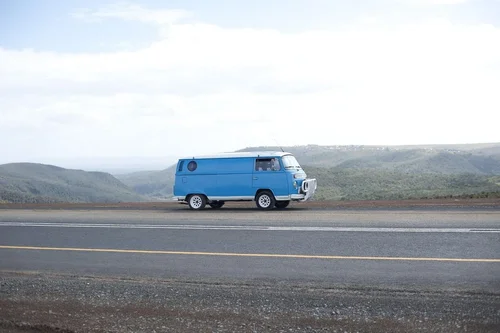
What does a four-season campervan actually need?
A genuinely year-round setup needs more than one winter accessory. It should manage heat loss and summer heat gain, provide safe ventilation, use a suitable heating system, protect water and electrical systems, and support realistic route decisions in poor weather. The exact setup depends on the conversion, where components are mounted and the conditions you intend to travel in.
Quick readiness check: where will your van struggle first?
Before buying more equipment, look for the weakest point in the whole system.
Think beyond winter
Four seasons create different problems
Winter
Heat loss, frozen water systems, poor battery performance, short daylight and difficult roads.
Spring
Wet kit, condensation, muddy sites and large temperature swings between day and night.
Summer
Solar heat gain, hot sleeping spaces, fridge performance, dehydration and long exposed drives.
Autumn
Damp interiors, colder nights, leaf debris, reduced solar yield and rapidly changing forecasts.
Start with the shell
1. Reduce heat loss before adding more heating
Insulation works best when it is considered as a complete system. A well-insulated wall does not compensate for large uninsulated glass areas, draughty cab doors or exposed metal bridges.
Glazing and cab area
Use suitable thermal screens or insulated curtains where appropriate. The cab can be one of the biggest weak points in many conversions.
Cold bridges
Metal ribs, frames and poorly detailed junctions can create cold strips even where the main wall cavity is insulated.
Floor and wheel arches
These are easy to overlook but can make a small living space feel persistently cold.
Door seals and draughts
Check for deterioration and gaps, but never block designed ventilation openings.
Warmth without shortcuts
2. Choose and use heating safely
Heating should be appropriate to the vehicle and installed, operated and maintained according to the manufacturer’s instructions. Fuel-burning appliances introduce combustion and carbon-monoxide risks, so ventilation and maintenance are not optional extras.
- Use equipment designed and installed for the vehicle or leisure application.
- Keep permanent ventilation openings clear.
- Do not use barbecues, camping stoves or other unsuitable fuel-burning devices as indoor heaters.
- Fit and maintain appropriate smoke and carbon-monoxide alarms.
- Have gas and heating systems checked by a competent professional where required.
- Know where exhaust outlets are and keep them unobstructed.
Do not oversize the problem
A larger heater does not fix draughts, cold glass, wet bedding or poor airflow. Comfort comes from the whole setup working together.
Warm air still carries moisture
3. Manage ventilation and condensation
People release moisture simply by breathing. Add wet coats, cooking and drying towels, and a small van can become damp quickly. Heating without moisture control may leave condensation on windows and cold surfaces.
Vent while creating moisture
Use extraction or suitable openings during cooking and after showers rather than waiting until every window is wet.
Separate wet kit
Do not let soaked boots, coats and towels quietly dry throughout the sleeping area if you have another option.
Allow air around bedding
Mattresses against cold surfaces can trap moisture. Inspect hidden areas regularly.
Keep permanent vents clear
Do not block designed ventilation in an attempt to retain every bit of warmth.
Know what sits outside the warm envelope
4. Protect the water system in freezing weather
A water system is only as freeze-resistant as its most exposed component. External tanks, drain valves, pumps and pipe runs may cool much faster than the main living area.
- Identify which pipes, tanks and valves sit outside or below the heated interior.
- Follow the conversion and appliance guidance for draining down in freezing conditions.
- Do not assume a warm cabin protects an underfloor tank.
- Check whether frost-protection valves may automatically dump water at low temperatures.
- Insulate vulnerable components only with methods suitable for the installation.
- Never apply improvised heat sources near fuel, gas, wiring or unsuitable materials.
Power planning changes with the season
5. Reassess batteries, charging and power use
Winter often means lower solar yield, longer evenings and more electrical demand from fans, pumps, lighting and control systems. Cold conditions can also expose a weak starter battery, while leisure-battery performance and charging limits vary by chemistry and installation.
| Question | Why it matters | What to check |
|---|---|---|
| How much usable capacity? | Nameplate capacity is not the same as practical usable energy. | Battery type, age, state of health and manufacturer guidance. |
| How will you recharge? | Winter solar may not replace daily use. | Alternator/DC-DC charging, hookup, solar and realistic driving time. |
| What runs overnight? | Heating fans and controls can create continuous demand. | Measure or estimate actual loads rather than guessing. |
| Can the battery charge when cold? | Some battery chemistries have specific temperature limits. | Battery and charger documentation, installed protection and sensor setup. |
Do not generalise from another van’s setup. A system that works for one conversion may be marginal in a larger van, with different heating, refrigeration or off-grid habits.
The base vehicle still matters
6. Prepare the vehicle and change the route when needed
A cosy conversion is no substitute for a roadworthy vehicle. Before winter or a long seasonal trip, check the vehicle according to the handbook and current road conditions.
Tyres
Check condition, tread and correct cold pressures for the vehicle and load. Do not copy another van’s pressures.
Battery and starting
Cold weather often exposes a weak starter battery. Test suspect batteries before a remote trip.
Wipers, lights and screenwash
Visibility becomes more important when daylight is short and roads are wet, salty or icy.
Route and forecast
Check delays, closures and warnings. Leave more time and change the plan when conditions deteriorate.
Carry a realistic winter travel kit
Think about de-icing, warm layers, blankets, phone charging, food and water, and what you would need if a journey stopped for several hours rather than ten minutes.
Four seasons means summer too
7. Prepare for hot weather as seriously as cold weather
Insulation can slow heat transfer, but summer comfort also depends on shade, ventilation, glazing, parking orientation and how much heat you create inside. A van designed only around winter warmth may still be miserable in a heatwave.
- Use screens or shade to reduce direct solar gain through large windows.
- Create a deliberate route for cooler air in and hot air out.
- Move cooking outside only where site rules and fire safety allow.
- Check fridge performance rather than assuming food is cold enough.
- Plan driving and activity around cooler parts of the day.
- Know the signs of heat illness and do not leave children, vulnerable people or pets in a hot vehicle.
Seasonal storage and changeover
8. Build a routine for the weeks between trips
Four-season travel is easier when the van is not repeatedly starting from neglect. A short changeover routine can catch leaks, damp, flat batteries and missing equipment before departure day.
- Dry and air the interior before long storage periods.
- Check for leaks, mould and hidden damp around mattresses and lockers.
- Follow battery storage and charging guidance for your system.
- Drain or protect water systems where freezing is possible.
- Remove food and anything likely to attract pests.
- Recheck tyres and fluid levels before the next long journey.
Before the next seasonal trip
Four-season campervan checklist
Living space
- Thermal screens ready
- Ventilation clear
- Heating tested
- CO/smoke alarms checked
- Damp and leaks inspected
Systems
- Water freeze risks identified
- Battery health checked
- Charging plan realistic
- Fridge/appliances tested
- Gas/fuel systems maintained
Journey
- Forecast and warnings checked
- Tyres and fluids checked
- Emergency kit packed
- Height/road restrictions reviewed
- Alternative route considered
More practical campervan help
Continue planning your setup and journey
Ready to use the van more?
Choose a journey that suits the season
Once the practical side is covered, the reward is a wider travel window. Use a quiet evening in the van to compare regions, find inspiration or start shaping the next route.
Quick answers
Four-season campervan FAQs
What makes a campervan suitable for four-season travel?
A strong setup manages insulation, ventilation, safe heating, condensation, water-system freeze risk, battery capacity and seasonal route planning. The exact standard depends on the conversion and the conditions you plan to use it in.
Is a diesel heater enough for winter campervan travel?
Not by itself. Heating capacity does not fix poor insulation, draughts, frozen external pipework, condensation or inadequate battery capacity. Treat heating as one part of the system.
How do I reduce condensation in a campervan in winter?
Vent while cooking or showering, remove wet kit from the sleeping space where possible, keep designed vents clear, dry visible condensation and allow air around mattresses and cold surfaces.
How can I stop campervan water pipes freezing?
Identify exposed pipes, valves, pumps and tanks first, then follow the conversion and appliance guidance for insulation, heating or draining down. A warm cabin does not guarantee that external components are protected.
Do leisure batteries work differently in cold weather?
Battery performance and charging limits vary by chemistry, temperature and system design. Check the battery and charger manufacturer guidance, especially before relying on off-grid heating or winter solar.
Should I block vents to keep a campervan warmer?
No. Do not block permanent or designed ventilation openings. Ventilation is part of safe appliance operation and moisture control.
What should I carry for winter campervan journeys?
Build a kit around the likely route and conditions: de-icing equipment, warm layers, blankets, phone charging, food and water, plus the vehicle-specific equipment you may need if delayed.
Does four-season preparation help in summer too?
Yes. Year-round preparation should also address solar heat gain, shade, ventilation, fridge performance and hot-weather route planning. A van that is comfortable in winter can still overheat in summer.
Start with the Essentials: Winter Is Your Planning Window
Winter is the perfect moment to slow down, grab a hot drink and tick off the practical jobs you might put off during the busier months.
Check your MOT – make sure it’s up to date and booked annually.
Get a service before any long journey – being stranded without your home-on-wheels is no fun.
Review your insurance – ensure your cover includes winter or year-round use.
Sort your paperwork and safety kit – breakdown cover, spare bulbs, first-aid kit, warning triangle.
It’s also the season of gift ideas. If you’re shopping for a campervan owner (or dropping hints…), our guide to campervan gifts might come in handy.