
England’s Pilgrim roots by road
Mayflower & Pilgrims Road Trip: Follow the English Story Before 1620
The Mayflower story did not begin at Plymouth harbour. Follow the English places, communities, failed escapes and difficult decisions that shaped the Pilgrims long before the Atlantic crossing.
From Worcestershire and the northern Separatist villages to Boston, eastern ports and the south-coast sailings, this is a heritage journey about people before they became symbols.
What is the Mayflower & Pilgrims road trip?
It is a story-led journey through English places connected with the people later known as the Pilgrims: their family roots, religious communities, meetings, attempted escapes, arrests, ports and final departures. Rather than beginning with the ship, the route follows the human story that made the 1620 voyage possible.
Why this journey matters
The famous crossing is only the final chapter
The Mayflower has become a global symbol, but symbols can flatten people into a single moment. The English story is messier and more revealing. It takes place in ordinary villages, parish churches, manor houses, market towns, creeks and ports.
Before the Atlantic crossing came years of belief, disagreement, friendship, surveillance, attempted escape, exile and uncertainty. Following those places by road changes the scale of the story. The Pilgrims become people shaped by communities and landscapes rather than figures who suddenly appear at Plymouth in 1620.
That is why we keep this route alive even though it has never been one of our commercial bestsellers. Its value is different: it preserves a nationally and internationally significant heritage journey and connects places that make more sense together than apart.
Best for
History, ancestry and slow travel
Minimum pace
Around 11 days
Better pace
Up to two weeks
Travel style
Story-led, not mileage-led
A more honest way to travel it
This is not a single historic road — and that is the point
The Pilgrim story is scattered across England because the people themselves were scattered. Their lives crossed family homes, schools, churches, villages, meeting places, ports and places of detention. A useful road trip should not pretend that one neat ribbon of tarmac connects everything.
Instead, think of the journey as four chapters. Each has its own landscape and emotional tone. Worcestershire brings individual roots. The northern villages reveal the growth of community and belief. The eastern places carry tension, failed departures and arrest. The south coast moves from preparation to final departure.
That chapter structure is also practical. You can follow the full journey, or explore one part in depth without pretending you have “completed” the story.
Follow the story in four parts
The four chapters of the English Pilgrim journey

Worcestershire beginnings
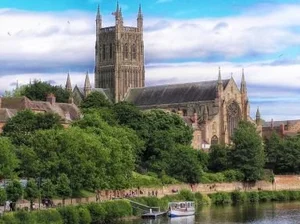
Begin with individual life rather than collective legend. Edward Winslow’s Worcestershire connections bring the story back to childhood, education, family and the formation of ideas. Worcester and Droitwich Spa help place a later colonial leader inside the English world that shaped him.
This chapter matters because it resists hindsight. The people we now know through later events once moved through familiar streets, schools and churches without knowing what history would make of them.
The northern Separatist villages
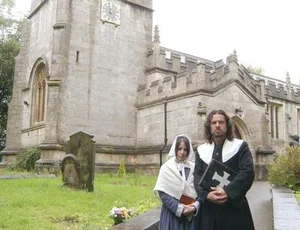
Here the journey becomes quieter and more intimate. Parish churches, villages and surviving historic places reveal a network of relationships in which ideas were discussed, communities formed and decisions became increasingly difficult.
Babworth, Scrooby, Austerfield and Gainsborough are important not because they offer one spectacular attraction, but because together they show how movements grow through people knowing, trusting and challenging one another.

Eastern escape attempts and uncertainty
This is the most tense chapter. Plans fail. People are betrayed, arrested or separated. Creeks, marshes and ports stop being picturesque scenery and become part of a story about risk and the difficulty of leaving England.
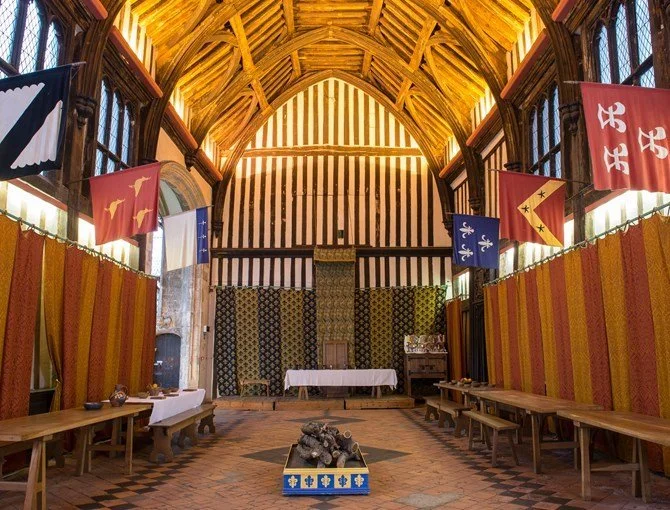
Boston is particularly powerful because the Guildhall gives a physical setting to an early failed escape attempt. The wider eastern landscape then makes the uncertainty easier to understand: water could offer a route out, but also exposure, delay and danger.
Go deeper into Boston’s wider history and Pilgrim connection

South-coast sailings
The final English chapter moves from preparation to action. Southampton brings provisioning and anticipation. Dartmouth belongs to delay and the continuing problems of the Speedwell. Plymouth becomes the place where the English road finally ends and the Atlantic story begins.
Arriving at the Mayflower Steps after following earlier chapters gives Plymouth greater weight. It is no longer an isolated monument at the start of a famous voyage; it is the culmination of years of decisions, setbacks and movement.

People before symbols
Why the English roots make the story more human
William Brewster, William Bradford, Richard Clyfton and Edward Winslow are easier to understand when you encounter the places that shaped their lives. Their later significance can otherwise make the story feel inevitable, as though Plymouth in 1620 was always the destination.
It was not. The English trail is full of contingency: meetings that might have been discovered, escapes that failed, journeys interrupted by weather or betrayal, communities divided by necessity and people forced to make choices with incomplete information.
Following those places restores uncertainty to the history. That is valuable because it allows the story to be understood as lived experience rather than a polished national myth.
The difficult legacy
A meaningful journey should leave room for more than celebration
The Mayflower story has been used to explore themes of faith, migration, community, self-government and the long relationship between Britain and North America. But the history after arrival cannot be reduced to a simple story of courage and freedom.
A thoughtful heritage journey should make room for complexity: the consequences of colonisation, the experiences of Indigenous peoples, competing ideas about liberty, and the gap between what communities sought for themselves and what later expansion meant for others.
That wider context does not weaken the English route. It makes it more responsible. Understanding where the Pilgrims came from is one part of understanding what followed.
Boston as a pivotal chapter
Why the failed escape matters as much as the famous departure
Look beyond a single Mayflower label
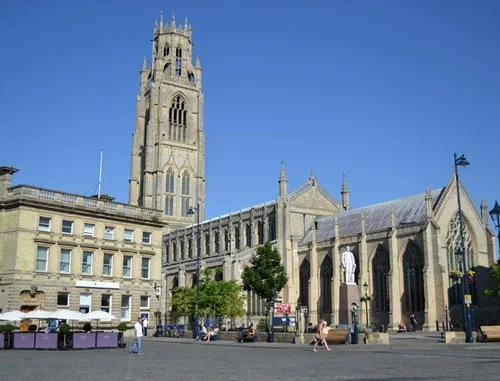
Boston is not merely a pin on a Pilgrim map. Its medieval wealth, port history, Guildhall, market and Fenland geography give the failed escape attempt a much richer setting.
That is why we rebuilt the Boston page as a destination story in its own right, not just a supporting sales page.
Choose how deeply to follow it
You do not have to drive the entire route
One chapter
Best for a short break. Choose the northern villages, eastern escape story or south-coast chapter and explore it properly.
Two connected chapters
A good middle ground for travellers who want historical progression without committing to a long cross-country journey.
The full English story
Allow around 11 days as a minimum; closer to two weeks gives more space for museums, churches, walking trails and detours.
Use the wider heritage ecosystem
Go deeper into places and stories along the way
Discover Boston, England
Explore the Stump, Guildhall, Fenland context and wider history that make Boston much more than one Pilgrim episode.
Explore Boston →Hull Heritage Walk
Continue the wider theme of overlooked English places whose maritime and civic history rewards closer attention.
Walk through Hull’s heritage →Road Trips to Watch
Discover other rewarding journeys beyond Britain’s most obvious touring names.
Explore quieter road trip ideas →England road trips
Move from one heritage journey into the wider Uncover Britain route library.
Browse England road trips →Planning questions
Mayflower & Pilgrims road trip FAQs
Where does the Mayflower Pilgrim story begin in England?
There is no single starting point. The English roots are spread across family homes, churches and communities, including Worcestershire connections and the northern Separatist villages around Babworth, Scrooby and Austerfield.
How long should I allow for the full road trip?
Around 11 days is a sensible minimum for the full journey. Closer to two weeks gives more time for museums, walking trails, churches, historic towns and slower exploration.
Do I need to follow the whole route?
No. The journey works well as four chapters, so you can focus on one region or combine two connected chapters without driving the entire cross-country route.
Why is Boston important to the Pilgrim story?
Boston is linked to an early failed escape attempt by Separatists trying to leave England for the Netherlands. Their arrest and detention make the town an important chapter before the later Atlantic voyage.
Does the route end in Plymouth?
The English journey culminates in Plymouth, where the final departure took place after earlier preparations and delays involving Southampton, Dartmouth and the unseaworthy Speedwell.
Is the digital Mayflower road trip guide still available?
Yes. The legacy Uncover Britain digital guide remains available for £9.99 with 12 months of access for travellers who want the wider journey connected into one planning resource.