
Campervan conversions
Commission a campervan conversion for your UK road trips
A campervan conversion can give you a travel setup that fits the way you actually use the road. Instead of adapting your plans around a standard vehicle, you can design storage, sleeping space, cooking, power, heating and everyday comfort around your own road trip style.
This page helps you think through what to ask, what to compare and how to choose a conversion company before committing to a build.
Quick answer: commission a campervan conversion if you want a personalised touring vehicle and expect to use it regularly. Before choosing a converter, be clear about your travel style, budget, layout priorities, safety requirements, weight limits and aftercare.
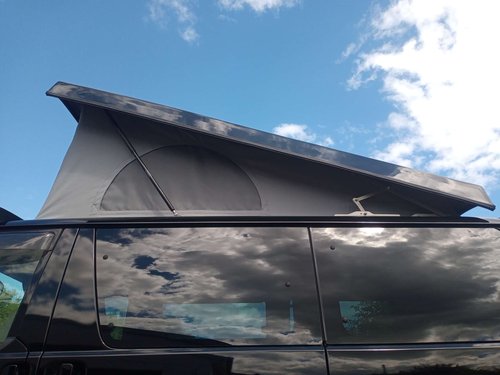
Start with the map
Find campervan conversion companies
Use this map as a starting point for researching UK campervan conversion companies. It is designed to help travellers explore options by location before comparing build styles, services, reviews, availability and pricing directly with each business.
Campervan conversion company map
Zoom, pan and explore the map to find possible conversion companies for your project. Check each business carefully before making enquiries or paying deposits.
Run a UK campervan conversion company? Contact Uncover Britain about being considered for map inclusion or future vehicle-planning updates.
Map inclusion is not an endorsement. Travellers should carry out their own checks before choosing any conversion company.
Before you enquire
What to decide before commissioning a conversion
A good conversion starts with a clear brief. The more realistic you are about how you will travel, the easier it is to compare companies and avoid paying for features you do not need.
How will you travel?
Think about the journeys you actually want to take, not just the dream layout.
- Weekend breaks or long tours?
- Solo, couple, family or pets?
- Campsites, pub stops or more remote touring?
- Warm-weather travel or year-round use?
What do you need every day?
Small details matter more once you are living in the vehicle for several days.
- Bed size and ease of setup
- Cooking and fridge space
- Water, heating and power
- Storage for luggage, kit and wet gear
What is your real budget?
Build costs are only part of the picture. Leave room for vehicle purchase, insurance, accessories, repairs and touring equipment.
- Base vehicle cost
- Conversion build cost
- Electrical and heating upgrades
- Aftercare, maintenance and insurance
Ask better questions
Questions to ask a campervan converter
Before committing to a build, ask practical questions about safety, weight, paperwork and aftercare. A good converter should be comfortable explaining their process clearly.
Build quality and safety
- How do you manage payload and weight limits?
- Who installs the electrics, gas, heating and ventilation?
- Do you provide certificates or documentation for completed work?
- What materials do you use for insulation, flooring and cabinetry?
- Can I see examples of previous builds?
Process, timescales and aftercare
- What is included in the quoted price?
- What deposit is needed and when are payments due?
- How long is the current waiting list?
- What happens if the brief changes during the build?
- Do you offer warranty support or aftercare?
Professional conversion
Why a professional conversion can be worth it
A professional campervan conversion can cost more upfront, but it can reduce the risk of mistakes in the parts of the build that matter most: electrics, gas, ventilation, heating, weight and long-term durability.
Commissioning a campervan is one of the most exciting steps toward life on the road, but it is also a big investment. Whether you want something simple and functional or a fully bespoke tiny home on wheels, choosing the right converter can make all the difference.
A good professional brings experience, design judgement and safety expertise. That matters when you are asking a small vehicle to sleep, store, cook, charge, heat and carry everything you need for real road trips.
- Safety-critical systems: electrics, gas, heating and ventilation need proper planning.
- Durability: cabinets, floors, beds and fixings need to cope with movement and regular use.
- Better layouts: experienced converters can often spot problems before they become expensive.
- Resale value: documented professional work can make the vehicle easier to insure and sell later.
Choosing a converter
How to choose the right campervan conversion company
Reviews and photographs are useful, but the best signs are clear communication, transparent pricing, real build examples and a willingness to answer practical questions.
Look for real examples
Ask to see completed builds, customer photos or a finished vehicle in person. Pictures help, but standing inside a van gives you a much better feel for quality, space and finish.
Check reviews and detail
Good converters should be able to show reviews, previous work, the materials they use and how they manage safety, payload, insulation and wiring.
Watch for vague pricing
A beautiful conversion needs good materials and skilled labour. If a quote looks unusually cheap, check exactly what is included, what is missing and where costs could increase.
DIY or professional?
DIY vs professional conversions — what is best for you?
Both routes can work. The right choice depends on your budget, confidence, time, skill level and how much of the build involves technical systems.
DIY conversion
- Can be more affordable if you have time and skills.
- Gives full creative control over layout and finish.
- Can be very satisfying if you enjoy hands-on projects.
- Comes with a steeper learning curve and higher risk of mistakes.
Professional conversion
- Usually gives a higher-quality, more durable finish.
- Can be faster once the build slot arrives.
- Helps with safety-critical areas and documentation.
- Costs more upfront and popular converters may have long waiting lists.
Build elements
Key build elements: electrics, plumbing, insulation and layout
The systems inside the van will shape how comfortable, safe and usable it feels on the road.
Electrics and solar power
This is one of the most technical parts of a conversion. Think through leisure batteries, split chargers, solar panels, inverters and 12V or 240V systems before you commit.
Plumbing and water
Depending on your needs, this can include sinks, fresh and waste tanks, showers, hot water systems and toilets. Good plumbing prevents leaks, smells and mould.
Insulation and ventilation
Comfort depends heavily on proper insulation and airflow. Ventilation helps manage condensation and keeps the vehicle more comfortable year-round.
Floors, walls and ceilings
Choose materials that are lightweight, moisture-resistant, durable and easy to clean. The finish you choose shapes both the atmosphere and the practicality of the campervan.
Finishing touches
Final touches that make a campervan feel like home
Once the structure and systems are in place, the small details make the van easier and nicer to use.
- curtains, blinds or blackout panels for privacy and sleep
- LED lighting and reading lights
- awning, outdoor mat or simple outside cooking setup
- swivel seats, roof racks or bike carriers
- smart storage for wet gear, walking boots, bedding and kitchen kit
- soft furnishings that are removable, washable and road-trip practical
Converter examples
Featured campervan converters across the UK
The map above is the main tool for browsing converter locations. These examples show the type of specialist businesses travellers may want to compare.
South Coast Camper Conversions
Poole-based specialists with a focus on Volkswagen conversions, luxury craftsmanship and sport motorhomes.
Devon Conversions
One of the UK’s long-standing campervan manufacturers, with a large showroom and a wide choice of base vehicles.
Bay View Campervans
North Devon specialists known for VW Transporter and Transit Custom conversions.
Danbury Campervans
Well-known for VW-based campervans and multiple specification options.
Luna Van Conversions
North East England converters producing bespoke handcrafted builds, including specialist race vans.
Bearwood Campers
A boutique builder known for handmade details, custom kitchens and one-conversion-at-a-time projects.
Self-build planning
Planning a self-build? Key things to consider
A self-build can be rewarding, but it needs realistic planning. Be honest about your skills, your budget and where professional help would be safer.
Define your needs
How many people will sleep in the van? Do you need off-grid power, a shower, a fixed bed or flexible seating? These choices affect every part of the layout.
Budget realistically
Materials, tools, insulation, electrics and safety equipment add up quickly. Leave extra budget for unexpected costs.
Know your limits
Furniture, floors and soft finishes may suit DIY. Electrics, gas, structural changes and safety-critical systems are areas where professional support is often worth it.
Clearcut Campervan Design
Key considerations when designing your campervan layout
Converting your van into a campervan can be a rewarding project, and with the right planning, you can create your dream home on wheels. These practical layout considerations are adapted from Clearcut Campervan Design’s advice for people planning a new campervan conversion.

Clearcut Campervan Design provides campervan design support, electrical advice and off-grid package guidance. Visit Clearcut Campervan Design.
Determine your needs
Before you begin your campervan conversion, it is important to consider your needs. What will the van be used for? How many people need to sleep in the van? What are your must-haves? Answering these questions will help you start planning your perfect campervan layout.
Set a budget and timeline
Once you have determined your needs, it is time to set a budget and timeline. Converting a campervan can be time-consuming and costly. Allocate enough time and budget to complete the project, considering all expenses including the cost of the van, materials, tools and labour. Be realistic and plan for unexpected expenses.
DIY vs hiring professionals
Decide whether you want to take a DIY approach or hire professionals for part or all of your campervan conversion project. There are pros and cons to both options. A DIY approach can save money, but it may take longer. Hiring professionals can ensure a high-quality build, but can also be expensive. Consider your skills, time and budget when making this decision.
Electrical and plumbing
Electrics and plumbing are essential elements of a functional campervan. Electrical systems can include leisure batteries and solar panels. Plumbing systems can include sinks, showers and toilets. If you decide to tackle some of this yourself, use reliable guidance and consider professional input for safety-critical work.
Clearcut Campervan Design offers a free consultation service for electrical requirements, including solar and off-grid packages. They can work with you to understand your needs, suggest suitable products and offer package options.
Insulation, floors, walls and ceilings
Proper insulation and ventilation are crucial for maintaining a comfortable temperature in extreme weather conditions, helping you stay warm in cold weather and cool in hot weather, while also reducing condensation and supporting airflow.
The finishing touches of your campervan’s flooring, walls and ceilings are also important. Durable, waterproof flooring will hold up better against spills and wear and tear. Walls and ceilings can be finished with different materials depending on your preferred style and functional needs, from wood to fabric.
Final touches
Lastly, consider additional features and finishes to customise your campervan conversion. Curtains for privacy, an awning for outdoor living, practical storage and soft furnishings can all help make your campervan feel more like home.
Converting a van into a campervan is an exciting and rewarding project for those seeking adventure on the road. By thoughtfully considering your needs, budget and timeline, you can create a vehicle that supports the way you actually want to travel.
Insurance and safety
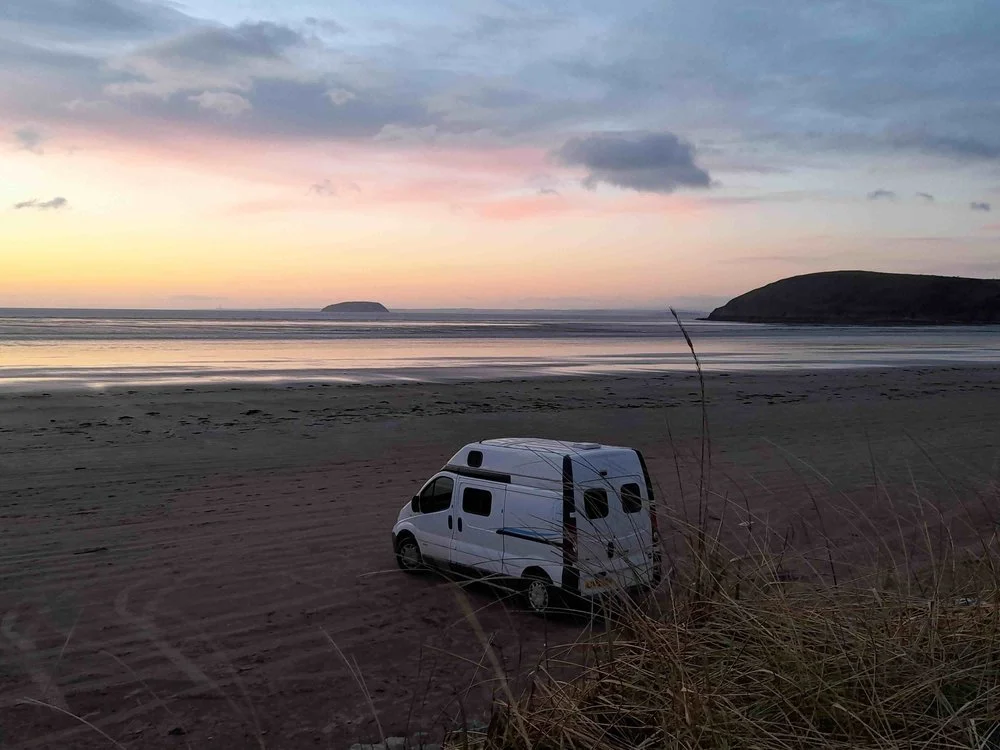
Why campervan conversions need the right insurance
Insuring a self-built campervan or van conversion can feel overwhelming at first. You have put time, money and care into creating a space that feels like your own, so it is worth making sure the policy recognises the vehicle properly and covers the changes you have made.
Keeping your van conversion safe: getting insurance
- Specialist insurance helps protect your modifications and keeps your policy valid.
- Declaring changes, trip length and mileage helps make sure you are covered wherever you travel.
- Added security, breakdown cover and the right policy type can give extra peace of mind on every journey.
What really matters is that your policy recognises your van as a campervan and covers the things you have added, whether that is a pop-top, kitchen unit, extra windows, heating, electrics or the smaller details that make it feel like home.
The right insurance gives you confidence to enjoy the fun parts of campervan life without worrying about the what-ifs. Whether you are heading off for quiet weekend breaks or planning longer adventures across the UK or Europe, proper cover helps you travel more freely and safely.
Compare your options
Conversion, buying or hiring?
A custom conversion is not the only route into road trip travel. Compare it with hiring or buying before committing to a long build project.
Hire before you build
Hiring a campervan or motorhome first can help you understand what you genuinely need before designing your own vehicle.
Buy a finished vehicle
If you do not want to wait for a custom build, buying a ready-made campervan or motorhome may be easier.
Plan the practical setup
Think through navigation, fuel, packing and responsible overnight stops before designing the layout.
Travel responsibly
Build choices should support responsible touring, especially around overnight stops, waste, water and local communities.
Match build to route
Road trip ideas that can shape your conversion brief
Use real route examples to help decide what your campervan needs. A conversion for weekends, coast roads and campsites may look very different from one for longer rural touring.
Short breaks and shakedown trips
Useful for testing a new conversion close to home, checking storage, sleeping comfort and daily routines.
Coast and countryside touring
Good for thinking through wet gear, outdoor storage, flexible stopovers and scenic touring comfort.
Longer scenic touring
Useful for thinking about heating, batteries, driving comfort, storage and how the vehicle handles bigger days on the road.
Island and ferry planning
Island routes can help you think about length, height, ferry costs, compact storage and route flexibility before you commit to a build.
FAQs
Campervan conversion questions
These are the practical questions to think through before choosing a conversion company or committing to a build slot.
Is commissioning a campervan conversion worth it?
It can be worth it if you expect to use the vehicle regularly and want a layout designed around your own travel style. If you are still unsure how you like to tour, hiring first may be a better starting point.
What should I decide before contacting a converter?
Be clear about how many people will travel, where you plan to sleep, how much cooking and storage you need, whether you want heating or off-grid power, and what your total budget is.
What questions should I ask a campervan conversion company?
Ask about payload, electrics, gas, ventilation, warranty, aftercare, previous builds, payment stages, timescales and what documentation you will receive at the end of the build.
Where can I find Clearcut Campervan Design?
Clearcut Campervan Design is linked in the layout-planning advice section above. The section covers needs, budget, DIY vs professional support, electrics, plumbing, insulation and final touches for a campervan conversion.
Should I buy a campervan or commission a conversion?
Buying a finished campervan is usually quicker, while commissioning a conversion gives more control over layout and features. The best option depends on your budget, timescale and how specific your needs are.
Planning the vehicle around the route?
Once you know what kind of campervan setup you want, choose a road trip guide that helps you test the layout, storage and touring style in real conditions.

Find a vehicle and road trip tips

Hire a campervan
Buying a Motorhome
Hire a Car
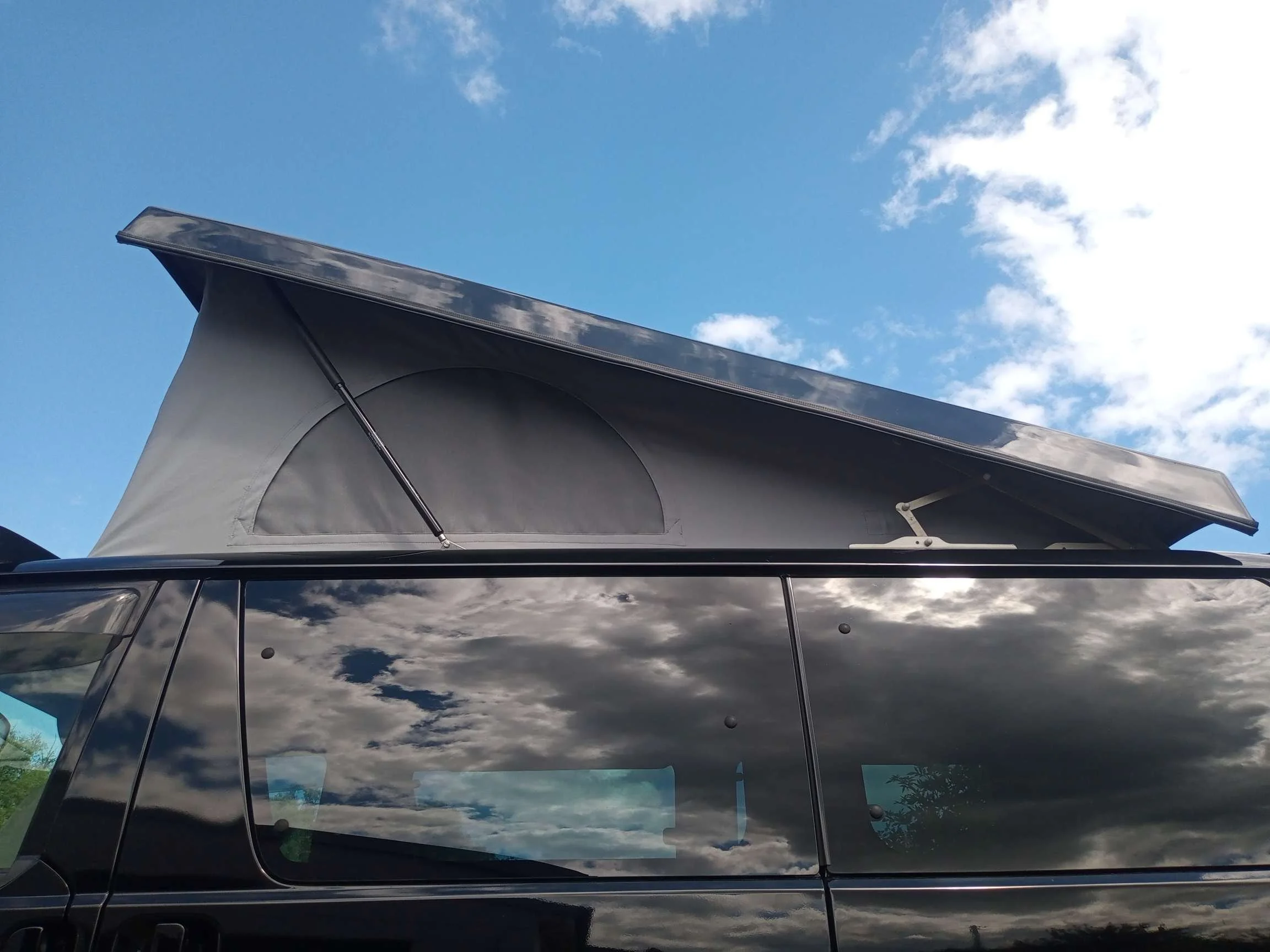
Commission a Campervan
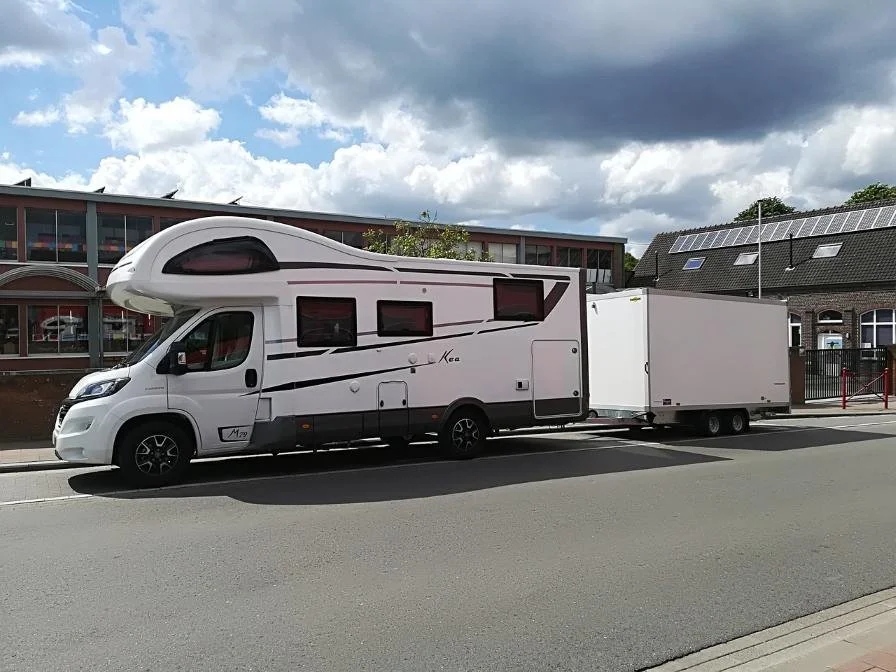
Equipment needed to tow

Top Tips for Buying a Motorhome: New or Second-Hand
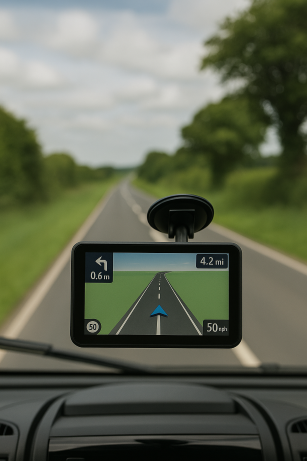
Sat Navs for Motorhomes
Code of Conduct

Fuel Efficient Driving Tips

Route Planner Tips

Travelling to the UK?
Stay-the-Night (Scotland) Scheme
How to Stay Cool in Warm Weather
Campervan Conversion Insurance