
Campervan conversions and insurance
Campervan conversion insurance
When it comes to ensuring that your van conversion is fully insured, look for a specific campervan insurance policy where you can declare all of the changes you have made.
From pop-tops and windows to electrics, gas, heating, beds, kitchen units and storage, your insurer needs to understand what your vehicle now is — not just what it used to be.
Quick answer: if you have converted a van into a campervan, tell your insurer about the conversion, keep evidence of the work, check whether the policy covers your fitted equipment and contents, and check the latest DVLA guidance if you want to reclassify the vehicle as a motor caravan.
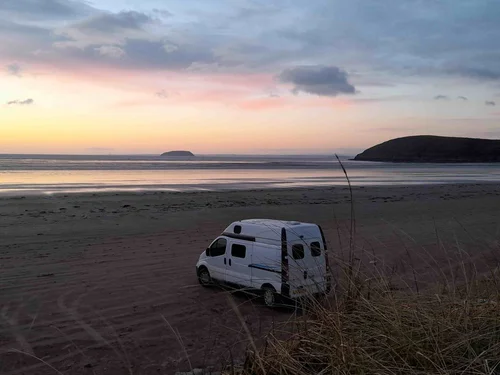
Why it matters
Why converted campervans need the right insurance
A converted campervan is not the same risk as a standard panel van. You may have changed the vehicle’s value, use, layout, contents and systems, so the policy needs to recognise the conversion properly.
Make sure the policy matches the vehicle
Standard van insurance may not be enough once the vehicle has been converted. A specialist campervan policy should let you declare the changes and discuss how the build, contents, fixtures and travel use are covered.
Make sure that you are fully covered with converted campervan insurance, and you’ll be able to set off with real peace of mind.
What insurers may want to know
- What vehicle you started with and what it is used for now.
- Whether the conversion is DIY, professional or partly professional.
- What has been fitted: windows, pop-top, bed, cupboards, kitchen, heating, gas, electrics or solar.
- How much the vehicle and conversion are worth.
- Where it is stored overnight.
- How many miles you expect to drive each year.
- Whether you will travel abroad.
Declare the conversion
What counts as a campervan conversion modification?
Insurers usually want to understand anything that changes the vehicle from a standard van into a campervan or leisure vehicle. Even small changes can matter if they affect value, safety, use or repair costs.
Exterior changes
These can include windows, roof lights, vents, awnings, bike racks, roof racks, pop-tops, decals, external sockets and other visible changes.
Interior build
Beds, storage units, cupboards, flooring, insulation, kitchen units, seating changes and fixed furniture can all affect the value and risk profile of the vehicle.
Systems and equipment
Leisure batteries, solar panels, inverters, heating, water systems, gas installations and cooking equipment should be discussed with the insurer.
Why being clear matters
If you do not declare changes, it can affect a claim or even invalidate a policy. That does not mean every modification will make the insurance unaffordable, but the insurer needs an accurate picture of the vehicle before agreeing cover.
It is also useful to keep a simple record of the conversion, including photographs, receipts, invoices, certificates and any professional installation details. This can make conversations with insurers easier and may also help when selling the campervan later.
Build evidence
What evidence should you keep for campervan insurance?
Evidence helps show what has been fitted, how much the conversion is worth, and whether safety-critical parts of the build were handled properly.
Photos and build records
- Photos before, during and after the conversion.
- Images of the exterior from all sides.
- Images of the interior layout and fitted equipment.
- Details of windows, roof changes, ventilation and seating.
Receipts and professional work
- Receipts for materials and major equipment.
- Invoices from conversion companies or tradespeople.
- Gas, electrical, heating or safety documentation where relevant.
- Valuation details if the insurer requests them.
DVLA and reclassification
Do you need to reclassify your van with the DVLA?
Reclassifying a van as a motor caravan is separate from arranging insurance. You may be able to insure a campervan correctly even if the DVLA logbook still says “van”, but the insurer must know about the conversion.
DVLA external appearance rules
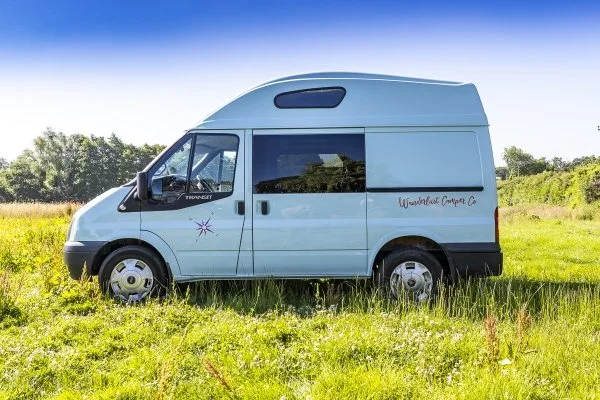
The DVLA’s decision is based heavily on whether the vehicle looks like a motor caravan from the outside. External features can include things like windows, an awning bar, high-top or pop-top roof, graphics on both sides, a separate door to the living area, motor caravan-style body shape or other clear visual signs that the vehicle is now a campervan.
You do not need all of these, but you need enough visual cues for an officer, at a glance, to say: “Yep, that’s a campervan.”
If the outside still looks like a standard panel van, the DVLA may not reclassify it — even if the interior is fully converted.
Do the interior requirements still matter?
The DVLA no longer inspects interiors for reclassification in the same way. Today, their decision is based mainly on external appearance, not internal fittings.
So even if you have a bed, kitchen, storage, insulation, gas and electrics, it may still not be reclassified unless the outside makes it obvious that it is a campervan.
Do I need to reclassify my van?
Not necessarily for insurance. You can insure a campervan correctly even if the DVLA logbook still says “van”, provided the insurer accepts the vehicle and you have declared the conversion accurately.
Some owners still like to reclassify because ferry companies, tolls, parking systems and resale listings may treat motor caravans differently. If you are considering it, always check the DVLA’s latest guidance so you know exactly what they expect. For full guidance, or to re-register your van, please refer to the DVLA’s website.
Choosing cover
What to consider when choosing campervan insurance
Good insurance is not just about getting the cheapest quote. It is about making sure the policy matches the campervan you have built and the way you actually plan to travel.
Agreed value or market value
A converted campervan can be hard to value because the finished vehicle may be worth more than a standard van. Ask how the insurer values self-builds and converted vehicles.
Contents and fitted equipment
Check whether the policy covers fitted furniture, camping equipment, tools, personal belongings, leisure batteries, solar panels, cooking kit and other items inside the vehicle.
Breakdown and recovery
Campervans can be heavier, taller or longer than standard vehicles. Make sure any breakdown cover recognises the vehicle’s size, weight and use.
European travel
If you plan to travel abroad, check the number of days included, countries covered, breakdown rules and whether longer trips need additional cover.
Security and storage
Where the campervan is kept overnight, whether it has alarms or trackers, and how it is secured may affect the quote and the policy terms.
Annual mileage and use
Be realistic about how often you will use the van. Weekend breaks, summer touring and long European trips can create very different mileage needs.
Cost and value
Will campervan insurance cost more?
It can, but not always. Prices depend on your van’s age, value, storage, annual mileage, driver history and the quality of the conversion.
A well-looked-after campervan with proper security often gets better rates than people expect. The important thing is that you are covered for what your van actually is, not what it used to be.
The whole point of a campervan is freedom: early-morning coastlines, misty mountains, sunsets at quiet park-ups and long, winding roads. With the right insurance, you get to enjoy all of that without worry. Your van is safe, your conversion is protected, and your adventures can unfold exactly the way you imagined.
Make sure that you are fully covered with converted campervan insurance, and you’ll be able to set off with real peace of mind.
Connect the cover to the trip
Insurance is only one part of campervan road trip planning
Once your campervan is insured correctly, the next step is making sure the vehicle, route, overnight stops and kit all work together.
Find the right vehicle
Compare car hire, campervan hire, motorhome hire, buying and conversions before choosing your setup.
Commission a campervan conversion
Plan layout, electrics, storage, budget, safety and build questions before choosing a converter.
Buy a motorhome or campervan
Think through ownership, storage, insurance, servicing, depreciation and realistic use.
Towing equipment and road trip tips
Useful if you tow a trailer, small load or extra touring equipment as part of your setup.
What to pack
Practical packing ideas for road trips, touring vehicles, campsites and flexible days out.
Browse road trip guides
Choose a UK route guide, then adapt the driving days around your campervan setup.
Road trip ideas
Routes that help you test your campervan setup
Once your vehicle is insured and road trip ready, choose a route that suits your confidence, vehicle size and touring style.
Coastal touring
Campervans suit scenic coastal routes where you want flexibility, outdoor time and a slower pace.
Big landscape touring
Longer routes help test comfort, storage, power, heating, navigation and overnight planning.
Compact touring
Shorter or more flexible road trips can help you work out what your campervan setup does well before a longer journey.
FAQs
Campervan conversion insurance FAQs
Common questions to check before insuring a self-build, converted van or campervan conversion.
Do I really need specialist campervan insurance for a self-build?
Specialist cover is usually recommended because standard van insurance may not cover your conversion work, fitted systems or interior equipment. Declaring your build properly helps ensure claims are handled as expected.
What happens if I do not declare all my modifications?
Not declaring modifications can affect cover and, in some cases, invalidate a policy. Insurers usually treat items like windows, pop-tops, leisure electrics, gas installs and fitted furniture as modifications.
Do I have to reclassify my van with the DVLA to get insured?
Not always. Some insurers can cover a conversion even if the V5C body type has not changed. Requirements vary by insurer, so it is worth checking early in your build.
Will campervan insurance cover long trips in Europe?
Many policies offer European cover, but terms vary. Common limits include a maximum number of days abroad per trip or per year, and different rules for breakdown cover.
Is it more expensive to insure an imported or left-hand drive campervan?
It can be, because valuation and parts can be different. Specialist insurers are often the best fit for imports and left-hand drive vehicles.
Does breakdown cover work the same for campervans?
Only if the policy covers your vehicle’s size and weight. Check height, length and weight limits carefully, especially if you have a high roof, long wheelbase or heavily fitted conversion.
Ready to plan the road trip around your campervan?
Once your converted campervan is insured, choose a route guide and plan realistic driving days, overnight stops, packing and vehicle-friendly places to visit.

Find a vehicle and road trip tips

Hire a campervan
Buying a Motorhome
Hire a Car
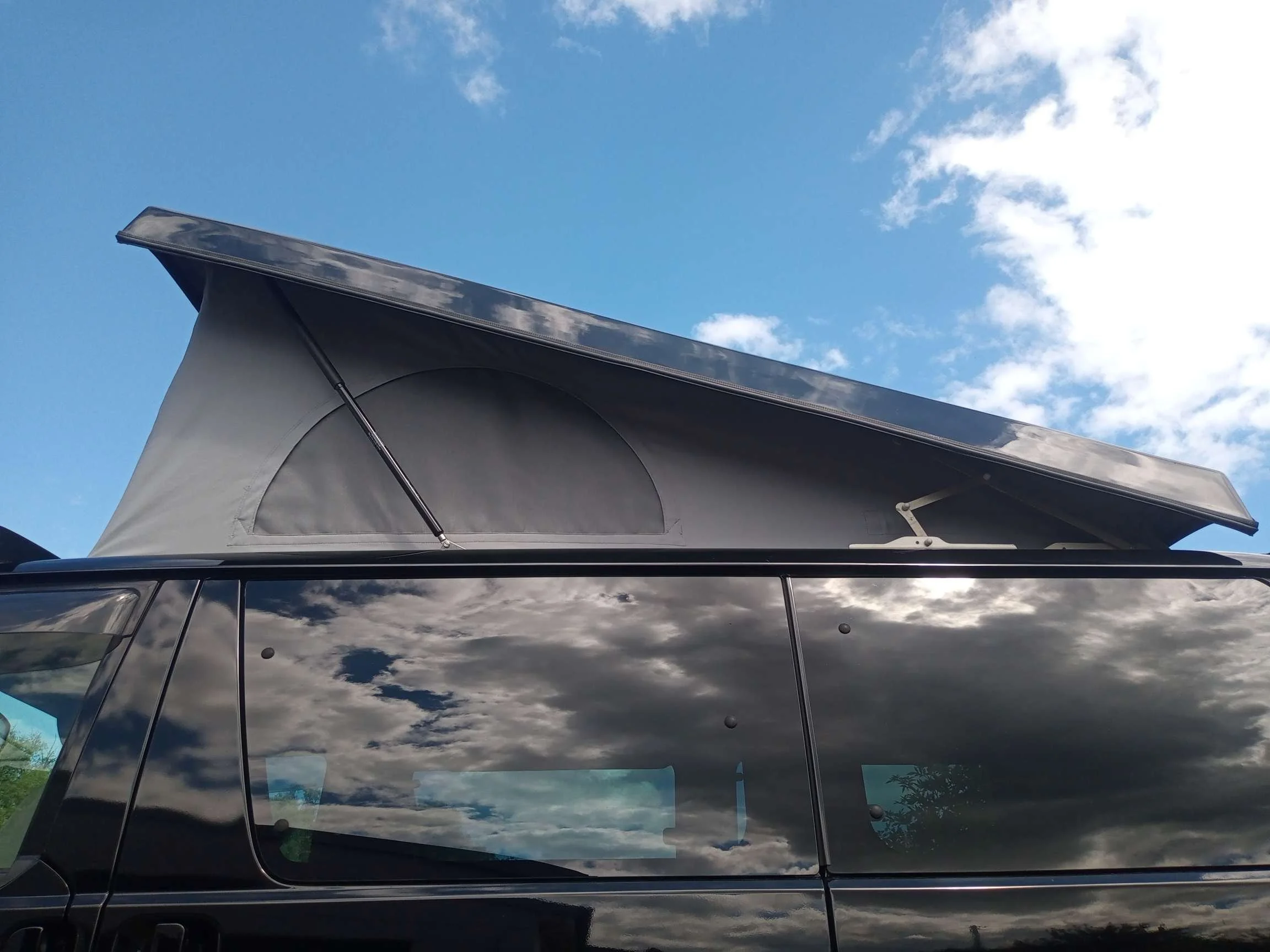
Commission a Campervan
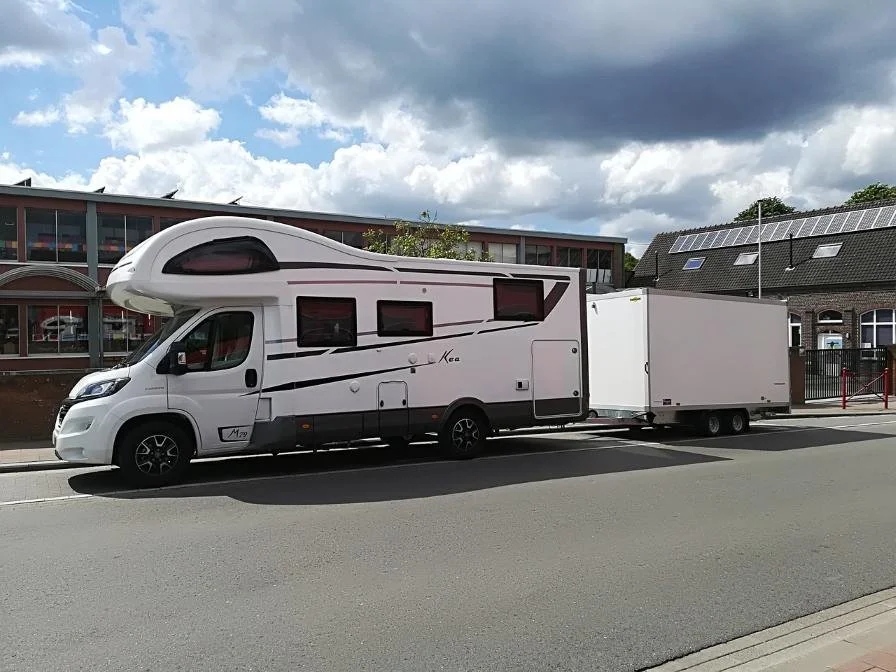
Equipment needed to tow

Top Tips for Buying a Motorhome: New or Second-Hand
Sat Navs for Motorhomes
Code of Conduct

Fuel Efficient Driving Tips

Route Planner Tips

Travelling to the UK?

Road Trip Inspiration
Stay-the-Night (Scotland) Scheme
How to Stay Cool in Warm Weather