
Wales Stargazing Road Trip Guide
Dark Skies Wales Road Trip: Stargazing in Snowdonia, Brecon Beacons & Elan Valley
Discover Wales’s dark skies on a flexible 213-mile road trip, linking 13 destinations and more than 30 viewing sites from South Wales through Bannau Brycheiniog, Mid Wales, the Elan Valley, Eryri and the Clwydian Range.
What this guide is
A flexible 213-mile stargazing road trip across Wales
This route links some of Wales’s strongest dark-sky landscapes into one south-to-north self-drive journey, combining night-sky viewing with scenic daytime exploration.
- Explore 213 miles (343 km) through South, Mid and North Wales.
- Discover 13 key destinations and more than 30 suggested night-sky viewing sites.
- Connect Dark Sky Reserves, a Dark Sky Park, Discovery Sites, mountain landscapes and practical daytime stops.
How the route is structured
Five clear stages from South Wales to the Clwydian Range
The journey moves from the Valleys into mountain country, remote Mid Wales, Eryri and finally the Clwydian Range, connecting very different landscapes for daytime touring and nights beneath darker skies.
Is this road trip right for you?
Perfect for night-sky adventures and slow scenic travel
Why this route works so well
The landscapes become wilder as the journey moves north
This is not simply a list of isolated stargazing car parks. The journey has a clear geographical progression from South Wales into increasingly remote mountain and upland landscapes.
You begin among the cultural and industrial layers of South Wales, before entering the open ridges and protected night skies of Bannau Brycheiniog. Mid Wales then becomes quieter and more spacious, with reservoirs, moorland and remote roads around the Elan Valley.
Further north, Eryri brings mountain lakes, high peaks and dramatic landscapes after dark, before the route finishes among the hills and viewpoints of the Clwydian Range.
Dark-sky landscapes across South, Mid and North Wales
Major Welsh mountain landscapes with recognised dark skies
Reservoirs, lakes and open horizons away from city glow
More than 30 suggested viewing locations across the route
Scenic daytime stops between night-sky sessions
Flexible pacing for weather, cloud cover and seasonal darkness
What you’ll experience
Along the Dark Skies Wales route
This journey combines some of Wales’s best-known mountain landscapes with quieter reservoirs, uplands, valleys and viewing locations for nights beneath darker skies.
Cardiff and the Valleys before the journey moves into darker country
Pen y Fan, Talybont Reservoir and Craig y Nos landscapes
Elan Valley reservoirs beneath wide Mid Wales skies
Rhayader, Machynlleth and remote central uplands
Betws-y-Coed, Dolgellau and the mountain landscapes of Eryri
Cadair Idris and dramatic mountain silhouettes after dark
Llangollen and Pontcysyllte heritage between dark-sky stops
Moel Famau and the Clwydian Range as the northern finale
Understand the night-sky network
Dark Sky Reserves, Parks & Discovery Sites
The route connects different types of recognised and promoted stargazing landscapes, helping you choose stops that suit your journey and confidence level.
Dark Sky Reserves
Large regions where high-quality night skies are supported by wider communities and active work to reduce light pollution.
Dark Sky Parks
Defined landscapes recognised for high-quality darkness, careful lighting and strong opportunities for night-sky observation.
Dark Sky Discovery Sites
Individual accessible locations promoted as useful places for stargazing and often a straightforward starting point for beginners.
More than a night-time itinerary
A scenic Wales road trip by day, a stargazing journey by night
Dark skies depend on weather, season and cloud cover, so this guide is deliberately designed as a complete road trip rather than a chain of night-only stops.
Between evenings beneath the stars, the route connects castles, waterfalls, reservoirs, mountain roads, walking landscapes, industrial heritage, historic towns and Welsh viewpoints.
How long you need
Choose your own pace
The route is flexible from a focused short journey to a slower two-week exploration. Extra time is particularly useful because good stargazing depends on darkness, weather and cloud cover.
3–4 days
Focus on one or two major dark-sky regions rather than attempting the complete south-to-north route.
5–7 days
Follow a highlights version with selected viewing sites and key daytime landscapes.
8–10 days
Travel at a more relaxed pace with flexibility for cloud, walking and slower exploration of Mid Wales.
10–14 days
Explore all five sections deeply with more opportunities to adapt nights around weather and visibility.
Inside your guide
What this guide gives you
A structured road-trip system designed to help you connect Wales’s dark-sky landscapes with daytime experiences, flexible planning and more than 30 viewing locations.


This is not simply a list of places where the sky might be dark. The guide gives the journey a clear structure while allowing you to adapt around weather, moonlight, seasonal darkness, daytime interests and the pace of your holiday.
Route highlights
Dark Skies Wales road trip highlights
Eight contrasting landscapes and experiences showing how the route moves from South Wales into mountain skies, remote Mid Wales, Eryri and the Clwydian Range.
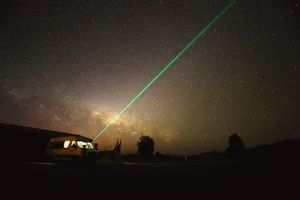
Milky Way Views
On suitable clear, dark nights, remote Welsh landscapes can reveal dense star fields and the sweep of the Milky Way.
Bannau Brycheiniog
Mountain ridges, reservoirs and open moorland create one of the route’s major night-sky landscapes.

Mid Wales
Sparse settlement, open uplands and quieter roads make central Wales one of the journey’s most atmospheric stages.
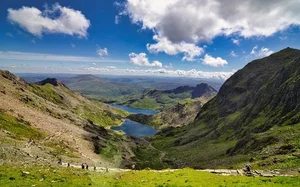
Elan Valley
Reservoirs, empty roads and wide horizons create a landscape where space and sky become the main event.
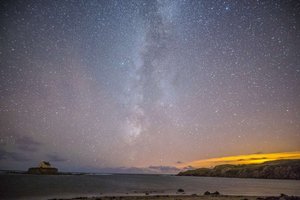
Dark Sky Discovery Sites
Accessible individual viewing locations can provide useful stopping points for shorter sessions and first-time stargazers.
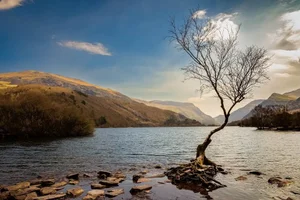
Mountain Nights
Lakes, valleys and mountain silhouettes give the northern section a completely different night-time atmosphere.
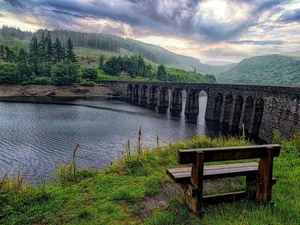
Quiet Viewing Places
Some of the journey’s most memorable moments come from simply stopping, waiting and allowing your eyes to adjust.
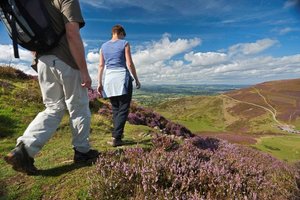
Clwydian Range
Open hills, elevated viewpoints and the landscapes around Moel Famau create a fitting northern conclusion.
Save with the complete Wales collection
Explore all five Wales road trip guides
Dark Skies Wales is included in the complete Wales as a Region collection, combining coast, mountains, night skies and border landscapes.
 Best value
Road trip bundle
Wales as a Region
The complete Wales collection — coast, mountains, dark skies and border country in one high-value set.
- North Wales Way Road Trip
- Wales’ West Coast Road Trip
- The Cambrian Way
- Forest of Dean & Wye Valley
- Dark Skies Wales Road Trip
Explore more of Wales
Other Wales road trip guides
Continue your journey with flexible digital guides covering North Wales, the western coast, the mountainous heart of the country and the Forest of Dean and Wye Valley.
Helpful trip planning links
Continue planning your Wales adventure
Explore Wales-focused inspiration, then use practical planning resources to shape the rest of your self-drive holiday.
Discover more about Wales
Beautiful Places in Wales Explore scenic landscapes and destination ideas for a wider Wales road trip. Hidden Gems in Wales Find quieter places and less obvious stops beyond the best-known destinations. Wales Castles Road Trip Add historic landscapes and castle-rich journey ideas to a wider Wales holiday. Explore the Wales Way See how Wales’ national touring routes can help shape a bigger self-drive journey. Best Places to Visit on a Wales Road Trip Explore more destination ideas for building a wider holiday around Wales. Best Beaches in Wales Add coastal scenery and daytime stops to a longer journey around the country.Prepare for your trip
Road Trip Planning Hub Get broader advice before choosing your route, pace and overnight stops. Hire a Campervan or Motorhome Find a vehicle for your UK road trip before choosing your route. UK Campsites, Holiday Parks & Glamping Browse overnight ideas for road trips, campervans and touring holidays. Heritage Memberships Compare memberships that may help with castles, gardens and historic places. What to Pack for a UK Road Trip A practical checklist for preparing your car, bags and road trip essentials. Travelling to the UK? Useful guidance for overseas visitors planning a UK self-drive holiday.Dark Skies Wales FAQs
Questions about stargazing and the guide
Quick answers for travellers planning a self-drive journey through Wales’s dark-sky landscapes and viewing sites.
How long is the Dark Skies Wales road trip?
The route covered by this guide is approximately 213 miles (343 km), travelling from South Wales through mountain and upland landscapes to the Clwydian Range in North Wales.
How many stargazing locations are included?
The guide covers 13 key destinations and more than 30 suggested viewing sites across South, Mid and North Wales.
How many days do I need?
The journey is flexible from around 3 days for a focused regional trip to approximately 10–14 days for a deeper route. Extra time helps because clear night skies cannot be guaranteed.
What are the five main route sections?
The route is structured into South Wales & the Valleys, Bannau Brycheiniog / Brecon Beacons, Mid Wales & Elan Valley, Eryri / Snowdonia and the Clwydian Range.
What is a Dark Sky Reserve?
A Dark Sky Reserve is a large recognised region where high-quality night skies are supported by active efforts to protect darkness and reduce unnecessary light pollution.
What is a Dark Sky Park?
A Dark Sky Park is a defined landscape recognised for the quality of its night skies and efforts to protect darkness through responsible lighting and management.
What is a Dark Sky Discovery Site?
A Dark Sky Discovery Site is an individual accessible location identified as a useful place for observing the night sky. These can be particularly helpful for beginners.
Is the route only worth doing at night?
No. The guide is designed as a complete scenic Wales road trip. By day, the route includes mountain landscapes, reservoirs, walking, castles, historic towns, viewpoints and cultural stops.
Can the guide guarantee clear skies or star visibility?
No. Stargazing depends on cloud cover, weather, moonlight, season and local conditions. The flexible structure helps you adapt the journey, but clear skies and specific astronomical sights can never be guaranteed.
Is this a fixed itinerary?
No. You can follow the full route, focus on one dark-sky region or adapt the journey around weather, accommodation, walking and daytime interests.
Is the guide suitable for campervans and motorhomes?
The guide is designed for independent self-drive travellers using cars, campervans and motorhomes. Always check current road, access, parking, overnight and vehicle restrictions for your specific vehicle before travelling.
What do I get when I buy the guide?
You receive online digital access to the structured road trip guide, including route sections, destination content, planning support, maps, viewing-location ideas, daytime highlights and curated references. Access lasts for 12 months from purchase.
Can I buy Dark Skies Wales as part of a bundle?
Yes. Dark Skies Wales is included in the Wales as a Region collection alongside the other four Wales road trip guides.
Ready to discover Wales after dark?
Follow 213 miles through 13 destinations and more than 30 viewing locations, connecting mountain landscapes, remote uplands, reservoirs and some of Wales’s most memorable night skies.
Buy the Dark Skies Wales guide — £9.99✓ Digital travel guide ✓ 12 months' access ✓ No app download required ✓ Instant access after purchase
✓ Ideal for cars, motorhomes & campervans ✓ Covers road trips from 3–14+ days