
Hull heritage walk
Hull Heritage Walk: Maritime History, Old Town & City Stories
A flexible heritage trail through Hull’s maritime past, Old Town streets, historic buildings and waterfront landmarks — with ideas for turning the walk into a wider Yorkshire road trip stop.
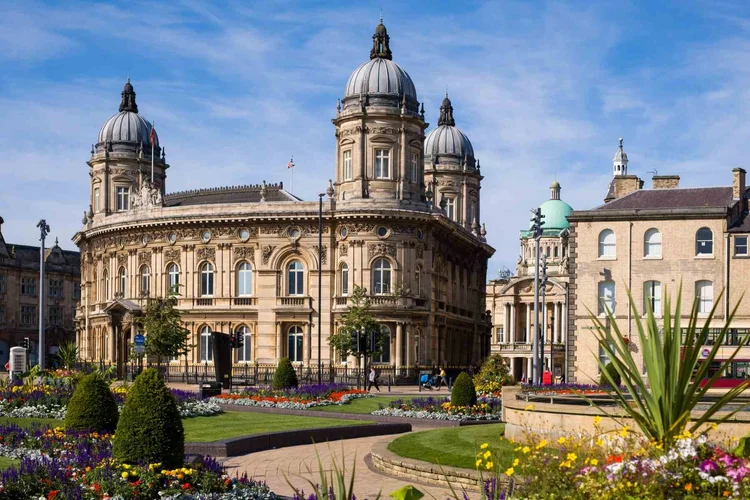
A city shaped by the sea
Why Hull works so well as a heritage walk
Hull’s history is unusually visible at street level. Maritime trade, whaling, fishing, religious reform, abolition, poetry and dockside regeneration all sit within a relatively compact city centre.
That makes Hull particularly rewarding on foot. Rather than racing between isolated attractions, you can use the Old Town and waterfront as a thread, stopping at buildings, museums and public spaces that reveal different parts of the city’s story.
Quick answer: what should a Hull heritage walk include?
A strong Hull heritage walk should combine the Maritime Museum area, Hull Minster, the Old Town, Wilberforce House, the Humber Street and marina area, and at least one stop that reflects the city’s wider cultural story. Allow half a day for the main sights or a full day if you want museums, lunch and slower exploration.
The bigger story
Why Hull’s heritage matters beyond the waterfront
It is easy to reduce Hull to ships, docks and fishing, but that only tells part of the story. The city’s maritime position shaped trade, migration, wealth, danger and political debate, while its streets also became the setting for religious life, reform, abolition and later cultural reinvention.
That is what makes a Hull heritage walk more interesting than a simple list of old buildings. Each stop adds a different layer: the scale of maritime industry, the civic importance of the Old Town, the moral and political legacy associated with William Wilberforce, and the way former dockside areas have been adapted for modern city life.
Maritime power
Hull’s relationship with the Humber and the North Sea shaped the city’s economy, identity and built environment.
Social reform
The Wilberforce story places Hull within a much wider national and international history of abolition and political change.
Living heritage
Old commercial and dockside areas still form part of everyday city life rather than sitting apart as a museum quarter.
Cultural identity
Literature, public art and later regeneration broaden the story beyond industry and explain how Hull continues to reinterpret itself.
For road trippers, that variety is a real strength. You can arrive expecting maritime history and leave with a much broader sense of how a port city connects national history, local identity and modern regeneration.
Best for
Maritime and social history
Ideal pace
Half day to full day
Travel style
Park once, explore on foot
Easy extension
Yorkshire road trip
More than one official route
Think of this as a flexible Hull heritage trail
Hull has several distinct heritage stories rather than one single reason to visit. The most useful approach is to build a walk around the themes that interest you most: maritime history, the Old Town, William Wilberforce, religious heritage, public art or the regenerated waterfront.
The stops below work as a practical framework rather than a rigid turn-by-turn route. That gives you room to adapt the day around opening times, weather and how long you want to spend inside museums.
A practical route shape
How the heritage walk can flow through the city
You do not need to follow a rigid sequence, but the day works particularly well when the story moves from civic Hull into the Old Town and then towards the waterfront.
- Begin around the Maritime Museum area to establish Hull’s relationship with the sea and understand the scale of its maritime past.
- Move towards Hull Minster and the Old Town, where the city’s historic street pattern and civic architecture become more apparent.
- Continue to Wilberforce House to add social and political history to the maritime narrative.
- Head towards Humber Street and the Fruit Market for a contrast between older commercial Hull and newer creative uses of the waterfront.
- Finish around the marina and Spurn Lightship, where the story reconnects with navigation, the Humber and the wider estuary.
This shape gives the walk a sense of progression rather than turning it into a checklist. It also makes it easier to stop for lunch, add a museum visit or shorten the route if weather or opening times change.
Choose by interest
Which parts of Hull’s heritage should you prioritise?
For maritime history
Prioritise the Maritime Museum area, marina and Spurn Lightship, then use the Old Town to understand the city that grew around trade and the waterfront.
For social history
Give more time to Wilberforce House and the surrounding Old Town, where political, civic and domestic stories sit close together.
For architecture and streetscapes
Spend longer around Hull Minster and the historic core, looking beyond individual landmarks to the relationship between streets, buildings and former commercial activity.
For modern regeneration
Use Humber Street and the Fruit Market as a contrast to the older city, showing how dockside areas can evolve without losing their connection to place.
Families, first-time visitors and anyone short on time may prefer a broad mix of all four themes. Repeat visitors can build a more focused walk around one strand and spend longer inside museums or heritage buildings.
1. Start with Hull’s maritime story
Hull’s identity was shaped by its relationship with the sea. The Maritime Museum area is a natural starting point because it places the city’s whaling, fishing and trading history at the centre of the day.
Even if you are not visiting every museum interior, this part of the city helps explain why docks, shipping, navigation and waterfront trade matter so much to Hull’s wider story.
2. Hull Minster and the Old Town
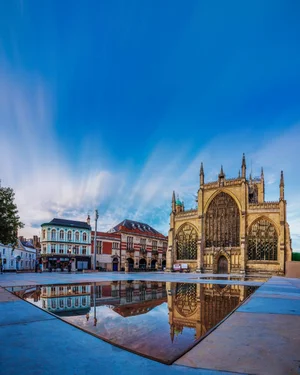
Hull Minster anchors a part of the city where medieval street patterns, historic buildings and later commercial growth sit close together. It is worth slowing down here rather than treating the Minster as a single photo stop.
The surrounding Old Town is where the walk begins to feel layered: architecture, civic history and former trading streets make more sense when explored on foot.
3. Wilberforce House and Hull’s social history
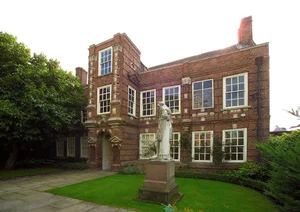
William Wilberforce gives Hull a major place in the history of abolition. Visiting this part of the Old Town adds an important human and political dimension to a walk that might otherwise focus too heavily on ships and docks.
It is also a reminder that Hull’s heritage is not one story. Maritime wealth, trade, reform and social change overlap throughout the city.
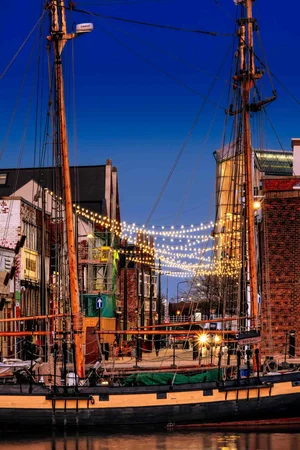
4. Humber Street and the Fruit Market
Humber Street shows how former commercial and dockside areas can take on a new role without losing their connection to the waterfront. This is a useful place to pause for food, independent businesses and a change of pace.
For a heritage walk, the contrast matters: it shows Hull as a living city rather than a collection of preserved historic sites.
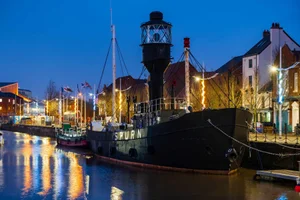
5. Spurn Lightship and Hull Marina
The marina brings the maritime theme back into view. The Spurn Lightship is an especially distinctive reminder of navigation, hazards and the importance of the Humber estuary to shipping.
This section works well later in the walk, when the city centre story can reconnect with open water and the wider estuary landscape.
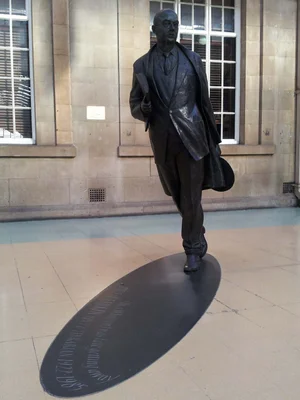
6. Add Philip Larkin and Hull’s cultural story
Hull’s identity is not only maritime. Philip Larkin’s long association with the city adds a literary strand, while the wider cultural story helps explain why Hull’s heritage continues to be reinterpreted rather than simply preserved.
Including one cultural stop makes the walk feel broader and more representative of the city as a whole.
Why it works on a road trip
Hull is strongest as a meaningful stop, not a drive-through city
Some road trip destinations are best experienced from behind the wheel. Hull is not one of them. The city makes more sense when you park once and spend time on foot, because the relationship between the Old Town, museums, civic spaces and waterfront is part of the experience.
That makes Hull useful within a wider Yorkshire itinerary. It can provide a day of concentrated history between longer countryside drives, or act as a cultural contrast to York, the North York Moors or the Yorkshire coast.
The key is not to squeeze Hull into a packed driving day. Give the city enough time to reveal its different layers, then continue the road trip with a clearer sense of how East Yorkshire fits into the wider story of the region.
Fit Hull into a bigger trip
When does a visit to Hull make sense on a UK road trip?
Hull does not need to be the final destination to justify a stop. Its strongest road trip role is often as a deliberate half-day, full-day or overnight break within a longer journey — especially when you want history and culture between longer stretches of countryside or coast.
On the way to the East Yorkshire coast
Hull can work well before continuing towards the Holderness coast and wider East Yorkshire. A heritage walk gives the journey an urban and maritime chapter before the landscape opens out into smaller coastal places and more exposed scenery.
As part of a wider Yorkshire trip
Pair Hull with York or the North York Moors for a strong contrast: port-city history and waterfront heritage in Hull, then medieval streets, open moorland and coast further north and west.
As a break on a longer northbound journey
For travellers heading towards Northumberland or Scotland, Hull can be used as a purposeful stop rather than simply adding another motorway break. It works best when the route already brings you through eastern or central England and you have time for at least half a day.
Hull can also suit a slower multi-stop journey through eastern England, particularly when combined with other historic towns, maritime places and coast-focused stops. The city gives the itinerary a different texture: less about scenic driving for its own sake, more about understanding the places that Britain’s roads connect.
Our practical tip: avoid squeezing Hull into a day that already includes several hours of driving. Either arrive the evening before and explore the next morning, or make Hull the main daytime stop before continuing later. The city is far more rewarding when you have time to park once and walk.
How to use Hull as a road trip stop
Hull works particularly well as a park-once city stop within a wider Yorkshire journey. Rather than driving between individual city-centre attractions, leave the vehicle and explore the compact heritage core on foot.
For a wider trip, consider pairing Hull with the Ultimate Yorkshire Road Trip, or continue towards York and the North York Moors for a very different mix of historic city, moorland and coast.
Keep exploring
More heritage and road trip inspiration
Heritage journeys
Continue with other history-led places and stories that work well as part of a UK road trip.
Plan a wider journey
Use Hull as one stop within a longer regional or UK road trip.
Planning questions
Hull heritage walk FAQs
How long does a Hull heritage walk take?
Allow around half a day for a focused city-centre walk and a full day if you want to visit museums, stop for lunch and explore the Old Town and waterfront at a slower pace.
What are the best heritage stops in Hull?
Strong stops include the Maritime Museum area, Hull Minster, the Old Town, Wilberforce House, Humber Street, Hull Marina and the Spurn Lightship. Add cultural stops according to your interests.
Is Hull Old Town easy to explore on foot?
Yes. Many of Hull’s central heritage sights are close enough to combine on foot, which makes parking once and walking more practical than driving between individual attractions.
Is this an official Hull heritage trail?
No. This page offers a flexible self-guided framework using major heritage areas and landmarks. Check current local visitor information, opening times and any official trail maps before travelling.
Can Hull be included in a Yorkshire road trip?
Yes. Hull can work well as a city and maritime heritage stop before continuing towards York, the North York Moors or other parts of Yorkshire.