
Towing and road trip planning
Equipment and planning tips for towing a caravan, trailer or small touring load
Towing can make a UK road trip more flexible, but it also changes how you plan your route, pack your vehicle and approach everyday driving.
Whether you are towing a caravan, trailer tent, small trailer or extra outdoor kit, a few careful checks before you leave can make the journey feel calmer, safer and easier to enjoy.
Quick answer: before towing on a UK road trip, check your vehicle’s towing capacity, trailer weight, tyres, mirrors, lights, coupling, breakaway cable, loading balance, insurance and route suitability. Then plan slower days, wider roads and easier overnight stops rather than relying only on mileage.
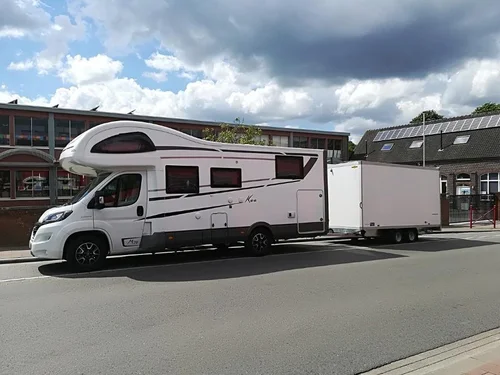
Before you tow
The essential equipment checklist
Good towing starts before the engine is switched on. Use this as a practical reminder before a road trip, especially if you have changed vehicle, trailer, caravan, load or route.
Vehicle and trailer checks
- Check your vehicle’s towing capacity and nose weight.
- Check the caravan or trailer’s plated weight and actual load.
- Inspect tyres, pressures, tread and wheel nuts.
- Check lights, indicators, brake lights and number plate visibility.
- Make sure the coupling, hitch lock and breakaway cable are correctly fitted.
- Fit suitable towing mirrors if your rear view is restricted.
Road trip kit worth carrying
- Wheel chocks, levelling ramps or blocks for overnight stops.
- A tyre pressure gauge and portable inflator.
- Basic tool kit, torch, gloves and spare fuses.
- High-vis jacket and warning triangle where appropriate for your journey.
- Extension leads, water containers or waste kit if you are touring with a caravan.
- Printed or offline route notes in case signal is weak.
Tip: do a short local towing test before a long holiday if you are using a new trailer, new tow car or a different loading setup.
Load and balance
Loading, balance and visibility
Many towing problems start with how the load is packed. A trailer or caravan that is poorly balanced can feel unstable, especially on faster roads, in side winds or when being overtaken by large vehicles.
Keep heavy items low
Pack heavier items low down and close to the axle where possible. Avoid putting heavy kit high up, right at the back, or loose inside the trailer or caravan.
Secure everything
Use straps, storage boxes and internal cupboards properly. Even small items can shift during braking, cornering or uneven rural roads.
Check your rear view
If you cannot see clearly behind and along both sides, fit suitable towing mirrors. Visibility makes reversing, lane changes and narrow-road driving much easier.
Route planning
Planning a road trip when you are towing
A towing route is not just a normal route with a trailer attached. You need to think about turning space, overnight stops, fuel stops, car parks, gradients, ferries and how tiring the drive will feel.
Choose practical roads, not just scenic ones
Scenic roads can be wonderful, but narrow lanes, tight village centres, steep climbs and limited passing places can be stressful when towing. Build your route around sensible main roads, then use smaller roads selectively where they make sense.
- Check road width and access before committing to rural detours.
- Use satellite view or street-level imagery for awkward car parks.
- Allow extra time for reversing, turning and rest stops.
Plan stops before you need them
It is easier to tow calmly when you already know where you can stop. Look for service areas, larger car parks, caravan-friendly sites and overnight places that do not require difficult access.
- Check height barriers and parking restrictions.
- Book popular campsites early in busy periods.
- Keep food, water and layers accessible without unpacking everything.
Build the route around realistic drive times
When towing, mileage alone can be misleading. A shorter route with better roads, easier parking and a calmer arrival can be much more useful than a longer route with awkward detours.
Read our road trip planning guide to shape a route with better pacing, stops and overnight logic.
What are you towing?
Caravan, trailer tent or small trailer?
The right setup depends on what you are towing. A caravan, trailer tent, bike trailer, small luggage trailer or boat trailer all change the journey in different ways.
Caravans
Caravans give you a proper touring base, but need careful attention to nose weight, tyre age, payload, pitch access and route suitability.
Trailer tents
Trailer tents can be lighter and easier to store than caravans, but still need the same checks around tyres, lights, coupling, loading and weatherproof packing.
Small trailers
Small trailers are useful for camping gear, bikes or outdoor kit, but it is still easy to overload them or pack them unevenly. Check limits before you leave.
Route inspiration
Useful road trips to plan with extra care
Some road trips are easier with a car alone, while others can still work well with a caravan or trailer if you plan the overnight bases carefully. Use the guides for route inspiration, then adapt the driving days around your vehicle setup.
Classic Cotswolds Road Trip
Good for base-style touring, village visits and careful pacing.
Norfolk Broads & Coast
A flatter region where base planning and coastal days can work well.
Northumberland Castles & Coast
Wide landscapes and coastal bases, with route choices to consider carefully.
Wales Coastal Way
Beautiful touring country, best planned around suitable overnight stops.
Lake District Road Trip
Plan bases carefully and avoid the narrowest roads when towing.
Browse all road trip guides
Choose a route, then adapt it around vehicle size and overnight stops.
Avoid the common problems
Common towing mistakes to avoid
Most towing issues come from rushing, overloading or assuming a route will be easy because it looks short on a map.
Trying to cover too much distance
Towing makes driving more tiring. A road trip with shorter driving days, earlier arrivals and pre-planned stops will usually feel much more enjoyable than a route built around maximum mileage.
Ignoring parking and turning space
Attractions, beaches, viewpoints and small towns can have limited parking. Check access in advance, especially if you are towing in peak season or visiting compact historic places.
Packing the trailer last-minute
Last-minute packing often leads to uneven weight distribution. Leave time to weigh, repack and secure items before the journey begins.
Forgetting the everyday basics
Fuel stops, toilet stops, supermarket access, campsite arrival times and wet-weather plans all matter more when your vehicle setup is longer or harder to manoeuvre.
Towing FAQs
Towing road trip FAQs
Simple answers to common questions about towing a caravan, trailer tent or small trailer on a UK road trip.
What equipment should I check before towing?
Check the tow bar, coupling, breakaway cable, lights, indicators, tyres, tyre pressures, wheel nuts, mirrors, number plate, load security and the vehicle and trailer weight limits before you leave.
How should I pack a trailer or caravan?
Keep heavy items low and secure, avoid overloading the rear, check payload limits and make sure loose items cannot move while driving.
Do I need towing mirrors?
If your rear view is restricted by the caravan or trailer, you should fit suitable towing mirrors so you can see clearly behind and along both sides of your setup.
How should I plan a towing route?
Plan around wider roads, easier parking, realistic drive times and suitable overnight stops. Avoid relying only on the shortest route shown on a map.
Can I use Uncover Britain road trip guides when towing?
Yes, but adapt the route around your vehicle size, towing experience and overnight plans. Use the guides for structure and inspiration, then choose practical roads and bases that suit your setup.
Planning a road trip with a caravan or trailer?
Choose a route guide, then adapt the driving days around your vehicle size, towing setup, overnight stops and pace of travel.