
Travelling to the UK
Travelling to the UK from Abroad: Transport, Arrival Routes & Road Trip Planning
Planning a UK road trip from overseas? Start with entry requirements, how you will arrive, where you will collect a vehicle, whether rail or coach travel can help with the first or last leg, and which region makes sense from your arrival point.
This guide helps you compare flights, ferries, Le Shuttle, Eurostar, UK trains, coach travel, car hire, campervan hire, heritage passes and road trip guides before choosing your route.
Quick answer: the best way to travel to the UK for a road trip depends on your entry requirements, arrival point, vehicle choice, season and route. Choose your airport, ferry port, rail hub or vehicle collection point around the region you want to explore, then keep the first and last travel days realistic.

Before you book
Visas, Entry Requirements & Electronic Travel Authorisation
Before planning the scenic route, check whether you can enter the UK as a visitor, whether you need a visa, and whether an Electronic Travel Authorisation applies to your nationality and travel dates.
Check if you need a visa
Entry requirements depend on your nationality, length of stay and reason for travel. Many leisure visitors can come to the UK for tourism, but some travellers need to apply before departure.
Check ETA requirements
Electronic Travel Authorisation rules are being introduced for some visitors. If an ETA applies to you, it needs to be arranged before you travel rather than when you reach the airport or border.
Check passport and border details
Make sure your passport, travel documents, onward plans, insurance and accommodation details are in order before you build an ambitious itinerary.
Arrival hubs
Choose Your Arrival Point: Airports & Ferry Ports That Shape a Great Road Trip
Where you enter the UK matters more than many visitors expect. Your airport, ferry port, Channel crossing or rail hub can save hours, reduce backtracking and make the first day feel calmer.
Heathrow, Gatwick, London airports, Dover, Folkestone, Newhaven & Harwich
London Heathrow and Gatwick are major gateways for long-haul visitors and can work well for London, Kent, Sussex, Wiltshire, the Cotswolds, Norfolk and some South West routes.
Dover and Folkestone suit short Channel crossings, Newhaven can work for Sussex and Normandy routes, and Harwich is useful for North Sea ferry arrivals, especially if travelling from the Netherlands.
Portsmouth, Poole, Plymouth, Bristol, Birmingham & Cardiff
Portsmouth, Poole and Plymouth can suit travellers arriving by ferry from France or Spain, especially for the South Coast, Cornwall, Dorset, Wiltshire, the Cotswolds and wider South West.
Bristol, Birmingham and Cardiff can also be useful arrival points for Wales, the Midlands, the Cotswolds, the Forest of Dean and western England.
Manchester, Liverpool, Hull, Heysham & Newcastle/North Shields
Manchester is often a better airport than London for the Peak District, Lake District, Yorkshire, Northumberland, north Wales and some Scotland routes.
Liverpool, Heysham, Hull and Newcastle/North Shields may also shape the route if you are arriving by ferry, travelling from Ireland, the Netherlands, or connecting into northern England and Scotland.
Edinburgh, Glasgow, Aberdeen, Inverness, Glasgow Prestwick & Cairnryan
Edinburgh and Glasgow are useful for Scotland, the Borders, Fife, the west coast and onward routes to Skye or the Highlands. Aberdeen can suit the north east, while Inverness may reduce driving for Highland routes.
Glasgow Prestwick and Cairnryan can be useful depending on flight availability, Irish Sea ferry routes and journeys into south west Scotland.
Holyhead, Fishguard, Pembroke, Cardiff, Bristol, Manchester & Liverpool
Holyhead is useful for north Wales and routes from Ireland. Fishguard and Pembroke can suit west Wales and south west Wales. Cardiff and Bristol can work for south Wales, while Manchester and Liverpool can work for north Wales.
Choose the hub that reduces the first and last drive
The best arrival point is not always the cheapest flight or most familiar airport. Choose the hub that supports your first overnight stop, vehicle collection, ferry timing and road trip region.
Timing your trip
When Is the Best Time to Visit the UK?
The best time to visit depends on your route, interests, budget and tolerance for crowds. For road trips, daylight, attraction opening times, ferry frequency, accommodation availability and weather flexibility all matter.
Spring
Spring can be excellent for gardens, coast, countryside, blossom, quieter towns and heritage visits. Weather is changeable, but daylight improves and popular areas are often calmer than in summer.
Summer
Summer gives the longest daylight and the widest range of opening times, but it can also mean higher prices, busier roads, fuller car parks and more pressure on campsites and coastal towns.
Autumn
Early autumn often balances pleasant conditions with fewer crowds. It can be particularly good for heritage towns, walking, gardens, countryside drives and slower scenic routes.
Winter
Winter can be atmospheric for coast, castles, cities and dark sky routes, but daylight is shorter, some attractions reduce opening hours and rural or mountain roads need more flexibility.
Transport choices
Compare the travel options around your road trip
These links are included as planning tools rather than a booking checklist. Use them to compare routes, timings and vehicle choices before fixing your itinerary.
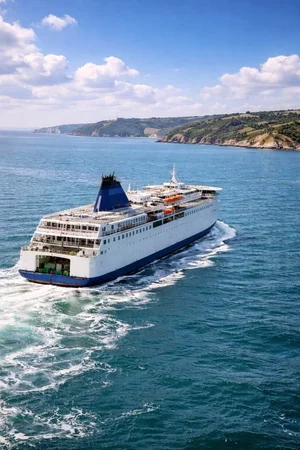
Bring your own car, campervan or motorhome
Travelling to the UK by ferry can be more relaxed than flying if you are bringing your own vehicle. It allows you to arrive ready to start the road trip, with routes from France, Spain, Ireland and northern Europe.
Crossings range from short Channel routes to longer or overnight sailings with cabins, restaurants and onboard facilities.

Arrive by Eurostar or use trains for the big jumps
Eurostar connects mainland Europe directly to London St Pancras International, arriving in the heart of the city rather than at an airport.
Direct routes run from Paris, Brussels, Amsterdam and Lille, with onward rail connections across France, Belgium, the Netherlands and Germany. UK trains can then help with city-to-city journeys before or after the self-drive section.
Save on rail and coach travel
Railcards, BritRail passes and coachcards can be useful if you are making several journeys. For simple one-off journeys, advance tickets may still be better value.
Use coaches for budget travel and airport transfers
Coaches are slower than trains but often cheaper. They can work well for airport transfers, direct city-to-city routes and backup journeys when train prices are high.
Travel by rail in Wales or Scotland
Trains can help reduce long drives in Wales and Scotland, especially if you want to combine city arrival points with scenic self-drive sections.
Hire a car, campervan or motorhome after arrival
Vehicles can be picked up from airports, cities and major transport hubs. One-way hire can help point-to-point trips, while campervans combine transport and accommodation in one.
A small car suits narrow lanes and compact towns; a campervan gives flexibility but needs more planning around roads, fuel, parking, supplies and overnight stops.
Rail travel
Travelling the UK by Train: Rail Networks, Passes & When It Makes Sense
Trains can be a very useful part of a UK road trip, even if you do not plan to travel entirely by rail. They are often best for city-to-city journeys, airport transfers, reaching a starting region, or avoiding a long first or last drive.
When trains work well
Rail travel is useful between major cities such as London, York, Edinburgh, Glasgow, Manchester, Cardiff, Birmingham, Bath and Bristol.
It can also work well if you want to arrive in one city, spend a night or two there, and then collect a hire car or campervan outside the busiest traffic areas.
When trains are less convenient
Trains are less useful for remote villages, coastal viewpoints, castles, rural gardens, national parks and flexible detours.
Many scenic places still need a car, campervan, local bus, taxi, walk or cycle connection from the nearest station.
Railcards, passes and advance tickets
Railcards, BritRail passes and advance tickets can all save money, but the best option depends on your age, nationality, route and how many journeys you plan to make.
If you are only making one or two journeys, advance tickets may be enough. If you are making several longer journeys, a pass or Railcard may be worth comparing.
Luggage matters
UK trains can be busy, and luggage space is not unlimited. Travelling with large cases, child seats, pushchairs, mobility equipment or camping gear can make rail journeys less relaxed.
If you plan to combine trains with vehicle hire, check how easy the transfer is from the station to the hire location.
Train plus car hire can work well
A train-and-car combination can reduce long motorway drives. For example, you might take the train to York, Bath, Edinburgh, Cardiff or Manchester, then hire a car for the rural road trip section.
This can be a calmer option if you are arriving from overseas and do not want to drive immediately after landing.
Coaches can fill the gaps
Coaches are usually slower than trains but can be useful for airport transfers, budget travel and some direct city-to-city routes.
They can also be a backup option where train fares are high or where a coach goes directly to your destination.
Match arrival to region
Which UK road trip region fits your arrival point?
Once you know how you are arriving, choose a road trip that reduces unnecessary backtracking and gives you a calmer first day.
Arriving in London or the South East
London airports, Eurostar and Channel crossings can work well for southern England routes such as Kent, Sussex, Wiltshire, the Cotswolds, Norfolk or Cornwall, depending on how much time you have.
Arriving in Manchester or northern England
Manchester can be a practical starting point for the Peak District, Lake District, Yorkshire, Northumberland, North Wales and some routes into Scotland.
Arriving in Edinburgh or Glasgow
Scottish airports can reduce long drives if your main aim is Edinburgh and the Borders, Fife, the west coast, Skye or the North Coast of Scotland.
Arriving for Wales
Cardiff, Bristol, Manchester, Liverpool, Birmingham and ferry routes from Ireland can all work depending on whether you are exploring south Wales, north Wales, the coast or the Cambrian Way.
Travelling to islands
Jersey, the Isle of Man, Skye, Mull, Orkney and other island routes need extra planning around ferries, flights, weather, vehicle access and overnight stays.
Not sure where to start?
Start with the route style and number of days you have. Then choose the arrival airport, ferry port or rail hub that makes the trip simpler.
First day planning
Keep your first UK road trip day simple
The first day is where many overseas visitors underestimate the practical details: left-side driving, roundabouts, luggage, vehicle collection, airport transfers, late ferries and unfamiliar roads.
First-day reality check
- Do not plan a long scenic driving day immediately after a long-haul flight.
- Allow time for immigration, baggage, transfers and vehicle collection.
- Keep your first overnight stop close enough to arrive calmly.
- Build in time to adjust to driving on the left.
- Check whether your route includes narrow rural roads, tolls, ferries or city driving.
Small practical details that make a big difference
- Download or save maps before rural sections.
- Check parking apps and payment methods before arrival.
- Plan fuel or charging stops on remote and island routes.
- Allow time for supermarket stops, food, luggage and rest breaks.
- Have an indoor option for wet-weather days.
Driving in Britain
Driving on the Left in the UK: What It Feels Like
Driving in the UK can be very rewarding, but overseas visitors often underestimate how tiring the first few hours can feel. It is not just about being on the left-hand side of the road; it is also about roundabouts, narrow lanes, unfamiliar road signs, parking, junctions and judging the width of the vehicle.
The first hour takes concentration
Most visitors adapt quickly, but the first hour can feel mentally busy. You are checking mirrors from a different angle, positioning the car differently in the lane and thinking more carefully at junctions and roundabouts.
Keep the first drive short, avoid peak city traffic where possible and choose an easy first overnight stop rather than heading straight into a long scenic route.
Roundabouts can feel unfamiliar
Roundabouts are common in the UK. Traffic moves clockwise, and you normally give way to traffic already on the roundabout from your right.
Larger, multi-lane roundabouts can be confusing if you are tired, so allow extra time when leaving airports, ferry ports or busy towns.
Narrow roads slow everything down
Rural lanes, coastal roads, stone walls, hedges, parked cars, tractors and passing places can make a short distance take longer than expected.
This matters even more in a campervan or motorhome, where height, width, reversing space and parking access need more thought.
Parking is part of the plan
Parking can be one of the most stressful parts of a UK road trip, especially in historic towns, coastal villages, national parks and popular attractions.
Check car park locations, height restrictions, payment methods and walking distances before assuming you can stop quickly.
Map times can be optimistic
A route may look short on a map but feel slow in real life. The UK has motorways and fast A-roads, but many of the most scenic places are reached by slower rural roads.
Build in time for fuel, cafés, viewpoints, comfort breaks, traffic, parking and places you want to linger.
Make the first day easy
If you are arriving after a flight, ferry or Eurostar journey, do not make the first day your hardest driving day.
A short transfer, an easy overnight stop and a relaxed first evening will usually make the whole trip feel better.
Heritage add-on
Visiting several historic sites in England?
If your UK road trip includes castles, abbeys, ruins, Roman sites, gardens or prehistoric places, a heritage membership can sometimes be better value than buying separate tickets at every stop.

English Heritage membership
English Heritage looks after over 400 historic places across England, including Stonehenge, Tintagel Castle, Hadrian’s Wall, Dover Castle and Whitby Abbey — many of which feature across our road trips.
15% off Annual Memberships with code AFFEH1526
When heritage membership is worth considering
Membership is most useful when your itinerary includes several paid historic places across England, especially castles, abbeys, Roman sites, prehistoric monuments and major ruins.
- Useful for England routes with several English Heritage sites.
- Membership gives unlimited entry to many castles, ruins, Roman sites and prehistoric monuments.
- Benefits include free entry for up to six children per adult.
- Also includes exclusive events, a printed handbook and magazine.
Use it alongside your road trip guide rather than instead of one: the membership helps with entry, while the guide helps shape the journey.
Choose your guide
Once your arrival route is clear, choose the right road trip guide
A road trip guide is easier to choose once you know where you are arriving, how long you have, what vehicle you will use and whether you want coast, countryside, heritage, islands or national parks.
Choose by region
Browse England, Scotland, Wales and island routes, then match the guide to your arrival point and number of days.
Compare bundles
If you are travelling for longer or combining regions, a road trip bundle may be better value than choosing one guide at a time.
Find the best fit
If you are still unsure, start with your travel style: scenic, coastal, heritage, island, slow travel, family-friendly or campervan-friendly.
Plan the whole trip
Useful planning pages before you book everything
These pages help you move from arrival planning into a realistic UK road trip route, packing list, meals and journey comfort.
Driving in the UK
Understand licences, left-side driving, road rules, parking and practical advice for overseas visitors.
UK Road Trip Costs and Budgeting
Plan for vehicle hire, fuel, charging, parking, accommodation, food and attraction costs.
How to Plan a Road Trip in the UK
Use the main planning hub before choosing your region and route.
How to Build a Realistic Road Trip Plan
Shape your route around time, stops and realistic driving days.
How a Road Trip Guide Helps You Plan Better
See how a curated guide gives your journey structure, context and flexible planning support.
Why a Road Trip Itinerary Makes Travel Easier
Understand how a flexible itinerary reduces stress while leaving room to adapt.
Find a Vehicle
Choose the right car, campervan or motorhome for your route.
Getting Around the UK
Compare trains, coaches, driving, car hire and campervan options.
What to Pack for a Road Trip
Prepare for changeable weather, vehicle days, food stops and practical travel.
Road Trip Recipes: Easy, Make-Ahead & Storecupboard Meals
Plan simple meals and food ideas for cars, campervans and motorhomes.
Get ready for the Ultimate Road Trip Playlist
Add music and atmosphere to long drives, scenic roads and rainy travel days.
Road Trip Marketplace
Browse individual UK road trip guides by region and theme.
Road Trip Bundles
Compare grouped guides for wider regions and longer trips.
Choose Your Journey
Find a road trip that fits your region, interests and travel style.
Some transport, vehicle and membership links on this page are affiliate links. This means Uncover Britain may earn a small commission if you book or buy through them, at no extra cost to you. Route information is provided for general planning guidance only; check official providers and government guidance before travelling.
Ready to plan your UK road trip?
Start with your entry requirements and arrival route, then choose a flexible Uncover Britain road trip guide that fits your region, travel style and available time.
FAQs
Travelling to the UK from abroad FAQs
Quick answers for overseas visitors planning a UK road trip.
Do I need a visa or ETA to travel to the UK?
It depends on your nationality, length of stay and reason for travel. Some visitors can enter for tourism without a visa, while others may need a visa or Electronic Travel Authorisation. Check official GOV.UK guidance before travelling.
What is the best way to travel to the UK for a road trip?
It depends on your starting point and whether you want to bring your own vehicle. Flights are useful for long-haul visitors, ferries and Le Shuttle work well if you are bringing a car or campervan, and Eurostar is useful for arriving in central London from mainland Europe.
Which airport is best for a UK road trip?
Heathrow and Gatwick are common arrival points, but Manchester can suit northern England and Wales, Birmingham may work for Wales, the Midlands and the South West, while Edinburgh, Glasgow, Aberdeen or Inverness may be useful for Scotland.
Which ferry ports are useful for UK road trips?
Useful ferry and Channel crossing points include Dover, Folkestone, Portsmouth, Poole, Plymouth, Newhaven, Harwich, Hull, Newcastle/North Shields, Holyhead, Fishguard, Pembroke, Liverpool, Heysham and Cairnryan, depending on where you are travelling from and which UK region you want to explore.
When is the best time of year to visit the UK?
Late spring and early autumn often balance useful daylight with fewer crowds. Summer has the longest days but is busier and often more expensive. Winter is quieter and atmospheric, but daylight is shorter and some attractions have reduced opening hours.
When does train travel make sense for a UK road trip?
Train travel makes sense for city-to-city journeys, airport transfers, reaching a starting region, or avoiding a long first or last drive. It is less convenient for remote villages, rural attractions, coast roads and flexible detours.
Is it better to hire a car, hire a campervan or use trains in the UK?
A car or campervan gives more flexibility for rural areas, coastlines and scenic routes. Trains work well between major cities and historic towns. Many visitors use trains or coaches for arrival and departure legs, then hire a vehicle for the road trip section.
Can I bring my own car, campervan or motorhome to the UK?
Yes, many visitors bring their own vehicle by ferry or Le Shuttle. This can make a road trip easier if you are used to your vehicle, but you should plan ferry times, insurance, breakdown cover, UK road rules and suitable overnight stops.
What does driving on the left in the UK feel like?
The first hour can feel mentally busy because mirrors, lane position, roundabouts and junctions may feel unfamiliar. Most visitors adapt, but it is sensible to keep the first drive short and avoid making the arrival day your hardest driving day.
Is English Heritage membership useful for a UK road trip?
It can be useful if your route includes several historic sites in England, such as castles, abbeys, Roman sites or prehistoric monuments. It is most valuable when you plan to visit multiple English Heritage places during the same trip.
How do I choose the best UK road trip guide after arrival?
Start with your arrival point, number of days, vehicle type and travel style. Then choose a guide that reduces unnecessary driving and gives your route a clear structure. If you are unsure, begin with the road trip marketplace or compare guide bundles.
Driving on the Left: What to Expect (and How It Feels in Practice)
Driving on the left is often the thing people worry about most before a UK road trip — and in truth, the first few hours do feel a little unfamiliar. But almost everyone says the same thing afterwards: once you’ve done a handful of junctions and a couple of roundabouts, your brain adjusts surprisingly quickly.
The key is not to rush that first day. Starting with a short, gentle drive out of your arrival city or port gives you space to settle into the rhythm of UK roads without pressure. Country lanes, town centres and roundabouts all work slightly differently, but they’re also well signposted and designed to slow traffic down — which helps.
Roundabouts are everywhere, especially outside cities. The basic rule is simple: traffic already on the roundabout, approaching from your right, usually has priority. Take them steadily, follow the arrows, and don’t worry if it takes a moment to read the flow — that’s entirely normal.
Away from motorways, many of the most scenic roads are narrower than visitors expect. Coastal routes and rural lanes often involve slower speeds, passing places, and the occasional pause to let someone through. It’s all part of the experience — and often where the best views appear.
Before you set off, it’s worth checking that your driving licence is valid for use in the UK. Most overseas licences are accepted for short stays, though requirements vary by country. If you’re staying longer or hiring a larger vehicle, a quick check in advance avoids any surprises later.
-
Travelling the UK by campervan or motorhome is one of the most flexible ways to explore — but choosing the right vehicle matters far more than people expect. Roads can be narrow, villages compact, and distances deceptively slow, so a vehicle that feels perfect on paper doesn’t always suit the reality of UK driving.
Licences and eligibility: what most visitors need to know
The reassuring news is that most overseas visitors can hire and drive a standard campervan or motorhome using their existing driving licence. Issues tend to arise only with the largest vehicles — those with higher weight limits or extra axles — where licence recognition depends on your home country and the rental company’s policies.
Because requirements can vary, it’s always worth checking the licence criteria before you book, particularly if you’re considering a larger or more specialised vehicle.
Motorhome sizes: what they’re really like on UK roads
Rental fleets are usually grouped by size and layout, but how they feel on the road can be quite different.
Compact campervans are the easiest to live with day to day. They’re less intimidating on narrow lanes, simpler to park, and ideal for couples or solo travellers who value agility over space.
Mid-sized motorhomes strike a balance, offering more storage and comfort without feeling unwieldy. They suit small families or longer trips where indoor space matters.
Large motorhomes offer generous living areas and facilities, but they require confidence on tight roads and a willingness to slow down in rural areas.
A few things to consider before you choose
Think about how you’ll actually travel, not just where you’ll sleep. Smaller vehicles make coastal lanes, historic towns and spontaneous detours far less stressful. Larger vans are comfortable once parked, but demand more attention behind the wheel.
Storage is another key factor. If you’re travelling with bikes, outdoor gear or bulky luggage, look for vehicles with proper garage space or external lockers. And finally, consider the season — heavier vehicles can feel steadier in windy conditions, while smaller vans are often easier to handle on twisty inland routes.
Rental inclusions vary widely, from mileage allowances to kitchen equipment and bedding, so it’s worth reading the details carefully and choosing insurance that matches how far and where you plan to travel.
Read our guide on hiring a campervan and find a hire partner to hire from. If you’re coming to the UK for a longer amount of time, you might consider buying a motorhome. There’s more information on fuel-efficient driving and sat navs for motorhomes too.
-
For many overseas visitors, hiring a car is the simplest and most flexible way to travel around the UK — particularly if you’re mixing cities, countryside and coastal routes. The road network is well developed, signage is clear, and rental options are widely available, especially around airports and major transport hubs.
Picking up and dropping off: flexibility to shape your route
Most international travellers collect a hire car at the airport when they arrive, which makes for a smooth transition from flight to road. UK airports typically have a wide choice of rental companies on site, and vehicles are set up for left-hand driving as standard.
One of the advantages of hiring in the UK is the option for one-way rentals. Many companies allow you to pick up the car in one location and return it elsewhere — useful if your road trip starts in London and finishes in Edinburgh, or if you’re combining regions without wanting to retrace your steps. This flexibility often makes longer, linear routes far more enjoyable.
Choosing the right car for UK roads
UK roads vary enormously. Motorways are straightforward, but once you move into rural areas, lanes narrow quickly and parking spaces can be compact — especially in historic towns and villages.
Small and mid-size cars are often the easiest option for UK travel. They’re simpler to manoeuvre on narrow roads, easier to park, and usually more fuel-efficient.
Larger cars or SUVs offer extra comfort and luggage space, but can feel bulky on country lanes or in older town centres.
If you’re planning scenic back roads, village stops and coastal routes, choosing something slightly smaller than you’re used to often makes the experience more relaxed.
Licences, insurance and practical details
Most overseas driving licences are accepted for short-term car hire in the UK, though requirements vary by country. It’s worth checking licence acceptance and insurance terms in advance, particularly if you’re staying longer or travelling with multiple drivers.
Rental agreements also differ in what’s included. Pay attention to mileage limits, fuel policies, excess charges and insurance cover — especially if you’re planning longer distances or remote routes. Adding a little extra cover can remove a lot of stress when navigating unfamiliar roads.
A final thought on pace
A hire car gives you freedom, but the UK rewards slower travel. Shorter driving days leave room for detours, local stops and the unexpected moments that often become highlights. Planning your route with realistic distances — and choosing a car that feels comfortable rather than oversized — makes all the difference.
Read more on hiring a car for your road trip here.


How to Plan a Road Trip

Road Trip Planning Guide

Benefits of a Journey Planner
Why a Travel Itinerary is Essential
Ultimate Guide to What to Pack for Your Road Trip

Just for fun: What's your road trip style?
UK Road Trip Reality Check

Camping Club Memberships
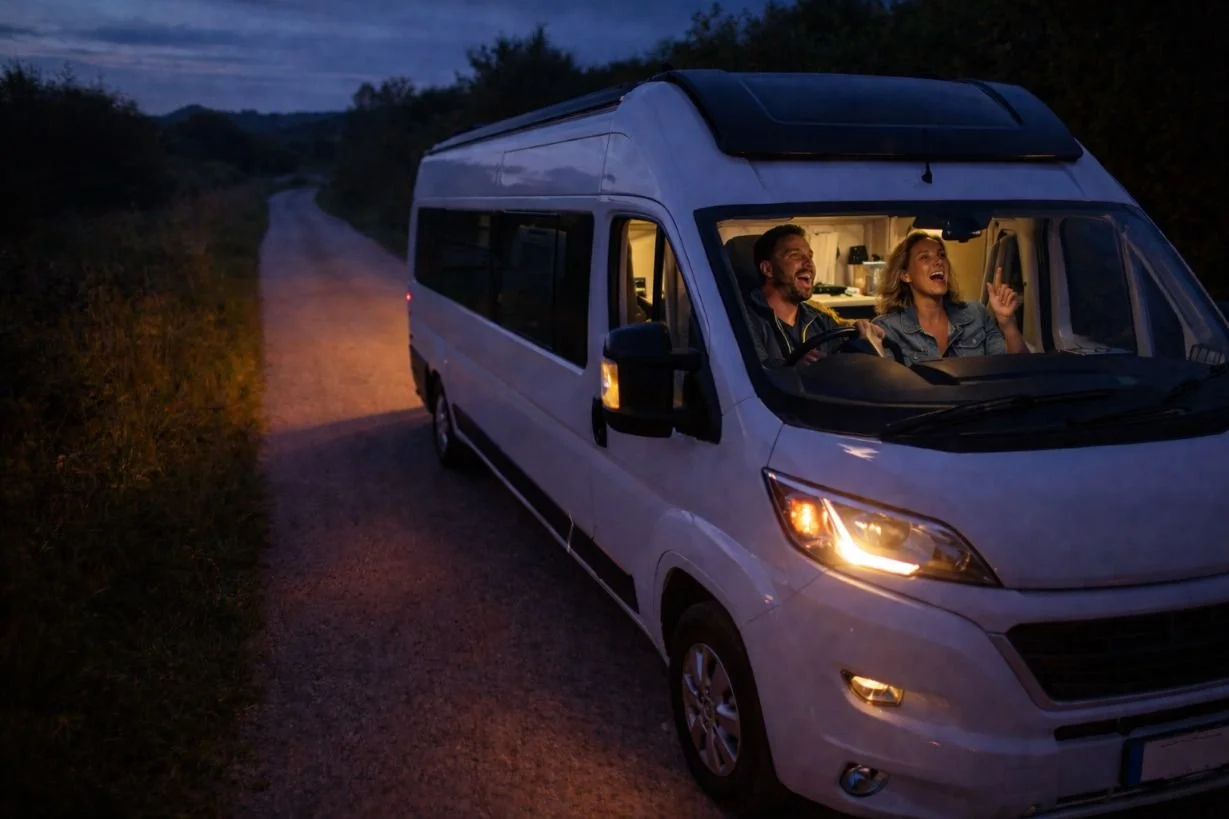
Ultimate Road Trip Playlist

25 x Fabulous Road Trip Recipes

Code of Conduct

Fuel Efficient Driving

Heritage Club Memberships
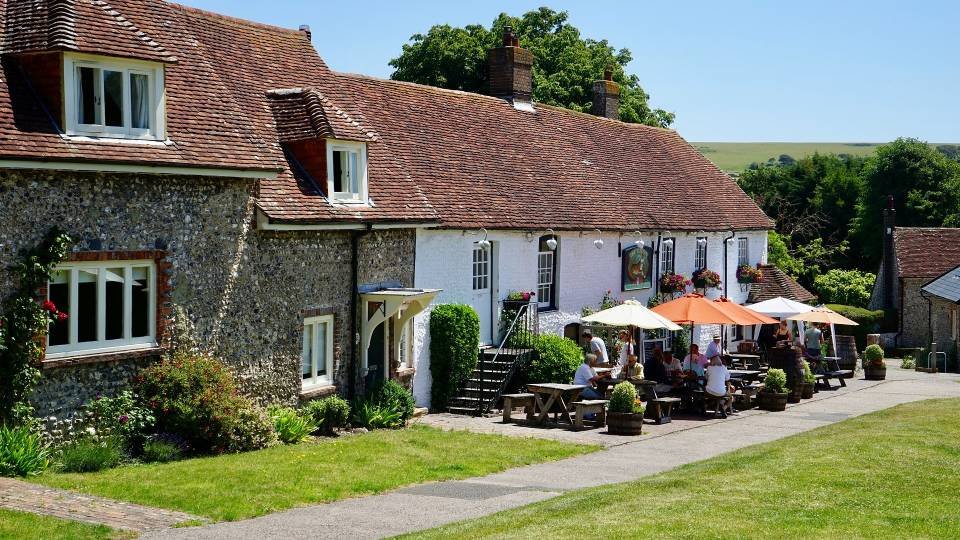
Pub Stopovers

Top 10 Most Scenic Drives
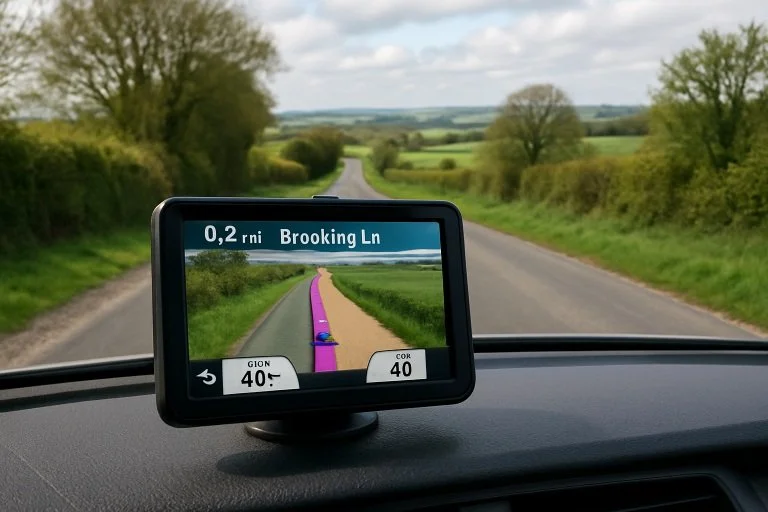
Sat Nav for Motorhomes for 2026

Road Trip Experiences

Road Trip Inspiration

Find a Vehicle & Driving Tips
Travelling to the UK