
Overlooked historic England
Discover Boston, England: History, the Mayflower Story & Things to Do
Boston in Lincolnshire is not one of England’s obvious tourist names — and that is part of its appeal. Come for the Stump, medieval Guildhall and Pilgrim history; stay for a market town whose importance is much bigger than many travellers expect.
This is the kind of place we believe road trips should make room for: somewhere with a real story, a strong sense of place and enough depth to reward a detour.
Is Boston, Lincolnshire worth visiting?
Yes — especially for travellers interested in English history, historic towns and places that sit outside the usual tourist circuit. Boston combines the landmark tower of St Botolph’s Church, a medieval Guildhall, strong Mayflower and Pilgrim connections, riverside walking and a market-town centre shaped by centuries of trade.
Why Boston matters
A town with far more history than its profile suggests
Boston does not need to pretend to be York, Bath or the Cotswolds. Its value is different. It is a working Lincolnshire town whose historic importance is still visible if you know where to look.
The enormous tower of St Botolph’s Church dominates the flat Fenland horizon. The Guildhall holds stories of trade, civic power and religious dissent. The Haven and river connect the town to its port history. And the Pilgrim story gives Boston an international connection that reaches far beyond Lincolnshire.
For Uncover Britain, that is exactly why places like Boston matter. A credible road-trip site should not only point people towards the most photographed destinations. It should help travellers understand the quieter places that explain Britain more fully.
Why medieval Boston mattered
A town whose former importance is still written into its streets
Boston’s modern profile can make its historic scale surprising. In the Middle Ages, its position on the River Witham and close connection to the Wash helped make it an important trading place, linking inland Lincolnshire with wider European markets. Wool, agricultural produce and imported goods moved through a town whose fortunes were tied closely to water, commerce and access to the sea.
That history helps explain the scale of the surviving landmarks. St Botolph’s Church is not oversized by accident. The Guildhall is not simply a decorative old building. The market is not incidental. Together they point to a place that once carried considerably more regional and international weight than many first-time visitors expect.
Understanding that shift is one of the pleasures of visiting Boston. You arrive in a working Lincolnshire town, then gradually begin to see the evidence of a much larger story beneath the everyday streets.
Boston and the Fens
The landscape changes how the town feels
Boston makes more sense when you look beyond the buildings and notice the geography. The surrounding Fenland is broad, low-lying and intensely shaped by water management, agriculture and long horizons. Roads often run through a landscape where the sky feels unusually large and vertical landmarks become especially powerful.
That is why the Boston Stump has such presence. In a hillier place, a church tower of this scale would still impress. Here, rising above a flat landscape, it becomes a true marker of place. For centuries, towers, waterways and routes through the Fens helped people navigate both physically and mentally. The view towards Boston still carries something of that effect.
The wider setting also explains why the town’s relationship with river, port and trade matters so much. Boston was never isolated from its landscape; it was created by it.
Best for
History and heritage
Allow
Half a day to a full day
Travel style
Slow walking and discovery
Strongest story
Trade, dissent and Pilgrims
Things to do in Boston, Lincolnshire
Start with the places that explain the town
Boston works best when you treat the visit as a connected story rather than a checklist. The strongest stops are close enough to combine on foot, and each reveals a different layer of the town.
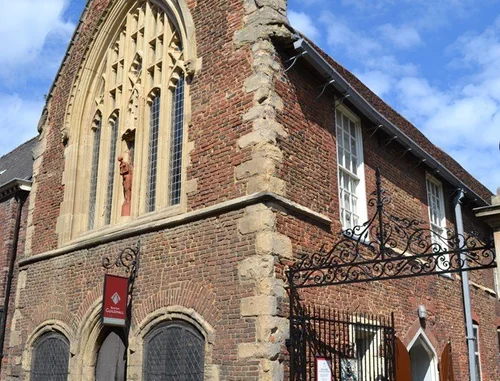
Boston Guildhall
The emotional core of the Pilgrim story in Boston, but also a much wider window into the town’s civic and trading history.
Check current Guildhall informationSt Botolph’s Church — the Boston Stump
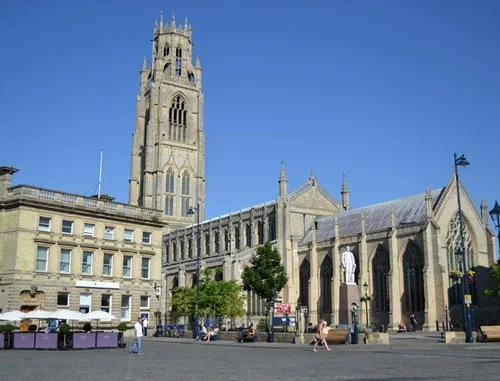
The town’s defining landmark. Its scale immediately tells you that medieval Boston was far more important than many modern visitors realise.
The Haven and riverside
A quieter way to understand Boston as a port town and connect the modern landscape with journeys, trade and attempted escape.
Market Place and historic streets
Worth exploring slowly for the changing architecture, surviving historic fabric and the sense of a working town rather than a preserved tourist set.
Boston Heritage Trail
A useful way to give the town more structure if you want to look beyond the biggest landmarks and understand how the centre fits together.
Explore the heritage trailMaud Foster Mill
A different side of Boston’s character: a working windmill and a strong reminder of the agricultural landscape surrounding the town.
Check current mill informationTwo places that change how you read the town
The Boston Stump and Guildhall deserve more than a quick photo stop
St Botolph’s Church is the landmark that resets your expectations. Its tower dominates the skyline and immediately raises a question: why does a town of this size have a church of such extraordinary scale? That question is useful, because it leads straight into Boston’s former wealth, trading importance and place within medieval England.
The church also changes the experience of arrival. Across the flat Lincolnshire landscape, the tower can appear long before the historic centre itself, giving Boston a visual identity that few overlooked towns possess.
Boston Guildhall offers a different kind of depth. It brings together civic authority, trade, local government and the story of religious dissent. The Pilgrim connection is powerful precisely because it sits within a building that already represented power and judgement. Seen in that context, the story becomes less like a detached historical anecdote and more like part of the town’s working institutions.
Visiting both places gives you a stronger understanding of Boston than visiting either alone: one speaks to wealth, faith and skyline; the other to law, authority and contested belief.
The bigger story
Boston is not just a Pilgrim stop
The Mayflower connection is powerful, but reducing Boston to that one story does the town a disservice. Medieval trade, the Guild of St Mary, the port, the market and the scale of St Botolph’s Church all point to a town with a much wider historical importance.
That broader context actually makes the Pilgrim story stronger. The Separatists were not moving through an anonymous backwater. They were navigating a place shaped by commerce, authority, religious life and access to the sea.
This is where a road trip becomes more than transport between attractions. The landscape and the town begin to explain why events happened where they did.
Mayflower and Pilgrim history
The story that gives Boston an international connection
Boston is central to the early story of the Separatists who would later become associated with the Mayflower voyage. A group attempting to leave England for the Netherlands was betrayed, arrested and brought into Boston. The Guildhall remains one of the most powerful places to connect with that human story.
What makes the episode so compelling is that it happened before the famous Atlantic crossing. Boston belongs to the part of the story where the outcome was uncertain: fear, failed escape, imprisonment and determination.
Follow the story beyond Boston
The legacy Mayflower & Pilgrim Road Trip connects Boston to a wider network of English places and stories. We do not position it as one of our headline commercial routes; its value is in preserving a genuinely important heritage journey.
What Boston feels like today
A working town, not a heritage theme park
Boston is not polished into one continuous picturesque visitor experience, and that is worth saying openly. Some streets feel ordinary. The town centre is lived-in, commercial and practical. Historic buildings sit beside modern shops, traffic and everyday routines.
For some visitors, that contrast is exactly the appeal. Boston rewards attention rather than instant spectacle. The most interesting details emerge when you connect the tower, Guildhall, market, river and wider Fenland setting rather than expecting every street to look curated for tourism.
That makes it a good fit for travellers who value authenticity: not because every corner is beautiful, but because the town still feels like a real place whose history remains embedded in daily life.
A realistic visit plan
How to spend half a day or a full day in Boston
For a half-day visit: start around the Market Place, walk to St Botolph’s Church, then give the Guildhall proper time rather than treating it as a quick stop. Finish with a short riverside section to connect the historic centre with Boston’s relationship to water and movement.
For a full day: keep the same core route, but slow it down. Add the heritage trail, spend more time exploring the historic streets, include Maud Foster Mill if opening times suit your visit, and leave space for lunch or coffee rather than rushing onwards.
The full-day version works best for people who enjoy context. Boston is not a place where you need to collect dozens of attractions; it is a place where a handful of sites become more meaningful when you understand how they connect.
Where Boston fits on a road trip
Use Boston as a meaningful stop, not a forced destination
Boston is particularly useful because it can add depth to a journey without demanding several days. It works well as a purposeful stop through Lincolnshire, the Fens or the east of England.
Heritage journey
Combine Boston with other places connected to religious dissent, migration, English history and the wider Pilgrim story.
Lincolnshire journey
Use Boston alongside Lincoln, the Fens, the Wolds or the coast to create a more varied view of the county.
East-coast journey
Boston can break up a longer route before continuing towards the Lincolnshire coast or further north into East Yorkshire.
Why we keep covering places like this
Authentic road-trip discovery is not just about chasing big search names
Some destinations are commercially obvious. Boston is not. We have never built our business around the assumption that every historic place must become a bestseller.
But pages like this matter because they show what Uncover Britain is trying to do: understand the country as a network of stories, landscapes and smaller places, not simply repeat the same list of famous stops.
Boston adds credibility because it is specific. The connection between the Guildhall, the Pilgrim story, the port and the Fenland landscape is real. It gives travellers a reason to stop somewhere they might otherwise pass.
Keep exploring overlooked England
More heritage stops with a strong sense of place
Hull Heritage Walk
Explore maritime history, Old Town streets and city stories in another place often underestimated by visitors.
Plan the Hull heritage walk →Wakefield on a road trip
Add art, sculpture and heritage to a wider Yorkshire journey rather than treating the region as scenery alone.
See why Wakefield is worth a stop →Road Trips to Watch
Five rewarding UK journeys that deserve more attention beyond the most obvious touring names.
Explore quieter road trip ideas →Browse England road trips
Move from heritage inspiration into wider self-drive journeys across England.
Explore England road trips →Planning questions
Visiting Boston, England: FAQs
Is Boston, Lincolnshire worth visiting?
Yes, especially for history, architecture and quieter heritage travel. Boston is compact enough for a half-day visit but has enough depth for a full day if you include the Guildhall, St Botolph’s Church, riverside and historic centre.
What is Boston, England famous for?
Boston is known for St Botolph’s Church, often called the Boston Stump, its medieval Guildhall, historic role as a port and market town, and its connection to the early Mayflower and Pilgrim story.
What are the best things to do in Boston, Lincolnshire?
Strong choices include Boston Guildhall, St Botolph’s Church, the Market Place and historic streets, riverside walking, the Boston Heritage Trail and Maud Foster Mill.
How long do you need in Boston?
A half day is enough for the main historic centre. Allow a full day if you want museums, slower walking, the riverside and additional heritage stops.
What is Boston’s connection to the Mayflower Pilgrims?
Boston is linked to an early failed attempt by Separatists to leave England for the Netherlands. After betrayal and arrest, members of the group were brought into Boston, making the town an important early chapter in the story that later led towards the Mayflower voyage.
Where does Boston fit on a road trip?
Boston works well as a heritage stop on journeys through Lincolnshire, the Fens and the east of England, or as part of a wider route following Mayflower and Pilgrim history.