
Motorhome navigation
Motorhome sat navs: choosing the best sat nav for motorhomes and campervans
Travelling in a motorhome is pure freedom, right up until your sat nav tries to send you under a low bridge, along a road with a weight restriction or down a single-track lane with nowhere to turn.
A dedicated motorhome sat nav can help route around your vehicle’s height, width, weight and length, helping you plan safer, calmer road trips in the UK and beyond.
Quick answer: the best sat nav for a motorhome or campervan is one that lets you enter your vehicle dimensions, avoids unsuitable roads, includes up-to-date maps, warns about low bridges and restrictions, and works alongside your wider route planning rather than replacing it.

Start here
Why the right sat nav matters for motorhome travel
Motorhome navigation is different from car navigation because your vehicle is bigger, heavier and often harder to turn around. The right device helps avoid avoidable stress before it happens.
What a motorhome sat nav helps with
- Low bridge warnings.
- Height, width, weight and length-aware routing.
- Better route choices for larger vehicles.
- Campsites, aires and motorhome points of interest.
- Live traffic, rerouting and safety alerts.
- Clean Air Zone and Low Emission Zone awareness.

A sat nav is only part of the plan
A good device helps you navigate, but it cannot replace route judgement. Signs, local restrictions, temporary closures, roadworks and common sense always matter.
Use your sat nav with a road trip plan, realistic driving days and a clear idea of where you can stop, park and turn around.
Part 1
Why motorhome sat navs are different
Standard car sat navs simply are not designed for vehicles with height restrictions, longer braking distances, wider bodies or overhanging equipment.
Low bridges and height limits
A car sat nav may send you under a bridge your motorhome cannot fit beneath. A motorhome sat nav can route based on the height you enter.
Narrow lanes and tight turns
A scenic lane may look fine on a map but be stressful in a larger vehicle. Motorhome routing helps reduce unsuitable lane choices.
Weight-restricted roads
Some routes are legally restricted by vehicle weight or axle load. Entering your vehicle details helps your device avoid more unsuitable roads.
A motorhome-specific sat nav allows you to enter your vehicle height, width, length, weight and axle load, then calculates routes you can actually drive. For UK and European travel, this can be the difference between a relaxing trip and a frustrating or risky one.
Part 2
Key features to look for in a motorhome sat nav
Modern motorhome sat navs offer much more than simple A-to-B navigation. Focus on the features that make driving a larger vehicle calmer, not just the ones that sound clever.
Vehicle-specific routing
Choose a device that lets you enter height, width, length, weight and axle load so routes can be adjusted around the vehicle.
Campsites and stopovers
Look for campsite directories, aires, service points, LPG locations and motorhome-friendly points of interest.
Restriction alerts
Low bridges, narrow roads, weight limits, clean air zones and Low Emission Zones are especially important for touring vehicles.
Live traffic and rerouting
Traffic information helps you avoid major delays, but do not let rerouting send you down unsuitable lanes without checking.
Large, bright screen
A clear 7–10 inch display can be easier to read in a larger cab, especially in bright sunlight or on unfamiliar roads.
Map updates
Wi-Fi updates and lifetime map updates can be useful, especially if you tour regularly or travel in Europe.
Part 4
Tips for using sat navs safely on a road trip
Even the best motorhome sat nav benefits from careful setup and sensible driving judgement.
Before you set off
- Enter your vehicle dimensions correctly.
- Update height if you add a roof box, bike rack or other equipment.
- Download or update maps before longer trips.
- Check whether your route includes clean air zones, tolls or ferries.
- Save key campsite, fuel and supermarket stops in advance.
While driving
- Road signs override sat nav instructions.
- Do not follow a route blindly down unsuitable lanes.
- Use a passenger to check route options where possible.
- Stop safely before changing settings or searching for a new destination.
- Keep a backup app or offline map for weak signal areas.
Plan the whole trip
A sat nav works best with a proper road trip plan
Navigation helps you follow the route, but your road trip still needs realistic timing, suitable overnight stops, packing, fuel planning and route choices that fit your vehicle.
Find the right vehicle
Compare cars, campervans, motorhomes, buying, conversions and vehicle preparation.
Hire a motorhome or campervan
Useful if you are testing a touring setup before buying your own vehicle.
Buy a motorhome or campervan
Think through ownership, storage, insurance, servicing, navigation and realistic use.
Fuel efficient driving tips
Plan smoother driving days, reduce unnecessary detours and manage fuel use on longer trips.
Towing equipment and road trip tips
Useful if you tow extra equipment, a trailer or a small touring load.
What to pack
Practical packing ideas for touring vehicles, campsites and flexible days out.
More planning links
More information to help plan your perfect road trip
These links from the original page are kept, but grouped more clearly so visitors can move from navigation advice into wider trip planning.
Planning and itinerary help
Memberships and responsible travel
Packing, food and comfort
Try your setup
Road trips where navigation planning matters
These road trip guides can help you plan real driving days around your vehicle size, road conditions, overnight options and sightseeing stops.
North Coast of Scotland Road Trip
Big-distance touring where fuel, timing, passing places and overnight stops need careful planning.
West Coast of Scotland
Scenic roads, ferry options and remote places where a strong route plan helps.
Isle of Skye
Popular viewpoints, single-track sections and busy parking areas make planning valuable.
Northumberland Castles & Coast
Good for scenic touring with castles, coast, wide landscapes and planned stopovers.
Wales’ West Coast Road Trip
Coastal roads, rural stops and slower driving days where good navigation helps.
Browse all road trip guides
Choose a route, then use your sat nav to support the route rather than replace the planning.
FAQs
Motorhome sat nav FAQs
Simple answers to common questions about choosing and using a sat nav for a motorhome or campervan.
Do I really need a motorhome-specific sat nav?
It is strongly recommended. Car sat navs are not designed to avoid low bridges, narrow lanes or weight-restricted roads. Motorhome sat navs can route based on your vehicle dimensions to keep you on more suitable roads.
Are phone apps enough for motorhome travel?
Apps are useful for traffic, parking and points of interest, but they are not always reliable on their own for larger vehicles. Many travellers use a dedicated motorhome sat nav for routing, with an app as backup.
Do motorhome sat navs work in Europe?
Many modern devices include European mapping, but coverage and update policies vary by model. Check the included countries and whether map updates are included before you buy.
How often are maps updated?
Most current sat navs offer map updates via Wi-Fi or desktop software. Keeping maps up to date helps with new roads, junction layouts and changed restrictions.
What screen size is best for a motorhome sat nav?
Many campervan drivers prefer 7–8 inch screens. Larger motorhomes often suit 8–10 inch displays, which are easier to read from the driving position.
Are motorhome sat navs worth the price?
For many owners, yes. Avoiding a single low bridge or an unsuitable lane can prevent stress, delays and potentially expensive damage.
Ready to plan the road trip around your vehicle?
Use a motorhome sat nav for safer navigation, then use Uncover Britain guides to plan the route, stops, places to visit and realistic driving days.

Find a vehicle and road trip tips

Hire a campervan

Buying a Motorhome
Hire a Car
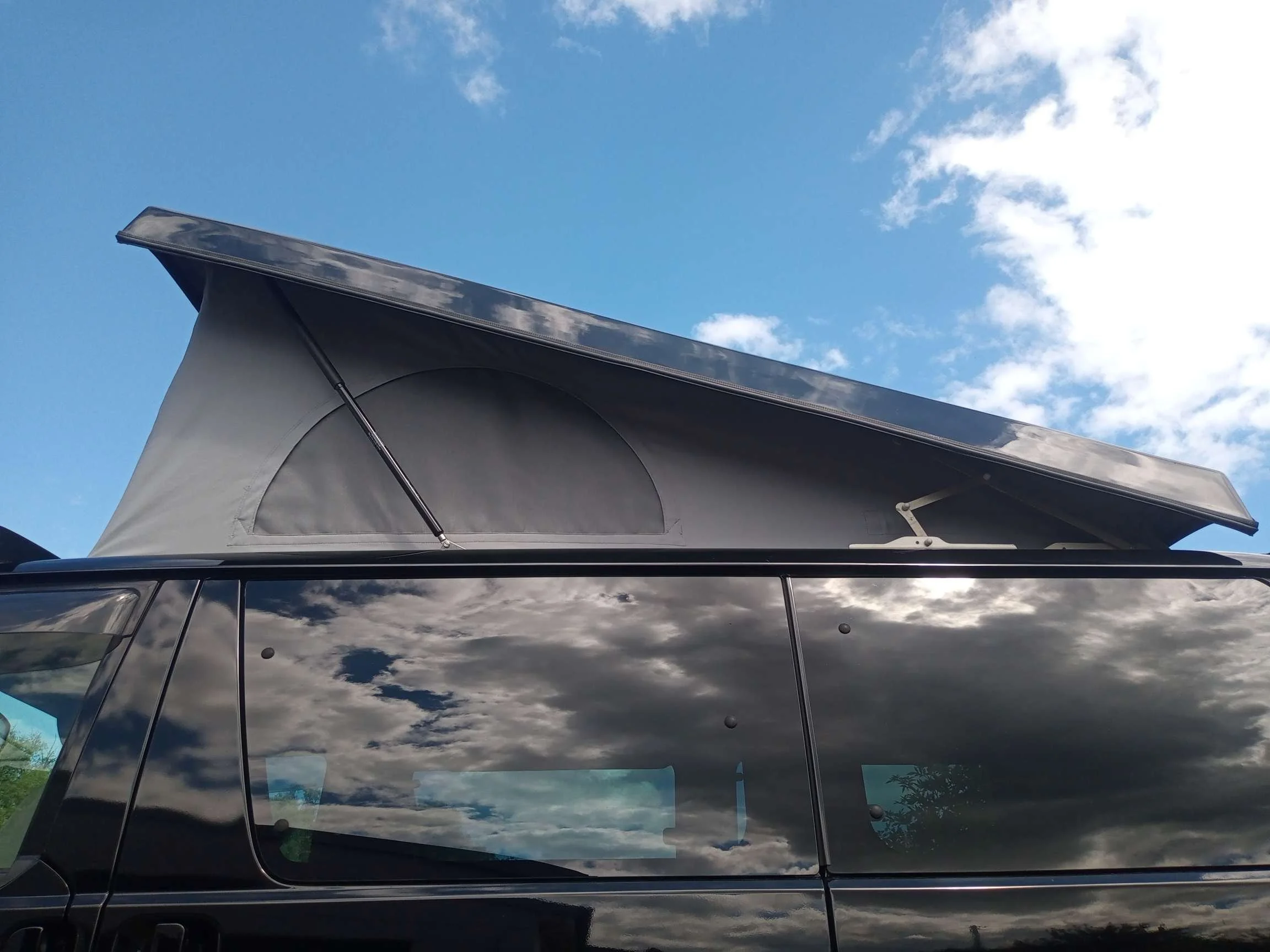
Commission a Campervan
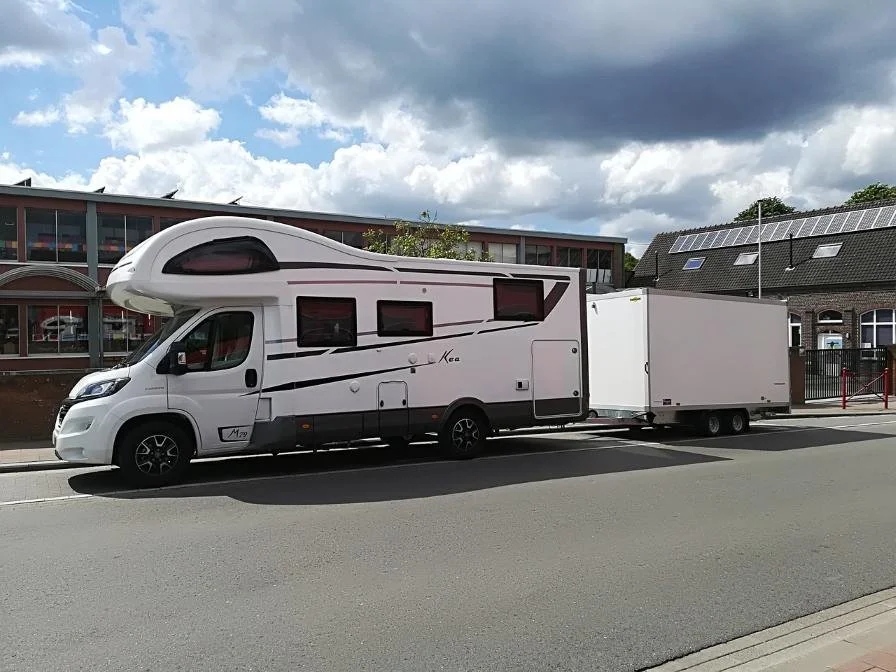
Equipment needed to tow

Top Tips for Buying a Motorhome: New or Second-Hand
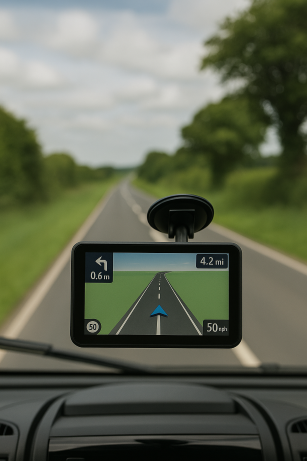
Sat Navs for Motorhomes

Code of Conduct

Fuel Efficient Driving Tips

Route Planner Tips

Travelling to the UK?

Road Trip Inspiration
Stay-the-Night (Scotland) Scheme
How to Stay Cool in Warm Weather