
A surprisingly useful West Yorkshire stop
Things to Do in Wakefield: Art, Heritage & a Smart Road Trip Stop
Wakefield is easy to overlook from the motorway. Stop for a day or stay overnight and you find major sculpture, strong local history, green escapes and a practical base between Yorkshire road trips and longer journeys north or south.
Use this guide to decide whether Wakefield deserves a quick stop, a full day or an overnight break — and how to fit it into a wider trip.
Quick answer
Is Wakefield worth visiting on a road trip?
Yes — particularly if you want a manageable stop that combines art, heritage and green space without committing to another huge city day. Wakefield can work as a focused daytime break, an overnight pause, a first step into West Yorkshire or a useful stop before continuing towards York, the North York Moors, the Yorkshire coast or a longer northbound journey.
The case for stopping
Why Wakefield works better on a road trip than many people expect
Wakefield is one of those places many travellers pass without really considering. That is precisely why it can work so well. You are not arriving with a checklist of world-famous sights and the pressure to race through them. Instead, you can choose one or two strong experiences and let the stop break up a longer journey.
Its character is also unusually varied. The city and surrounding district can move from Barbara Hepworth and contemporary art to ruined castle views, historic streets, designed landscapes and open-air sculpture in a relatively short span of time.
For road trippers, that means Wakefield is not simply somewhere to sleep between destinations. It can be the place where the trip changes pace.
A place worth reconsidering
Why Wakefield is more interesting than its reputation suggests
Wakefield is not a place that usually dominates lists of must-see British city breaks. That can work in its favour. Arrive without a fixed idea of what the city should be and its contrasts become much more noticeable.
There is a strong Yorkshire identity here, but not just in the obvious sense of stone buildings, market-town heritage or industrial history. Wakefield also has a serious modern art story, major sculpture connections, ruined castle views and easy access to landscapes that quickly change the mood of the day.
The result is a destination that works through contrast rather than one single headline attraction. You can spend the morning with contemporary art, step into a historic city centre, then finish with open space, sculpture or a wider landscape stop. For a road trip, that variety matters because it gives you several different reasons to leave the vehicle behind.
Art with real depth
Wakefield’s association with Barbara Hepworth and its wider sculpture offer give the area a cultural identity that is much stronger than many first-time visitors expect.
Heritage without overload
The cathedral, Sandal Castle and historic core add depth without creating the pressure of another giant sightseeing list.
Landscape close to the city
Parkland, sculpture and estate landscapes mean the trip can move from urban to green space without a major relocation.
A different side of Yorkshire
Wakefield offers a useful counterpoint to the Dales, York, the Moors and the coast, broadening the story of the region.
Choose the kind of stop you need
Wakefield can be a culture break, heritage day or breathing space
The best reason to stop depends on the rhythm of the journey you are already making.
For art without a big-city day
Use The Hepworth Wakefield and Yorkshire Sculpture Park to build a stop around major art rather than shopping streets and traffic.
For a heritage pause
Combine the city centre, cathedral and Sandal Castle for a shorter day with enough historical depth to feel worthwhile.
For fresh air between long drives
Choose sculpture, parkland or estate landscapes when the journey needs walking and space rather than another indoor attraction.
For a rainy-day stop
Wakefield’s cultural side gives you a useful alternative when a countryside-heavy itinerary meets poor weather.
For a first taste of West Yorkshire
Use Wakefield before continuing towards Leeds, Brontë Country, the Calder Valley or the Yorkshire Dales.
For an overnight reset
Break a longer north–south journey, explore properly, eat locally and start the next stage without turning the day into a mileage race.
Who will enjoy it most?
Wakefield suits travellers who want more than another headline destination
Some places are easy to recommend because everyone already knows why they are famous. Wakefield is more specific. It tends to reward travellers who like finding character in places that are not packaged around one iconic image.
Art lovers
For travellers who care about sculpture, architecture and contemporary culture, Wakefield can justify the stop before anything else is added.
Repeat Yorkshire visitors
People who have already done York, the Dales or the classic coast often appreciate seeing a less expected side of the region.
Couples on a slower road trip
A gallery, lunch, a walk and a historic stop can create a satisfying day without turning the visit into a race.
Travellers breaking a long drive
Wakefield works particularly well when the alternative is another anonymous stop. A few hours here can change the rhythm of a long journey.
It is less suited to anyone expecting a dense concentration of famous landmarks. That is not really the point. The value comes from choosing the right part of Wakefield for the kind of journey you are already having.
Reasons to make the stop
What to do in Wakefield on a road trip
These are the strongest ways to turn a motorway pause into a day that actually adds something to the journey.
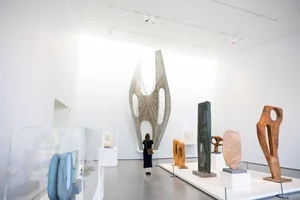
Start with The Hepworth Wakefield
For many travellers, this is the clearest reason to stop. It gives Wakefield a cultural weight that is easy to underestimate from the road.
Use it as the anchor for a half-day stop, then add the waterfront or central heritage according to time.
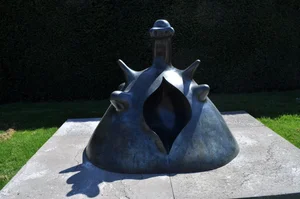
Make Yorkshire Sculpture Park the main event
This is the stronger choice when you need outdoor space after hours in the vehicle. Art, landscape and walking combine naturally, making the stop feel very different from a conventional city break.
It can justify a visit to the area on its own.
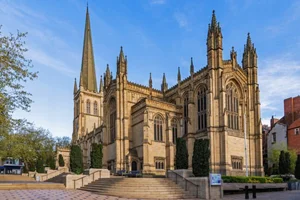
Explore the city’s historic core
Wakefield Cathedral and the central streets give a more traditional heritage layer to the day. This works especially well when paired with The Hepworth rather than trying to cover every attraction.
For a short stop, keep the city-centre section compact and purposeful.
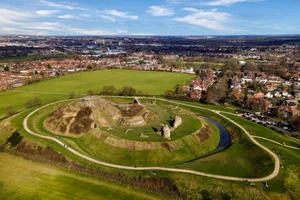
Add Sandal Castle for views and perspective
The ruined castle changes the feel of the stop again: less gallery, more landscape and history. It is a useful contrast if you want to get outside without committing to a long walk.
It also helps explain why Wakefield is more than a modern urban pause.
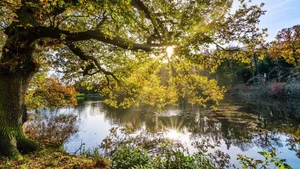
Choose Nostell for a slower green escape
When the trip needs space, an estate landscape can be more valuable than another town centre. Nostell gives you a reason to slow down and turn the Wakefield stop into a gentler half day.
It is particularly suited to travellers who have already spent several days moving between cities.
Do less, but make the stop count
A strong Wakefield day might be The Hepworth plus the city centre, or Yorkshire Sculpture Park plus a relaxed meal, or Sandal Castle followed by a green-space stop.
The page becomes useful when it helps you choose — not when it tells you to see everything.
A road trip needs contrast
Why Wakefield works so well as a change-of-pace stop
Good road trips are not improved by making every day look the same. A week of viewpoints, mountain passes and scenic roads can become tiring. So can a run of historic towns or major attractions.
Wakefield gives you the chance to alter the pattern. After countryside, choose art. After cities, choose sculpture and open space. After a long driving day, build the next morning around one focused experience instead of another early departure.
This is where the city becomes more useful than its modest profile suggests. It does not need to be the star of the entire trip. It can simply be the place that prevents the journey becoming repetitive.
That role is especially valuable on longer UK itineraries. Travellers heading north towards Northumberland or Scotland, east towards York and the coast, or west into the Dales can all use Wakefield as a reset point before the next landscape takes over.
Choose your timing
Should Wakefield be a quick stop, full day or overnighter?
The answer depends on where you are going next and how much driving you have already done.
2–4 hours
Choose one anchor only: The Hepworth, the city centre and cathedral, Sandal Castle, or a short outdoor stop. Do not try to combine the whole district.
A full day
Pair one major cultural stop with heritage or green space. This is long enough for Wakefield to feel like a destination rather than a service-station substitute.
An overnight
Best when Wakefield breaks up a longer drive. Arrive, eat, sleep, then explore the next morning — or reverse that pattern before continuing north or south.
Fit it into a wider journey
Where does Wakefield make sense on a road trip?
Its central road-trip value is flexibility. It can be the start of Yorkshire, a bridge between Yorkshire regions, or simply a worthwhile pause on a much longer journey.
Before the Yorkshire Dales & West Yorkshire
Start with art and city heritage, then continue towards Brontë Country, stone villages, market towns and broader Dales landscapes.
Before York, the Moors or east coast
Use Wakefield as a contrasting first stop before medieval York, open moorland and coastal scenery further north and east.
On a longer UK journey
Wakefield can break up north–south travel when the route already brings you through central or northern England. It is especially useful when you want a real experience rather than another anonymous motorway pause.
Wakefield as the “change of pace” stop
Coming from the Peak District? Add art and urban heritage. Coming from Leeds or another city? Choose sculpture and green space. Heading north towards Northumberland or Scotland? Use an overnight to reset before the next long stage. Heading to the Yorkshire coast? Make Wakefield the cultural opening chapter of the trip.
Keep planning
More road trip and heritage inspiration
Connect Wakefield to the wider Uncover Britain inspiration network rather than treating it as an isolated city article.
Yorkshire and nearby ideas
Plan a wider UK journey
Continue the journey
Two Yorkshire road trips that pair naturally with Wakefield
Choose the direction that suits the trip you are actually making: west and north into Dales country, or east and north towards York, the Moors and coast.
 £11.99
Yorkshire Dales Road Trip — Brontë & Herriot Country
Continue from Wakefield towards heritage towns, Brontë Country, stone villages and broader Dales landscapes.
Best for: countryside, heritage, market towns and scenic drives.
View the Yorkshire Dales guide £11.99
North Yorkshire Coast & Moors — York, Whitby & the Moors
Use Wakefield as a first stop before York, moorland roads, abbeys, Whitby and dramatic coastal scenery.
Best for: coast, abbeys, moorland and historic towns.
View North Yorkshire & MoorsBest value for a wider Yorkshire trip
Yorkshire Explorer bundle
Pair both Yorkshire directions in one two-guide collection.
 £16.99Save approx. £6.94 / 29%
Yorkshire Explorer
York, Whitby and the North York Moors paired with classic Dales landscapes — a strong match for travellers using Wakefield as a central stop or springboard.
- North Yorkshire Coast & Moors Road Trip
- Yorkshire Dales Road Trip — Brontë & Herriot Country
FAQs
Wakefield road trip FAQs
Practical answers for deciding whether and how to add Wakefield to a wider journey.
Is Wakefield worth visiting for a day?
Yes. A full day is enough to combine one major cultural attraction with heritage, a castle stop or green space without rushing between every sight.
What is Wakefield best known for on a short visit?
For many visitors, the strongest reasons to stop are The Hepworth Wakefield, Yorkshire Sculpture Park, Sandal Castle, Wakefield Cathedral and nearby estate landscapes.
Is Wakefield useful as an overnight road trip stop?
Yes. It can break up a longer north–south journey or give you a calmer base before continuing deeper into Yorkshire, towards the coast or further north.
Which Yorkshire road trip pairs best with Wakefield?
The Yorkshire Dales and West Yorkshire direction is the most natural continuation, but Wakefield can also work before York, the North York Moors and the Yorkshire coast.
How long should I allow in Wakefield?
Allow two to four hours for one focused stop, a full day for a broader visit, or stay overnight when Wakefield is being used to break up a longer drive.
Should I try to see everything in one visit?
No. Wakefield works better when you choose the stop that matches your interests and energy: art, heritage, sculpture, castle views or a slower green escape.
Make the stop part of the journey
Use Wakefield as a springboard into Yorkshire
Choose one Yorkshire guide, or combine both directions with the Yorkshire Explorer bundle.