
Wales Way road trips
The Wales Way Road Trips: Coastal Way, Cambrian Way & North Wales Way
The Wales Way brings together three national touring routes across Wales: the Coastal Way, the Cambrian Way and the North Wales Way.
Together, they create a flexible way to explore Wales by car, campervan or motorhome, linking coast, castles, mountains, national parks, market towns and scenic driving routes.
Use this guide to understand how the three Wales Way routes fit together, then choose the Uncover Britain road trip guide or Wales bundle that best suits your holiday.
Quick answer
What is the Wales Way?
The Wales Way is a family of three scenic touring routes across Wales: the North Wales Way, the Coastal Way and the Cambrian Way. The routes can be followed separately or combined into a longer Wales road trip.
The North Wales Way is best for castles, coast and mountains. The Coastal Way is best for beaches, harbours and west coast scenery. The Cambrian Way is best for inland Wales, national parks, valleys and a longer Cardiff to Conwy-style route.
Before you choose a guide
How the Wales Way helps you plan a road trip
Wales can look compact on a map, but a good road trip needs more than joining dots between famous places. Mountain roads, coastal detours, rural parking, weather, ferry-like headlands, national park scenery and small towns all affect how a journey feels on the ground.
The Wales Way is useful because it gives you a simple structure. Instead of asking “where should I go in Wales?”, you can start by choosing the type of journey you want: coast, mountains, castles, dark skies, border country or a longer cross-Wales route.
If you already know you want a ready-made digital guide with mapped routes, curated stops and flexible itinerary ideas, you can move straight to the Wales road trip guides below.
Best driving roads in Wales
Best driving roads in Wales: where the Wales Way routes fit
If you are looking for the best driving roads in Wales, the Wales Way is the natural place to start. The North Wales Way, Coastal Way and Cambrian Way are three scenic Welsh road trip routes that help you compare castles and coast, west coast beaches, mountain passes, national parks and longer cross-Wales touring.
The best route depends on the kind of drive you want. Choose the North Wales Way for castles, coast and mountain gateways; the Coastal Way for beaches, harbours and west coast scenery; or the Cambrian Way for inland Wales, national parks and bigger landscapes.
Choose your route
Which Wales Way route is right for you?
Each Wales Way route has a different feel. Use these cards to choose the road trip that best matches your holiday style.
North Wales Way
Choose the North Wales Way if you want castles, mountain scenery, Anglesey, Eryri/Snowdonia, coastal towns and a classic North Wales road trip.
- Good for first-time Wales visitors
- Strong castle and coast combination
- Works well for car, campervan and motorhome travel
Wales’ Coastal Way
Choose the Coastal Way if you want west coast scenery, beaches, fishing villages, Cardigan Bay, Pembrokeshire and slower coastal touring.
- Good for beach and coastal town holidays
- Strong for photography and relaxed touring
- Pairs well with the full Wales bundle
The Cambrian Way
Choose the Cambrian Way if you want a longer inland Wales road trip through Bannau Brycheiniog, the Cambrian Mountains and Eryri/Snowdonia.
- Good for scenic drives and bigger landscapes
- Useful for Cardiff to Conwy-style planning
- Works well as a longer 5–7 day itinerary
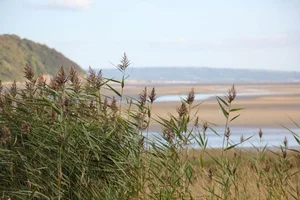
The Coastal Way
For beaches, harbours and west coast scenery
The Coastal Way follows the western edge of Wales, linking Cardigan Bay, harbour towns, sea views and some of the country’s most memorable beaches. It is ideal for travellers who want a slower scenic route rather than a point-to-point dash.
This route is especially useful if your Wales holiday is built around coastal walks, small towns, wildlife watching, beach stops or relaxed touring with time to pause.
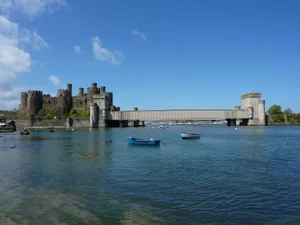
North Wales Way
For castles, coast and mountain gateways
The North Wales Way is one of the strongest options for a first Wales road trip because it combines castles, coastal towns, Anglesey and access to Eryri/Snowdonia within a manageable touring area.
It is also a useful route for visitors comparing North Wales holidays, North Wales itineraries and campervan-friendly road trip ideas.
The Cambrian Way
For a longer journey through the spine of Wales
The Cambrian Way gives Wales a very different rhythm. Instead of hugging the coast, it moves through inland landscapes, valleys, national parks and mountain scenery. It is the route to consider if you want a fuller Wales itinerary with a stronger sense of crossing the country.
Wales road trip highlights
Highlights You Shouldn’t Miss on a Wales Road Trip
A road trip in Wales isn’t just about getting from A to B; it’s about those moments when you have to pull over just to take it all in. Along The Wales Way, every turn offers something new, but a few places really do stay with you.
Eryri (Snowdonia) National Park
For me, Eryri (Snowdonia) National Park was one of those places that quietly takes your breath away. Home to Yr Wyddfa (Mount Snowdon), the highest peak in Wales, the whole area feels alive, from the rustle of heather to the rush of distant waterfalls. The trails climb through slate-grey rock and glassy lakes that reflect the sky so clearly it’s hard to tell where land ends and clouds begin. Even if hiking isn’t your thing, just driving through at sunrise, when the mist drifts low over the valleys, feels almost otherworldly.
Bannau Brycheiniog / Brecon Beacons
Further south, the Brecon Beacons, or Bannau Brycheiniog, offer a different kind of magic. The landscape softens into rolling green hills, scattered farms, and hidden waterfalls tucked into patches of woodland. I remember pulling over one night near Talybont to look at the stars. There was no light pollution and no noise, just a sky so full of constellations it almost didn’t look real. The locals are right when they say the stars here feel close enough to touch. Stop in one of the small market towns for a chat and a warm Welsh cake, and it’s impossible not to feel immersed in authentic Wales.
Pembrokeshire Coast National Park
When you reach the Pembrokeshire Coast National Park, it’s the sea that does the talking. Golden sands, rugged cliffs, and secret coves appear one after another along The Coastal Way. I loved wandering the Pembrokeshire Coast Path because every bend in the trail opened up a new view, usually more dramatic than the last. Solva and Abercastle both stole my heart with their quiet harbours, boats rocking gently, and that unmistakable scent of salt and seaweed that tells you you’ve reached the edge of the land.
Anglesey and the Menai Strait
Heading north, the Island of Anglesey, known affectionately as the “Mother of Wales,” brings a calm and timeless feel to the journey. It’s where farmland meets the sea, and old stone churches stand watch over tiny coves. Walking a stretch of the Anglesey Coastal Path was one of my favourite moments, with views of the Menai Strait shimmering in the late afternoon light. Beaumaris Castle, with its perfect symmetry and mountain backdrop, felt like stepping into a painting. I stayed to watch the sun sink behind the Menai Suspension Bridge, a scene that made me forget time altogether.
Edward I’s castles at Conwy, Caernarfon and Harlech
Finally, for history lovers, nothing sums up the spirit of North Wales quite like Edward I’s Castles at Conwy, Caernarfon, and Harlech. Towering over the coast, their stone walls have witnessed more than seven centuries of change. Standing on Caernarfon’s battlements, I caught the sound of gulls and church bells drifting together on the breeze. It felt strangely poetic, as if the whole landscape was humming with memory. Visiting all three castles in one drive ties the story of Wales together in a way books never quite can.
If you like our series of blogs, check out Top 12 places to visit in Wales on your road trip, Top 10 Scenic Drives in the UK, The Best Motor Museums in the UK and themed road trip ideas. If you need to find a leisure vehicle, check out our guides for buying a motorhome, hiring a car, or hiring a campervan or motorhome.
Turn inspiration into a route
Explore Wales with ready-made digital road trip guides
If you want the practical route structure, mapped planning links and itinerary support, these Wales guides help you move from inspiration to a workable road trip.
 £12.99
North Wales Way Road Trip
Castles, coast, Anglesey, mountain scenery and historic towns.
Best for: castles, coast, mountains and first-time Wales visitors.
View guide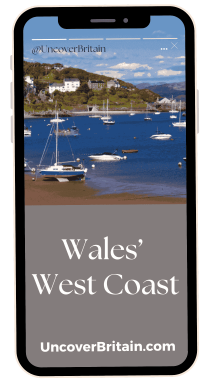 £12.99
Wales’ West Coast Road Trip – The Coastal Way
Beaches, harbour towns, Cardigan Bay, Pembrokeshire and west coast touring.
Best for: beaches, harbours, wildlife, photography and slower coastal touring.
View guide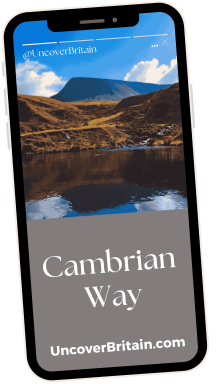 £11.99
The Cambrian Way
Cardiff to Conwy-style touring through national parks, valleys and mountain scenery.
Best for: mountains, national parks, scenic drives and a longer Wales itinerary.
View guide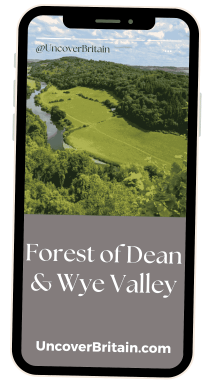 £11.99
Forest of Dean & Wye Valley
Woodland drives, river viewpoints, border country and slower scenic touring.
Best for: woodland, river views, countryside and short breaks.
View guide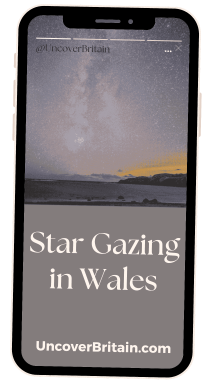 £9.99
£9.99
Star Gazing in Wales
Dark sky landscapes, quieter roads and scenic night-sky locations.
Best for: dark skies, quieter places, scenic pauses and themed Wales escapes.
View guideBest value
Save with Wales road trip bundles
Planning more than one Wales route? These Wales bundles group related digital road trip guidebooks together, helping you explore coast, mountains, dark skies and border country for less than buying every guide separately.
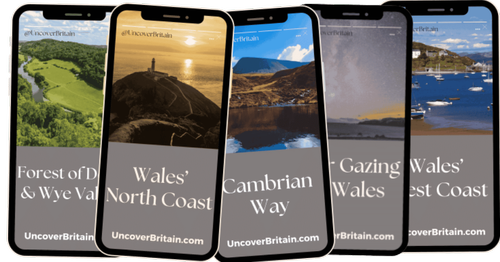 Best value
Wales as a Region
The complete Wales collection — coast, mountains, dark skies and border country in one high-value set.
What’s included
 Wales
Wales
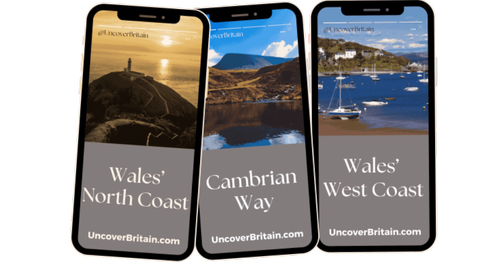
Wales Explorer
A balanced three-route Wales set combining coast, mountains and long scenic drives.
What’s included
Trip length
How many days do you need for the Wales Way?
Choose one focused section
Best for a North Wales break, part of the Coastal Way, the Forest of Dean and Wye Valley, or a shorter stargazing escape.
Follow one main Wales Way route
Good for the North Wales Way, Coastal Way or Cambrian Way without trying to rush too much into each day.
Combine several Wales routes
Better for a wider Wales road trip that includes coast, castles, mountains, dark skies and inland scenery.
Still deciding?
Read more before choosing your Wales road trip
If you are not ready to choose a guide yet, these Wales travel articles can help you compare places to visit, beaches, castles, hidden gems and North Wales holiday ideas before deciding which route is right for you.
20 Best Things to Do in Wales & Places to Visit
Start with the highlights: scenic drives, coastal towns, castles, national parks and places worth building into a Wales itinerary.
Read the Wales things to do guide15 Beautiful Places in Wales
Compare coast, mountains, villages and viewpoints if you are planning a scenic Wales holiday or road trip.
Explore beautiful places in Wales15 Best Beaches in Wales
Find sandy bays, hidden coves, family-friendly beaches and coastal walks across North, West and South Wales.
Discover Wales beachesNorth Wales Holidays
Plan around castles, coast, mountains, motorhome touring, road trip ideas and flexible North Wales itineraries.
Read the North Wales holiday guide15 Hidden Gems in Wales
Look beyond the obvious stops with quieter beaches, valleys, villages, viewpoints and lesser-known places to visit.
Find hidden gems in WalesWales Castles Road Trip
Explore historic Welsh castles across North, Mid and South Wales, with ideas for turning them into a road trip.
Explore Wales castlesThe Wales Way
Understand how the North Wales Way, Coastal Way and Cambrian Way fit together before choosing your route.
Read about the Wales WayTop 12 Best Places to Visit in Wales
Compare standout Welsh places, landscapes and road trip stops if you are still deciding where to focus your trip.
Explore places to visit in WalesNorth Wales Road Trip: Castles, Coast, Mountains and Anglesey by Motorhome
Read a practical North Wales motorhome road trip story covering castles, coast, mountains, Anglesey and touring ideas.
Read the North Wales motorhome road tripPlan the wider trip
Need a vehicle?
Wales Way FAQs
Questions about planning the Wales Way
Planning a Wales Way itinerary or scenic self-drive holiday? These FAQs help you choose the right route, travel style and planning approach.
What exactly is The Wales Way?
The Wales Way is a network of three national touring routes: The Coastal Way, The Cambrian Way and The North Wales Way. They were created to help visitors explore Wales through its most scenic landscapes. Each route is flexible, encouraging detours, viewpoints, walks and small-town discoveries.
How long does it take to drive The Wales Way?
You can drive any of the routes in one or two days, but most people take between 3 and 7 days to enjoy them properly. The Coastal Way is the longest at around 180 miles, while The North Wales Way is shorter and more compact. All three reward slower travel with plenty of stops.
Which Wales Way route is best for first-time visitors?
For mountain scenery, The Cambrian Way is a great introduction. If you love beaches and coastal towns, choose The Coastal Way. For history and castles, The North Wales Way is ideal. They are all great for a first visit, so choose which aligns with your interests.
Do I need to book attractions, campsites or hotels in advance?
In summer, it is worth booking popular attractions, coastal parking and accommodation and campsites ahead of time. Outside school holidays, you can be more flexible. Eryri, the Pembrokeshire Coast and Anglesey are the busiest areas.
What are the must-see highlights along The Wales Way?
Travellers often highlight:
- Yr Wyddfa (Mount Snowdon)
- Pembrokeshire Coast Path
- Conwy, Caernarfon and Harlech Castles
- Cardigan Bay towns
- Waterfalls and viewpoints in the Brecon Beacons
- Anglesey’s coastal walks and Beaumaris Castle
When is the best time to drive The Wales Way?
Late spring to early autumn offers the best balance of weather, daylight and open attractions. Winter trips can be atmospheric but bring shorter days and a higher chance of rain or mountain road closures.
Is The Wales Way suitable for campervans and motorhomes?
Yes. All three routes work very well for campervans and motorhomes. There are plenty of campsites, overnight stopovers and scenic lay-bys. A few rural roads are narrow, but nothing unusual for UK driving.
Are there scenic detours worth adding?
Definitely. Highlights include Devil’s Bridge Falls, the Llyn Peninsula, St Davids, Whitesands Bay and the Elan Valley Reservoirs. Many of the best views are found on these small detours.
Can I combine all three Wales Way routes into one trip?
Yes. Many travellers link them into one large loop around Wales. Allow 10 to 14 days for a relaxed experience that includes mountains, coast, islands and historic towns.
Are the Wales Way routes easy to navigate?
Yes. Signage is clear, and most travellers use Google Maps, offline maps or pre-planned route maps. Rural roads are common but manageable with steady driving.
Is The Wales Way good for photography?
Very. Eryri at sunrise, Pembrokeshire cliffs, Anglesey beaches and misty mid-Wales valleys offer endless opportunities for striking photos.
Ready to plan?
Choose your Wales road trip guide
Browse the Wales collection, compare routes and choose the digital guide or bundle that fits your next self-drive holiday.