
Fuel efficient road trips
Fuel efficiency driving tips for motorhomes, campervans and UK road trips
With increasing fuel prices at the forecourt, it pays to make every mile work harder. Motorhomes and campervans naturally use more fuel than everyday cars, but small changes to packing, maintenance, route planning and driving style can make a real difference.
These fuel efficient driving tips are written with motorhomes and campervans in mind, but most of the advice also applies to cars, hire vehicles and longer UK road trips.
Quick answer: to improve fuel efficiency, reduce unnecessary weight and drag, keep tyres and servicing up to date, plan fuel stops, drive smoothly, avoid excessive speed, change gear early, use engine braking safely and avoid unnecessary idling.

Start here
Why fuel efficient driving matters on a road trip
Fuel efficiency is not just about saving money. CO2 emissions are closely linked to fuel consumption, so using less fuel can also reduce the environmental impact of your journey.
What this guide covers
- How to prepare your vehicle before you leave.
- Why weight, drag, tyres and servicing matter.
- How to drive more smoothly and efficiently.
- How route planning and sat nav choices affect fuel use.
- How to link fuel planning with road trip guides, packing and vehicle choice.
What can fuel efficient driving save?
The original page referenced the Energy Saving Trust’s rule of thumb that fuel-efficient driving techniques, if applied thoroughly and consistently, might save an average of around 15%.
Actual savings vary by vehicle, route, load, speed, weather, tyres and driving style, so treat any figure as a guide rather than a guarantee.
Part 1
Before you set off: prepare your motorhome for fuel-efficient travel
Good fuel economy starts before the engine is switched on. Weight, drag, tyres and basic maintenance all affect how hard the engine has to work.
Take out unnecessary weight
Motorhomes and campervans can easily become rolling storage cupboards. Every extra box, chair, tool, toy and unused item has to be carried for the whole journey.
Before you leave, remove anything you are unlikely to use. Keep essential safety kit, weather layers, water, tools and touring basics, but be honest about the extras.
Reduce exterior drag
Roof boxes, bike racks, paddleboards and bulky add-ons increase air resistance. That forces the engine to work harder, especially at higher speeds.
If you do not need the equipment on this trip, leave it at home. If you do need it, remove it once it is no longer required.
Complete a season-ready check
If your motorhome has been resting over winter, a quick check can improve fuel economy, reliability and safety.
Service the vehicle
Regular servicing keeps the engine running efficiently and helps prevent small problems becoming expensive ones later.
Use the correct engine oil
The right oil viscosity reduces internal friction and helps the engine run more smoothly.
Check tyres, pressures and alignment
Underinflated tyres increase rolling resistance, meaning the engine needs more effort and more fuel to keep the vehicle moving.
Check pressures when cold, use the correct load rating and look for uneven tyre wear. Poor wheel alignment can make tyres drag rather than roll freely, increasing fuel use and shortening tyre life.
Useful addition: I have added a clearer pre-trip preparation structure here, but the advice is based on your existing page themes: weight, drag, servicing, tyre pressure, engine oil and wheel alignment.
Part 2
On the road: fuel-efficient driving techniques
Smoother driving is usually cheaper, calmer and safer. The aim is to reduce unnecessary acceleration, braking, revving and idling.
Drive smoothly
Anticipate traffic lights, junctions, slower vehicles and changes in speed. The less you rely on heavy braking and rapid acceleration, the less fuel you waste.
Use engine braking safely
When slowing for a downhill section or junction, ease off early and stay in gear rather than coasting. This can help fuel flow reduce while also giving you better control.
Change up early
Motorhomes are heavy, so keeping revs lower helps. The original page suggests shifting into higher gears earlier, generally around 2,000–2,500 RPM where appropriate.
Keep your speed down
Air resistance rises quickly as speed increases. Slowing slightly can reduce fuel use, lower stress and give you more time to enjoy the scenery.
Do not idle unnecessarily
If you are likely to be stationary for a while, switch off when safe and practical. Avoid sitting with the engine running while parked, queuing or waiting.
Plan where to refuel
Fuel prices vary, and a few pence per litre soon adds up when filling a large tank. Compare prices along your planned route and avoid unnecessary detours to expensive forecourts.
Part 3
Comfort without the cost: smarter climate control
Comfort matters, especially on longer journeys, but heating, air conditioning and poor ventilation choices can all affect fuel use.
Use air conditioning thoughtfully
Air conditioning can increase fuel use, but opening windows at speed also creates drag. Use ventilation and air conditioning sensibly depending on speed, heat and comfort.
Ventilate before you drive
If the vehicle is very hot, open doors or windows before setting off where safe. Letting hot air escape first can reduce how hard the system has to work.
Dress and pack for the conditions
Layers, sunshades, water and sensible parking choices can reduce reliance on heating or cooling. This is especially useful for campervan and motorhome touring.
Added improvement: I have expanded the climate-control section slightly because it makes the page more useful, but kept it general and practical rather than adding unverified claims.
Smarter road trip planning
Plan routes, stops and driving days that use fuel more efficiently
Fuel use is not just about how you drive. It is also affected by road type, detours, speed limits, hills, parking stress, vehicle size, overnight stops and how much you try to fit into each day.
Find the right vehicle
Compare cars, campervans, motorhomes, buying, hiring, conversions and practical touring setup.
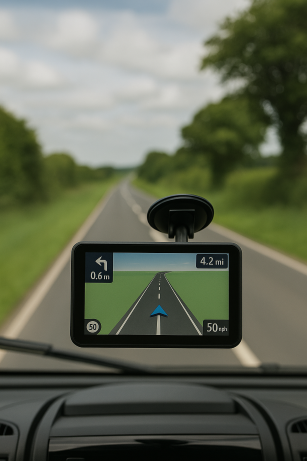
Motorhome sat navs
Use better navigation to avoid unsuitable roads, stressful detours and unnecessary route changes.
Hire a motorhome or campervan
Useful if you want to test different vehicle sizes before committing to ownership.
Buy a motorhome or campervan
Think about fuel, size, storage, insurance, servicing and long-term running costs before buying.
Towing equipment and road trip tips
Towing changes fuel use, braking, route choice and stopping distance, so plan realistically.
What to pack
Pack what you need without carrying unnecessary weight for the whole journey.
Useful next steps
Plan a more efficient road trip with the right guide, route and vehicle setup
Once you have thought about fuel use, vehicle size and driving style, the next step is to plan a route that avoids unnecessary mileage, rushed days and avoidable detours.
Choose a ready-made road trip guide
Use a guide to plan realistic driving days, stops and overnight logic instead of wasting fuel on last-minute detours.
Save with road trip bundles
Bundles work well when travellers are comparing regions or planning a longer route across several areas.
Plan the route before the tank is full
Better planning can reduce backtracking, overlong days and unnecessary mileage.
Route ideas
Road trips where fuel planning and realistic pacing matter
These routes can work well for fuel-conscious planning because visitors can adapt the pace, choose sensible bases and plan stops before setting off.
Classic Cotswolds Road Trip
Shorter distances, villages and base-style touring where planning can avoid unnecessary backtracking.
Norfolk Broads & Coast
A flatter region where relaxed pacing, bases and coastal planning can work well.
Northumberland Castles & Coast
Wide landscapes and coastal touring where sensible stop planning helps.
Wales’ West Coast Road Trip
Coastal touring with slower roads, scenic stops and planning value.
North Coast of Scotland Road Trip
Big-distance touring where fuel, timing and overnight planning are especially useful.
Browse all road trip guides
Choose a route, then adapt it around vehicle size, fuel stops and realistic driving days.
FAQs
Fuel efficient driving FAQs
Simple answers to common fuel-saving questions for motorhome, campervan and road trip travel.
How can I improve fuel efficiency on a motorhome road trip?
Start with the basics: reduce unnecessary weight, remove exterior add-ons you do not need, check tyre pressures, keep the vehicle serviced, plan fuel stops and drive smoothly without harsh acceleration or braking.
Does speed make much difference to fuel use?
Yes. Higher speeds increase air resistance, which is especially noticeable in larger vehicles such as motorhomes and campervans. Slowing slightly can reduce fuel use and make the journey calmer.
Do tyre pressures affect fuel economy?
Yes. Underinflated tyres increase rolling resistance, which means the engine has to work harder. Check pressures when cold and use the correct pressures for the vehicle and load.
Can route planning reduce fuel costs?
Yes. Better route planning can reduce detours, repeated town driving, unnecessary backtracking and stressful last-minute route changes. It also helps you plan sensible fuel stops.
Is it better to use air conditioning or open windows?
It depends on speed and conditions. At lower speeds, opening windows may be fine. At higher speeds, open windows can increase drag, so using air conditioning sensibly may be more practical.
Does towing affect fuel consumption?
Yes. Towing adds weight and drag, which usually increases fuel consumption. It also affects braking, route choice and journey pace, so plan shorter, calmer driving days.
Ready to plan a more efficient road trip?
Use these fuel-saving tips alongside Uncover Britain guides to choose realistic routes, plan better stops and reduce unnecessary mileage.

Find a vehicle and road trip tips

Hire a campervan
Buying a Motorhome
Hire a Car
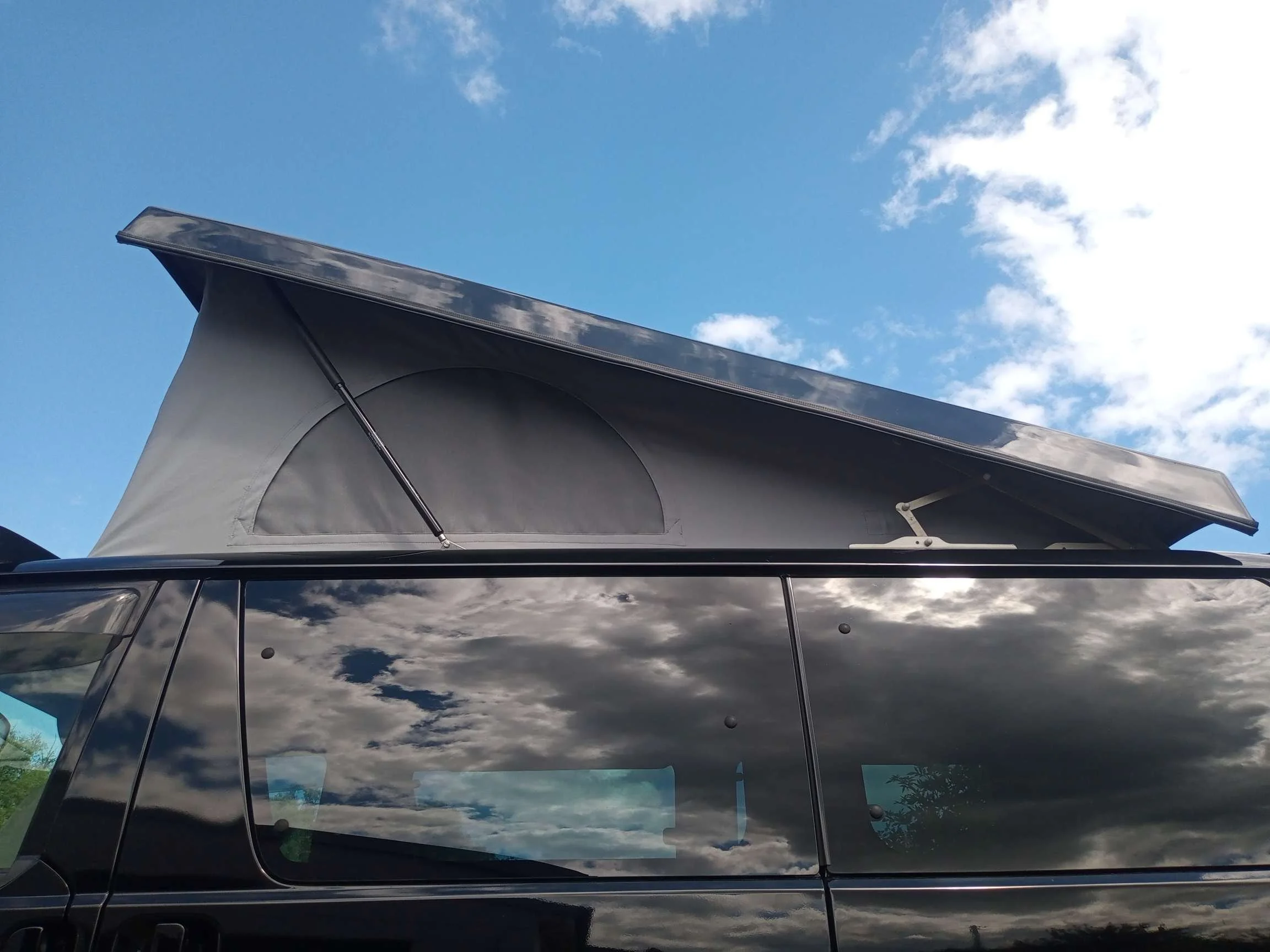
Commission a Campervan
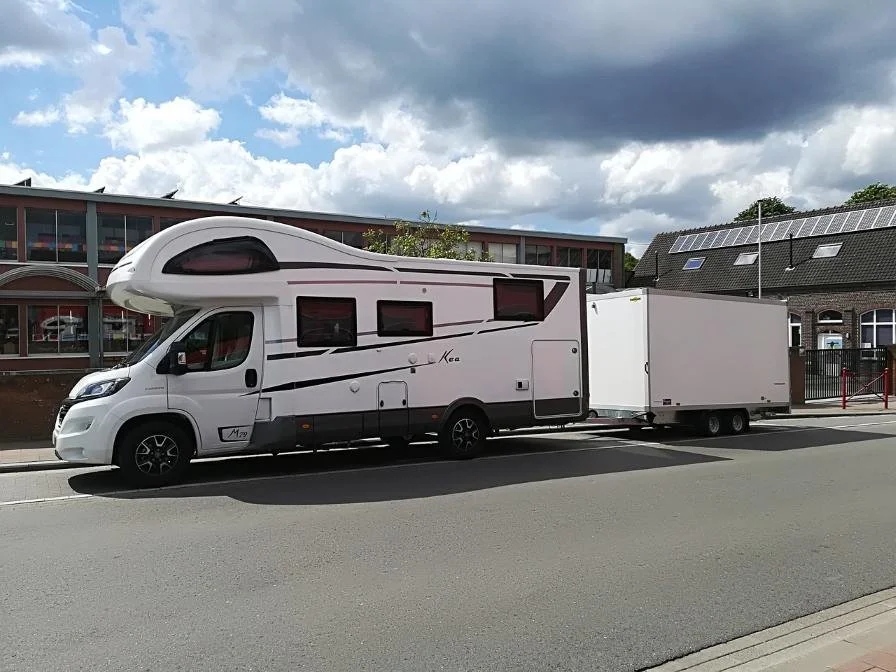
Equipment needed to tow

Top Tips for Buying a Motorhome: New or Second-Hand
Sat Navs for Motorhomes
Code of Conduct

Fuel Efficient Driving Tips

Route Planner Tips

Travelling to the UK?

Road Trip Inspiration
Stay-the-Night (Scotland) Scheme
How to Stay Cool in Warm Weather