
Wales West Coast Road Trip Guide
Wales’ West Coast Road Trip – The Coastal Way from the Llŷn Peninsula to St Davids
Discover a flexible 212-mile Wales coastal road trip from the Llŷn Peninsula to St Davids, following sweeping bays, harbour towns, beaches, castles, wildlife coast and the rugged cliffs of North Pembrokeshire.
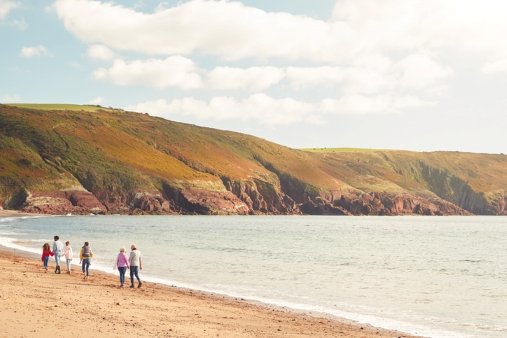

What this guide is
A flexible 212-mile Wales west coast driving itinerary
Discover Wales’ west coast on a 212-mile (356 km) Coastal Way road trip, following one of the country’s three national touring routes from the Llŷn Peninsula to St Davids in Pembrokeshire.
- Explore 17 key destinations across the Llŷn Peninsula, Cardigan Bay and North Pembrokeshire.
- Use hundreds of curated references covering beaches, coastal walks, viewpoints, castles, harbour towns, wildlife and historic sites.
- Follow the full Wales Coastal Way or use its three distinct coastal regions as separate scenic road trips.
How the route is structured
Three connected journeys along Wales’ west coast
The Coastal Way is not a single landscape. It unfolds in chapters — intimate peninsulas, sweeping bays and rugged Atlantic cliffs — which is why this guide is structured as three connected journeys rather than one continuous shoreline drive.
Is this road trip right for you?
Perfect for flexible Wales coastal adventures
Why this route works so well
Hidden peninsula first, sweeping bay second, wild Atlantic coast last
The strength of this Wales west coast road trip lies in how the scenery changes as you travel south. The route does not simply follow one long, repetitive shoreline.
You begin on the Llŷn Peninsula, where narrow lanes, fishing villages, hidden beaches and strong Welsh culture create an intimate opening. Beyond the peninsula, Cardigan Bay becomes broader and more expansive, linking castles, long beaches, seaside towns and wildlife-rich water.
Finally, the coast tightens again in North Pembrokeshire. Cliffs rise higher, Atlantic headlands become more dramatic and the journey concludes in the pilgrim landscape around St Davids.
Quiet peninsula roads, fishing villages and hidden coves
Castles above beaches and mountain-backed coastline
Seaside towns, colourful harbours and long sandy bays
Dolphin watching and wildlife around Cardigan Bay
Pembrokeshire cliffs, headlands and Atlantic scenery
Pilgrim history and the cathedral city of St Davids
What you’ll experience
Along the Wales Coastal Way
This journey links some of Wales’ most distinctive western landscapes — from Welsh-speaking peninsula communities and castle-backed beaches to wildlife-rich bays, colourful harbour towns and the rugged Pembrokeshire Coast.
Criccieth Castle above the sea and gateway to the Llŷn
Abersoch beaches, sailing waters and peninsula headlands
Aberdaron and the ancient pilgrim coast towards Bardsey Island
Harlech Castle, Barmouth and the broad sweep of Cardigan Bay
Aberystwyth, Aberaeron and colourful west coast towns
Dolphins, seabirds and wildlife around Cardigan Bay
Fishguard, Strumble Head and rugged North Pembrokeshire
St Davids, cathedral heritage and the pilgrim landscape
Three coastal chapters
One journey, three very different west Wales landscapes
The route is designed around the way the landscape actually changes. Rather than treating all 212 miles as one uniform coast road, the guide helps you understand the character of each region and choose where to spend more time.
How long you need
Choose your own pace
The 212-mile Coastal Way can be adapted around the time you have. Focus on one region for a short break or follow all three coastal chapters for a slower west Wales road trip.
2–3 days
Choose one coastal region, such as the Llŷn Peninsula or North Pembrokeshire, rather than rushing the full route.
4–5 days
Follow a highlights journey with a focused selection of beaches, castles, viewpoints and harbour towns.
6–8 days
Travel the full route from the Llŷn Peninsula to St Davids with time for coastal walks and slower destination stops.
9–14+ days
Linger on beaches, add longer walks, explore wildlife trips and spend more time in the harbour towns and coastal communities.
Inside your guide
What this guide gives you
A structured, practical road-trip system designed to help you connect the Llŷn Peninsula, Cardigan Bay and North Pembrokeshire into one flexible Wales west coast journey.
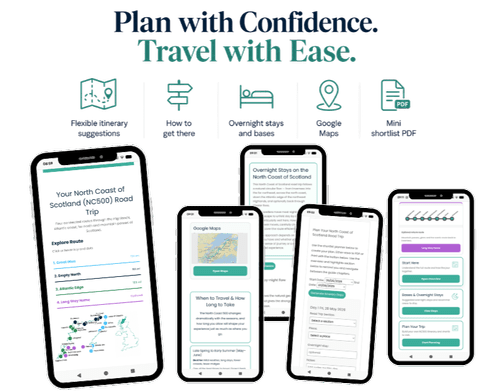
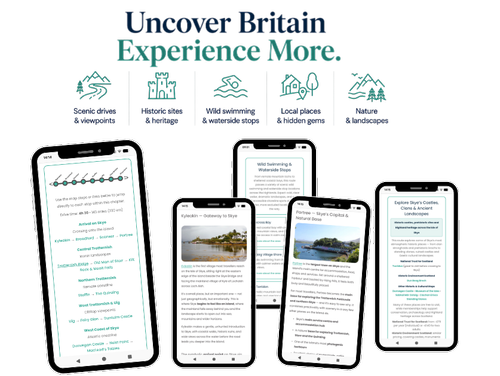
This is not simply a list of places to visit. The guide gives the Coastal Way a clear structure while allowing you to adjust the pace around beaches, walking, wildlife, castles, photography, harbour towns or slower scenic driving.
Route highlights
Wales west coast road trip highlights
Eight contrasting landscapes and destinations showing how the journey changes from the Llŷn Peninsula through Cardigan Bay to the rugged coast of North Pembrokeshire.

Llŷn Peninsula
A quieter opening of headlands, coves, fishing communities and strong Welsh culture, with sea views around almost every turn.

Harlech Castle
A dramatic medieval fortress overlooking Cardigan Bay, with mountains behind and broad coastal scenery below.
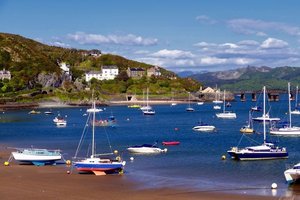
Barmouth
A classic seaside stop where a broad estuary, long beach and mountain backdrop create one of the route’s biggest views.

Aberystwyth
Victorian promenade, maritime character and a lively west Wales setting make this an important midpoint on Cardigan Bay.
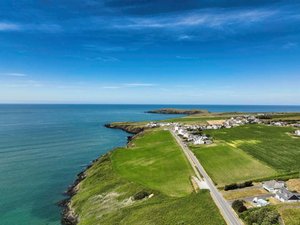
Cardigan & the Teifi Estuary
River, estuary and sea landscapes come together around a historic town and a wildlife-rich stretch of the west Wales coast.
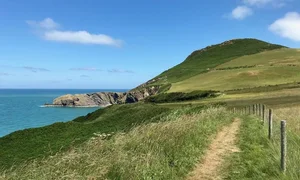
Llangrannog & Coast Path
A compact coastal village framed by cliffs and walking routes, ideal for experiencing Cardigan Bay at a slower pace.

Strumble Head
Lighthouse scenery, exposed headlands and Atlantic horizons mark the transition into a wilder North Pembrokeshire landscape.

St Davids
Britain’s smallest city brings cathedral heritage, ancient pilgrimage and dramatic Pembrokeshire scenery together.
Save with related bundles
Explore more of Wales for less
The Coastal Way guide is available within larger collections for travellers planning a fuller Wales road trip or pairing the western coastline with contrasting border landscapes.
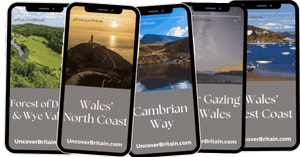 Best value
Road trip bundle
Wales as a Region
The complete Wales collection — coast, mountains, dark skies and border country in one high-value multi-guide set.
- North Wales Way Road Trip
- Wales’ West Coast Road Trip
- The Cambrian Way
- Forest of Dean & Wye Valley
- Star Gazing in Wales Road Trip
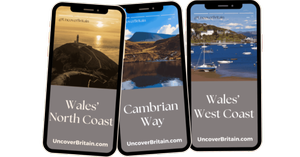 Wales
Wales
Road trip bundle
Wales Explorer
A balanced three-route Wales set combining coast, mountains and long scenic drives.
- North Wales Way Road Trip
- Wales’ West Coast Road Trip
- The Cambrian Way
 Wales
Wales
Road trip bundle
Welsh Borders & West Wonders
A complementary two-guide set pairing wooded border valleys with Wales’ sweeping western coastline.
- Forest of Dean & Wye Valley
- Wales’ West Coast Road Trip
Explore more of Wales
Other Wales road trip guides
Continue your journey with flexible digital road trip guides covering North Wales, the country’s central mountain spine, the Wye Valley and some of Wales’ best dark-sky landscapes.
Helpful trip planning links
Continue planning your Wales west coast adventure
Explore Wales-focused inspiration, then use practical planning resources to shape the rest of your self-drive holiday.
Discover more about Wales
Best Beaches in Wales Discover sandy bays, coastal landscapes and beach ideas for a longer journey around Wales. Beautiful Places in Wales Explore scenic landscapes and destination ideas for a wider Welsh road trip. Hidden Gems in Wales Find quieter places and less obvious stops beyond the best-known coastal destinations. Wales Castles Road Trip Discover castle-rich journey ideas linking some of Wales’ strongest historic landscapes. Explore the Wales Way See how Wales’ national touring routes can help shape a bigger self-drive journey. Best Places to Visit on a Wales Road Trip Explore more destination ideas for building a wider holiday around Wales.Prepare for your trip
Road Trip Planning Hub Get broader advice before choosing your route, pace and overnight stops. Hire a Campervan or Motorhome Find a vehicle for your UK road trip before choosing your route. UK Campsites, Holiday Parks & Glamping Browse overnight ideas for road trips, campervans and touring holidays. Heritage Memberships Compare memberships that may help with castles, gardens and historic places. What to Pack for a UK Road Trip A practical checklist for preparing your car, bags and road trip essentials. Travelling to the UK? Useful guidance for overseas visitors planning a UK self-drive holiday.Wales Coastal Way FAQs
Questions about the route and guide
Quick answers for travellers planning a self-drive journey along Wales’ west coast from the Llŷn Peninsula to St Davids.
How long is the Wales Coastal Way road trip?
The route covered by this guide is approximately 212 miles (356 km), travelling from the Llŷn Peninsula through Cardigan Bay and North Pembrokeshire to St Davids.
How many days do I need for the Coastal Way?
A focused highlights trip can be planned in around 4–5 days, but approximately 6–8 days gives a more comfortable pace for the full journey. Longer trips allow more time for beaches, walking, wildlife and slower coastal stops.
Where does the Wales Coastal Way start and finish?
This guide follows the west Wales coast from the Llŷn Peninsula south through Cardigan Bay and North Pembrokeshire, concluding at St Davids.
What are the three main sections of the route?
The guide is structured around three distinct coastal regions: the Llŷn Peninsula, Cardigan Bay and North Pembrokeshire. Each has a different landscape and character.
Can I see dolphins on this Wales west coast road trip?
Cardigan Bay is an important wildlife area and dolphin watching is one of the experiences associated with this stretch of coast. Sightings are never guaranteed, and travellers should check current local wildlife information and responsible boat operators.
Is this a fixed itinerary?
No. The guide is designed for flexible self-drive travel. You can follow the full route, focus on one coastal region or adjust the pace around beaches, walking, wildlife, heritage and scenic stops.
Is the guide suitable for campervans and motorhomes?
The guide is designed for independent self-drive travellers using cars, campervans and motorhomes. Always check current road, access, parking and vehicle restrictions for your specific vehicle before travelling.
What do I get when I buy the guide?
You receive online digital access to the structured road trip guide, including route sections, destination content, planning support, itinerary ideas, maps and curated references. Access lasts for 12 months from purchase.
Can I buy the Coastal Way guide as part of a bundle?
Yes. The Coastal Way is included in the Wales as a Region collection, the three-guide Wales Explorer bundle and the Welsh Borders & West Wonders two-guide bundle.
Ready to explore Wales’ west coast?
Follow 212 miles of peninsula roads, sweeping bays, beaches, castles, harbour towns, wildlife coast and rugged Pembrokeshire scenery with one flexible digital guide.
Buy the Coastal Way guide — £12.99✓ Digital travel guide ✓ 12 months' access ✓ No app download required ✓ Instant access after purchase
✓ Ideal for cars, motorhomes & campervans ✓ Covers road trips from 3–14+ days