
Quieter UK road trip ideas
5 Road Trips to Watch: Standout UK Routes Beyond the Obvious
Five rewarding UK road trips that deserve more attention — combining coast, countryside, castles, historic towns and quieter detours across Wales, Scotland and England.
Five routes with room to explore
Why these road trips are worth watching
Britain’s biggest-name road trips attract attention for good reason, but they are not the only places where the journey itself becomes memorable. Some of the most rewarding regions combine major sights with quieter roads, overlooked towns and detours that still feel like discoveries.
This selection focuses on five road trips with enough variety to sustain a proper journey: places where scenery, history and local character change as you drive, and where you can mix headline attractions with less obvious stops.
Quick answer: which UK road trips deserve more attention?
Five standout choices are the Forest of Dean & Wye Valley, North Wales Coast, Edinburgh & Scottish Borders, York & North York Moors, and the Malvern Hills with Herefordshire and Worcestershire. They are especially strong for travellers who want famous sights without building an entire trip around the busiest tourist routes.
How we choose them
What makes a road trip one to watch?
A route does not need to be completely undiscovered to deserve more attention. In fact, the strongest road trips often combine recognisable places with enough quieter roads, overlooked stops and local character to make the journey feel personal.
Variety rather than one headline attraction
The best journeys change as you travel, moving between coast, countryside, towns, heritage and viewpoints.
Room for detours
A good road trip should leave space for the unexpected — a short walk, an unplanned café stop, a viewpoint or a village that was not originally on the itinerary.
A strong sense of place
The route should feel rooted in its region, whether through landscape, architecture, food, history or local stories.
A realistic journey
We prefer routes where the driving connects worthwhile stops rather than becoming a long mileage challenge for its own sake.
That is why these five regions stand out. Each offers enough structure for a purposeful trip, but enough flexibility to let the journey unfold naturally.
Best for woodland
Forest of Dean & Wye Valley
Best for coast & castles
North Wales
Best for history
Edinburgh & Borders
Best for variety
York & North York Moors
Best for quiet countryside
Malvern & Herefordshire
Choose by travel style
Which of these road trips is right for you?
Forest of Dean & Wye Valley
Best for woodland, river scenery, outdoor activities and a compact journey with plenty of short detours.
North Wales Coast
Choose it for castles, sea views and mountain backdrops, with the option to extend towards Anglesey or Eryri.
Edinburgh & Scottish Borders
Strong for history, literature and a slower transition from city to countryside.
York & North York Moors
Best for the widest mix of historic city, moorland, villages, heritage railways and coast.
Malvern, Herefordshire & Worcestershire
Particularly good for quieter countryside, ridge views, historic towns and black-and-white villages.
For a shorter first road trip, compact regions such as the Forest of Dean, Malvern Hills and North York Moors can be easier to explore without spending most of the day covering distance.
Forest of Dean & Wye Valley
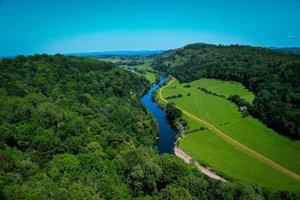
The Forest of Dean and Wye Valley rewards slow travel. Ancient woodland, river bends, limestone viewpoints and small settlements sit alongside traces of tramways, ironworks and mining history, giving the landscape more depth than a straightforward countryside drive.
Symonds Yat is the obvious viewpoint, but the real strength of the region is how easily a day can shift between forest roads, riverside stops, market towns and short walks. The road trip works best when you leave gaps in the itinerary for unplanned pauses.
Why it is one to watch
- A strong mix of scenery and heritage in a relatively compact region.
- Good for walking, cycling, canoeing and slower outdoor travel.
- Easy to combine famous viewpoints with quieter forest and riverside stops.
North Wales Coast
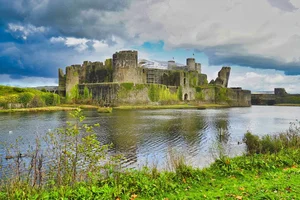
North Wales has one of Britain’s strongest combinations of coast and history. Conwy and Caernarfon bring monumental castle architecture, Anglesey opens into wider skies and quieter beaches, and the mountains of Eryri remain close enough to reshape the horizon throughout the journey.
The route becomes more interesting when you look beyond the largest attractions. Rhos-on-Sea, smaller coastal stops and short sections of the Wales Coast Path can soften the pace between headline sights.
Why it is one to watch
- Major castles and UNESCO-recognised heritage alongside sea and mountain scenery.
- Easy to extend towards Anglesey or inland into Eryri.
- A natural fit with the wider Wales Way network.

Edinburgh & the Scottish Borders
This journey begins with the scale and energy of Edinburgh, then changes character as the road moves south into the Borders. Rolling hills, river valleys, ruined abbeys and historic towns create a slower landscape shaped by conflict, literature and long border stories.
Scott’s View is a particularly memorable pause: the River Tweed curves through the valley beneath the Eildon Hills, while nearby Abbotsford adds another layer through the life and imagination of Sir Walter Scott.
Why it is one to watch
- Combines a major European city with genuinely quiet countryside.
- Strong for abbeys, castles, literature and historic landscapes.
- Ideal for travellers who want atmosphere rather than constant headline attractions.
York & North York Moors
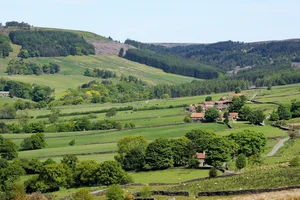
Few regional road trips change character as neatly as this one. York offers medieval streets, city walls and the Minster; the moors then open into heather, stone villages and exposed roads before the journey reaches the North Yorkshire coast.
Hutton-le-Hole is a good example of the quieter side of the route, while Whitby, the heritage railway, Helmsley and Rievaulx bring completely different reasons to stop.
Why it is one to watch
- One journey can combine city history, national park scenery and coast.
- Strong range of villages, abbeys, market towns and heritage railways.
- Works well for travellers who dislike one-note itineraries.
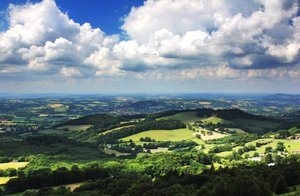
Malvern, Herefordshire & Worcestershire
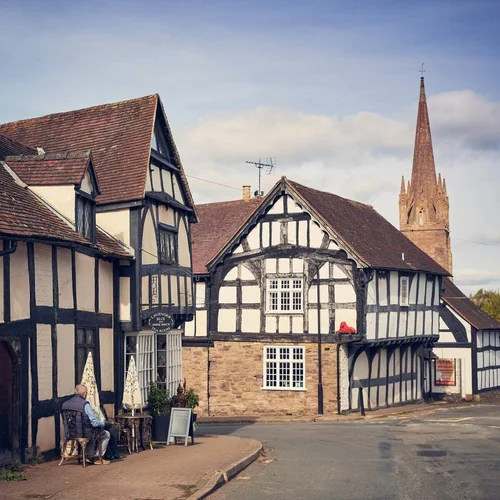
This is a slower countryside journey through a part of western England that is easy to overlook. Worcester brings cathedral and Civil War history; the Malvern Hills add long ridge views; and Herefordshire’s timber-framed villages create a completely different visual character.
British Camp is one of the strongest pauses for wide views, while the Black and White Trail links market towns and villages in a way that makes the road itself feel purposeful. Orchards, gardens and the borderlands towards the northern Cotswolds add further variety.
Why it is one to watch
- One of the strongest quieter alternatives to England’s busiest countryside regions.
- Combines ridge scenery, food landscapes, historic towns and timber-framed villages.
- Good for short breaks or a slower multi-day road trip.
The real reason to choose these routes
Famous enough to be rewarding, quiet enough to leave room for discovery
These five regions are not “secret” destinations, and that is not the point. Each has major attractions worth travelling for. What makes them especially useful for a road trip is the space between those attractions: viewpoints, villages, short walks, market towns and small detours that can change the rhythm of the day.
That balance matters. A road trip becomes more memorable when the itinerary has enough structure to feel worthwhile but enough flexibility to let the journey evolve.
A specialist note
Why quieter routes often make better road trips
The busiest road trip is not always the most memorable one.
Popular regions can be spectacular, but heavy traffic, limited parking and pressure to complete a famous route can quickly change the experience. Quieter journeys often give you more freedom to stop, change direction and spend longer in places you did not expect to enjoy.
That does not mean avoiding major attractions. Some of the best road trips combine one or two headline sights with smaller places in between. The key is balance.
A successful road trip should feel like a journey through a region, not a checklist of stops.
Keep exploring
More scenic drives and hidden gems
Scenic drives
Compare national and regional scenic routes, from mountain roads to coast and countryside.
Hidden gems
Go beyond the headline stops with quieter places that work particularly well by car.
Planning questions
Road trips beyond the obvious: FAQs
Which UK road trip is best for quieter countryside?
The Malvern Hills with Herefordshire and Worcestershire are a strong choice for ridge views, historic towns, orchards and timber-framed villages without relying on one heavily visited headline route.
Which route is best for coast and castles?
North Wales is particularly strong because major castles, coastal towns, Anglesey and the mountains of Eryri can all be combined within one wider journey.
Which road trip offers the greatest variety?
York and the North York Moors offer one of the clearest contrasts: a historic city, open moorland, villages, abbeys, heritage railways and the North Yorkshire coast.
Are these road trips suitable for campervans and motorhomes?
Many parts of these regions can work well for larger vehicles, but route suitability varies. Check narrow roads, gradients, restrictions and parking before committing to a specific scenic section.
How long should I allow for one of these road trips?
Most work well as flexible multi-day journeys. A long weekend can suit a compact region, while five to seven days gives more space for viewpoints, walks and detours without turning the trip into a race.