
Road trip guides
How a Road Trip Guide Helps You Plan Better
A good road trip guide does more than point you from one place to another. It helps you understand the shape of the journey, what is worth seeing, how to pace your days and how to travel with more confidence.
Use this page to understand how a curated guide can support your planning alongside maps, travel tools, vehicle decisions and your own interests.
Quick answer: a road trip guide helps you plan better by giving structure, route context, realistic pacing, local-style stops, itinerary ideas and practical links, so you are not relying only on a map or a long list of places.

Why use a guide?
A guide gives the journey a shape
Maps are useful for getting from A to B, but they rarely tell you whether a route makes sense as a holiday. A road trip guide helps you see the bigger picture: the order of places, the rhythm of the route and the decisions that make the trip easier to enjoy.
It helps you choose the right route
A guide helps you decide whether a region, coast, countryside route, heritage trail or island trip suits your time, vehicle and travel style.
It keeps the plan realistic
A good guide helps you avoid trying to cover too much. It supports better daily pacing, more manageable driving and more time for places you actually want to enjoy.
It adds context
A list of stops can tell you where to go. A guide helps explain why those places belong together and how they can form a coherent trip.
Guide vs map
A guide is different from a route planner
Online maps and route tools are useful, but they are not the same as a road trip guide. A map can show the road. A guide helps you decide whether that road is worth taking, where to stop, how long to allow and what to prioritise.
What maps are best for
- Live directions and traffic updates.
- Distance checks and estimated drive times.
- Finding fuel, charging, parking and services.
- Navigation once the day has already been planned.
What a road trip guide adds
- Route shape and day-by-day logic.
- Suggested places that work together.
- Context for heritage, scenery and local character.
- Planning support for flexible, realistic travel.
Realistic planning
It helps you avoid unrealistic driving days
One of the biggest road trip mistakes is treating map time as the whole plan. A guide helps you think about the full day: driving, stops, food, parking, weather, rest, overnight bases and the slower pace of rural and coastal roads.
Driving time is only part of the day
Four hours of driving can easily become a full travel day once you add parking, viewpoints, cafés, short walks, attraction visits and detours.
Buffers matter
On rural routes, coastal roads and motorhome-friendly journeys, it is often sensible to add extra time to map estimates rather than planning every minute tightly.
Vehicle choice changes the route
A route that works well in a car may need adapting for a motorhome, campervan, EV or towing setup.
Local-style travel
It helps you travel like a local, not just a tourist
A stronger road trip often comes from the places between the obvious highlights. A curated guide can help you notice quieter viewpoints, local towns, heritage stops, independent places and slower experiences that can be missed when planning only from headline attractions.
Viewpoints and scenic pauses
Good viewpoints can make the driving day part of the experience, not just the space between destinations.
Hidden gems
Smaller places, quiet streets, local landmarks and tucked-away discoveries can make a trip feel more personal.
Natural places and swim spots
Wild swimming and natural stops need care around safety, access, weather and local guidance, but can add a memorable slower moment.
What “local-style” planning can include
It might mean a riverside walk, a harbour stop, a market town, a film or TV location, a local café, a historic pub, an independent museum, a farm shop, a quiet viewpoint or a seasonal landscape that gives the route more character.
The aim is not to avoid famous places. It is to give the journey enough depth so you are not simply moving from one busy attraction to the next.
Overnight logic
It helps you think about where to stay
Overnight stops shape the whole road trip. A guide can help you think about whether a route suits hotels, inns, campsites, touring parks, pub stops, designated motorhome stopovers or longer bases.
Hotels, inns and guesthouses
These can suit car travellers who want easy access to towns, food, attractions and evening walks.
Campsites and touring parks
These are useful when you need facilities, a booked pitch, waste disposal, water or electric hook-up.
Pub and motorhome stopovers
Stopovers can support flexible touring, but they should be legal, suitable, respectful and planned with local rules in mind.
What you get
What an Uncover Britain road trip guide helps with
Uncover Britain guides are designed to help you plan flexible self-drive trips across England, Scotland, Wales and the Islands, with route structure, map support and practical context.
Route sections
Break a wider journey into more manageable sections so you can shape the trip around your time and interests.
Destination ideas
Find towns, coast, countryside, castles, heritage places, viewpoints and quieter places that fit together as a journey.
Flexible pacing
Use the guide to slow the trip down, skip places, add extra nights or focus on the parts that suit your own pace.
Self-drive context
Plan around cars, campervans and motorhomes, with an awareness that vehicle choice affects roads, stops and overnight planning.
Digital access
The guides are designed for online access, so you can plan and refer back to route information without needing a dedicated app.
Planning pathways
Move from inspiration, to route choice, to itinerary planning, to practical preparation.
Who it helps
Who benefits from a curated road trip guide?
A curated guide is useful when you want more support than a map, but more flexibility than a fixed tour. It works especially well for self-drive travellers who want structure without losing freedom.
UK travellers
Useful for weekends, longer holidays, scenic routes, family breaks, heritage trips and slower regional touring.
International visitors
Helpful when you need UK context, realistic route ideas and confidence about where to go beyond the most obvious places.
Campervan and motorhome travellers
Useful for thinking about route pace, overnight stops, vehicle size and practical travel decisions.

How to Plan a Road Trip
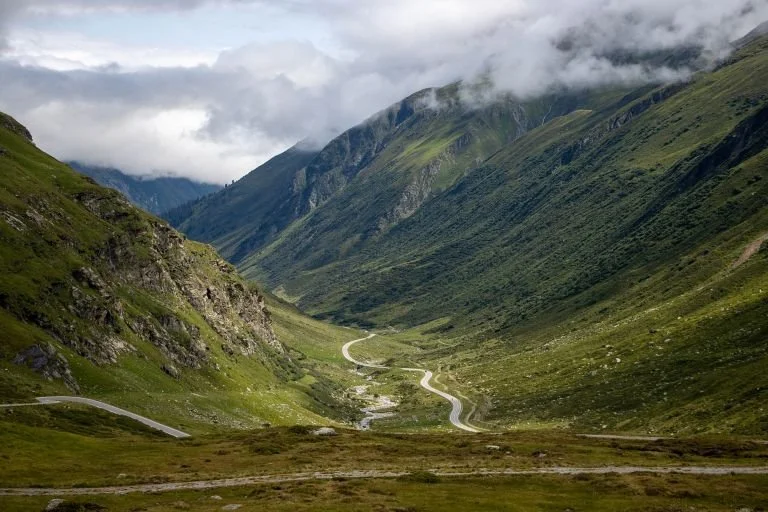
Road Trip Planning Guide

Travelling to the UK
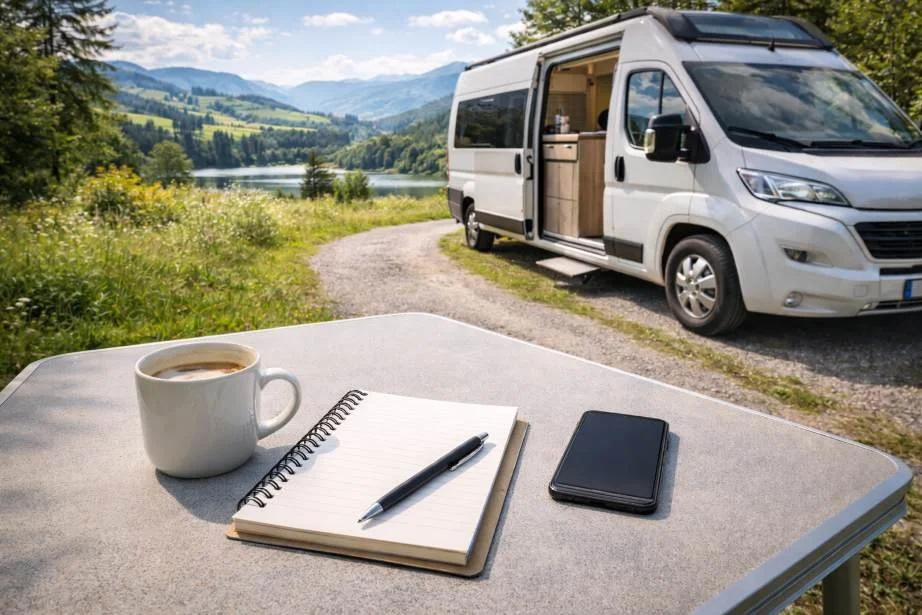
Why a Travel Itinerary is Essential
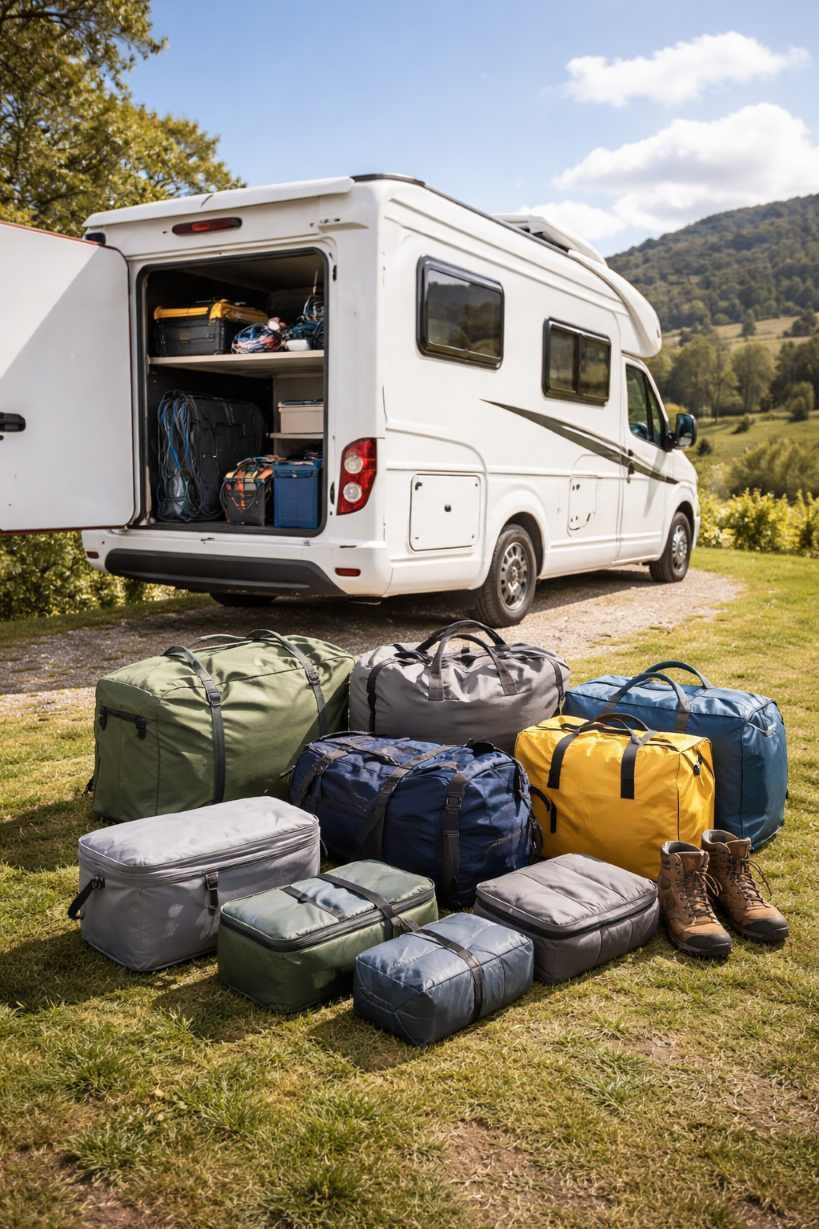
Ultimate Guide to What to Pack for Your Road Trip

Just for fun: What's your road trip style?
UK Road Trip Reality Check

Camping Club Memberships

Ultimate Road Trip Playlist

25 x Fabulous Road Trip Recipes
Code of Conduct

Fuel Efficient Driving

Heritage Club Memberships
Pub Stopovers

Top 10 Most Scenic Drives
Sat Nav for Motorhomes for 2026

Road Trip Experiences

Road Trip Inspiration

Find a Vehicle & Driving Tips
Benefits of a Journey Planner