
Wild swimming, outdoor dips and road trip planning
Best Wild Swimming Spots in the UK: Memorable Stops for Your Road Trip
Discover how wild swim spots can add refreshing, memorable stops to a UK road trip — from hidden lakes and rivers to waterfalls, beaches and coastal coves. Uncover Britain route guides list selected wild swimming ideas where they fit the journey, with useful reference links and safety notes.
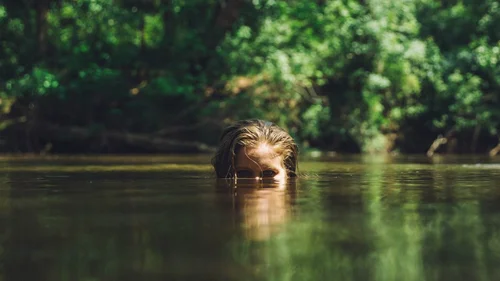
Wild swimming can turn a good road trip into a memorable one. A clear lake, quiet river pool, waterfall plunge, sea inlet or sheltered cove can become one of the moments you remember most from the journey.
It is not just about getting into the water. It is about the pause it creates: the quiet corner of a lake, the sound of a river, the feeling of fresh water after a long drive, or a coastal dip where you can float for a moment and watch the sky.
There is something incredibly grounding about it. No tiles, no crowds, no noise — just fresh water, fresh air and a moment that feels completely yours.
On a road trip, these dips can become the highlights you never planned. They break up long drives, help you pause for a breath, and let you experience the landscape in a much more personal way. Even a quick swim or paddle can change the tone of the day and leave you feeling lighter and more present.
But wild swimming is also something to approach carefully. Natural water is different from a swimming pool. Conditions change, access rules vary, and what looks inviting from the bank may not always be suitable once you are there.
Uncover Britain road trip guides may include selected wild swim spots where they fit the route. These are listed as useful stop ideas with reference links and planning notes, not shown as a standalone wild swimming map or live safety database.
Quick answer: a wild swimming spot is a natural place where people may be able to swim outdoors, such as a river pool, lake, waterfall, beach or cove. Uncover Britain includes selected wild swim ideas inside relevant route guides, with notes and useful reference links, but you must always check safety, water quality, access and local conditions before getting in.
If you searched for wild swim spots in the UK
Many people arrive looking for the best wild swimming spots in the UK, wild swimming near a route, lake swimming, river swimming, sea swimming, waterfall pools or hidden places for an outdoor dip. This page helps you plan safely and understand how wild swim ideas fit into Uncover Britain road trips.
What this page helps with
- Understanding what counts as a wild swimming spot.
- Planning wild swims as part of a UK road trip.
- Knowing what to check before getting into natural water.
- Finding related route guides and outdoor planning pages.
What it is not
- Not a live wild swimming map.
- Not a complete database of every UK wild swim spot.
- Not a real-time water quality or safety checker.
- Not a guarantee that swimming is allowed or safe on the day.
Wild swimming carries risk. Always check access, water quality, weather, currents, tides, depth, entry and exit points, cold water conditions and local restrictions before swimming.
Planning a full UK road trip?
Use this page to understand wild swim stops, then choose a road trip guide if you want route maps, destination notes, selected outdoor stops, useful reference links and flexible itinerary support in one place.
Why wild swimming can make a road trip feel more memorable
A wild swim changes the rhythm of a journey. Instead of moving from car park to attraction to hotel or campsite, you stop somewhere that makes you feel part of the landscape.
It might be a still lake in the morning, a waterfall pool after a walk, a sea swim at the end of a coastal day or a quick paddle in a river before heading back to the road. These moments do not have to be big or complicated to matter.
For many travellers, wild swimming is one of the easiest ways to slow a road trip down. It gives you a reason to stop, look around, breathe properly and enjoy where you are, rather than simply passing through.
What counts as a wild swimming spot?
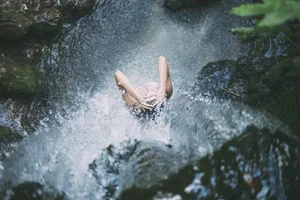
A wild swimming spot is any natural place where people may be able to get into the water. It could be a lake, river pool, waterfall plunge, tidal pool, beach, sea loch, estuary edge or quiet stretch of coastline.
What matters is not just that the place looks beautiful. A good wild swim spot needs suitable access, sensible entry and exit points, manageable conditions and a clear understanding of whether swimming is allowed, safe and appropriate.
Some places are popular with local swimmers and are well known. Others are quieter places where the main appeal is a paddle, a quick dip or a scenic pause rather than a full swim.
Wild swimming on a road trip
Wild swimming works best when it fits naturally into the route. A swim stop can break up a long day, cool you down after a walk, add variety to a coastal drive or turn a scenic detour into something more memorable.
On a road trip, a good wild swimming stop might help you:
- pause beside a lake, river, waterfall, beach or cove;
- cool off during a summer road trip;
- add a memorable outdoor experience to the day;
- combine a swim with a walk, viewpoint or picnic stop;
- slow the route down and make the day feel less rushed.
Uncover Britain guides list wild swim ideas where they are useful for the route. These are usually supported by reference links or notes so you can check the place properly before deciding whether it suits your plans.
Important: wild swim spots are not provided as a live map, safety guarantee or instruction to swim. They are route-based ideas to research and assess carefully before you go.
How to find enjoyable wild swim stops along your route
The best wild swim stop is not always the most famous one. It is the one that fits the day: close enough to the route, easy enough to access, calm enough for your confidence and suitable for the weather and conditions.
Look for places that combine naturally with the rest of the journey — a lake after a walk, a river pool near a picnic spot, a beach beside a coastal road, or a cove that turns a scenic detour into something more memorable.
In Uncover Britain guides, wild swim ideas are included where they support the route. They are there to help you research and plan, not to replace your own checks on access, safety and water conditions.
Types of wild swim spots you might find
Lakes and tarns
Lakes and tarns can be calm and scenic, but water temperature, depth, boat activity, access and algae warnings all need checking.
Rivers and pools
River pools can be beautiful for a dip, but currents, slippery rocks, water levels and pollution risk can change quickly.
Waterfalls
Waterfall plunge pools can look tempting, but they need extra caution because of depth, rocks, force of water and difficult exits.
Beaches and coves
Sea swimming can be wonderful on a road trip, but tides, currents, waves, weather and lifeguard cover matter.
How to check whether a wild swim spot is safe
A place can look calm and still be risky. Before you swim, pause and assess the spot properly.
- Entry and exit: can you get in and out safely?
- Depth: do you know how deep it is, and does it change suddenly?
- Current: are there strong flows, weirs, tides or hidden pulls?
- Water quality: are there warnings, pollution risks or algae blooms?
- Weather: has there been heavy rain, wind, cold or stormy conditions?
- Temperature: cold water can affect breathing and strength quickly.
- Access: are you allowed to be there, and are you respecting local rules?
- Company: it is safer to swim with someone rather than alone.
Cold water, confidence and beginners
Wild swimming can suit beginners, but it is best to start slowly. Choose simple, calm, shallow-feeling places with easy access and avoid deep, fast-flowing or exposed water until you are experienced.
Cold water can affect even strong swimmers. Enter gradually, keep your first swims short, avoid pushing through shivering or breathlessness, and warm up properly afterwards with dry clothes, layers and a warm drink if possible.
If you feel cold quickly, get out, dry off and put warm layers on straight away.
Is wild swimming legal in the UK?
Access rules vary across the UK. Scotland has different access traditions from England and Wales, and even in places where people swim regularly, land ownership, local restrictions, safety notices, conservation rules and private access can still matter.
The safest approach is to check local information, respect signs, use established access points where possible and leave if asked by a landowner or authority.
Good road trip rule: treat every wild swim as a place to research, not just a pin to follow. Check access, safety and water quality before making it part of your day.
How Uncover Britain includes wild swim spots
Wild swim spots are included in Uncover Britain route guides where they add something useful to the journey. They might sit near a scenic road, a walk, a viewpoint, a beach stop, a picnic place or a quiet detour.
They are listed as selected ideas with useful reference links or notes. They are not currently plotted as a standalone wild swimming map, and they are not checked in real time for water quality, access, weather or safety.
This means they should be treated as inspiration and planning support. Before swimming, use the reference links, local information, signs and your own judgement to decide whether the place is suitable on the day.
Want wild swim ideas as part of a route?
Uncover Britain guides are designed around joined-up routes, not disconnected lists. Wild swim ideas sit alongside scenic stops, viewpoints, destination notes and planning links where they help the journey.
Good routes where wild swimming can fit the journey
Wild swimming is most useful on routes with lakes, rivers, waterfalls, beaches, lochs, quiet coves or scenic picnic stops.
Lake District Road Trip
Lakes, tarns, valleys and mountain scenery make water-based stops a natural part of the route.
View Lake District guideNorth Wales Road Trip
Coast, mountains, rivers and waterfalls can add memorable outdoor stops to a Wales route.
View North Wales guideWest Coast of Scotland Road Trip
Sea lochs, beaches, islands and wild-feeling landscapes make careful swim planning especially useful.
View West Coast Scotland guideNorth Coast of Scotland Road Trip
Beaches, sea views, remote scenery and cold-water caution all matter on this dramatic route.
View NC500 guideCornwall Coast Road Trip
Beaches, coves and tidal conditions make sea swimming checks essential on a Cornwall road trip.
View Cornwall guideNorthumberland Road Trip
Coast, rivers, beaches and quieter landscapes can create scenic pause points along the journey.
View Northumberland guideWhat to take for a wild swim stop
You do not need lots of equipment for a simple dip, but a few practical items can make it safer and more comfortable.
- wet shoes or grippy sandals;
- a towel or changing robe;
- warm layers for afterwards;
- waterproof plasters for small cuts;
- a dry bag for valuables;
- a drink and snack for afterwards;
- a phone kept dry and charged;
- a swim buddy or someone who knows where you are.
Wild swimming etiquette
Wild swim spots are often sensitive places. Keep noise low, avoid blocking lanes or gateways, take litter away, do not disturb wildlife, avoid damaging banks or vegetation and respect local residents.
If a place feels too busy, unsafe, restricted or unsuitable, choose another stop. The best road trip memories are rarely made by forcing a plan.
Related outdoor and road trip planning pages
Use these pages to connect wild swimming with wider road trip planning, overnight stays and scenic stops.
Wild swim spots FAQs
What exactly counts as a wild swimming spot?
A wild swimming spot is any natural place where people may be able to get into the water, such as a river pool, lake, waterfall plunge, beach, cove, sea loch or quiet coastal stretch.
How do I know if a wild swimming spot is safe?
Check entry and exit points, depth, currents, tides, weather, water quality, cold water risk, local warnings and whether you are allowed to swim there. Natural conditions can change quickly.
Do I need any special equipment for wild swimming?
Wet shoes, a towel or changing robe, warm layers, waterproof plasters, a dry bag and a charged phone are useful. Cold water swimmers may need extra kit and experience.
Is wild swimming suitable for beginners?
It can be, but beginners should start with calm, simple places with easy entry and exit, avoid deep or fast-flowing water, keep swims short and never push beyond their confidence.
How can I find wild swim spots on my road trip?
Uncover Britain route guides may list selected wild swim ideas where they fit the journey, with useful reference links and notes. They are not shown as a standalone live wild swimming map.
Are wild swimming spots free to visit?
Many natural swimming places are free to visit, but some may involve parking fees, access restrictions, private land, seasonal rules or local charges. Always check before going.
Can I wild swim all year round?
Some experienced swimmers do, but cold-weather swimming needs extra caution, warm layers, shorter swims and proper understanding of cold water risk.
Is wild swimming legal in the UK?
It depends on the location. Access rules vary between England, Wales and Scotland, and some waters sit on private land or have local restrictions. Respect signs and leave if asked.
Should I swim alone?
It is safer to swim with someone. If you do go alone, tell someone exactly where you are going, when you expect to be back and keep your phone dry and accessible.
What should I do if I feel cold quickly?
Get out of the water, dry off and put warm layers on straight away. Even strong swimmers can get cold faster than expected in natural water.
Final thoughts: add wild swims carefully, not casually
Wild swimming can be one of the most joyful parts of a UK road trip. It can turn a simple stop into a memory, especially when the place fits naturally into the route.
But every swim needs judgement. Check the conditions, respect access, know your limits and be prepared to walk away if the place is not suitable on the day.
Use this page to understand how to think about wild swim spots, then choose a route guide if you want selected outdoor stop ideas, useful links and wider road trip planning support.
Choose a route, then plan the right outdoor stops
Browse Uncover Britain road trip guides and bundles for curated routes, maps, selected wild swim ideas, scenic stops, viewpoints and flexible itinerary support across Britain.