
UK scenic viewpoints and road trip stops
Best Scenic Viewpoints in the UK for Road Trips
Scenic viewpoints can completely change the feel of a road trip. They turn a practical drive into a series of memorable pauses, giving you time to stretch, take photographs and understand the landscape around you.
A viewpoint might be a mountain pass, coastal cliff, roadside lay-by, picnic area, castle tower, harbour wall or short walk from a car park.
Looking for scenic viewpoints, car viewpoints or view points near you? Start with the destination guides below. They bring together accessible viewpoints by car, roadside scenic stops and short walks that fit naturally into road trips across Britain.
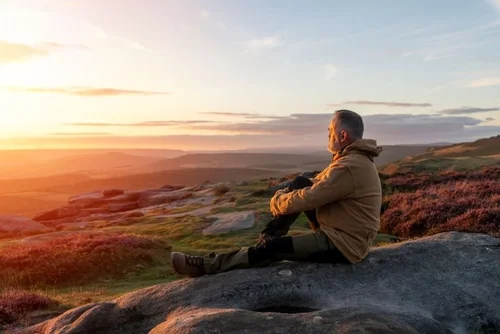
Start here
What makes a good road trip viewpoint?
A viewpoint is more than somewhere to pull over for a photograph. The best scenic stops improve the route, give everyone a break and reveal something meaningful about the surrounding landscape.
Easy scenic pauses
Lay-bys, picnic areas and roadside pull-ins can offer rewarding views with little or no walking.
Landscape and context
A good view can help you understand the shape, scale and character of a coast, valley, mountain range or historic town.
A reason to pause
Viewpoints can break up longer journeys, provide picnic stops or create memorable moments without taking over the whole day.

Viewpoints make travel feel more human
A scenic stop turns a practical driving day into something more enjoyable. It gives structure to the journey and helps everyone reconnect with the places outside the car window.
A worthwhile stop might:
- Break up a long driving day.
- Reveal the character of the landscape.
- Offer safe parking close to the view.
- Provide a picnic place or short walk.
- Explain local history, geology or wildlife.
- Create one of the strongest memories of the trip.
Why they matter
Why viewpoints improve a road trip
Carefully chosen viewpoints can make a route feel better paced, more memorable and more closely connected to the places you are travelling through.
Reset the pace
Give everyone a chance to leave the vehicle, stretch and enjoy where they are rather than simply passing through.
Lighten long journeys
A driving day feels easier when one or two worthwhile stops divide the route into manageable sections.
Understand the landscape
Looking across a valley, coastline or mountain range can help the geography of a destination make sense.
Suit different travellers
Viewpoints can appeal to families, photographers, walkers and travellers who want a memorable stop without a full-day activity.
Different perspectives
Different types of viewpoint
Some viewpoints are formal attractions with parking and information boards. Others are simple roadside stops or short paths leading to a quieter outlook.
Roadside viewpoints
Lay-bys, picnic areas and roadside pull-ins can provide impressive views with little or no walking.
Mountain and moorland
High roads, passes and open moorland reveal valleys, reservoirs, peaks and changing weather.
Coastal viewpoints
Clifftops, headlands, harbours and beach car parks can overlook bays, islands, cliffs and sea stacks.
Historic viewpoints
Castle towers, hillforts, bridges and harbour walls can show how people defended, worked and travelled through an area.
Regional viewpoint guides
Find memorable views by destination
These dedicated guides focus on scenic viewpoints and view points by car, including roadside stops and places reached by a manageable walk from nearby parking. They are designed to fit naturally into a wider regional road trip.
North Coast of Scotland
Assynt, Highland mountains, northern beaches, sea cliffs and dramatic coastal scenery across Scotland’s far north.
Peak District
Gritstone edges, limestone valleys, reservoirs and moorland panoramas that fit naturally into a drive.
Lake District
Twelve scenic stops featuring lakes, mountain passes, valleys and panoramic views without a long mountain walk.
North York Moors
Sweeping moorland views, coastal cliffs, peaceful valleys and scenic stops across North Yorkshire.
Build the wider journey
Explore Britain beyond a single viewpoint
Use the main journey hubs to choose a destination, connect scenic stops with quieter discoveries and shape a road trip that suits your time and interests.
England Road Trips
Compare English road trip routes through national parks, coast, countryside, heritage towns and scenic driving regions.
Choose Your Journey
Find the type of road trip that best matches your interests, pace, vehicle and preferred part of Britain.
UK Hidden Gems
Add quieter villages, beaches, historic places and worthwhile detours near the viewpoints and scenic roads.
Accessible scenic stops
Car viewpoints and scenic stops near the road
People often search for car viewpoints, car view points or scenic places to stop without a long walk. The best options are safe, legal and easy to fit into the route.
Useful features to look for
- Safe and legal parking.
- A clear view from the parking area or nearby path.
- Enough space to leave the vehicle safely.
- A natural stopping point within the route.
- Information about the landscape or local history.
- Access that suits the people travelling with you.

Stop safely
Not every beautiful view has formal parking. Avoid stopping on narrow roads, passing places, gateways or verges where the vehicle could cause an obstruction.
Make the road part of the experience
Turn the viewpoints into a scenic drive
A viewpoint is often more rewarding when it forms part of a route where the road, landscape and stopping places work together. This section acts as the main scenic-drive collection across Uncover Britain.
Historic viewpoints and heritage routes
Castles, towers and historic viewpoints
Historic buildings often provide some of the best viewpoints on a road trip. Castle towers, hillforts, harbour walls and ruined strongholds can reveal how the landscape was defended, settled and connected.
Scotland
Strongholds, ruined castles and dramatic historic settings across Scotland.
Wales
A road trip through twelve castles set among coast, countryside and mountain scenery.
Northumberland
Coastal fortresses, border castles and some of Britain’s most dramatic historic landscapes.
Kent
Castles, historic houses and heritage places across the Garden of England.
Pause properly
How to make the most of viewpoint stops
A little preparation can make a scenic stop more enjoyable without turning it into a complicated part of the itinerary.
Check the direction
Knowing whether a view faces east, west, inland or towards the coast can help you find better light.
Allow enough time
Leave time to look, take photographs, read an information board or enjoy a drink without rushing.
Bring small comforts
A warm layer, flask, picnic blanket or binoculars can make exposed stops more enjoyable.
Consider the weather
Visibility and road conditions can change quickly in mountains, moorland and coastal areas.
Travel responsibly
Viewpoint safety and responsible travel
Scenic places can involve steep drops, open water, exposed roads or sensitive countryside. Travel carefully and follow local guidance.
Good viewpoint habits
- Park only where it is safe and permitted.
- Keep gateways, passing places and access roads clear.
- Check that narrow roads suit your vehicle.
- Supervise children and dogs near cliffs and traffic.
- Stay on paths near sensitive habitats or farmland.
- Take litter away and keep noise low.
Campervans and motorhomes
Larger vehicles may not suit every viewpoint road or car park. Check access, width and height restrictions before committing to a narrow or steep route.
When a viewpoint is unsuitable, look for a nearby village, attraction or official parking area with a short connecting walk.
Discover more nearby
Find quieter places beyond the view
A scenic viewpoint can often be combined with a lesser-known village, waterfall, beach, historic place or local story nearby.
Practical preparation
Plan the practical side of your road trip
Good viewpoints are easier to enjoy when the wider route, timings, packing and costs are properly planned.
How to Plan a Road Trip in the UK
Work through the route, journey times, overnight bases, vehicle choice and realistic daily pacing.
What to Pack
Prepare practical essentials for journeys by car, campervan or motorhome, including items for changing weather.
Road Trip Playlist
Create the soundtrack for long miles, scenic roads and memorable arrival moments.
UK Road Trip Costs and Budgeting
Plan for fuel, accommodation, food, parking, attractions and other travel costs.
Road Trip Recipes
Find practical food ideas for picnics, touring days and simple meals on the road.
UK Hidden Gems
Pair memorable views with quieter places and worthwhile discoveries nearby.
Choose the right vehicle
Explore viewpoints by campervan, motorhome or car
Vehicle choice affects the roads, parking places and overnight options that work for your trip. Check access carefully before taking a larger vehicle towards narrow, steep or remote viewpoint roads.
Hire a Campervan or Motorhome
Compare touring options and create a flexible road trip around scenic drives, viewpoints and overnight stops.
Hire a Car
Choose a practical vehicle for narrow roads, regional touring and scenic stops with nearby parking.
Buy a Motorhome or Campervan
Explore ownership options if you plan to take regular touring holidays and longer road trips.
Plan the full journey
A good viewpoint only works when it fits the route
A list of viewpoints can be inspiring, but it does not always explain whether a stop fits the route, how long the detour takes or what else is nearby.
Uncover Britain road trip guides help you build the wider journey first, then combine scenic roads, viewpoints, quieter places and flexible itinerary ideas.
There is no subscription. Each guide is purchased once and provides 12 months of online access.
What the guides help you plan
Break the journey into manageable driving days.
Choose routes where the journey is part of the experience.
Add scenic pauses that reveal the landscape.
Find smaller places that fit naturally into the route.
Adapt the trip around your time, vehicle and pace.
Prepare for touring, overnight stops and the road ahead.
Frequently asked questions
Scenic viewpoint and road trip FAQs
Where are the best scenic viewpoints in the UK?
Strong viewpoint areas include the Scottish Highlands, Lake District, Peak District, North York Moors, Welsh mountains and Britain’s coastal roads. The best choice depends on your route, walking ability and vehicle.
How do I find viewpoints near me?
Start with the region you are visiting and use dedicated viewpoint guides, scenic-drive pages, local parking information and official visitor maps. Choose stops that fit naturally into the route.
What are car viewpoints?
Car viewpoints are scenic places reached directly by road or with only a short walk from nearby parking. They may include lay-bys, picnic areas, hilltop car parks and coastal stopping places.
Are viewpoints suitable for families?
Many are. Roadside viewpoints and short walks can provide an easy break from the car. Check for cliffs, traffic, uneven ground and other hazards.
Are viewpoints accessible in bad weather?
Some remain accessible, but visibility, road conditions and safety can change quickly in mountains, moorland and coastal areas.
How long should I spend at a viewpoint?
A roadside pause might take ten minutes, while a picnic, information board or short walk could make the stop last an hour.
Are all viewpoints free?
Many outdoor viewpoints are free, although parking charges may apply. Castle towers, gardens, attractions and viewing platforms may charge admission.
Do Uncover Britain guides include viewpoints on a map?
The guides include viewpoints, quieter places and scenic stops within route layers, destination notes and planning guidance. They are part of the wider road trip rather than a separate standalone map product.
Is it written “viewpoints” or “view points”?
“Viewpoints” is the standard one-word spelling. Some people search for “view points” or “car view points”, but both refer to scenic places where travellers can stop and enjoy a view.
Build a road trip around memorable views
Choose a destination, plan a realistic route and add one or two scenic pauses that make the driving day feel part of the holiday.