
Almost wild camping, low-key stays and road trip planning
Almost Wild Camping in the UK: Scenic, Low-Cost Stays Close to Nature
Find out how almost-wild camping can give you the quiet, simple feel of wild camping with more reassurance, permission and planning. Explore scenic, low-cost overnight stay ideas for motorhomes, campervans and tents — used where they fit Uncover Britain road trip routes.
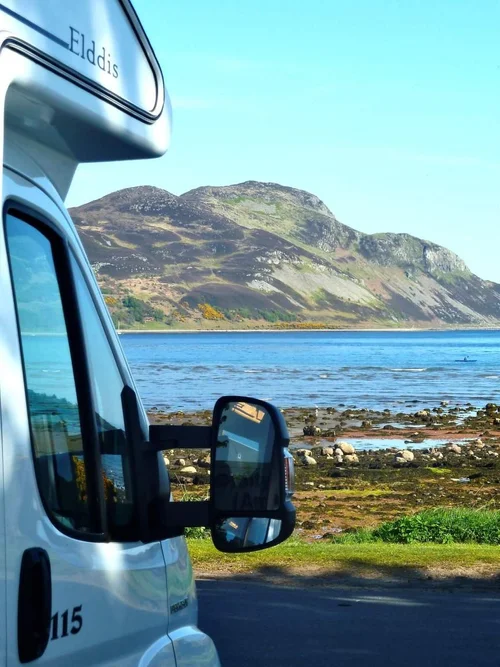
Almost-wild camping is a simple idea: it gives you the peaceful, back-to-nature feeling of wild camping, but with clearer permission, more reassurance and a better fit for responsible UK road trips.
The best almost-wild stays bring together the freedom of being out in nature with the reassurance of staying somewhere you are genuinely welcome. Instead of pitching up in places where the rules are unclear, this approach usually means using private land, small rural sites, farms, smallholdings, woodland edges or simple overnight spaces where permission is clear.
These places can feel peaceful and tucked away, often with the kind of tranquillity you normally associate with being far off the beaten path. For road trips, they offer a thoughtful middle ground: more natural and relaxed than a busy campsite, but without the uncertainty that can come with true off-grid camping.
For Uncover Britain, almost-wild camping is part of the wider route-planning picture. We may include a small, selected range of low-key overnight stay ideas where they fit a road trip, but this page is not a full national directory of every almost-wild camping spot in the UK.
Quick answer: almost-wild camping is a quieter, simpler and more nature-led way to stay overnight, usually with permission or on land where overnight stays are allowed. It can suit tents, campervans and motorhomes depending on the site, but rules and facilities vary. Uncover Britain includes selected almost-wild style stays where they support a specific road trip route.
If you searched for almost-wild camping spots
Many people arrive looking for the best almost-wild camping spots in the UK, free wild camping alternatives, low-cost overnight stays or scenic places to park a campervan close to nature. This page can help, but it is important to be clear about what Uncover Britain offers.
What this page helps with
- Understanding what almost-wild camping means.
- Knowing how it differs from true wild camping.
- Planning low-key stays responsibly on a road trip.
- Finding related route guides and overnight planning pages.
What it is not
- Not a complete live UK almost-wild camping directory.
- Not a guarantee that any site currently has space.
- Not legal advice on wild camping access rules.
- Not a replacement for checking permission before staying.
Access rules, landowner permissions, facilities, seasonal availability and overnight parking policies can change. Always check current details before relying on any overnight stay.
Planning a full UK road trip?
Use this page to understand almost-wild camping, then choose a road trip guide if you want route maps, destination notes, selected overnight stay ideas, scenic stops and flexible itinerary support in one place.
What is almost-wild camping?
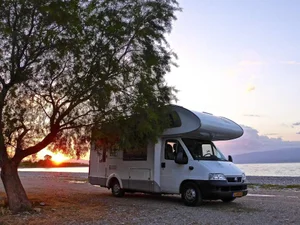
Almost-wild camping sits between traditional campsites and true wild camping. It is usually more natural, informal and peaceful than a full campsite, but more structured and responsible than simply stopping anywhere.
The key difference is permission. Almost-wild camping should happen somewhere you are allowed to stay, whether that is a simple licensed campsite, a farm field, a small private site, a woodland pitch, a motorhome-friendly rural stop or another low-key place that welcomes overnight visitors.
It can be a good fit for travellers who want the feeling of being close to nature without the uncertainty that can come with wild camping rules, land access, local restrictions or overnight parking confusion.
Almost-wild camping vs wild camping
Wild camping usually means camping away from formal sites, often in remote landscapes. In the UK, the rules vary by country, land type and location, and there can be confusion around what is allowed.
Almost-wild camping is different. It keeps the low-key, close-to-nature feel, but adds more clarity. You are aiming for places where staying is permitted, welcomed or bookable, rather than hoping that an unplanned stop will be acceptable.
Wild camping
More remote and informal, but access rules can be complex. You need to understand local laws, land ownership, permissions and impact.
Almost-wild camping
Still quiet and nature-led, but usually clearer, safer and more respectful because you are using places where overnight stays are allowed.
Why almost-wild camping helps with the worries around wild camping
Wild camping can sound romantic, but it can also raise practical worries. Are you allowed to stay? Will you be moved on? Is the ground suitable? Are you disturbing wildlife, local residents or landowners? Do you have the right facilities to leave no trace?
Almost-wild camping helps because it keeps the simple, close-to-nature feeling while reducing some of that uncertainty. You are choosing a place where the owner, manager or scheme has made it clearer that overnight stays are welcome, suitable or bookable.
That reassurance can make a big difference on a road trip, especially if you are arriving later in the day, travelling with children, using a larger motorhome or trying to balance freedom with responsible travel.
Who is almost-wild camping suitable for?
Almost-wild camping can suit different types of travellers, but not every place suits every setup.
- Tent campers may prefer simple pitches, small sites, farm fields or woodland camping areas.
- Campervans may need access, level ground and clear permission to park overnight.
- Motorhomes may need more space, firmer ground and facilities for water, waste or toilet use.
- Families may want a quieter site that still has some basic facilities.
- Solo travellers may prefer bookable or managed locations for extra reassurance.
The most important point is to match the overnight stay to your vehicle, equipment, confidence and facilities.
How almost-wild camping works on a road trip
Almost-wild camping works best when it is planned as part of the route. It is not just about finding somewhere remote; it is about finding somewhere that fits the day’s driving, the places you want to visit, your vehicle and the facilities you need.
On a road trip, a good low-key overnight stop might help you:
- break up a long driving day;
- stay close to a walk, beach, forest or viewpoint;
- avoid a busy campsite for one night;
- support a farm, small site or local business;
- travel more flexibly without losing the reassurance of permission.
Uncover Britain road trip guides may include selected almost-wild style stays where they help the route, but the guides are not standalone accommodation databases.
Good road trip rule: plan the night as part of the route. A peaceful stop is only useful if it is legal, practical, respectful and suitable for your vehicle or camping setup.
Scotland: how Stay the Night fits in
Scotland has its own useful overnight option for some motorhome and campervan travellers: Forestry & Land Scotland’s Stay the Night scheme. It is not the same as wild camping, and it is not the same as almost-wild tent camping, but it is a good example of a simple, low-key, nature-based stopover that works well on a road trip.
The scheme allows self-contained motorhomes and campervans to stay for one night in selected Forestry & Land Scotland car parks. It is designed for quiet overnight stops rather than setting up camp, and travellers need to follow the rules on payment, spacing, no fires, waste, noise and departure times.
It is especially useful for Scottish road trips where you want a peaceful forest stop between longer route sections, such as the NC500, the West Coast of Scotland, the Borders or the Cairngorms.
Read more about Scotland’s Stay the Night scheme
If you are planning a Scotland motorhome or campervan route, this guide explains how the Forestry & Land Scotland scheme works, who can use it, the rules to follow and how it compares with other overnight options.
Getting the OK and making plans
The most important part of almost-wild camping is getting the OK. That might mean booking a simple pitch, checking the site rules, contacting the landowner, using an approved overnight scheme or choosing a place where overnight stays are clearly allowed.
It is still worth planning ahead, even if the stay feels informal. Check how to arrive, where to park or pitch, what facilities are available, whether dogs or fires are allowed, and whether the ground is suitable for your vehicle or tent.
A little planning does not take away the freedom. It makes the stay calmer, safer and more respectful, which is exactly what makes almost-wild camping work well as part of a road trip.
What to check before choosing an almost-wild stay
Before relying on an almost-wild stay, check:
- Permission: is overnight camping or parking clearly allowed?
- Booking: do you need to reserve a pitch or space?
- Access: is the track, field, lane or entrance suitable for your vehicle?
- Facilities: are there toilets, water, bins, waste points or showers?
- Ground conditions: is the ground suitable in wet weather?
- Rules: are fires, barbecues, dogs, awnings or multiple nights allowed?
- Impact: can you stay without disturbing wildlife, neighbours or other visitors?
Almost-wild camping etiquette
Almost-wild camping depends on trust and respect. Keep your stay small, quiet and low impact. Arrive prepared, avoid loud music, take all rubbish away, use toilet facilities responsibly and leave the place as you found it.
If a landowner, site owner or local sign says no, accept it. Responsible behaviour helps keep these quieter overnight options available for future travellers.
Good routes where low-key overnight stays can work well
Almost-wild style stays are most useful where the route includes rural areas, quieter landscapes, coastal roads, forests or longer touring sections.
North Coast of Scotland Road Trip
Remote landscapes, long distances and wild-feeling scenery make overnight planning especially important.
View NC500 guideWest Coast of Scotland Road Trip
Sea lochs, ferries, mountain roads and quiet places where low-key overnight planning can help.
View West Coast Scotland guideNorth Wales Road Trip
Coast, castles, mountains and scenic roads where overnight planning helps shape the route.
View North Wales guideCornwall Coast Road Trip
Busy coastal areas, beaches and viewpoints where planned overnight stops are especially useful.
View Cornwall guideLake District Road Trip
Popular valleys, passes and viewpoints where it helps to plan stops carefully.
View Lake District guideNorthumberland Road Trip
Coast, castles, dark skies and quieter inland scenery that suit slower, well-planned touring.
View Northumberland guideRelated overnight and road trip planning pages
Use these pages to move from almost-wild camping into wider overnight planning, route choice and practical preparation.
Almost-wild camping FAQs
What is almost-wild camping?
Almost-wild camping is a quiet, low-key style of camping that feels close to nature but usually happens somewhere permission is clear, such as private land, a simple rural site, a farm field, woodland pitch or managed overnight stay.
Is almost-wild camping the same as wild camping?
No. Wild camping usually means camping away from formal sites, where access rules can be complex. Almost-wild camping keeps the natural feel but usually involves clearer permission, a designated place to stay or a simple bookable site.
Is almost-wild camping legal in the UK?
Almost-wild camping should only be used where overnight stays are allowed or where you have permission. UK access and camping rules vary by location, landowner and country, so always check before staying.
Can motorhomes and campervans use almost-wild camping spots?
Some almost-wild stays are suitable for motorhomes or campervans, but others may only suit tents or smaller vehicles. Always check access, ground conditions, vehicle size, facilities and permission before travelling.
Are almost-wild camping spots free?
Some may be low-cost, but many charge a small fee or require booking. Free does not always mean legal, suitable or available, so it is better to choose places where permission and expectations are clear.
Does Uncover Britain list every almost-wild camping spot?
No. Uncover Britain is not a complete live directory of almost-wild camping spots. Our road trip guides may include selected low-key overnight stay ideas where they fit a specific route.
How does almost-wild camping fit into Uncover Britain road trip guides?
Almost-wild style stays may be included where they support a route, but they are only one part of the guide. Uncover Britain guides also include scenic roads, destination notes, viewpoints, hidden gems, parking information and flexible itinerary ideas.
What is Forestry & Land Scotland’s Stay the Night scheme?
Stay the Night is a Forestry & Land Scotland scheme that allows self-contained motorhomes and campervans to stay one night in selected forest car parks. It is a simple, low-key overnight option with rules around payment, spacing, no fires, rubbish, waste and departure times.
What should I check before using an almost-wild stay?
Check permission, booking requirements, access, facilities, vehicle suitability, ground conditions, rules on fires or dogs, and how to leave the place with no trace of your stay.
Final thoughts: choose quiet places responsibly
Almost-wild camping can be one of the most memorable ways to stay overnight on a UK road trip. It offers quiet, space, nature and a slower rhythm than a busy campsite.
But the best overnight stay is not just the most remote one. It is the one that is legal, suitable, respectful, practical and well placed for your route.
Use this page to understand the idea, then choose a route guide if you want wider road trip planning support around overnight stays, scenic stops and places worth exploring.
Choose a route, not just an overnight stay
Browse Uncover Britain road trip guides and bundles for curated routes, maps, selected overnight planning notes, hidden gems and scenic stop ideas across Britain.