
UK road trip overnight stays
UK Campsites by Road Trip
Choosing where to stay is one of the biggest parts of planning a UK road trip. A good campsite, touring park or overnight base can make each day feel easier, reduce unnecessary driving and help you enjoy the places along the route.
Use this guide to think through the best overnight bases for your journey, then compare campsite options, holiday parks, glamping stays or booking directories that fit your route, vehicle and travel style.
Quick answer: the best campsite for a road trip is not always the cheapest or closest one. It is the one that works as a sensible overnight base for the places you want to visit, the roads you are driving, the vehicle you are using and the next day of your route.
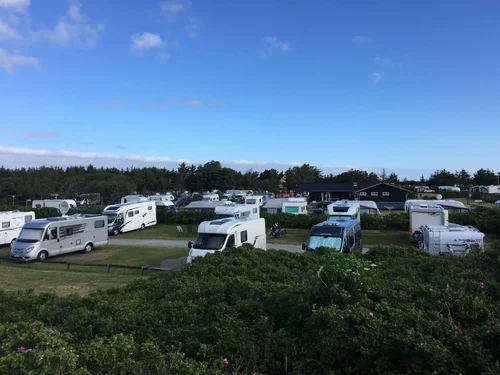
Start with the base
Think of campsites as overnight bases, not just places to sleep
On a road trip, where you stay affects almost everything: your driving time, evening food options, access to attractions, how early you need to leave, how tired you feel and whether the next day starts smoothly.
Choose bases by route section
Look at where each section of the road trip naturally begins and ends. A good overnight base should sit close to the places you want to explore, without creating extra zig-zag driving.
Use places along the route
Rather than searching the whole county, focus on villages, towns, coastlines, valleys or countryside areas that make practical bases for that part of the journey.
Keep other searches open
Our advice can help you decide where to look and what type of stay might work. You can then search directly with campsites, holiday parks, directories or your preferred booking platform.
What to think about
The main things to consider before choosing a campsite
The right campsite depends on the journey you are building. A quiet farm site, a full-facility holiday park, a touring pitch or a glamping stay can all be the right answer in different parts of the same road trip.
Location
Is the site close to the places you want to visit, or will it add a long detour at the end of the day? A good base should reduce travel pressure rather than add to it.
Vehicle fit
Check whether the site suits your setup: tent, campervan, motorhome, caravan, awning, trailer, hardstanding, grass pitch or electric hook-up.
Access
Some rural and coastal sites involve narrow lanes, steep entrances, sharp turns or soft ground. This matters more if you are towing or driving a larger motorhome.
Facilities nearby
Think about shops, pubs, cafés, fuel, public toilets, laundry, dog walks, supermarkets and whether you want to walk somewhere in the evening.
Weather and season
A basic field pitch may be lovely in dry summer weather but less appealing in heavy rain, high wind or shoulder-season travel.
Arrival time
Check arrival windows before building a long sightseeing day. Some campsites are strict about check-in times, late arrivals and gate access.
Base suggestions
Use base suggestions to narrow your campsite search
Instead of saying “find a campsite somewhere nearby”, it is more useful to think in terms of suggested bases. These are places along or near the route that can work well for overnight stays because they support the surrounding attractions, road sections and next-day travel.
| What you are planning | Good base areas to look for | Why this helps | What to check before booking |
|---|---|---|---|
| Coastal road trip section | Coastal villages, harbour towns, beach-edge holiday parks, inland sites just outside busy hotspots. | Helps you enjoy beaches and coastal scenery without adding unnecessary end-of-day driving. | Access roads, cliff-top exposure, dog rules, beach parking, high-season availability and arrival times. |
| National park or walking day | Villages near trailheads, valley bases, farm campsites, YHA stays, touring sites near visitor centres. | Lets you start walks earlier and avoid driving too far before or after a long day outside. | Boot room, drying space, weather alternatives, bus links, vehicle size limits and basic supplies. |
| Historic towns and heritage stops | Sites outside market towns, countryside bases with bus or taxi access, small independent campsites nearby. | Allows you to visit towns without trying to park a large vehicle in the centre. | Local transport, evening food options, walkability, taxi availability and whether motorhomes are practical nearby. |
| Family rest day | Holiday parks, touring parks, coastal parks, sites with pools, playgrounds, cafés or easy beach access. | Gives everyone a break from packing up and driving every day. | Facilities, entertainment, swimming pool access, laundry, food, shop opening times and minimum stay rules. |
| Rural scenic touring | Farm campsites, Certificated-style small sites, meadow pitches, countryside touring sites, quiet village bases. | Keeps the route calm and gives you a stronger sense of place. | Pitch surface, waste disposal, electric hook-up, lane width, phone signal, water points and local rules. |
| Longer road trip with mixed needs | A blend of simple campsites, holiday parks, glamping, hostels and two or three-night bases. | Prevents every night feeling the same and gives you comfort breaks when needed. | Budget, cancellation terms, facilities, laundry, rest days, vehicle access and route flow. |
Plan the full route
Campsites are just one part of the road trip
This page helps you think through where to stay, but an overnight base only really works when it fits the whole journey. Our Uncover Britain road trip guides help you plan the route around the places you want to visit, the roads you want to drive and the time you actually have.
Instead of starting with a campsite search and trying to build a holiday around it, use a guide to shape the journey first — then choose campsites, holiday parks, glamping stays or other overnight bases that support the route.
What our guides help you plan
Break the journey into manageable areas instead of one long drive.
See towns, villages, coast, countryside, attractions and scenic stops.
Think about where campsites, hotels, pub stops or glamping could fit.
Shape the trip around your time, pace, vehicle and travel style.
Plan with driving days, route flow, parking, access and facilities in mind.
Travel more thoughtfully through rural areas, beauty spots and communities.
Types of stay
Different overnight options suit different parts of a road trip
A road trip does not need the same kind of overnight stop every night. Mixing campsite types can make the journey more comfortable, more flexible and more interesting.
Traditional campsites
Good for tents, campervans and simple touring where you want a pitch, toilets, showers, water and a straightforward overnight stay.
Touring parks
Useful for motorhomes, caravans and campervans that need hardstanding, electric hook-up, water, waste disposal and easier access.
Holiday parks
Better for families, beach bases, longer stays, swimming pools, restaurants, entertainment, laundry and more facilities on site.
Farm and rural sites
Often quieter and more characterful, but facilities may be simple. They can work beautifully for countryside routes and slower travel.
Glamping stays
A softer option if you want one or two more comfortable nights without booking a hotel. Useful for couples, families or shoulder-season trips.
Hostels and simple accommodation
Useful if you want to break up camping with a proper bed, drying space, shared facilities or a lower-cost base in scenic areas.
Independent campsites
Independent campsites can add character to the route
Independent campsites are often the places that make a trip feel memorable. They might be on a farm, beside a meadow, close to woodland, near a beach, on the edge of a village or in a quiet rural setting.
Why independent sites work well
- They can feel quieter and more personal.
- They often have stronger local character.
- Owners may know useful local tips.
- They can suit slower, scenic road trips.
- They may be close to countryside, rivers, beaches or small villages.
What to check
Independent sites vary widely. Some are full-facility campsites, while others are very simple. Always check pitch type, toilets, showers, waste disposal, water, electric hook-up, access, pets, arrival times and whether advance booking is needed.
They can be ideal bases when you want atmosphere and setting, but they still need to fit the route properly.
Club and member sites
Club sites can be reliable bases, but membership is a separate decision
Club-owned campsites and member networks can be very useful for touring, especially if you want predictable facilities, smaller rural sites, recognised standards or access to places that may not be available through general booking platforms.
Club campsites
Often useful for touring because they may offer predictable facilities, easy booking, electric hook-up, waste disposal, showers, toilets and vehicle-friendly layouts.
Small member-only sites
Some memberships give access to small private sites with limited pitches. These can work well as quieter countryside bases if they fit your route.
Compare memberships separately
If you are deciding whether a membership is worth it, compare club networks, site access, discounts, vehicle suitability and how often you travel.
Search and book elsewhere
Use booking sites and directories once you know the right base area
Once you know which towns, villages, coastlines or countryside areas make sense as overnight bases, you can search more confidently. These options can help you compare availability, facilities and comfort levels, especially if you want more than a simple pitch.
YHA
Useful for road trippers who want simple accommodation, camping or glamping in scenic locations across England and Wales, especially in national parks and walking areas.
John Fowler Holiday Parks
Useful for Cornwall, Devon, Somerset, South Wales, Cardigan and Gower road trips where you want a coastal base, caravan accommodation or holiday park-style stay.
Hoseasons
Useful for holiday parks, lodges, static caravans and glamping accommodation across the UK. This works well when you want an easier overnight base rather than a bring-your-own pitch.
Wood Leisure Holiday Parks
Useful for Central Scotland road trips, including routes around Loch Lomond, Stirling, Perthshire, the Trossachs and wider central Scotland.
Glamping Hideaways
A good option if you like the idea of camping but want a softer stay. Glamping can work well for couples, families, shoulder-season trips or one memorable night on a longer route.
JetCamp
A searchable campsite directory for comparing campsite options by destination, facilities, location and availability once you know your likely base area.
Parkdean Resorts
Useful for touring and camping holidays where you want larger holiday park facilities, including family activities, restaurants, swimming pools and selected touring pitches.
Lake District Estates
Useful for Lake District and Kirkby Lonsdale trips, especially if your road trip includes the Lakes, Lancashire or the edge of the Yorkshire Dales.
Some links in this section are affiliate links. This means Uncover Britain may earn a small commission if you book through them, at no extra cost to you.
Almost-wild camping
Almost-wild camping can work when it is legal, permitted and low impact
Almost-wild camping appeals to travellers who want a quieter and more natural overnight stay without relying on informal or unsuitable parking. These are usually private places where camping is allowed with permission, often with limited facilities.
Why it appeals
It can offer a sense of space, quiet and landscape connection, especially on rural road trips where a large holiday park would change the feel of the journey.
It may suit experienced campers, self-sufficient travellers and people who are happy with simple facilities.
Keep it responsible
- Only stay where it is legal or clearly permitted.
- Follow landowner rules and local access guidance.
- Take all waste away with you.
- Avoid damage to verges, fields, tracks and habitats.
- Do not assume a beauty spot is suitable for overnight parking.
Route example
NC500 campsites show why base planning matters
Scotland’s North Coast 500 is a good example of why campsite planning matters. Choosing proper campsites and managed overnight locations can make the route smoother, safer and more respectful of local communities and landscapes.
Why campsites help on the NC500
- Access to proper facilities.
- Safer and more predictable overnight locations.
- Less pressure on beauty spots and fragile landscapes.
- Easier planning during peak travel periods.
- Better support for local businesses and communities.
Use campsites as part of the route
Many campsites around the north coast sit close to beaches, lochs, cliffs, villages and scenic driving sections. Planning them in advance helps avoid relying on unsuitable overnight parking.
Plan the wider trip
Plan the road trip around your overnight stops
Overnight stops shape the whole feel of a road trip. A good campsite can make a route feel relaxed, while a poor location can add unnecessary driving, awkward detours or stressful late arrivals.
Start with the route
Choose the road trip or region first, then look at where overnight stops naturally make sense.
Build realistic driving days
Do not place campsites so far apart that every day becomes a long drive with no space to stop and explore.
Allow for comfort
Include laundry, showers, easier food options, glamping or a two-night base when the route needs a slower moment.
Check before you travel
Facilities, pitch rules, opening dates, arrival times and access details can change. Always confirm details before booking.
FAQs
Campsite planning FAQs
These quick answers help you choose better overnight bases and separate campsite planning from camping club membership decisions.
How do I choose campsites for a road trip?
Start with the route. Choose campsites that sit naturally along your journey, match your vehicle or tent setup, offer the facilities you need and make the next day easier.
What makes a good overnight base?
A good base gives you easy access to the places you want to visit, avoids unnecessary detours, works for your vehicle and supports the next stage of the route.
What is the difference between campsites and camping club memberships?
This page helps you choose places to stay. Camping club memberships are about joining a network that may unlock club sites, member-only small sites or discounts.
Should I book campsites before travelling?
For school holidays, national parks, coastal routes, islands and popular scenic drives, booking ahead is sensible. In quieter seasons, you may prefer to shortlist options and book as you go.
Can motorhomes, campervans, caravans and tents use the same campsites?
Not always. Some sites accept all setups, while others restrict vehicle size, pitch type, tents, caravans, awnings or hardstanding. Always check before booking.
Are holiday parks useful on a road trip?
They can be. Holiday parks work well for family facilities, beach bases, rest days, longer stays, swimming pools, restaurants, entertainment or easier accommodation during a longer route.
Some links on this page are affiliate links. This means Uncover Britain may earn a small commission if you book through them, at no extra cost to you. Always check campsite, holiday park or accommodation details directly before travelling.