
Screen-inspired road trips
Screen Tourism in Britain: Places You May Recognise on a UK Road Trip
Britain’s castles, country houses, historic streets and dramatic landscapes have provided the backdrop to some of the world’s best-known films and television programmes.
A screen connection can add another memorable detail to a wider journey — but Uncover Britain is not a dedicated filming-location tour, and screen tourism is not a guaranteed layer within every road trip guide.
Think of screen tourism as added inspiration. Some routes pass major, recognisable locations or places with an especially interesting film or television story. Where relevant, these connections may be mentioned alongside the real history, scenery and attractions that make the destination worth visiting.
What is screen tourism?
Travelling to places associated with film and television
Screen tourism means visiting a place because it appeared in, inspired or became associated with a film or television production. Sometimes the connection is instantly recognisable. Elsewhere, a familiar street, landscape or historic building may have represented somewhere completely different on screen.
Recognise a favourite setting
Stand in a castle courtyard, walk through a historic village or see a railway landmark that you remember from the screen.
Discover the story behind it
Learn what is real, what was adapted for filming and how the location’s genuine history differs from its fictional role.
Explore beyond the camera frame
Use the screen connection as a starting point for nearby scenery, heritage, independent attractions and local communities.
Places you may recognise
Major screen locations that fit naturally into a British road trip
These are examples of prominent locations whose screen stories sit alongside substantial heritage, scenery and visitor appeal. They illustrate the type of connection that may be highlighted when it is useful and relevant.
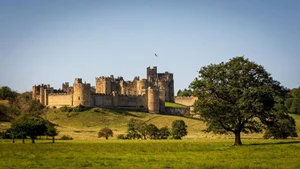
Alnwick Castle, Northumberland
Recognised by many visitors from the early Harry Potter films, Alnwick Castle also offers centuries of history, grand state rooms and a natural place within a wider Northumberland castles and coast journey.
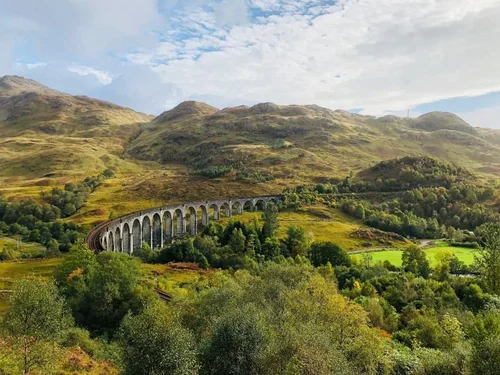
Glenfinnan Viaduct, Scottish Highlands
The viaduct became internationally famous through the Hogwarts Express scenes. It is also a remarkable feat of railway engineering set within one of the most dramatic landscapes on Scotland’s west coast.
Lacock, Wiltshire
Lacock village and Lacock Abbey have appeared in Harry Potter productions and numerous period dramas. Their historic character makes them worthwhile whether or not filming is your main interest.
Blenheim Palace, Oxfordshire
Blenheim Palace has been used in many major productions. Its architecture, parkland, exhibitions and connection with Winston Churchill give it a far broader story beyond the screen.
Puzzlewood, Forest of Dean
The woodland’s moss-covered rocks and twisting paths have helped create atmospheric fantasy and science-fiction settings. It also makes a distinctive natural stop within the Forest of Dean and Wye Valley.
Historic cities, houses and villages
Bath, Oxford, Edinburgh, York and villages across the Cotswolds and Wiltshire regularly appear on screen. You may recognise a view even when you have not planned a dedicated location visit.
Beyond the fictional setting
The location on screen may not be what it seems
Productions often combine several buildings, alter a location with temporary sets or use visual effects to create a fictional place. A Scottish landscape may become a fantasy kingdom, while an English country house may represent a palace somewhere else.
The contrast is part of the appeal
Visiting lets you see what is genuine, what was changed and how filmmakers used the setting to tell a story. It can also reveal details and surroundings that never appeared on screen.
Look beyond the filming connection
- Explore the real history of the building or landscape.
- Allow time for nearby towns, walks and viewpoints.
- Support local cafés, attractions and independent businesses.
- Treat private homes and working communities respectfully.
Practical planning
How to add a screen-inspired stop without disrupting your road trip
A little preparation helps you enjoy the connection while keeping the wider itinerary realistic and flexible.
Check visitor access
Some sites are private homes, working estates or exterior-only locations. Confirm what is open before travelling.
Book major attractions
Popular castles, palaces and historic houses may use timed admission or have seasonal opening arrangements.
Expect busy periods
Arrive early or visit outside peak times when a location is associated with a major international production.
Keep the day balanced
Combine the location with heritage, scenery, food stops or nearby discoveries rather than building an overloaded schedule.
Always check the attraction’s own information before setting out. Visitor access, exhibitions, filming displays and opening arrangements can change.
Inside Uncover Britain guides
An occasional discovery layer, not a promise on every route
Uncover Britain road trip guides are primarily designed around coherent journeys, destination information, route structure, practical planning and the real experience of exploring a region.
How it fits
Screen connections are included selectively
When a significant filming location sits naturally within a road trip, it may be mentioned as an additional point of interest. Some routes contain several well-known connections; others may contain none at all.
The aim is to add useful context without turning every guide into a film-location database or suggesting that screen tourism is a standard feature across the whole collection.
What remains central
Routes and places that connect logically.
The genuine history behind each destination.
Viewpoints, hidden gems and regional character.
Ideas you can adapt to your available time.
Continue exploring
Choose, inspire and plan your British road trip
Use the main Uncover Britain pillars to move from an initial idea to a route that suits your interests, available time and preferred style of travel.
Choose Your Journey
Browse destinations and road trip guides when you are ready to choose where to go.
Road Trip Inspiration
Explore ideas, themes and experiences that can shape the kind of journey you want.
How to Plan a Road Trip
Turn your ideas into a practical UK itinerary with clear planning guidance.
How the Guides Work
See the guide format, planning framework, maps and digital access in more detail.
Other discovery and planning layers
Explore related parts of the road trip experience
These pages provide additional ideas and practical resources that may complement your chosen journey.
Hidden Gems
Discover lesser-known places that add character beyond the headline attractions.
Scenic Viewpoints
Find inspiration for memorable views, landscapes and photography stops.
Wild Swim Spots
Explore wild swimming inspiration where it suits the destination and conditions.
Overnight Stopovers
Plan practical motorhome and campervan stops as part of a responsible journey.
Campsites
Browse campsite planning support for road trips around Britain.
Hotels, Guesthouses and B&Bs
Consider accommodation options for a road trip based around one or more overnight bases.
Follow the story, then discover the real place
Use a familiar location as the spark for a wider journey through Britain’s history, landscapes and communities.