
UK road trips built around what you love
Best Themed Road Trip Ideas in the UK: Choose a Journey by Interest
A great road trip does not need to begin with a destination. Start with what you love — books, wildlife, history, food, art, dark skies, castles or the wonderfully odd — then let the theme shape where you go.
This guide helps you choose a theme, match it to the right parts of Britain and turn a vague idea into a journey with purpose.

What are the best themed road trip ideas in the UK?
Strong UK road trip themes include wild landscapes, literary places, history and heritage, art and culture, local food, dark skies, coast and islands, castles and archaeology, film locations, and quirky collections. The best theme is one that helps you choose meaningful stops while leaving room for detours.
Why themes work
A destination tells you where to go. A theme tells you what to notice.
That difference can transform a trip. A route through Yorkshire becomes a literary journey when you connect Brontë landscapes with James Herriot country. A drive through Lincolnshire and Nottinghamshire becomes more meaningful when you follow the Pilgrim story. A Welsh journey changes when darkness, stars and remote landscapes become the organising idea.
Themed road trips are especially useful when you have too many possible stops. The theme becomes a filter: does this place deepen the story, reveal a contrast or create a worthwhile pause? If not, you can leave it out.
Good themes are not rigid. They give a journey coherence without turning it into a checklist.
Start here
Which themed road trip suits you?
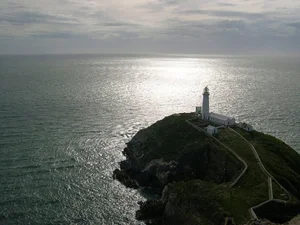
1. Wild landscapes and nature-led road trips
Choose this theme when the landscape itself is the reason to travel. The strongest trips combine different forms of wildness rather than chasing viewpoints at random: sea cliffs and beaches, upland roads and short walks, forest and open moor.
North Wales works because coast, castles and mountains sit close together. The Lake District rewards a slower pattern of scenic roads and short walks. The West Coast of Scotland offers sea lochs, islands, mountain passes and long changes of scale, while the North York Moors combine heather, villages and the sea.
Make it better
- Build in one short walk or viewpoint stop each day.
- Leave weather flexibility rather than fixing every hour.
- Choose fewer bases and explore outward.
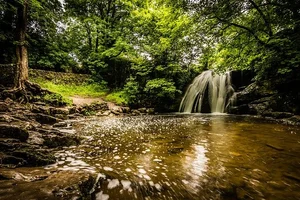
2. Literary journeys and story-driven routes
Literary road trips work best when you connect the writing to the landscape rather than simply collecting author houses. In West Yorkshire, the Brontë story belongs to Haworth and the moors around it. Further north, James Herriot country links villages, farms and the Dales.
The Lake District adds a different relationship between place and imagination through Wordsworth, Beatrix Potter and others. The theme becomes richer when you mix a museum or home with the roads, walks and views that help explain the work.
Make it better
- Read one short work or extract before travelling.
- Pair indoor heritage with the surrounding landscape.
- Avoid squeezing unrelated writers into one forced route.
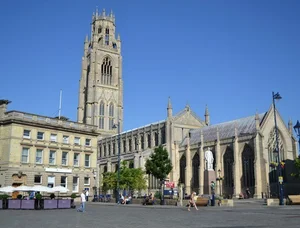
3. History and heritage road trips
This is where a themed road trip can do something a simple attraction list cannot: connect places into a wider historical argument. The Mayflower and Pilgrim story, for example, becomes more human when you follow roots, communities, failed escapes and ports before the famous 1620 crossing.
Boston’s Guildhall and wider town history, Hull’s maritime story and Stonehenge & Ancient Wessex (Wiltshire) all show why heritage is strongest when monuments, landscapes and lesser-known places are connected rather than treated as isolated stops.
Make it better
- Choose one historical question rather than “all history”.
- Use towns, landscapes and smaller sites to connect major attractions.
- Leave room for difficult or contested stories, not only celebration.
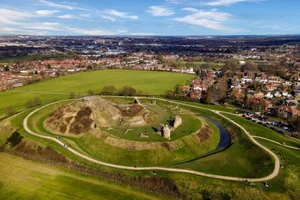
4. Art, culture and creative road trips
An art theme is most rewarding when the creative work and the place speak to one another. West Yorkshire is a strong example: The Hepworth Wakefield and Yorkshire Sculpture Park sit within a region shaped by industry, textiles and changing landscapes.
Cornwall adds a very different creative story. St Ives can surprise travellers who arrive for the coast and discover a major modern-art legacy, galleries and artists’ connections woven into the wider Cornish landscape.
5. Food, drink and local-flavour road trips
A food road trip should be more than a sequence of restaurant bookings. Build it around the relationship between landscape and produce: orchards and cider country, fishing ports and seafood, cheese-making landscapes, market towns, bakeries or regional dishes.
The best version mixes planned anchors with discovery. Book one special experience, but leave space for farm shops, markets and the place you notice because a hand-painted sign sends you down a side road.
Useful rule
Keep daily driving modest. Food themes work best when you can stop spontaneously and do not need to watch the clock.
6. Dark-sky and night-landscape road trips
A dark-sky theme changes the rhythm of a road trip because the most important experience happens after sunset. That means fewer daytime stops, later mornings and careful thought about overnight bases.
Wales is especially strong for this kind of journey, with remote landscapes and dedicated stargazing possibilities. Northern England and Scotland also offer excellent night-sky potential, but practical planning matters as much as the destination: moon phase, cloud cover, safe stopping places and warm clothing can decide whether the theme works.
Make it better
- Plan around two or three good night locations, not seven.
- Keep a poor-weather alternative.
- Avoid driving tired after long observation sessions.
7. Coast, harbours and island journeys
Coastal themes work because the sea shapes more than the view. It influences food, settlement, industry, weather and the pace of travel. Cornwall offers Atlantic drama; North Yorkshire connects moorland with fishing towns and coast; Cumbria gives a quieter western shoreline; Sussex combines heritage and sea; and islands such as Jersey and the Isle of Man create a stronger sense of arrival.
Do not assume “follow the coast” means hugging every shoreline road. Often the best trip moves inland and returns to the sea, creating contrast.
8. Castles, archaeology and ancient-landscape trips
This theme becomes much stronger when you ask why a monument is where it is. A castle route can follow frontier power, coast defence or conquest. A prehistoric route can connect monuments to chalk downs, river valleys and long-used landscapes.
Scotland is ideal for comparing fortress settings and royal stories. Wales can turn castles into a purposeful national road trip. Northumberland combines border history with some of England’s strongest castle landscapes. Stonehenge & Ancient Wessex (Wiltshire) can connect Stonehenge, Avebury, chalk landscapes and white horses without reducing the county to one famous monument.
9. Film and TV location road trips
Screen-location trips are fun, but the best ones go beyond recreating a shot. Use the production as a doorway into the real place: its architecture, landscape, communities and history.
Stonehenge & Ancient Wessex (Wiltshire) is a useful example because the wider county includes locations associated with major productions, including Harry Potter and Downton Abbey scenes, while the Cotswolds offer the kind of villages and country landscapes repeatedly used on screen.
A location may be recognisable for thirty seconds of screen time but deserve half a day because of what surrounds it. That is where the road trip becomes more than fandom and starts revealing Britain itself.
Useful rule
Group locations geographically. A theme should reduce zig-zagging, not create it.

10. Quirky, niche and wonderfully unexpected themes
Some of the best themes begin with a slightly ridiculous question: how many tiny museums could we visit? Could we follow unusual bridges, folklore, vintage transport, eccentric gardens or places with extraordinary names?
Motoring enthusiasts can build a whole journey around motor museums, engineering stories and historic vehicles. A niche theme can also be highly specific without being quirky for the sake of it: the Scottish Heritage Golf Trail turns sporting history, landscapes and place into a purposeful journey.
Good starting points
- Motor and transport museums
- Folklore, legends and ghost stories
- Unusual architecture and tiny museums
- Historic sporting landscapes and golf heritage
Planning a group drive?
Themed road trips can work especially well for car clubs
For car clubs, a theme can give the whole day or weekend a stronger identity without forcing every vehicle into a rigid convoy. A route might be built around motor museums, engineering heritage, classic motoring roads, historic towns, coastal scenery or a shared marque and era.
The strongest club trips usually combine a few clear anchor stops with flexible joining points, sensible parking, coffee and lunch opportunities, and enough space between stops for members to enjoy the drive itself.
Turn an idea into a real journey
How to build your own themed road trip
The easiest mistake is to collect every possible attraction and call the result a route. A better themed trip has a clear thread, geographical logic and enough breathing room for discovery.
1. Write the theme in one sentence
“A journey through places shaped by the Brontës” is stronger than “literature”.
2. Pick three anchor stops
Choose the places you would genuinely regret missing. Everything else is optional.
3. Add connective places
Find villages, viewpoints, markets or landscapes that make the journey between anchors worthwhile.
4. Remove one third
Most first drafts are too busy. Space is what allows a themed trip to become immersive.
Compare quickly
Which theme works best for your travel style?
| Theme | Best for | Trip rhythm | Strong UK fit |
|---|---|---|---|
| Wild landscapes | Views, walking, photography | Weather-flexible | Wales, Lakes, Scotland, Moors |
| Literary | Readers and story lovers | Slow, reflective | Yorkshire, Lake District |
| History & heritage | Context and deeper stories | Museums + walking | Boston, Hull, Stonehenge & Ancient Wessex (Wiltshire) |
| Art & culture | Galleries, making, design | Town + countryside | West Yorkshire and beyond |
| Food & drink | Local flavour | Short drives | Regional producer landscapes |
| Dark skies | Night landscapes | Late and flexible | Wales, north England, Scotland |
| Coast & islands | Sea, harbours, ferries | Weather-aware | Cornwall, North Yorkshire, Cumbria, Sussex, Jersey, Isle of Man |
| Quirky | Curious repeat travellers | Playful and spontaneous | Anywhere |
Keep the roles clear
Looking for a different kind of road trip list?
Best UK road trips
Choose between broad routes and regions rather than travelling by interest.
Compare the best UK road trips →Top scenic drives
Focus on road, landscape and the driving experience itself.
See UK scenic drives →Road trip experiences
Start with what you want to do rather than one theme connecting the whole journey.
Explore road trip experiences →Planning questions
Themed road trip FAQs
What is a themed road trip?
A themed road trip uses one interest, story or idea to guide the journey. The theme might be literature, history, wildlife, food, dark skies, castles or something highly personal.
How do I choose a road trip theme?
Start with something you already enjoy enough to shape several days of travel. Then check whether a region offers enough varied stops to sustain the idea without forcing long detours.
What are good themed road trip ideas for couples?
Strong options include food and local produce, literary landscapes, coast and islands, art and culture, dark skies, gardens or a shared film and TV interest.
What are good themed road trips for families?
Wildlife, castles, folklore, unusual museums, film locations and transport themes can work particularly well because they give children a simple thread to follow between stops.
Can I combine more than one road trip theme?
Yes, but one should remain the main thread. For example, a literary Yorkshire trip can also include food and landscape, while a castle route can include archaeology and coast.
How many stops should I plan each day?
Usually fewer than you think. One major anchor plus one or two smaller stops often creates a better day than rushing through a long checklist.