
Road trip planning
How to Build a Realistic Road Trip Plan
A good road trip plan is more than a list of places. It balances your route, available time, overnight stops, driving pace, vehicle type and the places you actually want to enjoy.
Use this guide to shape a UK road trip that works in real life — with space for scenic stops, slower roads, weather, food breaks, local discoveries and flexible travel days.
Quick answer: to build a realistic road trip plan, start with how many days you have, choose one region or route, keep most driving days to around four hours, add a buffer to map estimates, and plan overnight stops before adding too many attractions.

Start here
What makes a road trip plan realistic?
A realistic road trip plan gives you enough structure to travel confidently, but enough flexibility to enjoy the places you discover along the way. The aim is not to plan every hour. It is to create a route that works in real life.
Start with the kind of trip you want
Decide whether this is a coastal road trip, a castle and heritage route, a mountain escape, a countryside break, an island adventure or a slow scenic journey.
Choose one region before adding too much
UK distances can look simple on a map, but rural roads, parking, viewpoints, ferries, weather and town centres can all slow the day down.
Build around stops, not just roads
Plan around overnight bases, scenic viewpoints, historic towns, coast, countryside, attractions and time to pause — not just the quickest route between A and B.
Driving time
How far can you realistically travel?
A good road trip plan is not about covering the maximum distance. It is about choosing a pace that leaves time for exploring, resting, eating, parking, detours and actually enjoying the places you came for.
3–5 day trips
Aim for roughly 10–15 hours total drive time. This usually gives enough space for one focused region, a few overnight stops and time to explore without rushing.
6–8 day trips
Around 20–25 hours total drive time can work well, especially if you are following a regional route with several bases and some slower days.
9–14 day trips
Longer trips can usually handle around 30–35 hours total drive time, but the route still needs buffers, rest days and enough time away from the road.
A comfortable daily pace
As a rule of thumb, try to keep most days to no more than four hours of driving in every 24 hours. That leaves time for viewpoints, cafés, short walks, attractions, parking, slower roads and evenings that do not feel rushed.
A note for motorhomes and campervans
Larger vehicles often take longer to manoeuvre at roundabouts, junctions, car parks, coastal roads and rural lanes. Add around 30% to Google Maps’ estimate, and build in breaks for viewpoints, café stops, leg stretches and easier arrivals.
Vehicle choice can change the whole route. If you are still deciding what to travel in, start with Find a Vehicle, or compare car hire and campervan and motorhome hire.
Driving tips
Driving tips for UK road trips
A quick, traveller-tested checklist for planning calmer, more realistic driving days.
Keep the route manageable
- Choose manageable distances rather than racing from point to point.
- Keep daily driving to a sensible window, ideally around four hours maximum.
- Rest properly; do not rely on caffeine or adrenaline.
- Drive at a steady speed — it is easier, cheaper and more enjoyable.
Build in the real-world buffer
- Plan fuel stops and food breaks in scenic areas where you may want to linger.
- Add around 30% to every Google Maps estimate, especially on rural routes.
- Remember that rural and coastal roads can be narrow: slow wins.
- Leave room for viewpoints, café stops, parking and short leg-stretch walks.
Travel style
Plan to travel like a local, not just a tourist
A better road trip is not always about ticking off the most famous places. It is often about giving yourself time for quieter viewpoints, market towns, local cafés, riverside walks, heritage villages, seasonal landscapes and small discoveries between the headline stops.
Build in local stops
Leave room for a local bakery, farm shop, independent museum, historic pub or quiet harbour that would be easy to miss if you only followed the fastest route.
Use inspiration before products
If you are still deciding what kind of trip you want, start with ideas by region, theme or travel style before choosing a specific guide.
Then choose a route
Once you know your style, choose a road trip guide or bundle that gives the route shape, map support and practical planning notes.
Enrich the journey
Add slower, more memorable stops
Once the main route is clear, add a few places that make the journey feel richer. These do not need to be big attractions. They can be viewpoints, hidden corners, natural places or quiet stops that give the day more character.
Viewpoints
Add scenic pauses to driving days and make the journey part of the experience.
Wild swim spots
Add natural places carefully, with safety, access, weather and local guidance in mind.
Hidden gems
Find quieter stops, lesser-known landmarks and local discoveries along the route.
Road trip inspiration
Explore scenic route ideas, themed journeys and destination inspiration.
Overnight stays
Think about overnight stays before fixing the route
Overnight planning can change the whole route. Where you sleep affects how far you drive, when you need to arrive, how much you can fit into each day and whether the trip feels calm or rushed.
Hotels, inns and guesthouses
These can work well if you are travelling by car and want easy access to towns, food, attractions and evening walks without needing campsite facilities.
Campsites and touring parks
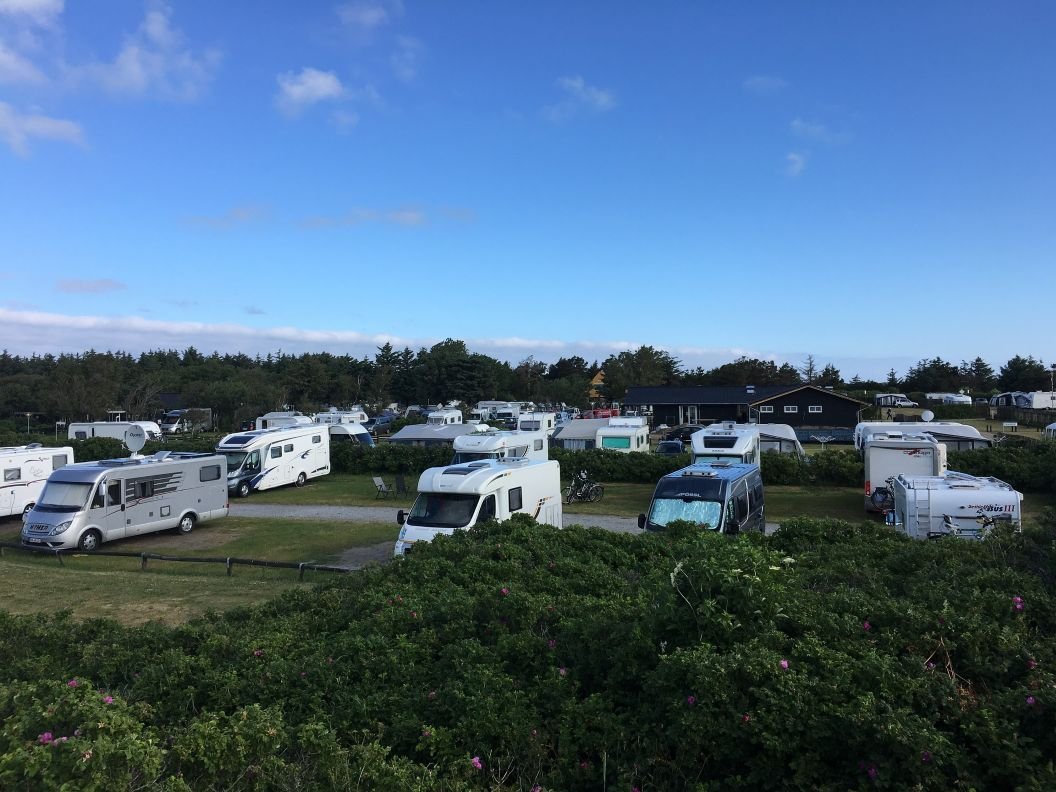
A good option for campervans, motorhomes and tent campers, especially when you need facilities, waste disposal, water, electricity or a secure booked pitch.
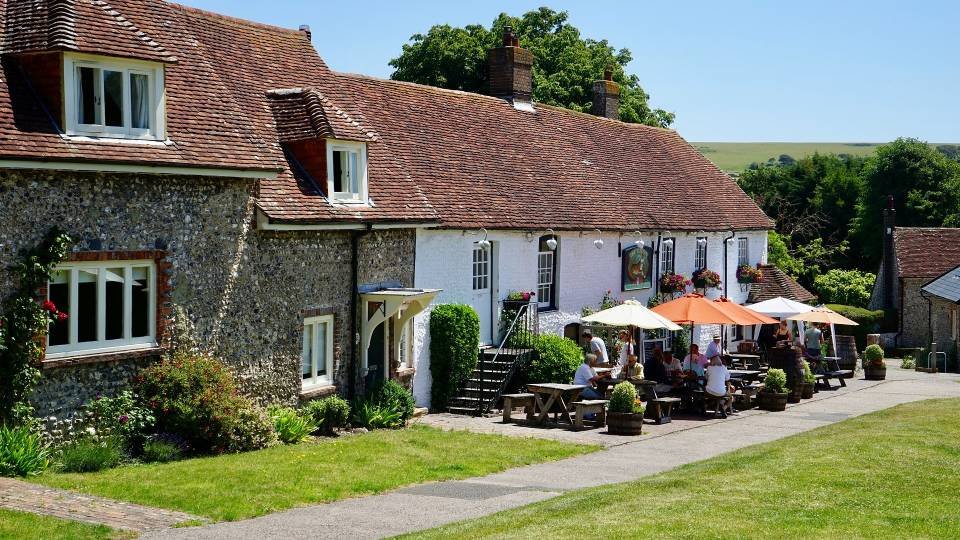
Pub stopovers
Pub stops can be useful for touring routes where permitted, but should be planned respectfully, with permission, support for the venue and awareness of local rules.
Overnight motorhome stopovers
Motorhome stopovers can help with pacing, but always check suitability, access, local restrictions and facilities before relying on them.
Almost-wild camping
Almost-wild stays should only be considered where they are legal, permitted and low impact, with care around access, waste, noise, communities and landscape protection.
Two or three-night bases
Staying longer in one place can make a road trip better. It reduces packing, driving and arrival stress, while giving you more time to explore nearby places properly.
Daily structure
Use the anchor and buffer approach
A realistic road trip plan works best when each day has a simple structure. Instead of filling every hour, give each day an anchor, a possible extra and a buffer.
The anchor
This is the main reason for the day: a scenic drive, a historic town, a castle, a beach, a walk, a garden, a ferry crossing or a route section you really want to enjoy.
The wild card
This is an optional stop you can add if time and energy allow. It keeps the day flexible without making the plan feel empty.
The buffer
This is the space for real life: parking, lunch, slow roads, bad weather, a longer walk, a queue, a photo stop or a place you want to linger.
Route shape
What to include in your road trip plan
Your plan does not need to be complicated. The most useful road trip plans usually include a few simple building blocks.
Route order
Put places in a logical order so you are not doubling back unnecessarily or spending too much time on roads that do not add to the experience.
Realistic driving time
Build in extra time for slower roads, parking, short walks, viewpoints, food stops and seasonal traffic.
Overnight bases
Choose places to stay that support the route rather than forcing you into long end-of-day drives.
Main stops
Give each day one or two clear highlights, then treat extra places as optional rather than essential.
Breaks and food
A better plan includes time to eat, refuel, stretch your legs and enjoy the journey between headline destinations.
Flexibility
Leave space for weather, local recommendations, slower mornings, closed attractions and places you want to linger.
Responsible planning
Plan more thoughtfully, not just faster
A good road trip plan should help you enjoy the journey while also being considerate to the places you visit. That means choosing overnight stops wisely, using local businesses where possible and avoiding routes or parking choices that create pressure in fragile places.
Choose overnight stops wisely
- Choose overnight stops that are legal, suitable and respectful of local communities.
- Use campsites, hotels, inns, pub stops or designated stopovers that fit your vehicle and route.
- Only consider almost-wild camping where it is legal, permitted and low impact.
- Avoid blocking lanes, gateways, viewpoints or residential areas.
Support the places you visit
Try to spread your spending beyond the busiest hotspots. Stay longer where it makes sense, support independent cafés, shops, attractions and accommodation providers, and build in time to understand the local character of a place.
Guides and maps
Use guides, maps and planning tools together
Online maps are useful for directions, but they do not always help you decide what is worth seeing, how long to spend in an area or whether a route makes sense as a holiday.
Maps help you navigate
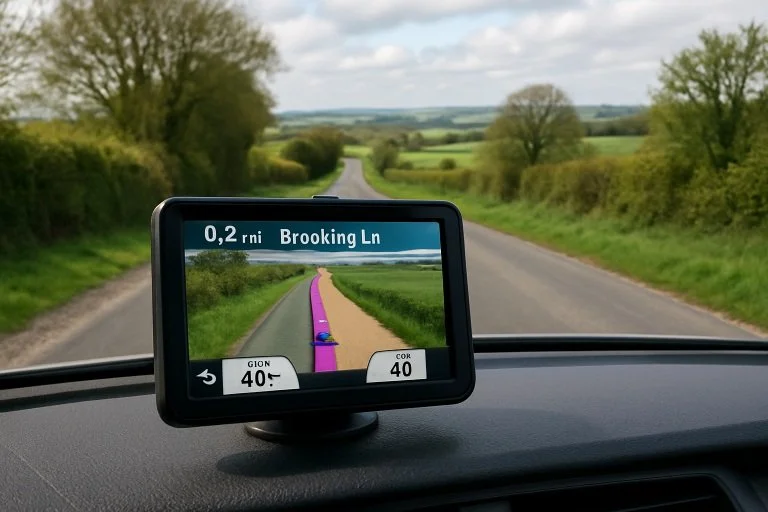
Use maps and sat nav for live directions, journey checks, traffic awareness and estimated drive times.
Guides help you plan
A curated road trip guide helps you understand where to go, what to see, how to pace your days and how different places fit together.
Avoid the common problems
Common road trip planning mistakes
Most road trip problems come from overloading the route, underestimating real driving time or planning around a map rather than the experience.
Trying to cover too much
A long list of destinations can look exciting, but it often creates a rushed trip. Give yourself enough time to enjoy each area properly.
Treating map time as the full plan
Driving time is only one part of the day. Parking, breaks, walking, viewpoints and meals all need space too.
Leaving overnight stops too late
Accommodation, campsites and suitable stopovers can shape the route, especially in busy seasons or rural areas.
Forgetting the practical details
Vehicle size, parking, packing, food, fuel, documents, insurance and weather can all change how realistic a route feels.

How to Plan a Road Trip

Benefits of a Journey Planner
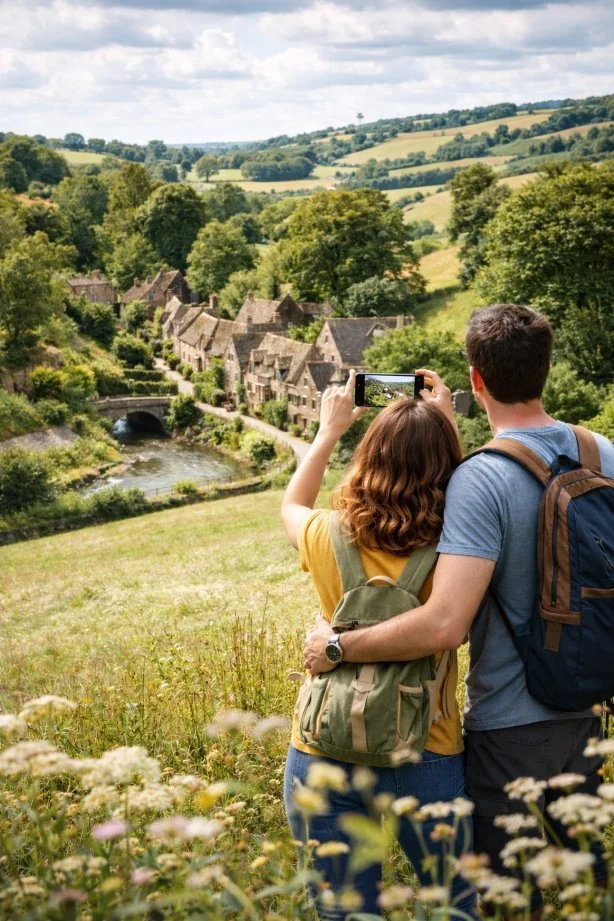
Travelling to the UK
Why a Travel Itinerary is Essential
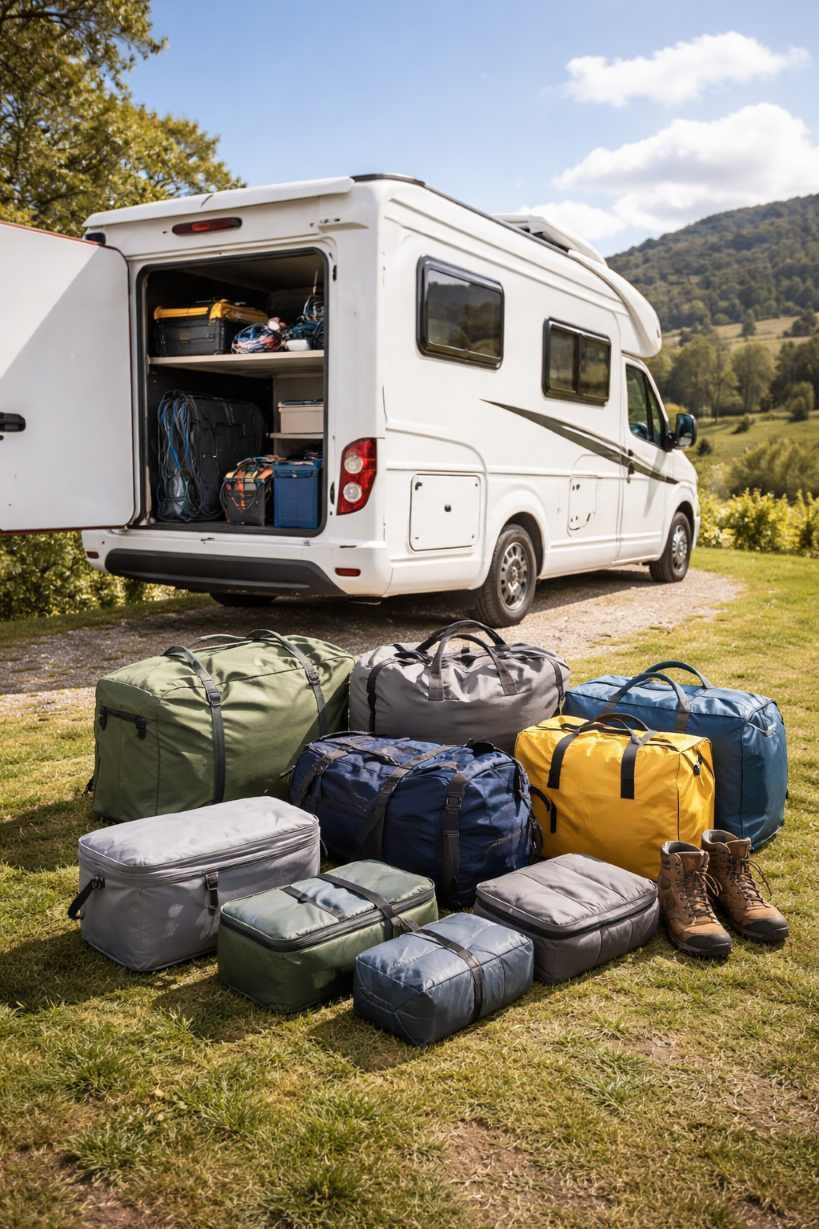
Ultimate Guide to What to Pack for Your Road Trip

Just for fun: What's your road trip style?
UK Road Trip Reality Check
Camping Club Memberships
Ultimate Road Trip Playlist

25 x Fabulous Road Trip Recipes
Code of Conduct

Fuel Efficient Driving
Heritage Club Memberships
Pub Stopovers

Top 10 Most Scenic Drives
Sat Nav for Motorhomes for 2026

Road Trip Experiences

Road Trip Inspiration

Find a Vehicle & Driving Tips
Road Trip Planning Guide