
UK scenic viewpoints and road trip stops
The Best Scenic Viewpoints in the UK: Perfect Stops for Road Trips
Viewpoints can completely change the feel of a road trip. They turn a simple drive into a string of memorable moments, giving you time to pause, breathe and actually take in the places you’re travelling through.
Whether you are winding along a coastal road, crossing open moorland or passing historic towns, a well-chosen viewpoint helps you slow down and see the bigger picture.
Quick answer: viewpoints are scenic places to pause during a road trip. They might be mountain passes, coastal cliffs, lay-bys, picnic spots, castle towers, harbour walls, valley lookouts or quiet places where the landscape suddenly makes sense.
Start here
Road trip viewpoints: finding memorable views
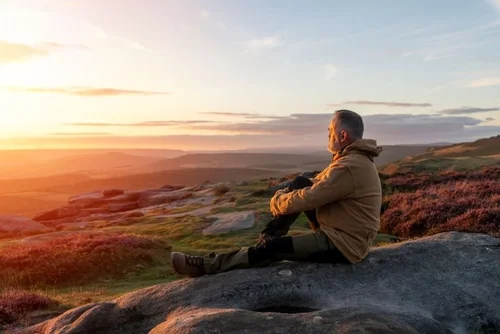
A viewpoint is not just somewhere to pull over. It can become the moment you remember most clearly: a valley opening beneath you, the first glimpse of the coast, a castle seen from above or a peaceful stop where everyone gets out of the car and breathes.
What this page covers
This guide keeps the original five-part structure and helps you understand how viewpoints can make your road trip feel more memorable, better paced and more connected to the landscape.
If you searched for car view points
People often search for “car view points”, “car viewpoints” or scenic places to stop by road. The best ones are not always formal attractions. They might be lay-bys, hilltop pull-ins, picnic areas, clifftop car parks or short walks from the road.
In Uncover Britain guides, viewpoints sit within the route layers, destination notes and itinerary ideas so they make sense as part of the journey, not as a separate standalone map product.
Part 1
Why viewpoints matter on a road trip
Viewpoints are more than just “nice places to pull over”. They shape the rhythm of your trip.
They reset the pace
Instead of driving from A to B in one long push, you create natural breaks where everyone can get out, look around and enjoy the moment.
They work for mixed groups
Drivers get a rest, kids get space to move, and keen photographers or walkers get a few minutes of joy without needing a full-day activity.
They make the route feel curated
A handful of well-chosen viewpoints turns your route into a journey with pauses, rewards and memorable scenes, not just a list of overnight stops.

Pause properly
A good viewpoint gives you permission to stop, look and feel that you have arrived somewhere, not just passed through.
Viewpoints make travel feel more human
A scenic stop can turn a practical driving day into something more enjoyable. It gives structure to the journey and helps everyone reconnect with the places outside the car window.
This is why viewpoints are so useful for families, couples, solo travellers, photographers, walkers and anyone planning a flexible self-drive holiday.
Part 2
Different types of viewpoints you might encounter
There are many different types of viewpoints, and that is part of what makes them so useful on a road trip.
Natural viewpoints
Natural viewpoints might lead you to beaches, waterfalls, lakes, moorland ridges, cliff edges or clearings in the forest where you suddenly feel still and free.
Historic viewpoints
A castle tower, harbour wall, old bridge, hillfort, churchyard or viewing platform can reveal how people used to defend, trade, travel and live in the landscape.
Easy car viewpoints
Some of the most useful viewpoints are simple: a lay-by with a vista, a picnic spot with good light, a viewpoint close to parking or a short walk from the road.
Viewpoints can be big or small
Some are breathtaking places on cliffs or slopes where you can see the complete environment in front of you. Others are much easier: a lay-by with a view that surprises you, a peaceful corner with a view of a river bend, or a picnic location that gets the light just right.
These stops help you see more of the place you are travelling through and gain a better sense of its geography and character.

Look closer
Viewing platforms, telescopes and information boards can help you understand what you are looking at, not just admire it.
Part 3
How viewpoints enhance your journey
A good viewpoint can completely reset the pace of your day.
You notice where you are
Instead of driving straight through an area, you are encouraged to stop, step outside and properly notice where you have arrived.
You create memorable moments
These pauses often become some of the most memorable moments of the whole trip: a quiet five minutes overlooking a valley, the first glimpse of a coastline or a surprising angle on a town.
You make long drives feel lighter
A long driving day feels easier when you know you have planned two or three lovely stops along the way.
Part 4
Tips for making the most of viewpoints
You do not need to overthink viewpoints, but a little awareness can elevate the experience.
Think about light
Checking which direction the view faces can help you time your stop with better light. Sunrise and sunset can transform even simple viewpoints into something special.
Bring small comforts
A flask, warm layer, picnic blanket or camera can make lingering more enjoyable, especially on windy coasts, open hills and colder shoulder-season trips.
Read the information boards
Information boards often reveal stories, geology, wildlife, industrial history or local details you would otherwise miss.
Look before taking photos
Try taking in the view before reaching for the camera. A few seconds of just looking can make the moment feel more meaningful.
Good viewpoint habits
- Park safely and avoid blocking lanes, gates or passing places.
- Check whether the road suits your vehicle before following narrow lanes.
- Keep children and dogs safe near cliffs, drops, roads and water.
- Stay on paths where erosion, crops or sensitive habitats are nearby.
- Take litter away and keep noise low in quiet places.
- Leave enough time so a viewpoint feels like a pause, not a rush.
Try a short wander
A short wander away from the main parking area can sometimes reveal an even better, quieter vantage point. Many viewpoints work best when you give yourself a few minutes rather than treating them as a quick photo stop.
Stay for as long as it feels good. Sometimes five minutes is enough; other times you might want to sit with a coffee, take photos, watch the weather change or walk a little further.
Part 5
Viewpoints in Uncover Britain road trips
Viewpoints work best when they are matched to the route, the driving day and the places around them.
Short scenic pauses
Some viewpoints are useful because they sit just off the main road and break up a driving day without taking over the itinerary.
Picnic and walk pairings
Some viewpoints work especially well when paired with picnic areas, short walks, riverside paths, beaches or nearby villages.
Historic vantage points
Some views explain the story of the landscape: castles, hillforts, bridges, harbour walls, old routes, industrial sites and town viewpoints.
Plan the full route
Viewpoints work best when they fit the whole road trip
This page helps you understand why viewpoints matter, but the best scenic stops only really work when they fit the route, the driving day, nearby places to visit and the time you have.
Our Uncover Britain road trip guides help you shape the wider journey first, then use viewpoints, hidden gems and memorable stops within the route layers, destination notes and flexible itinerary ideas.
What our guides help you plan
Break the journey into manageable areas instead of one long drive.
Add scenic pauses that help you understand the landscape.
Find quieter places and lesser-known stops within the route guidance.
Choose towns, coast, countryside, attractions and scenic stops.
Shape the trip around your time, pace, vehicle and travel style.
Travel more thoughtfully through rural areas, beauty spots and communities.
Where to start
Good routes for viewpoints and scenic road trip stops
Viewpoints can appear anywhere, but some road trips are especially strong for big views, coastal pull-ins, mountain roads and scenic detours.
Wales road trips
Wales is strong for mountain passes, coastal viewpoints, castle views, waterfalls, valleys, lakes and scenic pauses that sit naturally within a road trip.
Coastal drives
Coastal routes are ideal for cliffs, harbours, beaches, headlands, estuaries and big-sky viewpoints that give each driving day a sense of arrival.
Northumberland and northern routes
Northumberland, the Lake District, Yorkshire, the Peak District and Scotland are strong choices for viewpoints, open roads, castles, coast, hills and dramatic landscapes.
FAQs
Viewpoint FAQs
These quick answers help you choose better scenic stops and use viewpoints properly within a UK road trip.
How do I know which viewpoints are worth stopping for?
Go with places that make you curious. If a stop offers a great view, some local history or just feels like a spot you would enjoy pausing at, it is usually worth it. A good road trip guide also helps you choose viewpoints that fit the route rather than guessing at random.
Do I need to plan viewpoint stops ahead of time?
It can be nice to mark one or two on your route, but some of the best stops happen when you spot a gorgeous view and decide to pull over. A bit of planning and a bit of spontaneity works well.
Are viewpoints good for families and kids?
Yes. They are ideal for a quick run around, a breather from the car and something interesting to look at. Many are easy to reach and only a short walk from the parking area.
Are viewpoints still worth visiting in bad weather?
Often, yes. Moody skies, misty hills and wild coastlines can look incredible in rough weather. Just check it is safe to get out of the car and enjoy the view from a sensible spot.
Will all viewpoints be busy?
Not at all. Some well-known viewpoints can attract more people, but plenty of lovely viewpoints are tucked away, quiet and peaceful. Those quieter places often become the best memories.
Is it “viewpoints” or “view points”?
“Viewpoints” is the standard one-word spelling. Some people search for “view points” or “car view points”, but on this page we mainly use “viewpoints” because it is the clearest form for scenic road trip stops.
How long should I stay at a viewpoint?
There is no rule. Sometimes a few minutes is enough, and other times you might want to sit with a coffee, take photos, read the information board or wander around. Stay for as long as it feels good and fits the day.
Do Uncover Britain guides include viewpoints on a map?
The guides include viewpoints, hidden gems and scenic stops within the route layers, destination notes and planning guidance. They should not be treated as a separate standalone viewpoints map product.

Browse Destinations
Campsites
Almost Wild Camping
Pub Stopovers
Overnight Stopovers

Hotels, B & Bs and Guesthouses

Wild Swim Spots
Viewpoints
Seen on Screen / Screen Tourism

Hidden Gems