
Cotswolds road trip inspiration
Best Scenic Drives in the Cotswolds: Beautiful Roads, Villages and Countryside
Discover some of the best scenic drives in the Cotswolds, linking beautiful villages, rolling hills, hidden valleys, viewpoints and peaceful countryside.
The Cotswolds is one of England's finest destinations for a self-drive holiday. While the villages often steal the spotlight, it is the journey between them that creates much of the real magic.
These driving experiences are designed to help you enjoy the roads as well as the destinations, with ideas for stopping points, photography, seasonal scenery and places worth slowing down for along the way.
Quick answer
What are the best scenic drives in the Cotswolds?
Some of the best scenic drives in the Cotswolds include Broadway to Snowshill, Chipping Campden to Broadway, Stow-on-the-Wold to Burford, Bibury towards Cirencester, Bourton-on-the-Water and the Slaughters, Painswick towards Stroud, the Coln Valley and the countryside around Broadway Tower. The best choice depends on whether you want famous villages, open views, wooded valleys, quieter lanes or a more leisurely road trip experience.
Choose the drive, not just the destination
Scenic Cotswolds driving routes worth slowing down for
A map can make Cotswolds journeys look deceptively simple. Villages may be only a short distance apart, but the most rewarding experience often comes from allowing time for country lanes, photographs, short walks and spontaneous stops.
Rather than presenting one rigid route, this guide focuses on individual driving experiences. Some connect famous villages. Others reveal quieter valleys, open escarpment scenery or parts of the Cotswolds that feel noticeably different from the classic postcard view.
The driving times below are approximate and should be treated as a planning guide only. Exact timings depend on the roads you choose, traffic, parking, seasonal pressure, roadworks and how often you stop.
The driving experiences
10 scenic drives in the Cotswolds
These routes and route sections combine rewarding roads with villages, landscapes and worthwhile stops. Use them as inspiration rather than a rigid turn-by-turn itinerary.
Scenic drives for villages, escarpment views and open countryside
The northern Cotswolds combines some of the region's best-known towns with elevated scenery, broad views and excellent opportunities to leave the busiest routes behind.
Broadway to Snowshill
This short drive is one of the most rewarding contrasts in the northern Cotswolds. Leave Broadway's elegant High Street and head into higher, more rural countryside towards the peaceful village of Snowshill.
The attraction is not simply the distance covered. The experience comes from the changing landscape, elevated countryside and the sense of moving quickly from a busy visitor centre into quieter Cotswolds lanes.
Why drive it?
For a compact scenic experience combining a famous village with quieter countryside and a much smaller rural settlement.
Highlights
- Broadway village
- Snowshill village
- Elevated countryside
- Snowshill Manor area
- Seasonal summer colour nearby
Good stopping points
Allow time to explore Broadway on foot, pause in Snowshill and consider nearby heritage or countryside stops rather than treating the drive as a quick transfer.
Best season
Spring and early summer for fresh countryside; autumn for softer light and quieter touring.
Photography opportunities
Village stonework, wider countryside scenes and changing views as the road climbs away from Broadway.
Chipping Campden to Broadway
Linking two of the northern Cotswolds' most attractive places, this is a classic village-to-village driving experience rather than a long-distance route.
Chipping Campden and Broadway both deserve time on foot, so the most enjoyable approach is to treat the road between them as part of a leisurely morning or afternoon rather than trying to rush onwards.
Why drive it?
For two strong Cotswolds stops connected by attractive rural scenery and easy access to further northern Cotswolds viewpoints.
Highlights
- Chipping Campden High Street
- Historic Market Hall
- Open countryside
- Broadway High Street
- Broadway Tower area nearby
Good stopping points
Spend time in both main settlements. This route works best when you resist adding too many additional villages to the same half-day.
Best season
Year-round, although spring and autumn can be especially rewarding for relaxed touring.
Photography opportunities
Historic streets, limestone architecture, market buildings and broader countryside scenes between the two stops.
Stow-on-the-Wold to Burford
This drive links two distinctive Cotswolds centres and gives you a broader sense of the landscape between them, with rolling countryside and opportunities to pause rather than simply following the quickest possible journey.
Burford's sloping High Street creates a memorable finish, while Stow-on-the-Wold offers a very different hilltop market-town atmosphere at the start.
Why drive it?
For a longer village-and-market-town experience that shows how varied the Cotswolds can feel within a relatively compact area.
Highlights
- Stow-on-the-Wold
- Rolling countryside
- Rural route options
- Burford High Street
- Independent shops and traditional inns
Good stopping points
Prioritise the two principal stops and add only one smaller detour if time allows. Burford itself deserves more than a quick photograph.
Best season
Spring for fresh landscapes and autumn for warm countryside colour and softer photography light.
Photography opportunities
Market squares, wide rural scenes, roadside landscape details and the distinctive descending streetscape of Burford.
Moreton-in-Marsh to Kingham
This quieter drive is a good choice when you want to move away from the busiest visitor circuit and experience a more understated side of the northern Cotswolds.
Rolling farmland, smaller settlements and the attractive village atmosphere of Kingham make it particularly suited to slow touring rather than landmark collecting.
Why drive it?
For quieter countryside, a relaxed pace and a route experience that feels less dominated by headline tourist stops.
Highlights
- Moreton-in-Marsh
- Rolling farmland
- Traditional village scenery
- Kingham
- Country pub possibilities
Good stopping points
Allow time in Kingham and leave space for an unplanned countryside or pub stop rather than overloading the route.
Best season
Spring and autumn for relaxed driving; winter can also suit travellers looking for a quieter atmosphere.
Photography opportunities
Rural landscapes, village details, stone buildings and wider scenes with fewer busy visitor backdrops.
Scenic drives for riverside villages and classic countryside
These driving experiences combine some of the region's most recognisable places with quieter roads, valley scenery and opportunities to slow the pace.
Bibury towards Cirencester
Leaving famous Bibury behind, this drive gives you the opportunity to experience a broader landscape before reaching the historic centre of Cirencester.
The pleasure comes from combining riverside Cotswolds imagery with rural scenery and a larger historic town, rather than spending the whole day moving between similar-looking villages.
Why drive it?
For a varied experience combining one of the Cotswolds' best-known villages with countryside and the region's historic urban centre.
Highlights
- Arlington Row
- River Coln
- Rural countryside
- Cirencester
- Roman heritage
Good stopping points
Visit Bibury early or later in the day where possible, then allow proper time for Cirencester rather than treating it as a brief final stop.
Best season
Spring for fresh riverside scenery and autumn for softer light across the countryside.
Photography opportunities
Riverside scenes, historic stone buildings, rural landscapes and contrasting urban heritage in Cirencester.
Bourton-on-the-Water and the Slaughters
This gentle driving experience links one of the Cotswolds' busiest visitor destinations with the quieter atmosphere of Upper and Lower Slaughter.
The distances are short, so the value lies in stopping, walking and enjoying the contrast between the places rather than spending significant time behind the wheel.
Why drive it?
For a compact village experience where the road links naturally with riverside walking and slower exploration.
Highlights
- Bourton-on-the-Water
- Lower Slaughter
- Upper Slaughter
- River and village scenery
- Short walks between stops
Good stopping points
The Slaughters are the obvious place to slow down. Consider walking rather than repeatedly moving the car for very short distances.
Best season
Spring and autumn for softer scenery; early or later visits can help during busier summer periods.
Photography opportunities
Stone bridges, riverside cottages, reflections, village lanes and quieter rural details.
The Coln Valley Drive
The Coln Valley offers one of the most relaxing Cotswolds driving experiences, with smaller settlements, riverside scenery and lanes that encourage a slower pace.
Rather than focusing on one famous endpoint, the pleasure lies in linking places such as Coln St Aldwyns, smaller valley settlements and the wider countryside around Bibury.
Why drive it?
For a valley landscape where riverside scenery and smaller places matter more than ticking off major attractions.
Highlights
- Coln St Aldwyns
- Smaller valley settlements
- River Coln scenery
- Quiet back roads
- Bibury area
Good stopping points
Choose one or two smaller villages and allow time for a walk, café, pub or riverside pause instead of trying to stop everywhere.
Best season
Spring for fresh green landscapes and autumn for warm colour and atmospheric light.
Photography opportunities
Riverside landscapes, bridges, village stonework, trees and quieter scenes away from the most photographed locations.
Broadway Tower countryside circuit
A circular driving experience around Broadway Tower can combine some of the northern Cotswolds' broadest views with villages, ridge scenery and quieter approach roads.
The exact route can vary, which is part of the appeal. Rather than racing directly to the tower, build the surrounding countryside and smaller roads into the experience.
Why drive it?
For panoramic landscapes and a stronger sense of the Cotswolds escarpment than you get from a simple village-to-village transfer.
Highlights
- Broadway Tower
- Elevated scenery
- Ridge landscapes
- Traditional villages
- Wide countryside views
Good stopping points
Broadway Tower is the obvious anchor, but allow time for one smaller village and a countryside pause rather than treating the circuit as a continuous drive.
Best season
Clear spring and autumn days are particularly rewarding. Always allow for exposed weather and changing visibility.
Photography opportunities
Panoramic views, changing skies, elevated countryside and wider compositions rather than close village details.
Scenic drives for wooded valleys and a different Cotswolds landscape
The southern and western Cotswolds can feel noticeably different from the famous northern village circuit, with steeper slopes, wooded valleys and more dramatic changes in elevation.
Painswick to Stroud
This drive explores a greener, more wooded side of the Cotswolds, where valleys and steeper slopes replace some of the broader open landscapes associated with the north.
Painswick provides historic Cotswolds character, while Stroud adds markets, independent businesses and a more urban valley setting.
Why drive it?
For variety. This is a strong choice if you want to see a Cotswolds landscape that feels different from the classic northern village circuit.
Highlights
- Painswick
- St Mary's churchyard
- Wooded slopes
- Valley scenery
- Stroud
Good stopping points
Explore Painswick on foot, then allow time for Stroud rather than simply passing through. Additional valley detours can turn this into a longer experience.
Best season
Autumn is particularly rewarding for wooded colour, while spring brings fresh green valley scenery.
Photography opportunities
Wooded valleys, changing elevation, historic streets, churchyard details and broader views from higher ground.
Winchcombe and Sudeley countryside drive
The road connection between Winchcombe and Sudeley Castle is short, but the surrounding countryside makes this a useful driving experience when combined with the wider local lanes and historic landscape.
This is less about accumulating mileage and more about pairing a traditional Cotswolds town with heritage, gardens and attractive rural scenery.
Why drive it?
For a compact combination of town, countryside and a major historic stop without needing a long day behind the wheel.
Highlights
- Winchcombe
- Sudeley Castle area
- Historic gardens
- Rural countryside
- Nearby walking opportunities
Good stopping points
Winchcombe and Sudeley are the principal stops. Allow enough time to enjoy them properly rather than trying to build a long list of additional villages into the same visit.
Best season
Spring and summer suit gardens and longer daylight; autumn can be especially atmospheric in the surrounding countryside.
Photography opportunities
Historic architecture, gardens, countryside details and the changing landscape around Winchcombe.
A note about route times
All driving times and distances on this page are approximate. Exact journeys vary depending on the roads chosen, traffic, parking, weather, roadworks and seasonal congestion.
The Cotswolds is best enjoyed slowly. A short drive on the map can easily become several rewarding hours once you include village walks, photography, lunch and unexpected stops.
Choose your driving experience
Which Cotswolds scenic drive should you choose?
The best drive depends on whether you want famous villages, quieter countryside, panoramic views or a slower valley experience.
Best for a first visit
Chipping Campden to Broadway or Stow-on-the-Wold to Burford combine recognisable Cotswolds places with attractive countryside and easy stopping opportunities.
Best for quiet countryside
Moreton-in-Marsh to Kingham and the Coln Valley are strong choices if you want a slower journey with smaller places and fewer headline attractions.
Best for panoramic views
The Broadway Tower countryside circuit and elevated roads around the northern escarpment are ideal when wider landscapes matter more than village streets.
Best for pretty villages
Bourton-on-the-Water and the Slaughters offer a compact experience with riverside scenery, stone cottages and short walking opportunities.
Best for wooded scenery
Painswick to Stroud reveals a greener, steeper and more enclosed side of the Cotswolds, particularly rewarding in spring and autumn.
Best for repeat visitors
Try the Coln Valley, Kingham countryside or the southern valleys if you already know Broadway, Bibury and Bourton-on-the-Water.
Seasonal scenery
When is the best time for a scenic drive in the Cotswolds?
Every season changes the driving experience, from spring blossom and summer evenings to autumn colour and quieter winter villages.
Spring
Spring brings fresh green landscapes, blossom and longer days. It is an excellent season for valley drives, village photography and countryside routes before the busiest summer period.
Summer
Long daylight hours create more time for stops, gardens and evening drives. Popular villages can be much busier, so the quieter routes become especially valuable.
Autumn
Autumn is one of the strongest seasons for scenic driving, particularly around wooded valleys. Softer light and changing colour can make photography especially rewarding.
Winter
Winter offers quieter villages, atmospheric skies and country-pub stops. Shorter daylight and changing weather mean it is sensible to keep plans flexible.
Scenic drive planning tip
Do not judge a Cotswolds drive only by the number of miles. A route that appears to take twenty minutes can become one of the best parts of the day once you include a village walk, a viewpoint, photographs and an unplanned stop.
Continue the scenic-drives journey
Explore more scenic drives around Britain
Use the national and regional Scenic Drives pages to compare the Cotswolds with coastal, mountain and countryside routes elsewhere in Britain.
Top 10 Scenic Drives in the UK
Compare some of Britain’s strongest scenic-driving regions in one national guide.
Named Road Trips in the UK
Understand famous touring routes, branded loops and historic driving corridors.
Britain’s Great Coastal & Atlantic Drives
Compare coastal routes around the Atlantic, Irish Sea, North Sea and Channel.
Best Scenic Drives in Scotland
Explore Highland roads, sea lochs, islands and dramatic northern routes.
Peak District Scenic Drives
Compare limestone valleys, reservoirs, moorland roads and famous passes.
Lake District Scenic Drives
Discover mountain passes, lakeside roads and scenic loops in the Lakes.
Viewpoints and journey hubs
Connect Cotswolds scenic drives with viewpoints and quieter places
Scenic drives become more useful when they are linked to realistic stopping places, hidden gems and a wider journey that suits your time and interests.
Best Scenic Viewpoints in the UK
Find car-friendly viewpoints, roadside panoramas and worthwhile scenic stops.
UK Hidden Gems
Add quieter landscapes, villages, historic places and worthwhile detours.
Hidden Gems in the Cotswolds
Find quieter valleys, villages and countryside beyond the busiest visitor circuit.
Choose Your Journey
Find a route by landscape, history, coast, touring style or trip length.
England Road Trips
Compare self-drive routes across English countryside, coast and national parks.
Road Trip Inspiration
Browse scenic drives, itineraries, viewpoints and destination-led ideas.
Practical road trip planning
Plan a Cotswolds scenic drive properly
Short distances can still involve narrow lanes, busy villages, limited parking and longer stopping times than the mileage suggests.
How to Plan a Road Trip in the UK
Build realistic driving days, route sections and overnight bases.
Driving in the UK
Review practical road guidance before using unfamiliar rural roads and villages.
UK Road Trip Costs and Budgeting
Plan for fuel, accommodation, parking, food and attractions.
What to Pack
Prepare for changing weather, village walks and countryside stops.
Road Trip Recipes
Find simple picnic and touring-food ideas for longer scenic-drive days.
Road Trip Playlist
Create a soundtrack for the miles between villages and viewpoints.
Choose a suitable vehicle
Explore the Cotswolds by campervan, motorhome or car
Vehicle choice affects narrow-lane access, village parking and overnight options. Check restrictions before using larger vehicles on small rural roads.
Hire a Campervan or Motorhome
Combine transport and accommodation for a flexible Cotswolds touring route.
Hire a Car
Choose a practical vehicle for narrow roads, village parking and scenic detours.
Buy a Motorhome or Campervan
Explore ownership options for regular touring holidays around Britain.
Cotswolds vehicle reminder
Small villages and narrow lanes are often easier in a compact vehicle. Avoid blocking gateways, verges or passing space, and use designated parking wherever possible.
More Cotswolds inspiration
Continue planning your Cotswolds adventure
Use these pages to choose villages, find lesser-known discoveries, plan your trip length and prepare for driving in the Cotswolds.
Best Cotswolds Villages
Decide which villages are worth your time, from famous favourites to quieter stops, with advice on how long to allow and what makes each place different.
Hidden Gems in the Cotswolds
Find quieter discoveries including lesser-known places, valleys, back roads and countryside stops beyond the busiest visitor circuit.
Cotswolds Road Trip Itinerary
Work out how many days you need, what areas combine naturally and how to structure a realistic one-day, weekend or longer trip.
Driving the Cotswolds
Practical advice for country lanes, parking, road conditions, journey times and exploring the region by car.
Things to Do in the Cotswolds
Add gardens, historic houses, attractions, museums, walks and experiences to your Cotswolds road trip.
Classic Cotswolds Road Trip Guide
Move from individual scenic-drive ideas to a ready-made 233-mile Cotswolds journey with route structure and planning support.
Cotswolds road trip guide
Turn individual scenic drives into a complete Cotswolds road trip
These route ideas are useful for inspiration. If you want a fuller journey that links villages, countryside, major highlights and quieter places into a structured self-drive adventure, our Classic Cotswolds Road Trip Guide does the planning for you.
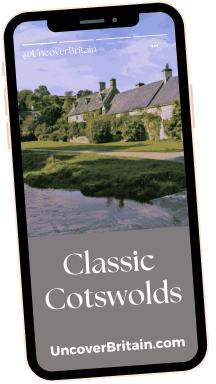 £12.99
Classic Cotswolds Road Trip
A flexible 233-mile Cotswolds road trip through villages, scenic countryside, Blenheim Palace, hidden valleys and varied landscapes.
Best for: scenic driving, villages, countryside and relaxed touring.
View the guide £9.99
£9.99
Stonehenge & Ancient Wessex
A nearby heritage-focused route for Stonehenge, Salisbury, ancient landscapes, chalk downs and historic Wiltshire.
Best for: prehistory, countryside, heritage and historic landscapes.
View the guide £10.99
Malvern Hills, The Vale & Black & White Trail
Hill views, timber-framed villages, orchards, market towns and scenic countryside west of the Cotswolds.
Best for: scenic roads, countryside, historic towns and views.
View the guideEngland bundles
Save with Cotswolds and nearby road trip bundles
Bundles are useful if you want to combine the Cotswolds with additional scenic, historic and countryside journeys.
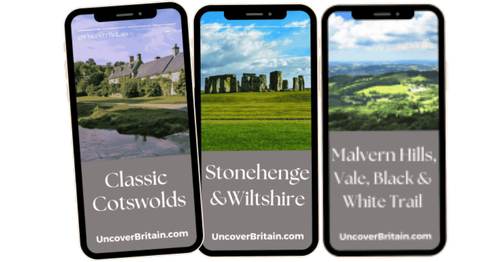 £21.99
Save approx. £12 / 35%
£21.99
Save approx. £12 / 35%
Western Shires Explorer
A fuller England set combining Cotswolds villages and scenic roads with ancient Wessex and the Malvern and Black & White Trail.
View Western Shires Explorer £17.99
Save approx. £5 / 22%
£17.99
Save approx. £5 / 22%
History & Heritage
Cotswolds villages and scenic countryside paired with Stonehenge and the ancient landscapes of Wiltshire.
View History & HeritagePrepare for your trip
Practical road trip planning links
Useful planning pages before you set off, especially if you are hiring a vehicle, staying overnight or visiting Britain from overseas.
Hire a Campervan or Motorhome
Find a vehicle for your UK road trip before choosing your route.
UK Campsites, Holiday Parks & Glamping
Browse overnight ideas for road trips, campervans and touring holidays.
Heritage Memberships
Compare memberships that may help with castles, gardens and historic places.
What to Pack for a UK Road Trip
A practical checklist for preparing your car, bags and road trip essentials.
Travelling to the UK?
Useful guidance for overseas visitors planning a UK self-drive holiday.
Road Trip Planning Hub
Start here for wider UK road trip advice, route ideas and practical planning guidance.
FAQs
Cotswolds scenic drives FAQs
Practical answers for choosing and enjoying scenic driving routes in the Cotswolds.
What is the best scenic drive in the Cotswolds?
There is no single best route for everyone. Broadway to Snowshill is excellent for a short northern Cotswolds drive, the Coln Valley suits slower countryside touring, and the Broadway Tower area is a strong choice for wider views.
Can I do a scenic Cotswolds drive in one day?
Yes, but choose one part of the region rather than trying to cover everything. A northern drive around Broadway and Chipping Campden or a central route around Bourton and the Slaughters can work well.
How long should I allow for a Cotswolds scenic drive?
Allow much longer than the direct driving time. A route that takes twenty minutes without stopping can easily fill several hours once you add village walks, photographs, parking and lunch.
What is the best season for scenic driving in the Cotswolds?
Spring is excellent for fresh green scenery, summer offers long daylight hours, autumn is particularly rewarding for colour and photography, and winter can provide quieter villages and atmospheric skies.
Are Cotswolds scenic routes suitable for nervous drivers?
Some routes use straightforward roads while others involve narrower country lanes. Choose a route that matches your confidence, allow extra time and avoid feeling pressured to follow the smallest roads simply because they appear scenic.
Should I follow the fastest route through the Cotswolds?
Not necessarily. The quickest road may bypass the villages, viewpoints and landscapes that make a Cotswolds road trip memorable. Scenic touring works best when you allow time for planned and spontaneous stops.
Ready to plan?
Turn scenic Cotswolds drives into one flexible self-drive journey
Our Classic Cotswolds Road Trip Guide helps you connect villages, scenic roads, hidden valleys, major highlights and quieter countryside into a flexible 233-mile journey, with route structure and practical planning support.