
Cotswolds self-drive planning
Driving the Cotswolds: Essential Tips for Exploring by Car
Practical advice for driving in the Cotswolds, including narrow country lanes, parking, journey times, busy villages, fuel, electric vehicle charging and touring at a realistic pace.
The Cotswolds is one of England's most rewarding places to explore by car. Winding lanes, rolling hills, picturesque villages and scenic detours make driving part of the experience rather than simply a way of getting from A to B.
Whether you are visiting for a day, a weekend or a longer road trip, these tips will help you explore more confidently and avoid some of the most common planning mistakes.
Quick answer
Is it easy to drive around the Cotswolds?
Yes, for most drivers the Cotswolds is straightforward to explore by car, but some rural lanes are narrow and may require patience around blind bends, passing places, cyclists, walkers, horses and farm vehicles. Popular villages can also become busy, so allow more time than a sat nav estimate suggests and use designated public parking wherever possible.
Exploring the Cotswolds by car
Is driving the best way to explore the Cotswolds?
For many visitors, a car offers the greatest flexibility. Larger towns are connected by public transport, but smaller villages, countryside stops and scenic route sections can be much easier to combine by road.
Driving allows you to set your own pace, stop when a view catches your eye and combine famous villages with quieter places that are harder to reach on a fixed timetable.
The trade-off is that you need to think realistically about narrow roads, parking and journey times. A good Cotswolds road trip is rarely about covering as many miles as possible.
Before you set off
Essential tips for driving in the Cotswolds
These are the practical points most likely to improve a self-drive trip, especially if you are unfamiliar with rural English roads.
Allow more time than your sat nav suggests
A twenty-minute estimate may be accurate for a direct drive, but it does not include photographs, village walks, parking, queues or spontaneous detours.
Best approach
Build spare time into each day and treat the roads between places as part of the experience.
Expect narrow lanes
Many rural roads are perfectly manageable, but some are narrow enough to require slower speeds and cooperation with oncoming traffic.
Best approach
Slow down before bends, identify passing opportunities and be prepared to reverse a short distance when necessary.
Use designated car parks
Popular villages can become congested when drivers search for the closest possible roadside space.
Best approach
Use public parking and accept that a short walk into the centre is often easier than circling narrow village streets.
Visit busy villages earlier or later
Bibury and Bourton-on-the-Water can feel very different outside peak visitor hours.
Best approach
Put the busiest stop at the start or end of the day and use the middle for quieter villages or countryside.
Do not automatically follow the fastest route
The quickest road can bypass the landscapes and smaller places that make a Cotswolds road trip memorable.
Best approach
Use scenic routes deliberately, but avoid assuming every tiny lane must be better than a sensible B-road.
Keep your daily plan realistic
The biggest problem is often not the roads but trying to visit too many places.
Best approach
Group stops geographically and leave room for lunch, walking and unexpected discoveries.
Road character
What are the roads like in the Cotswolds?
The road network ranges from straightforward main roads and B-roads to narrow country lanes through villages, farmland and wooded valleys.
Main roads and B-roads
These are generally the easiest way to move between larger towns and broader areas. They can still be scenic and often provide a more relaxed drive than forcing every journey onto the smallest lanes.
Narrow rural lanes
Some lanes are bordered by dry stone walls, hedges or banks and may narrow considerably. Visibility can be limited around bends.
Village streets
Historic centres were not designed for modern traffic volumes. Expect restricted space, pedestrians and occasional delivery vehicles.
Hills and bends
The Cotswolds is not a mountain-driving destination, but some areas include steeper gradients, winding roads and frequent changes in elevation.
Farm traffic
Rural roads are working roads. Tractors, agricultural vehicles and livestock movements are part of normal countryside travel.
Cyclists, walkers and horses
Expect to share rural roads with vulnerable road users, especially on quieter lanes and around popular walking areas.
You do not need to seek out the narrowest road
A scenic Cotswolds drive does not have to involve squeezing along every tiny lane. Many rewarding journeys use a sensible combination of B-roads, village connections and selected quieter sections.
Parking advice
Parking in the Cotswolds
Parking can be one of the biggest practical differences between a relaxed day and a frustrating one, particularly in famous villages.
Use public car parks
Designated parking is usually the best option in busy villages and towns, even when it means walking a little further.
Avoid blocking residential streets
Narrow roads need space for residents, deliveries, emergency access and larger vehicles.
Check restrictions carefully
Do not assume a quiet-looking road is unrestricted. Read local signs and observe marked bays and time limits.
Expect busy periods
Summer weekends, bank holidays and school holidays can create significant pressure in the best-known villages.
Allow time to walk in
Some of the easiest parking is outside the historic centre. Build the walk into your schedule rather than treating it as lost time.
Keep payment options flexible
Parking arrangements vary, so carrying a payment card and having access to your phone can be useful where cashless systems are used.
Popular village tip
If a famous village is a priority, make it the first major stop of the day rather than arriving at the busiest point and hoping for easy parking.
Country lane confidence
How to drive narrow roads in the Cotswolds
Some of the most attractive rural roads are also the narrowest. A calm, patient approach makes them much easier to manage.
Reduce speed early
Slow before blind bends rather than braking sharply once another vehicle appears.
Notice passing opportunities
Keep track of wider sections and gateways so you know where you may be able to pull in safely.
Be prepared to reverse
Occasionally the safest solution is for one vehicle to reverse a short distance to a wider point.
Watch the road edges
Stone walls, hedges, verges and hidden drainage edges can reduce usable road width.
Give vulnerable users space
Cyclists, walkers and horse riders are common on rural roads and should be passed patiently and carefully.
Do not feel pressured
Drive at a pace that allows you to react safely. Local drivers may know the road better than you do.
Navigation
Should you always follow your sat nav?
Sat nav is useful, but the fastest or shortest route is not always the best choice for a relaxed Cotswolds drive.
Fastest is not always best
A quicker route may bypass the landscapes and smaller places that make the journey worthwhile.
Shortest can mean narrowest
A route that saves a small amount of distance may send you onto a much tighter lane than necessary.
Review the route before setting off
Look at the broad direction and main places rather than following every instruction without context.
Keep a backup
A paper map or saved offline information can be useful if signal becomes unreliable.
Do not constantly reroute
Frequent last-minute changes can send you onto smaller roads and make the day more stressful.
Plan scenic sections intentionally
Choose rewarding drives because they fit your journey, not simply because the navigation app happens to suggest them.
Looking specifically for scenic routes?
Use the dedicated Best Scenic Drives in the Cotswolds page for individual driving experiences, stopping points and seasonal ideas.
Fuel and charging
Fuel and electric vehicle charging in the Cotswolds
Rural touring is easier when you think ahead, especially if your day focuses on smaller villages and countryside.
Petrol and diesel
Fuel is generally easier to find in larger towns and on main routes than in small villages. Avoid waiting until the tank is almost empty before looking for a station.
Electric vehicles
Charging is available across the wider region, but rural route planning still benefits from checking locations in advance rather than assuming every village will have a suitable charger.
Plan around longer stops
Accommodation, larger towns and attractions may offer practical opportunities to charge while you are already stopping.
Do not rely on one option
Keep alternative charging or fuel stops in mind in case a location is busy, unavailable or does not suit your vehicle.
EV planning tip
Charging availability and access can change, so check current information shortly before your trip and again when necessary during the journey.
Seasonal driving
When is the best time to drive in the Cotswolds?
Every season offers a different experience, but daylight, visitor numbers and weather all affect practical road trip planning.
Spring
Fresh green landscapes, blossom and increasing daylight make spring one of the most rewarding times for a self-drive trip.
Summer
Long days allow more flexibility, but famous villages and parking areas can become significantly busier.
Autumn
Changing colour and softer light suit scenic driving, especially around wooded valleys and quieter countryside.
Winter
Villages can feel much quieter, but shorter days and changing weather make careful pacing more important.
Village touring
Which Cotswolds villages work well by car?
Driving makes it easier to combine famous villages with smaller places that are less straightforward to link by public transport.
Famous first stops
Bibury, Bourton-on-the-Water, Broadway and Stow-on-the-Wold are popular choices, but benefit from careful timing.
Northern touring
Chipping Campden, Broadway and Snowshill can work naturally within the same wider area.
Central touring
Bourton-on-the-Water and the Slaughters offer short-distance connections with opportunities to walk.
Quieter villages
Stanton, Kingham, Guiting Power and Naunton can add variety beyond the headline destinations.
Southern character
Painswick and surrounding valleys show a different side of the Cotswolds from the classic northern circuit.
Do not visit them all
Choose a smaller number of places that offer different experiences rather than building a repetitive village checklist.
Need help choosing villages?
The dedicated Best Cotswolds Villages page compares individual places by character, time needed and what makes each one different.
Useful road trip kit
What should you take on a Cotswolds driving day?
A few simple items can make spontaneous stops and changing weather much easier to manage.
Comfortable walking shoes
Even short village visits often involve more walking than expected.
Waterproof layer
Weather can change quickly, especially when your day includes outdoor stops.
Reusable water bottle
Useful for longer countryside days and spontaneous walking stops.
Phone charger
Navigation, photography and parking apps can all increase battery use.
Backup map
A paper map or saved offline information can provide useful context when signal is limited.
Picnic supplies
Useful if you want the flexibility to stop away from the busiest village centres.
Considerate touring
A few local driving habits that make a difference
The Cotswolds is a living and working rural area, not simply a visitor attraction.
Drive slowly through villages
Expect pedestrians, parked vehicles, children and restricted sight lines.
Use passing places considerately
Do not stop in them unnecessarily and give other drivers space to manoeuvre.
Respect residential access
Avoid parking across gateways, entrances or narrow sections needed by larger vehicles.
Be patient with rural traffic
Tractors and agricultural vehicles are part of the local road network.
Give cyclists and horses space
Slow down and wait for a safe opportunity rather than squeezing through.
Avoid excessive daily mileage
Slower travel is not only more enjoyable; it also reduces pressure on already busy village roads.
More Cotswolds inspiration
Continue planning your Cotswolds adventure
Use these pages to choose villages, find scenic drives, decide how many days you need and add quieter discoveries.
Best Cotswolds Villages
Compare villages by character, time needed and what makes each one different.
Hidden Gems in the Cotswolds
Find quieter places, valleys, back roads and overlooked stops beyond the standard visitor circuit.
Best Scenic Drives in the Cotswolds
Discover individual driving experiences linking villages, countryside, valleys and viewpoints.
Cotswolds Road Trip Itinerary
Work out whether you need one day, a weekend, three days or a slower four-to-five-day trip.
Things to Do in the Cotswolds
Add gardens, historic houses, attractions, museums and experiences to your route.
Classic Cotswolds Road Trip Guide
Move from practical driving advice to a structured 233-mile self-drive journey.
Cotswolds road trip guide
Plan a Cotswolds road trip without the guesswork
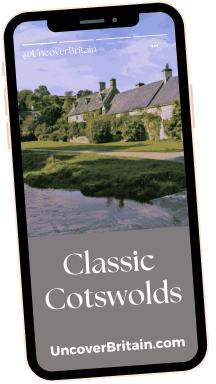
Driving the Cotswolds gives you flexibility, but deciding where to go and in what order can take time. Our Classic Cotswolds Road Trip Guide brings the journey together into a structured self-drive experience.
 £12.99
Classic Cotswolds Road Trip
A flexible 233-mile Cotswolds road trip through villages, scenic countryside, Blenheim Palace, hidden valleys and varied landscapes.
Best for: travellers who want route structure, mapped planning support and a flexible self-drive journey.
View the guide £9.99
£9.99
Stonehenge & Ancient Wessex
A nearby heritage-focused route for Stonehenge, Salisbury, ancient landscapes, chalk downs and historic Wiltshire.
Best for: extending your trip into prehistoric landscapes and historic southern England.
View the guide £10.99
Malvern Hills, The Vale & Black & White Trail
Hill views, timber-framed villages, orchards, market towns and scenic countryside west of the Cotswolds.
Best for: extending a Cotswolds trip westwards into different landscapes and village styles.
View the guideEngland bundles
Planning a longer England road trip?
Combine the Cotswolds with nearby heritage and countryside routes if you have more time to explore.
 £21.99
Save approx. £12 / 35%
£21.99
Save approx. £12 / 35%
Western Shires Explorer
Combine the Cotswolds with ancient Wiltshire and the Malvern and Black & White Trail for a broader England journey.
View Western Shires Explorer £17.99
Save approx. £5 / 22%
£17.99
Save approx. £5 / 22%
History & Heritage
Pair Cotswolds villages and scenic countryside with Stonehenge and the ancient landscapes of Wiltshire.
View History & HeritagePrepare for your trip
Practical road trip planning links
Useful planning pages before you set off, especially if you are hiring a vehicle, staying overnight or visiting Britain from overseas.
Hire a Campervan or Motorhome
Find a vehicle for your UK road trip before choosing your route.
UK Campsites, Holiday Parks & Glamping
Browse overnight ideas for road trips, campervans and touring holidays.
Heritage Memberships
Compare memberships that may help with castles, gardens and historic places.
What to Pack for a UK Road Trip
A practical checklist for preparing your car, bags and road trip essentials.
Travelling to the UK?
Useful guidance for overseas visitors planning a UK self-drive holiday.
Road Trip Planning Hub
Start here for wider UK road trip advice, route ideas and practical planning guidance.
FAQs
Driving in the Cotswolds FAQs
Practical answers for planning a self-drive trip through the Cotswolds.
Is it easy to drive around the Cotswolds?
Yes, for most drivers the Cotswolds is straightforward to explore by car. Some rural lanes are narrow, so slower speeds and patience are important.
Are the roads in the Cotswolds very narrow?
Some country lanes are narrow, but the region also has plenty of main roads and B-roads. You do not need to use the smallest lanes for every journey.
Is parking difficult in the Cotswolds?
Parking can become difficult in famous villages during peak periods. Using designated car parks and visiting earlier or later in the day can make the experience easier.
Do I need a car to visit the Cotswolds?
Not necessarily, but a car provides the greatest flexibility for linking smaller villages, countryside stops and scenic routes.
How long does it take to drive around the Cotswolds?
There is no single loop around the whole region. Short journeys between villages can take only minutes, but a meaningful road trip is better planned over several days rather than as one continuous drive.
Should I follow the fastest route in the Cotswolds?
Not always. The fastest route may bypass attractive villages and countryside, while the shortest route can sometimes use narrower lanes than necessary.
Can I drive an electric car in the Cotswolds?
Yes. Electric vehicle charging is available across the wider region, but it is sensible to plan ahead when spending long periods in rural areas.
What is the best time of year for driving in the Cotswolds?
Spring and autumn are particularly rewarding for scenery and generally suit relaxed touring, while summer offers longer days but busier villages.
Ready to plan?
Explore the Cotswolds by car without piecing the whole route together yourself
Our Classic Cotswolds Road Trip Guide helps you connect villages, scenic roads, major highlights and quieter countryside into a flexible 233-mile self-drive journey with route structure and practical planning support.