
UK road trip packing list
What to pack for a UK road trip: car, campervan and motorhome packing checklist
Packing for a UK road trip is about more than throwing clothes in a bag. You need the right documents, layers, food, tech, toiletries, vehicle items and comfort kit for changing weather, rural routes and flexible travel days.
Use this guide to build a practical road trip packing list without overpacking, whether you are travelling by car, campervan or motorhome.
Quick answer: pack documents, money, clothing layers, toiletries, medication, food basics, water bottles, phone chargers, navigation support, vehicle essentials, wet-weather gear and a few comfort items for evenings or rainy days.

Pack for the whole journey
A good packing list makes the road trip easier
Road trip packing depends on your vehicle, route, season, accommodation style and daily pace. The goal is not to pack everything — it is to pack the things that make travel smoother, safer and more comfortable.
Keep essentials easy to reach
Documents, cards, phone chargers, medication, water and wet-weather items should be accessible without unpacking the whole car or campervan.
Plan for UK weather
Layers, waterproofs, warm evening clothes and quick-drying towels are more useful than packing for a single forecast.
Avoid packing for every possibility
Use flexible items that work across several situations. This keeps the vehicle lighter, tidier and easier to live with on the road.
Road trip packing tips
Tips on how to pack for a road trip
Packing well for a road trip is less about clever hacks and more about daily rhythm. The aim is to make mornings quicker, evenings calmer, and stops in between less chaotic.
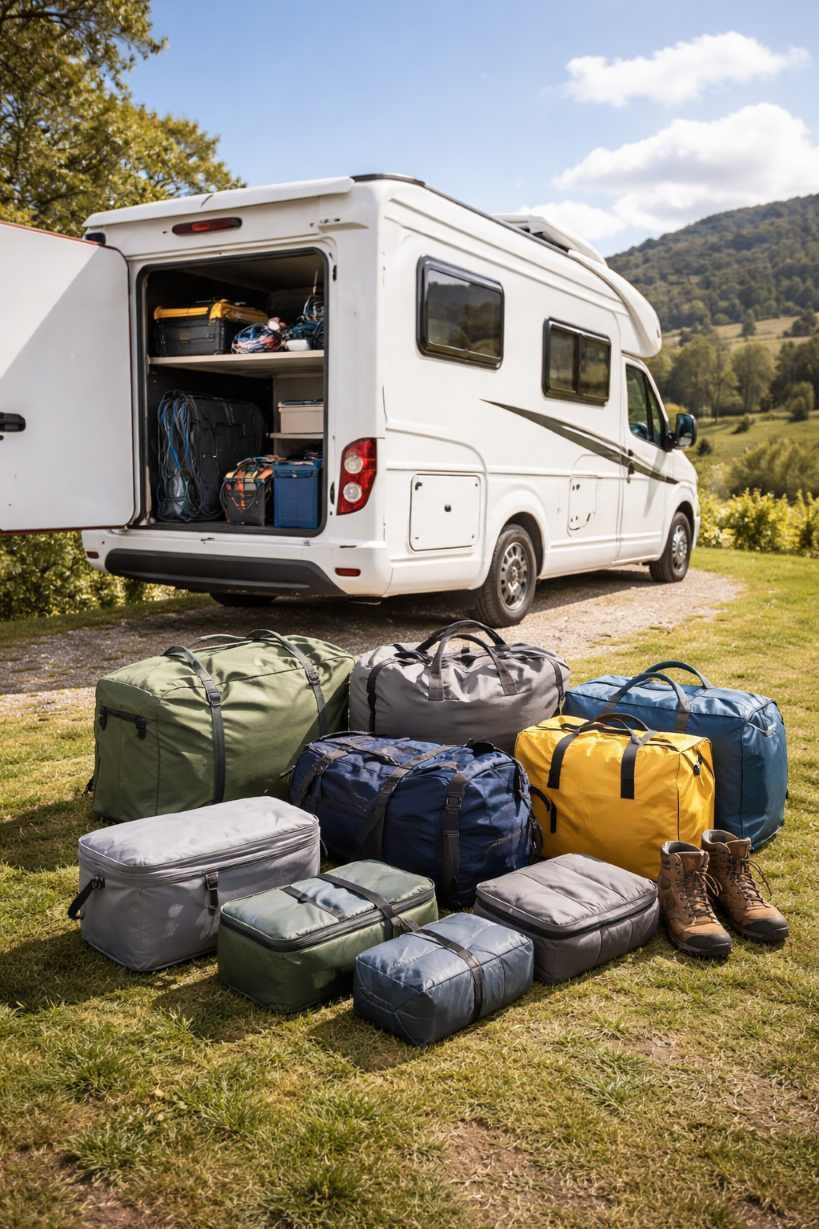
Use soft-sided luggage
Duffel bags, backpacks and soft-sided luggage are usually better than rigid suitcases because they can be squeezed into tighter spaces in a car, campervan or motorhome.
Roll clothes instead of folding
Rolling clothes helps maximise space and can reduce creasing. Roll bulkier items on the outside and lighter items on the inside so bags are easier to pack and unpack.
Use packing cubes or compression bags
Packing cubes and compression bags help keep clothing organised. You can pack by clothing type, person, day or activity so you are not constantly rummaging through everything.
Distribute weight evenly
Spread the weight of your luggage across several smaller bags rather than one heavy suitcase. This makes loading easier and helps keep the vehicle tidier and more balanced.
Pack a day bag
Keep a small backpack or duffel bag packed with the essentials you need for overnight stops, walks, beach visits or town exploring, so you do not have to unpack the whole vehicle.
Maximise small spaces
Use shoes, pockets and side compartments for socks, chargers and small items. Pack toiletries separately in spill-proof bags so leaks do not spread through your luggage.
Prepare for easy access
Anything you reach for during the day — snacks, maps, charging cables, sunglasses, wet-weather layers or medication — is best kept up front rather than buried in the back.
Give everything a place
Once everything has a place, the vehicle feels bigger and daily life on the road becomes calmer. A five-minute reset each evening can stop clutter taking over.
Packing categories
What to pack for a UK road trip
Use these packing sections to build a fuller UK road trip packing list for real travel days. They cover documents, money, clothing, toiletries, comfort, campervan storage, motorhome essentials, kitchen kit and practical items for life on the road.
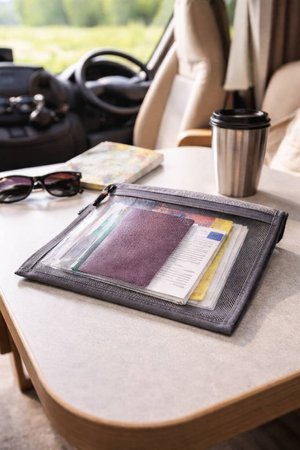
Important documents to keep close
Important documents are the first part of any road trip packing checklist because they are awkward to replace once you are already travelling. Keep everything together in a wallet, folder or zipped pouch that stays accessible during the journey.
- Passport, driving licence and travel insurance details
- Vehicle hire agreement, breakdown cover and emergency contacts
- Health insurance details, medication notes and spare keys where relevant
Money and financial back-ups
A back-up payment system takes very little space but can save a lot of stress. This matters on rural routes, ferry days, small car parks, toll crossings and places where signal or card machines are unreliable.
- Everyday bank card and a separate back-up card
- Cash split between two places
- Coins for parking, tolls, lockers or small stops
Clothing for changing UK weather
UK road trip packing needs to work across coast, countryside, hills and towns. Layers usually work better than bulky single-use outfits, especially if you are moving between short walks, scenic stops, campsites and overnight stays.
- Waterproof jacket, umbrella, fleece or warm layer
- Comfortable shoes, flip flops and wet-weather footwear
- Quick-drying towels, swimwear, socks, sleepwear and evening layers
Care items, toiletries and medication
Travel sizes help, but the important thing is not to forget the items that are difficult to replace quickly. Put medication and daily care items somewhere easy to find, especially if you are staying in several places.
- Medication, prescriptions, contact lenses or glasses
- Toothbrushes, toothpaste, shampoo, shower gel and deodorant
- Sunscreen, insect repellent, painkillers, plasters and bite cream

Cosy evenings and rainy day essentials
Not every road trip moment is about driving or sightseeing. A few small comfort items can make a wet evening, slower campsite night or quiet family stop feel like part of the holiday rather than wasted time.
- Books, puzzle books, cards or small board games
- Cushions, warm layers and comfort items for downtime
- Drawing, colouring or small outdoor items for children
Kitchen and practical things
For campervans and motorhomes, the best packing list includes practical items that earn their place more than once. Think reusable, compact and easy to clean rather than bringing a full kitchen from home.
- Washing-up kit, tea towel, kitchen paper and storage tubs
- Cups, cutlery, crockery, chopping board and simple utensils
- Tin opener, bottle opener, water bottle, flask, salt, pepper and dried herbs
Printable Packing Checklist
Open the checklist in a new window, tick what you’re taking, then print or save as PDF. It is useful for car road trips, campervans and motorhomes, whether you are packing for a weekend or a longer tour.
Checklist preview
Road trip packing checklist sections
Use these sections to check your packing before opening the printable version.
Important documents to keep close
Keep personal and vehicle documents in one place so they are easy to find when you need them.
- Passport and driving licence
- Travel insurance and health insurance details
- Hire agreement or vehicle documents
- Breakdown service contact details
- Emergency contact details
Money and financial back-ups
A simple back-up system takes little space but can save stress on the road.
- Everyday bank card
- Back-up credit card
- Cash split in two places
- Coins for parking, tolls or small stops
Care items and toiletries
Travel sizes help, and a few shared products can keep packing lighter.
- Medication, prescriptions or contact lenses
- Toothbrush, toothpaste and toiletries
- Sunscreen, after-sun and insect repellent
- Painkillers, plasters and bite cream
- Quick-drying towels and wash kit
Cosy evenings and rainy day essentials
A few comfort items make downtime more enjoyable when the weather turns or you have a relaxed evening stop.
- Cushions or extra comfort items
- Books, magazines or puzzle books
- Board games, cards or small puzzles
- Drawing or colouring supplies
- Small outdoor items such as a ball or kite
Clothing and personal item needs
Think layers and a small rotation of favourites rather than packing everything just in case.
- Waterproofs, umbrella and rain jacket
- Warm layers, fleece or jumpers
- Comfortable shoes and flip flops
- Swimwear and quick-drying towels
- Evening wear, bedtime wear and socks
Kitchen and practical things
For campervans and motorhomes, pack practical items that genuinely earn their place.
- Reusable water bottle and flask
- Washing-up kit and tea towel
- Cutlery, crockery and chopping board
- Tin opener, bottle opener and knives
- Storage tubs, foil and kitchen paper
Pack for the route
Choose a road trip guide, then pack around the journey
The best packing list depends on the trip you are taking. A coastal route, mountain route, family weekend or longer touring holiday will all need slightly different kit.
Browse UK road trip guides
Choose from flexible self-drive road trip guides across England, Scotland, Wales and the British Islands.
BundlesRoad trip guide bundles
Plan a longer trip or combine nearby routes with regional and themed road trip bundles.
Northern EnglandNorthumberland Castles & Coast
Pack for coast, castles, countryside drives, heritage stops and changeable northern weather.
WalesNorth Wales Way
Pack for mountains, castles, coastal stops, walking layers and varied weather across North Wales.
Plan the trip around what you pack
Packing is easier when the route is realistic
What you need depends on where you are going, how long you are away, how much you drive each day and whether you are travelling by car, campervan or motorhome.
How to plan a road trip
Plan route sections, daily pace, stops, overnight stays and realistic driving days.
Road trip recipes
Use simple recipes and a storecupboard checklist to plan easy meals on the road.
Fuel efficiency driving tips
Packing, vehicle weight, route choice and daily mileage can all affect fuel use.
Sat navs for motorhomes
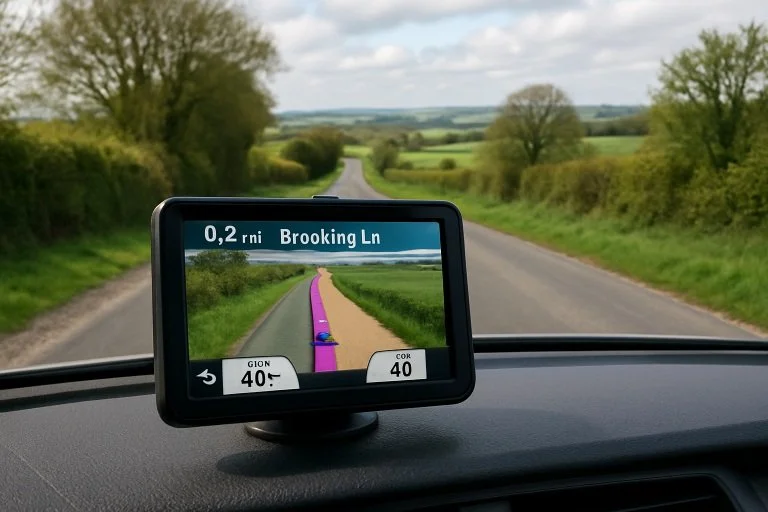
Useful for bigger vehicles, route restrictions and realistic stopping points.
Ready to plan the road trip?
Choose a route that fits your vehicle, packing style, daily pace and the way you want to travel.
FAQs
UK road trip packing FAQs
Common questions about what to pack for a car, campervan or motorhome road trip.
What should I pack for a UK road trip?
Pack important documents, money, clothing layers, toiletries, medication, food basics, water bottles, phone chargers, navigation support, vehicle essentials, wet-weather gear and comfort items for evenings or rainy days.
What documents should I take on a road trip?
Take your driving licence, passport if needed, travel insurance details, health insurance details, vehicle hire agreement, breakdown cover details and an emergency contact.
What should I pack for a campervan or motorhome trip?
Alongside normal travel items, pack cooking basics, washing-up kit, reusable bottles, storage tubs, bedding, towels, waterproofs, warm layers, vehicle documents and a few comfort items for evenings.
How do I avoid overpacking for a road trip?
Pack flexible items that work across several days and weather conditions. Use layers, limit duplicate clothing, choose repeat-use kitchen items and leave space for food or local purchases on the road.
What should I keep within easy reach?
Keep documents, money, phone chargers, medication, water, snacks, waterproofs and any first-stop essentials somewhere easy to access without unpacking the whole vehicle.

How to Plan a Road Trip

Road Trip Planning Guide

Benefits of a Journey Planner

Travelling to the UK
Why a Road Trip Itinerary is Essential
Ultimate Guide to What to Pack for Your Road Trip

Just for fun: What's your road trip style?
UK Road Trip Reality Check
Camping Club Memberships
Ultimate Road Trip Playlist

25 x Fabulous Road Trip Recipes
Code of Conduct

Fuel Efficient Driving

Heritage Club Memberships

Pub Stopovers

Top 10 Most Scenic Drives
Sat Nav for Motorhomes for 2026

Road Trip Experiences

Road Trip Inspiration
Find a Vehicle & Driving Tips