
Motorhome Practical Guide
Seasonal Motorhome Touring in the UK
Plan for changing weather, daylight, road conditions, campsite availability, water systems, summer heat and midges in Scotland before choosing when and where to tour.
This guide focuses specifically on the practical differences between spring, summer, autumn and winter motorhome touring in the UK. The route, overnight stops, vehicle systems and equipment that work well in July may be unsuitable in January.
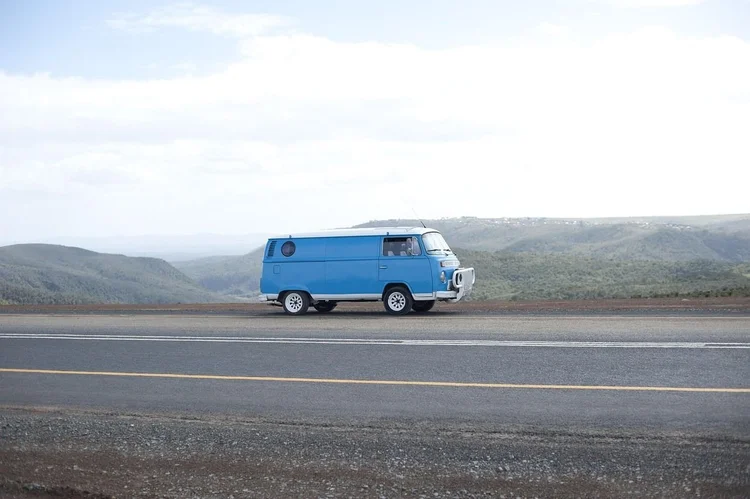
Seasonal touring is not only about the temperature. Rainfall, wind, daylight, road closures, attraction hours and campsite availability can all change how a motorhome trip works.
A quieter spring or autumn journey may provide more flexible parking, while winter can demand shorter driving days and more careful route choices. Summer offers longer evenings but can bring heat, busy roads, crowded destinations and midges in parts of Scotland.
Plan around the conditions
What changes through the touring year?
Longer days and changeable conditions
A useful touring season for quieter routes, but expect wet ground, cold nights and facilities that may not yet be fully open.
Long daylight, demand and heat
Popular sites and ferries can book early. Plan shade, ventilation and insect protection, particularly in western Scotland.
Quieter roads and shorter evenings
A rewarding time for scenery, but daylight, rainfall and overnight temperatures can change quickly.
Short days and greater system demands
Heating, batteries, water systems, road conditions and limited overnight options require more detailed planning.
March to May planning
Spring motorhome touring
Spring can provide quieter roads and improving daylight, but it is often less settled than it first appears. A warm afternoon can be followed by a cold night, and grass pitches may remain soft after prolonged rain.
- Check seasonal opening dates before relying on a campsite.
- Carry warm layers and prepare for cold overnight temperatures.
- Ask whether grass pitches are suitable after wet weather.
- Keep waterproof footwear and wet clothing away from bedding.
- Expect attractions and ferries to use reduced timetables.
- Review Easter and bank-holiday demand separately.
June to August planning
Summer motorhome touring
Longer daylight increases sightseeing time, but the busiest season also demands more advance planning.
Book key nights
Reserve small campsites, island ferries and popular coastal stops where the trip depends on a specific date.
Manage heat
Use shade, ventilation and careful parking orientation. Large windows can turn a motorhome into a hot space quickly.
Protect food and medicines
Check fridge performance rather than assuming the interior is cold enough during prolonged hot weather.
Travel outside peak traffic
Popular coastal and national-park roads can become slow and stressful for larger vehicles.
Scotland in the warmer months
Plan for midges in Scotland
Midges need not spoil a Scottish motorhome trip, but they can make still evenings outside the vehicle uncomfortable. They are most associated with the west Highlands, islands and damp rural areas.
The main season is typically from May to October, with activity often greatest in midsummer. Dawn and dusk, calm conditions and overcast or damp weather can all increase the likelihood of encountering them.
After insect bites
Carry a simple bite-care kit
Midge bites usually cause small, itchy lumps. Wash affected skin, avoid scratching where possible and use appropriate treatment according to NHS or pharmacist advice.
Seek medical help for severe swelling, breathing difficulty, signs of infection or any reaction that causes concern.
Read NHS Inform guidance on bites and stingsSeptember to November planning
Autumn motorhome touring
Autumn can combine colourful landscapes with quieter roads, but the touring day shortens quickly. Wet leaves, low sun and strong winds can add difficulty to roads that felt straightforward in summer.
- Reduce planned mileage as daylight shortens.
- Check campsite closure dates and reduced facilities.
- Watch forecasts for strong winds and heavy rain.
- Keep gutters, vents and external equipment clear of leaves.
- Dry wet footwear and clothing without blocking ventilation.
- Inspect hidden areas for condensation and damp.
December to February planning
Winter motorhome touring
Winter travel can be rewarding, but it places greater demands on the vehicle, systems and route plan.
Heating and ventilation
Use suitable installed equipment, keep designed vents clear and test smoke and carbon-monoxide alarms.
Water systems
Identify exposed tanks, pipes, pumps and drain valves, then follow the motorhome guidance for freezing conditions.
Batteries and charging
Short daylight and extra heating loads can expose a marginal electrical setup.
Road conditions
Ice, snow, flooding and wind may require a different route or a delayed journey.
Overnight availability
Many campsites and facilities close or reduce services outside the main season.
Emergency margin
Carry warm layers, food, water, charging options and a realistic plan for delays.
Route timing
Daylight changes the practical length of a touring day
Winter
Plan fewer stops, shorter mileage and earlier arrival at unfamiliar campsites or overnight locations.
Spring and autumn
Check sunset times rather than assuming the day resembles summer.
Summer
Long evenings can help spread sightseeing, but do not encourage overlong driving days.
Seasonal availability
Check campsites and service points before travelling
A listing can remain online even when a site is closed for the season. Water may be turned off during freezing weather, toilets or showers may be unavailable, and grass pitches may close after rain.
- Opening and closing dates
- Hardstanding availability
- Electric hook-up and metering
- Fresh water during freezing weather
- Waste-disposal access
- Latest arrival time
Forecasts and warnings
Weather can change the safest route
Strong wind
High-sided vehicles can be affected on exposed roads, bridges and coastal routes.
Heavy rain
Flooding, standing water and soft ground can affect roads and pitches.
Ice and snow
Minor roads, steep gradients and untreated routes may become unsuitable.
Heat
Interior temperature, food storage, tyres and passenger comfort need attention.
Seasonal budgeting
Touring costs can change through the year
Popular destinations may charge more and require advance booking.
Cold-weather touring can increase gas and electrical use.
Seasonal timetables and demand affect availability and price.
Weather closures may add mileage, fuel and extra nights.
Thermal screens, insect screens and seasonal kit may need replacing.
Allow more flexibility for disrupted or shortened travel days.
Before a seasonal trip
Motorhome seasonal touring checklist
Review the vehicle, onboard systems, overnight stops and likely weather rather than only packing different clothes.
Continue planning
Related motorhome guides
Choose where and when to travel
Find UK road trip ideas for every season
Once you have considered the practical side of seasonal motorhome touring, explore road-trip destinations and ideas for the time of year you plan to travel.
Compare spring, summer, autumn and winter road trips, destinations and seasonal travel ideas across Britain.
Explore seasonal UK road trips → Spring March vs April vs May UK Road TripCompare weather, daylight, landscapes and seasonal highlights through the spring months.
Summer Summer Road Trips to Avoid the CrowdsFind quieter routes and destinations when Britain’s best-known places are at their busiest.
Autumn How to Plan a UK Autumn Road TripPlan around shorter days, changing weather, seasonal packing and autumn driving conditions.
Winter Best Winter Road Trips UKDiscover scenic drives and quieter destinations that can work well for a winter road trip.
Frequently asked questions
Seasonal motorhome touring in the UK
Can you tour the UK by motorhome all year?
Yes, but routes, campsite availability, daylight, weather and vehicle preparation vary significantly through the year.
What is the best season for a UK motorhome trip?
It depends on the route and priorities. Spring and autumn can be quieter, summer provides longer daylight, and winter requires the greatest preparation.
When is midge season in Scotland?
It is typically from May to October, with peak activity often in midsummer. Conditions and locations vary.
Where are midges most common in Scotland?
They are especially associated with the west Highlands, islands and damp rural areas, although they can occur elsewhere.
What time of day are midges worst?
They are often most active around dawn and dusk, especially in calm, damp or overcast conditions.
How can I keep midges out of a motorhome?
Use fine insect screens, keep doors closed during active periods, cover exposed skin and carry suitable insect repellent.
Do UK campsites stay open throughout winter?
Some do, but many close or reduce facilities. Confirm opening, water, waste disposal and pitch type before travelling.
Can motorhome water tanks freeze?
Yes. Exposed tanks, pipes, pumps and valves may freeze even when the living space feels warm.
Does a motorhome need more battery capacity in winter?
Winter can increase electrical demand and reduce solar charging. Check actual loads, battery condition and the available charging methods.
Should I shorten driving days in winter?
Usually. Short daylight, difficult weather and limited overnight options make shorter, more flexible days sensible.
This guide provides general seasonal planning information. Weather, road conditions, campsite opening, ferry timetables, facilities and insect activity can change. Check current forecasts, warnings, site information and vehicle guidance before travel, and change the route when conditions make it necessary.