
Motorhome Practical Guide
Motorhome Security Tips for Touring the UK
Reduce the risk of theft and break-ins with sensible parking, visible deterrents, secure habits and a clear plan for keys, valuables and emergency information.
No security measure can guarantee protection, but combining several practical steps can make a motorhome less attractive and improve the chance of recovery if something goes wrong.
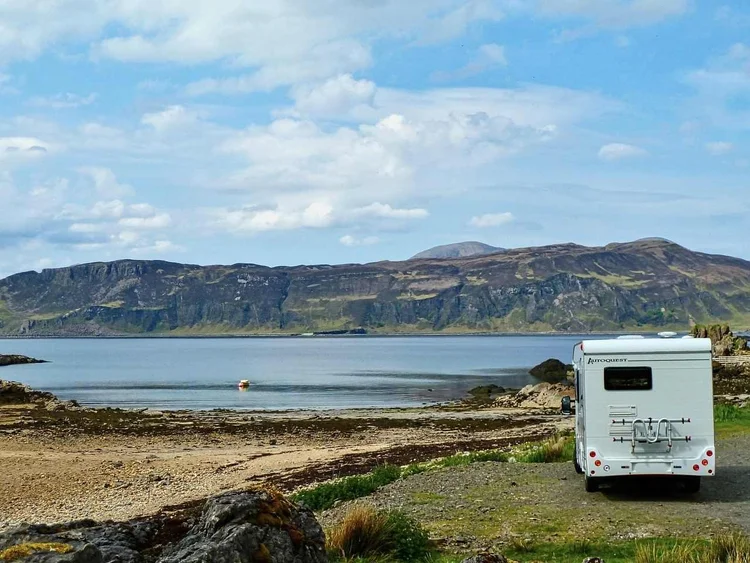
Motorhomes are valuable vehicles that also carry personal belongings, travel equipment and important documents. Security therefore needs to cover both the vehicle itself and everything inside it.
The strongest approach is layered security: sensible parking, physical locks, alarms, trackers, careful key control and consistent everyday habits.
Build several barriers
Use layered motorhome security
Visible deterrence
Steering locks, wheel clamps and warning stickers can make the vehicle look harder to steal.
Physical resistance
Door locks, pedal locks, wheel locks and secure storage can slow entry or movement.
Electronic protection
Alarms, immobilisers and trackers add detection, interruption and recovery support.
Good habits
Key control, careful parking and hiding valuables reduce easy opportunities.
Location first
Choose parking and overnight stops carefully
Security equipment is more effective when the motorhome is parked in a suitable location. Prefer authorised, well-used places with clear access and an easy departure route.
- Check the surroundings before switching off the engine.
- Arrive in daylight where possible.
- Avoid isolated places that feel uncomfortable.
- Do not park where another vehicle can block you in.
- Keep an alternative stop available.
- Move on when the location no longer feels suitable.
Entry points
Secure doors, windows and external lockers
Cab doors
Lock them every time you leave and consider a compatible additional physical lock.
Habitation door
Check that it closes fully and that the lock and hinges are in good condition.
Windows and rooflights
Close and secure them before leaving. Do not assume a small opening is inaccessible.
Garage and locker doors
Secure external storage and avoid leaving expensive equipment in lightly protected spaces.
Protect vehicle access
Manage keys and keyless entry carefully
Keep the main key and spare key under your control. Do not leave a spare inside the vehicle or in an obvious external hiding place.
Visible and physical deterrents
Common motorhome security devices
Choose products that suit the exact vehicle and follow the manufacturer’s instructions.
Steering-wheel lock
A visible deterrent that can slow vehicle theft.
Pedal lock
Restricts use of the pedals and adds another barrier.
Wheel clamp
Useful for longer stops, home parking or storage.
Additional door locks
Can reinforce cab, habitation or locker doors.
Alarm
Helps detect unauthorised entry or movement.
Tracker
Can support recovery after theft when correctly installed and maintained.
Reduce temptation
Keep valuables and documents out of sight
- Do not leave phones, cameras, bags or laptops visible.
- Use secure internal storage for essential items.
- Avoid keeping all money and cards together.
- Carry passports and important documents where appropriate.
- Keep copies of key documents securely online or separately.
- Avoid posting an empty vehicle or exact location in real time.
Every time you leave
A quick motorhome lock-up routine
Use the same sequence for fuel stops, viewpoints, shops and longer sightseeing breaks.
Security while sleeping
Overnight motorhome security
Keep keys accessible but secure
Make sure you can leave in an emergency without displaying keys near a door or window.
Know the exit route
Park so the vehicle can leave without moving outdoor equipment or waiting for another vehicle.
Lock before settling down
Check doors, lockers and accessible windows rather than relying on memory.
Keep a phone charged
Save emergency numbers, location details and breakdown information.
External equipment
Protect bikes, scooters and outdoor gear
- Lock bikes to a secure point, not only to each other.
- Remove batteries and displays from e-bikes where practical.
- Bring small high-value items inside overnight.
- Check that covers do not obscure lights or number plates.
- Review insurance conditions for externally carried equipment.
Between trips
Motorhome security at home or in storage
Use the same layers
Locks, immobilisers, alarms and trackers remain useful between trips.
Control access
Gates, bollards, lighting and cameras can add extra barriers.
Check the vehicle regularly
Look for tampering, damaged locks or signs the location has changed.
Protect information
Avoid making storage locations or long absences obvious online.
Prepare for recovery
Record important vehicle and equipment details
After theft or a break-in
What to do if something goes wrong
- Move to a safe place and do not confront anyone.
- Contact the police and follow the appropriate reporting process.
- Do not disturb evidence unnecessarily.
- Contact the insurer and tracker provider promptly.
- Cancel stolen payment cards and protect online accounts.
- Record missing items, damage and reference numbers.
Before each trip
Motorhome security checklist
Continue planning
Related motorhome guides
Frequently asked questions
Motorhome security in the UK
What is the best security device for a motorhome?
No single device is best for every vehicle. Layer visible physical security with an alarm, immobiliser, tracker and careful parking.
Are motorhome trackers worth having?
A tracker can support recovery after theft, particularly when it is professionally installed and actively monitored.
Should I use a steering lock on a motorhome?
A suitable steering lock can provide a visible and physical deterrent when correctly fitted.
Is it safe to leave valuables in a motorhome?
Avoid leaving high-value items inside where practical. Anything remaining should be hidden and stored securely.
Where should I keep the spare motorhome key?
Keep it separate from the main key and not inside the motorhome or in an obvious external hiding place.
How can I make an overnight motorhome stop feel safer?
Use authorised locations, arrive in daylight, check the surroundings, park for an easy exit and keep an alternative stop available.
Should I lock the motorhome while sleeping inside?
Yes. Secure doors, lockers and accessible windows while retaining a practical emergency exit.
How should I secure bikes on a motorhome?
Lock them to a secure point, remove batteries or displays where practical and check insurance conditions.
What information should I record in case the motorhome is stolen?
Keep the registration, VIN, photographs, distinctive features, tracker details, insurance information and serial numbers.
What should I do after a motorhome break-in?
Move to safety, contact the police, preserve evidence where possible, notify the insurer and tracker provider, and record missing items.
This guide provides general security-planning information and cannot guarantee that theft, loss or damage will be prevented. Check the vehicle manufacturer’s guidance, product instructions and insurance policy conditions. Use devices suitable for the exact vehicle and seek professional installation where required.