
Motorhome Practical Guide
Motorhome Travel Costs in the UK
Plan the costs that are specific to touring Britain by motorhome or campervan, including fuel, campsites, gas, service points, ferries, parking, insurance and hire charges.
This page focuses on the extra and specialist costs created by the vehicle itself. For food, attractions and a complete holiday-budget framework, use our wider UK road-trip costs guide.
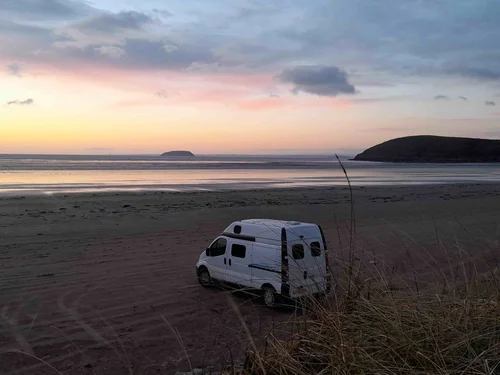
Touring Britain by motorhome combines transport and accommodation, but it also introduces costs that do not usually apply to a car-based road trip.
Fuel consumption is generally higher, campsites may charge for the pitch, people and electricity, and ferries or tolls can cost more according to the vehicle’s length, height or weight. Hired motorhomes may also involve insurance excesses, mileage limits, equipment charges and security deposits.
Use the wider guide for food, attractions, general holiday spending and a complete trip-budget framework.
Start with the vehicle
What should a motorhome touring budget include?
Build the vehicle-specific part of the budget first, then add food, attractions and other holiday spending separately.
Vehicle ownership or hire
Hire charges, insurance, excess reduction, deposits, mileage limits or an ownership allowance.
Fuel
Main route mileage, local journeys, sightseeing detours and travel to and from the route.
Campsites and stopovers
Pitch fees, people, electricity, dogs, awnings, booking fees and premium pitches.
Gas and electricity
Gas refills, cylinders, hook-up charges and metered electricity.
Water and waste services
Fresh-water refills, chemical-toilet disposal, grey-water points, laundry and showers.
Ferries and road charges
Vehicle-size supplements, tolls, clean-air charges, bridges and crossings.
Parking
Daytime motorhome parking, overnight charges, booking fees and height-restricted alternatives.
Insurance and breakdown
Trip-specific cover, European extensions where relevant, breakdown assistance and recovery.
Different cost structures
Touring in your own motorhome or hiring one
Costs to consider when touring in your own motorhome
- Fuel and route mileage
- Insurance and breakdown cover
- Servicing, repairs and tyres
- Habitation checks where relevant
- Storage and ownership costs
- Depreciation and general wear
- Gas, consumables and replacement equipment
Not every owner will include annual fixed costs in the budget for one trip, but they matter when calculating the true cost of motorhome ownership.
Costs to check before booking a motorhome
- Daily or weekly hire rate
- Insurance excess and excess reduction
- Security deposit
- Mileage limits or extra-mile charges
- Additional drivers
- Bedding and kitchen equipment
- Cleaning, pet and late-return fees
Mileage and consumption
Calculate motorhome fuel costs
Begin with the complete expected mileage rather than only the main route. Include local sightseeing, shopping, service-point visits, diversions and the journey to and from the start of the trip.
Use a realistic fuel-consumption figure for the actual vehicle. Weight, speed, hills, weather and route choice can all affect consumption.
Read Driving a Motorhome or Larger Vehicle in BritainOvernight costs
Campsites, stopovers and pitch extras
Compare the complete nightly price, not only the advertised pitch rate.
Full-facility campsites
These may include toilets, showers, electric hook-up, laundry, waste disposal and other facilities, but some services may be charged separately.
Basic touring sites
Lower-facility sites may cost less, although electricity, showers or disposal services may still be additional.
Authorised stopovers
Charges vary according to location, permitted stay, facilities and whether advance booking is required.
Pub and informal stays
Some arrangements involve a fee, a meal purchase or prior permission. Do not assume an overnight stay is free.
Onboard facilities
Gas, electricity, water and waste-service costs
These smaller charges can add up over a longer tour, especially when they are not included in the overnight fee.
Cylinder exchange, refillable systems and campsite sales may use different pricing.
Hook-up may be included, charged separately or metered according to use.
Campsite water is often included, while standalone service points may charge a fee.
Chemical-toilet and grey-water disposal should only use suitable authorised facilities.
Washing machines, dryers and showers may be token-operated or charged separately.
Toilet chemicals, adapters, hoses and small replacement items are easy to overlook.
Vehicle-size charges
Ferries, tolls, parking and access fees
Vehicle dimensions can affect the price of ferries, tolls and some parking arrangements. Always book using the exact vehicle height and length.
Smaller touring expenses
Maintenance and consumables while travelling
Build your own estimate
A motorhome touring budget framework
Use current prices for your own vehicle, route and dates rather than relying on a single national daily average.
| Cost category | How to calculate it |
|---|---|
| Hire or ownership allowance | Current hire quote or chosen share of ownership costs |
| Fuel | Expected mileage using realistic vehicle MPG |
| Campsites and stopovers | Complete nightly cost multiplied by paid nights |
| Gas and electricity | Expected use plus campsite or service charges |
| Water and waste | Standalone service-point charges where applicable |
| Ferries | Current quote using exact vehicle dimensions |
| Parking and road charges | Known charges along the planned route |
| Insurance and breakdown | Trip-specific cost or chosen ownership allocation |
| Consumables | Practical allowance for gas, chemicals and small items |
| Contingency | Percentage or fixed reserve for changes and repairs |
Spend more efficiently
How to reduce motorhome touring costs
Reduce unnecessary mileage
Stay longer in selected areas and avoid repeated backtracking.
Compare the complete campsite price
Include people, electricity, dogs, awnings and booking fees.
Understand hire mileage limits
A cheaper hire rate may cost more if the route exceeds the included mileage.
Book ferries with accurate details
Compare suitable sailings and avoid correction fees caused by inaccurate dimensions.
Use suitable routes
Better planning can reduce diversions, wasted fuel and stressful last-minute changes.
Travel outside peak periods
Campsites, ferries and hire may be less expensive outside the busiest holiday dates.
Avoid false economies
Costs that should not be cut too far
A lower budget should not come at the expense of safety, legal compliance or responsible overnight arrangements.
- Suitable insurance
- Breakdown and recovery cover
- Safe tyres and essential servicing
- Authorised overnight stays
- Realistic fuel allowance
- Proper waste disposal
- Secure parking where needed
- A practical contingency
Complete holiday budget
Add food, attractions and wider spending
This page covers costs specific to motorhome touring. Use the general road-trip budget guide to add meals, attractions, broader holiday spending and a complete contingency.
Continue planning
Related motorhome guides
Frequently asked questions
Motorhome travel costs in the UK
How much does it cost to tour the UK in a motorhome?
There is no single reliable figure. Calculate the vehicle, fuel, overnight stays, gas, electricity, water and waste services, ferries, parking, road charges, insurance and contingency for your own route and dates.
Is travelling by motorhome cheaper than staying in hotels?
Sometimes, but not always. Compare the full cost of the motorhome, fuel, campsites, insurance, ferries, parking and service charges with the cost of a car and accommodation.
How do I calculate motorhome fuel costs?
Estimate the complete mileage, divide it by the vehicle’s realistic MPG, multiply by 4.546 to convert gallons to litres, then multiply by the current price per litre.
How much do campsites charge for motorhomes?
Prices vary by location, season and facilities. Check whether the quote includes the pitch, people, electricity, awnings, dogs, premium pitches and booking fees.
Are motorhome stopovers free?
Not necessarily. Some are free, while others charge a fee, require a purchase or operate under specific permission and booking conditions.
Do motorhomes cost more on ferries?
They can. Fares may depend on vehicle height, length, passenger numbers, trailers, route, season and sailing time.
What extra costs come with hiring a motorhome?
Common extras include insurance excess reduction, deposits, mileage charges, additional drivers, bedding, kitchen equipment, cleaning, pets and late-return fees.
Should I include servicing and insurance in the trip budget?
Hire customers should include all trip-specific charges. Owners can decide whether to include a share of annual costs when calculating the real cost of ownership.
How much contingency should I allow?
Use an amount that reflects the length and complexity of the trip. Longer journeys involving ferries, hired vehicles or remote areas may need a larger reserve.
This guide is intended as general budgeting and planning information. Fuel prices, hire terms, campsite fees, ferry fares, parking charges, road charges and service-point costs can change. Check current prices, official information and the conditions attached to your vehicle, insurance and bookings before travelling.