Quieter Norfolk road trip discoveries

Norfolk Hidden Gems

Discover 15 quieter places in Norfolk, from peaceful coastal villages and nature reserves to medieval ruins, windpumps, moated halls and worthwhile road-trip detours.

These lesser-known stops are ideal for travellers exploring by car, campervan, motorhome or motorcycle who want to experience more than the county’s busiest attractions.
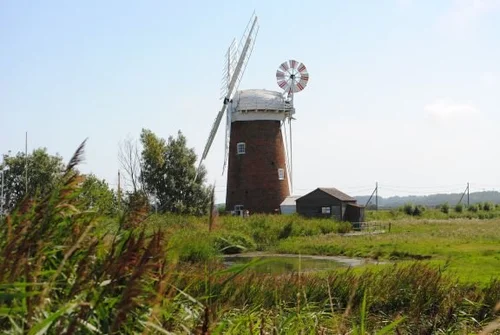
Horsey landscape among Norfolk’s hidden gems
15 quieter placesCoast, Broads and countryside
Worthwhile detoursBeyond the busiest attractions
History and wildlifeRuins, reserves and open landscapes
Touring-friendly adviceFor all self-drive travellers
Free inspirationWith a complete paid route available

Norfolk is often associated with its famous seaside towns, the Norfolk Broads and wide sandy beaches, but some of the county’s most memorable places are the ones many visitors drive straight past.

Beyond the better-known destinations lies another Norfolk. Quiet fishing villages overlook tidal creeks, medieval churches stand almost unchanged for centuries, peaceful nature reserves attract remarkable wildlife and country lanes lead to places that rarely feature on standard itineraries.

Many of these hidden gems are only a short detour from the county’s main touring routes, making them easy to include as part of a wider Norfolk road trip. Others reward travellers willing to move a little further away from the busiest roads.

A hidden gem does not need to be completely unknown. Some of these places are familiar to local people but receive far fewer visitors than Cromer, Wells-next-the-Sea or Wroxham. Each offers a distinctive combination of scenery, history, wildlife or atmosphere.

How should you explore Norfolk’s hidden gems? Leave room for detours, avoid cramming too many places into one day and allow time to explore on foot once you have parked.

Plan a complete Norfolk road trip

Norfolk Broads & Coast Road Trip Guide

Our Norfolk Road Trip Guide follows a flexible 113-mile (181 km) self-drive journey from Norwich through the Norfolk Broads and North Norfolk Coast to Sandringham country and historic King’s Lynn.

The route is organised into three connected sections: Norwich and the Norfolk Broads, the North Norfolk Coast, and North and West Norfolk to King’s Lynn.

It brings together 19 key destinations, planning maps, route guidance, walking and wildlife ideas, coastal highlights and practical support for trips lasting from three days to two weeks or more.

  • A carefully planned 113-mile journey
  • Three connected route sections
  • 19 key destinations
  • Hundreds of curated references
  • Planning maps and route guidance
  • Broads, coast and heritage highlights
  • Walking, wildlife and scenic stops
  • Flexible 3–14+ day pacing
  • Browser-based, mobile-friendly access
  • One-off purchase with 12 months’ access
Norfolk digital road trip guide shown on a mobile phone Complete digital road trip guide

Travel from medieval Norwich through the waterways of the Broads, along the North Norfolk Coast and west towards Sandringham and King’s Lynn.

Buy the guide — £12.99

This free article provides additional discovery ideas. Not every place or detour mentioned on this page is necessarily included in the paid guide. Please check the product page for the confirmed route structure and guide contents.

1

Happisburgh

Best for: coastal scenery, history and dramatic landscapes

Happisburgh offers one of Norfolk’s most distinctive stretches of coastline. Its red and white striped lighthouse stands above changing cliffs and a broad beach, creating a landscape unlike the county’s softer saltmarsh coast.

Despite its recognisable landmark, the village remains peaceful outside school holidays and works well as a scenic detour between the Broads and Cromer.

Highlights

  • Historic lighthouse
  • Wide beach
  • Coastal walks
  • Big-sky photography

Touring notes

  • Use designated parking
  • Allow one to three hours
  • Check current coastal access
  • Approach village roads slowly
2

Castle Acre

Best for: medieval history and peaceful village life

Castle Acre feels like stepping back several centuries. Its Norman castle, extensive priory ruins and traditional streets reveal the importance this small village once held.

Unlike larger heritage attractions, it rarely feels rushed. Visitors can explore the ruins, walk through the village and enjoy the surrounding countryside at a slower pace.

Highlights

  • Norman castle
  • Priory ruins
  • Historic village
  • Walking routes

Touring notes

  • Allow half a day
  • Easy detour from west Norfolk
  • Use village parking carefully
  • Suitable for most touring vehicles
3

Horsey Windpump

Best for: wildlife, photography and peaceful marshes

Horsey Windpump stands above one of Norfolk’s strongest Broadland landscapes, surrounded by reedbeds, grazing marshes and quiet waterways.

While many people continue directly to the seal colony, the windpump and surrounding paths deserve time in their own right, particularly in early or late light.

Highlights

  • Historic windpump
  • Marshland scenery
  • Walking trails
  • Seasonal wildlife

Touring notes

  • Popular in peak periods
  • Use designated parking
  • Allow two to four hours
  • Check wildlife guidance seasonally
4

Burnham Overy Staithe

Best for: coastal walks and peaceful harbour scenery

Overshadowed by Wells-next-the-Sea and Burnham Market, Burnham Overy Staithe is one of Norfolk’s most attractive small harbour villages.

Fishing boats sit beside tidal creeks while footpaths cross saltmarsh towards wide beaches. The walk from the village to the coast is one of the area’s great quiet experiences.

Highlights

  • Harbour views
  • Saltmarsh walks
  • Wildlife
  • Quiet beaches

Touring notes

  • Parking is limited
  • Arrive early in summer
  • Allow half a day
  • Best approached in smaller vehicles
5

How Hill

Best for: experiencing the quieter side of the Broads

Just outside Ludham, How Hill combines boardwalks, historic drainage mills, reedbeds and views across the River Ant.

Although close to some of the Broads’ busier villages, it feels wonderfully peaceful and provides an easy way to experience the landscape on foot.

Highlights

  • Boardwalks
  • Reedbeds
  • Drainage mills
  • River Ant scenery

Touring notes

  • Use signed visitor parking
  • Allow two to four hours
  • Some approach roads are narrow
  • Excellent weekday stop
6

St Benet’s Abbey

Best for: atmospheric ruins and Broadland history

The remains of St Benet’s Abbey stand beside the River Bure within a landscape of marshes and waterways.

The combination of medieval history and open Broadland scenery makes this one of Norfolk’s most atmospheric heritage detours.

Highlights

  • Medieval abbey ruins
  • River Bure
  • Peaceful surroundings
  • Historic interest

Touring notes

  • Access can involve narrow roads
  • Check current parking arrangements
  • Allow one to two hours
  • Best in dry weather
7

Weybourne

Best for: a quieter coastal village and pebble beach

Often bypassed by visitors travelling between Sheringham and Holt, Weybourne offers a more understated coastal stop.

Its pebble beach, village lanes and easy access to the Norfolk Coast Path provide a refreshing contrast to the busier seaside towns.

Highlights

  • Pebble beach
  • Coastal walks
  • Quiet village
  • Sea views

Touring notes

  • Allow one to three hours
  • Use designated parking
  • Approach village roads slowly
  • Easy to combine with Sheringham or Holt
8

South Walsham Broad

Best for: peaceful waterways and escaping the crowds

South Walsham Broad remains one of the quieter corners of the Broads, surrounded by woodland, reeds and open countryside.

It is ideal for visitors looking for birdlife, gentle walking and calm water rather than busy shops or major attractions.

Highlights

  • Twin broads
  • Woodland scenery
  • Birdwatching
  • Peaceful atmosphere

Touring notes

  • Parking is limited
  • Best for smaller vehicles
  • Allow one to three hours
  • Combine with Ranworth or Horning
9

Cley Windmill

Best for: iconic coastal scenery and photography

Cley Windmill stands above saltmarshes and tidal landscapes that change continually with the light and weather.

While Cley is known for wildlife, the windmill and its setting are equally memorable and make a strong stopping point on a North Norfolk Coast day.

Highlights

  • Historic windmill
  • Saltmarsh views
  • Photography
  • Nearby wildlife walks

Touring notes

  • Village parking can be busy
  • Allow one to three hours
  • Use designated parking
  • Combine with Blakeney or Salthouse
10

Felbrigg Hall Estate

Best for: woodland walks and quieter country-estate scenery

Felbrigg Hall offers a calmer alternative to Norfolk’s larger royal and stately-home attractions.

The estate combines an elegant house with woodland, parkland and walking trails that change beautifully through the seasons.

Highlights

  • Historic house
  • Woodland walks
  • Walled gardens
  • Parkland

Touring notes

  • Allow half a day
  • Check opening arrangements
  • Good designated parking
  • Easy to combine with Cromer
11

Binham Priory

Best for: hidden medieval history

Binham Priory dates from the Norman period and still dominates its peaceful village setting.

Despite its scale and historic interest, it receives far fewer visitors than Norfolk’s better-known heritage sites.

Highlights

  • Norman architecture
  • Historic village
  • Peaceful setting
  • Medieval history

Touring notes

  • Allow one to two hours
  • Easy inland detour
  • Check current visitor access
  • Suitable for most vehicles
12

Salthouse

Best for: coastal tranquillity and birdwatching

Salthouse sits between Cley and Weybourne in one of the finest settings on the North Norfolk Coast.

The village overlooks marshes stretching towards the sea and remains quieter than many neighbouring destinations, even during summer.

Highlights

  • Saltmarsh scenery
  • Coastal walking
  • Birdlife
  • Wide open views

Touring notes

  • Parking can be limited
  • Allow one to three hours
  • Best in smaller vehicles
  • Combine with Cley or Weybourne
13

Oxburgh Hall

Best for: a moated manor and west Norfolk countryside

Oxburgh Hall feels wonderfully unexpected within Norfolk’s gentle inland landscape.

The moated manor, gardens, woodland and farmland create a distinctive heritage stop away from the coast and Broads.

Highlights

  • Moated manor house
  • Historic interiors
  • Gardens
  • Woodland walks

Touring notes

  • Allow half a day
  • Check opening times
  • Use official parking
  • Good west Norfolk detour
14

Thornham Harbour

Best for: tidal creeks, seafood and atmospheric coastal light

Thornham Harbour retains a quieter atmosphere than many nearby coastal stops.

Fishing boats, tidal creeks and saltmarsh combine with excellent local food and strong photography conditions in early or late light.

Highlights

  • Traditional harbour
  • Saltmarshes
  • Coastal wildlife
  • Local seafood

Touring notes

  • Use designated parking
  • Allow two to four hours
  • Check tides for coastal walks
  • Busy at popular meal times
15

Baconsthorpe Castle

Best for: peaceful ruins and a rewarding inland detour

Hidden among farmland near Holt, Baconsthorpe Castle is one of Norfolk’s most underrated historic sites.

The extensive ruins remain peaceful, allowing visitors to explore at their own pace while enjoying the surrounding countryside.

Highlights

  • Medieval castle ruins
  • Quiet countryside
  • Historic interest
  • Easy walking

Touring notes

  • Allow one to two hours
  • Rural approach roads
  • Check current access
  • Combine with Holt or the coast

Choose by interest

Which Norfolk hidden gems suit your trip?

For history

Castle Acre, Binham Priory, Baconsthorpe Castle, Oxburgh Hall and St Benet’s Abbey.

For wildlife

Horsey, South Walsham Broad, How Hill, Burnham Overy Staithe and the marshes around Cley.

For photography

Happisburgh, Horsey, Cley Windmill, Thornham Harbour and Salthouse.

For quiet coastal stops

Weybourne, Salthouse, Burnham Overy Staithe and Thornham Harbour.

For a shorter detour

Choose one place close to your main route rather than trying to combine several distant areas.

For slower touring

Link one heritage stop with one landscape or wildlife stop and allow time to explore both properly.

Touring advice

Making the most of Norfolk’s quieter places

Leave room for detours

A village sign, church tower or harbour road can lead to some of Norfolk’s most memorable discoveries.

Use appropriate parking

Smaller villages often have limited space, so use designated car parks and avoid blocking local roads.

Consider vehicle size

Some rural and coastal lanes are better suited to cars, motorcycles and smaller campervans than large motorhomes.

Check access

Opening hours, estate access, wildlife guidance and coastal conditions can change seasonally.

Travel outside peak times

Early mornings, weekdays and shoulder seasons create a much quieter experience.

Explore on foot

Many hidden gems reveal their character only after you leave the vehicle and walk for a while.

Frequently asked questions

Finding quieter places in Norfolk

What are the best hidden gems in Norfolk?

Strong choices include Castle Acre, How Hill, Burnham Overy Staithe, Salthouse, Happisburgh, Baconsthorpe Castle and St Benet’s Abbey.

Are Norfolk’s hidden gems suitable for campervans and motorhomes?

Many are, but some have narrow approach roads or limited parking. Larger vehicles should use designated parking and avoid unsuitable village shortcuts.

Can you visit several Norfolk hidden gems in one day?

Yes, if they are close together. One heritage stop and one nearby landscape or wildlife stop usually creates a better day than covering several distant places.

Which hidden gems are best for first-time visitors?

Horsey, Castle Acre, Happisburgh and Burnham Overy Staithe provide a good introduction while remaining easy to combine with wider Norfolk routes.

Are these places open all year?

Many outdoor places are accessible year-round, but estates, historic buildings, reserves and coastal access may have seasonal arrangements. Check current information before travelling.

Are all these hidden gems included in the paid guide?

Not necessarily. This free page provides additional discovery ideas, while the paid guide follows its own confirmed 113-mile route and detailed destination structure.

Discover more of Norfolk

Follow 113 miles from medieval Norwich through the Norfolk Broads and North Norfolk Coast to Sandringham country and historic King’s Lynn, with three connected sections and flexible digital planning support.

Buy the Norfolk Broads & Coast Road Trip Guide — £12.99