
Explore the Norfolk Broads under your own wheels
Norfolk Broads by Car
Discover the best places to visit in the Norfolk Broads by car, campervan, motorhome or motorcycle, from lively waterside villages to quiet nature reserves, windpumps and marshland viewpoints.
Driving around the Broads lets you link villages, wildlife sites, historic churches and riverside stops that would be difficult to combine efficiently by boat or public transport alone.
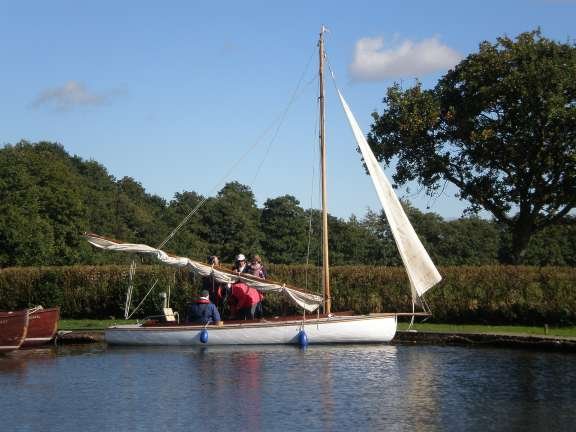
The Norfolk Broads are unlike anywhere else in Britain. Rather than dramatic mountains or rugged coastlines, this is a landscape of tranquil waterways, open skies, reed-fringed rivers, historic windpumps and waterside villages.
Many visitors immediately associate the Broads with boating, but exploring the Norfolk Broads by car offers a completely different perspective. A vehicle gives you the freedom to move between rivers, broads, nature reserves and villages, while still adding boat trips and riverside walks wherever they suit your day.
The Broads are not centred on one attraction. They stretch across several different river systems, each with its own character, so driving is often the most practical way to experience more than one area during a short holiday.
Whether you are travelling by car, campervan, motorhome or motorcycle, the key is to slow down. Distances are modest, but narrow roads, village parking and the temptation to stop frequently all mean that Broadland days often take longer than expected.
Can you explore the Norfolk Broads by car? Yes. Driving is especially useful for linking waterside villages, nature reserves, historic sites and walking stops, while boating remains the best way to experience the waterways themselves.
Plan a complete Norfolk road trip
Norfolk Broads & Coast Road Trip Guide
Our Norfolk Road Trip Guide follows a flexible 113-mile (181 km) self-drive journey from Norwich through the Norfolk Broads and North Norfolk Coast to Sandringham country and historic King’s Lynn.
The route is organised into three connected sections: Norwich and the Norfolk Broads, the North Norfolk Coast, and North and West Norfolk to King’s Lynn.
It brings together 19 key destinations, planning maps, route guidance, walking and wildlife ideas, coastal highlights and practical support for trips lasting from three days to two weeks or more.
- A carefully planned 113-mile journey
- Three connected route sections
- 19 key destinations
- Hundreds of curated references
- Planning maps and route guidance
- Broads, coast and heritage highlights
- Walking, wildlife and scenic stops
- Flexible 3–14+ day pacing
- Browser-based, mobile-friendly access
- One-off purchase with 12 months’ access
 Complete digital road trip guide
Travel from medieval Norwich through the waterways of the Broads, along the North Norfolk Coast and west towards Sandringham and King’s Lynn.
Buy the guide — £12.99This free article provides additional planning inspiration. Not every road, stop or detour mentioned on this page is necessarily included in the paid guide. Please check the product page for the confirmed route structure and contents.
Norwich
Best for: history, architecture and beginning your Broads journey
Norwich forms the natural gateway to the Broads and is the starting point for many touring holidays. Its cathedral, castle, medieval streets and riverside setting provide an excellent contrast before you head into the quieter waterways beyond.
Spending half a day here works particularly well before continuing towards Wroxham or Horning. The city also offers the widest choice of accommodation, restaurants and evening options in the region.
Why visit
- Norwich Cathedral
- Norwich Castle
- Elm Hill
- Historic market and riverside walks
Touring notes
- Use city-centre car parks
- Allow half a day or longer
- Best combined with Wroxham or Horning
- Easy access for all touring vehicles
Wroxham & Hoveton
Best for: first-time visitors and an easy introduction to the Broads
Often described as the capital of the Broads, Wroxham and neighbouring Hoveton provide one of the easiest places to experience Broadland life without committing to a full boating holiday.
The riverside is lively with boats, cafés, shops and cruises. It can be busy during summer, but its facilities and parking make it one of the most practical starting points for visitors touring by road.
Highlights
- Boat hire and river cruises
- Waterside cafés
- Independent shops
- Riverside atmosphere
Parking and timing
- Several public car parks
- Arrive early in peak season
- Allow two to four hours
- Easy for larger vehicles if using main car parks
Horning
Best for: classic waterside scenery and a slower Broadland atmosphere
Horning is one of the prettiest waterside villages in Norfolk. The River Bure runs directly through the village, with sailing boats, cottages and pubs creating one of the Broads’ most recognisable scenes.
It is somewhere to slow down rather than rush. A riverside lunch, short walk or quiet hour watching boats pass often becomes one of the most memorable parts of a Broadland day.
Highlights
- River Bure
- Waterside pubs
- Riverside walks
- Photography and boat watching
Touring notes
- Public parking available
- Busy on sunny summer days
- Allow two to three hours
- Smaller village roads need care in larger vehicles
Ranworth
Best for: panoramic views and peaceful waterside scenery
Ranworth sits beside Malthouse Broad and offers one of the classic Broadland views. Sailing boats drift across the water while reedbeds and woodland create a wonderfully peaceful setting.
The village is best known for St Helen’s Church. Climbing the tower reveals one of the finest panoramic views across the Broads, with waterways, marshes and woodland stretching towards the horizon.
Highlights
- Malthouse Broad
- Church tower views
- Boardwalk and waterside walks
- Wildlife and sailing
Touring notes
- Parking is more limited
- Arrive early at busy times
- Allow two to three hours
- Best for cars and smaller touring vehicles
Potter Heigham
Best for: traditional Broadland scenery and boating heritage
Potter Heigham is one of the Broads’ most recognisable villages. Its medieval bridge, riverside setting and long boating history make it a natural stopping point when exploring the eastern Broads.
The surrounding roads pass through open marshes and drainage channels before reaching the village, helping visitors understand how closely the waterways are connected with the surrounding agricultural landscape.
Highlights
- Historic bridge
- Riverside walks
- Boat trips
- Access towards Hickling and Horsey
Touring notes
- Good public parking
- Allow two to four hours
- Busy in peak boating season
- Main parking areas suit larger vehicles
Hickling Broad
Best for: wildlife, reedbeds and a wilder Broadland landscape
Hickling Broad is the largest of the Norfolk Broads and feels noticeably wilder than the better-known boating centres. Reedbeds stretch towards huge skies while marsh harriers, bitterns, dragonflies and swallowtail butterflies thrive within this internationally important wetland.
The roads approaching Hickling are part of the experience, gradually changing from farmland to marshes, drainage ditches and open horizons.
Highlights
- Nature reserve
- Birdwatching
- Walking trails
- Reedbeds and open views
Touring notes
- Use reserve parking
- Allow half a day
- Some access roads are narrow
- Check current reserve information before travelling
Horsey
Best for: windpumps, wildlife and combining the Broads with the coast
Horsey lies on the eastern edge of the Broads where freshwater wetlands gradually give way to dunes and the North Sea. It is one of the few places where Broadland and coastal scenery can be experienced within minutes of each other.
Horsey Windpump stands above the surrounding marshes, while Horsey Gap is famous for its seasonal grey seal colony. Outside the breeding season, the beach and surrounding footpaths remain rewarding and peaceful.
Highlights
- Horsey Windpump
- Horsey Gap
- Seasonal grey seals
- Marsh and coastal walks
Touring notes
- Popular parking fills quickly
- Allow half a day
- Check seasonal wildlife guidance
- Larger vehicles should use designated parking only
Ludham & How Hill
Best for: traditional village character and quieter wildlife walks
Ludham is often overlooked by visitors travelling between Wroxham and Potter Heigham, yet it offers one of the Broads’ most attractive village settings.
Nearby How Hill is a highlight, with boardwalks, marshes, historic drainage mills and the River Ant providing a wonderful introduction to Broadland history and wildlife.
Highlights
- Ludham village
- How Hill
- River Ant
- Boardwalks and drainage mills
Touring notes
- Use signed visitor parking
- Allow two to four hours
- Some rural roads are narrow
- Particularly good for a quieter weekday visit
South Walsham
Best for: peaceful waterways and escaping the busiest Broads villages
South Walsham offers one of the quieter gateways into the Broads. The twin broads are surrounded by woodland, reeds and countryside, creating a secluded atmosphere very different from Wroxham or Horning.
It is particularly rewarding for visitors looking for gentle walking, birdlife and calm waterways rather than shops or busy visitor facilities.
Highlights
- South Walsham Broad
- Woodland and village walks
- Birdwatching
- Peaceful setting
Touring notes
- Parking is more limited
- Allow one to three hours
- Best for smaller touring vehicles
- Combine with Ranworth or Horning
Reedham
Best for: the quieter southern Broads and a working-river atmosphere
Situated beside the River Yare, Reedham feels different from many northern Broads villages. Boats, riverside pubs and broad marshland create a stronger working-river character.
The area also gives access to the southern Broads, where visitor numbers are usually lower and the landscapes feel especially open during sunrise or sunset.
Highlights
- River Yare
- Riverside pubs
- Reedham Ferry area
- Marshland views
Touring notes
- Allow two to four hours
- Check ferry operations if relevant
- Good stop on a southern Broads day
- Take care on smaller approach roads
Understand the area
How the Norfolk Broads are laid out
The Broads are spread across several river systems rather than one central attraction, so dividing your visit into areas creates a more realistic touring day.
Northern Broads
Wroxham, Horning, Ranworth and nearby villages provide the classic first-time Broadland experience.
Eastern Broads
Potter Heigham, Hickling and Horsey offer wilder wetlands, windpumps and easy access to the coast.
Southern Broads
Reedham and the River Yare provide quieter waterways, marshes and a slower working-river atmosphere.
Suggested touring days
One-day and two-day Norfolk Broads ideas
One day: classic Broads
Combine Norwich, Wroxham, Horning and Ranworth, allowing time for a riverside walk or short boat trip.
One day: wildlife and coast
Explore Potter Heigham, Hickling Broad and Horsey for reedbeds, windpumps, wildlife and the nearby beach.
Two days
Spend day one around Wroxham, Horning and Ranworth, then day two around Potter Heigham, Hickling, Horsey and Ludham.
Driving practicalities
Parking and touring around the Broads
Arrive earlier
Wroxham, Horning, Potter Heigham and Horsey become busy during summer weekends and school holidays.
Use designated parking
Avoid blocking narrow village roads and use larger public car parks where possible, especially in larger vehicles.
Expect narrow lanes
Some rural roads are tight. Drive slowly, use passing places carefully and avoid unsuitable sat-nav shortcuts.
Allow more time
Distances look short, but village stops, walks and seasonal traffic mean days often take longer than expected.
Combine road and water
Driving works best when paired with boat trips, boardwalks, nature reserves and riverside walks.
Check seasonal conditions
Wildlife, tides, weather and local access arrangements can change, particularly around reserves and the coast.
Continue planning Norfolk
Scenic drives, villages, hidden gems and itineraries
Use the rest of the Norfolk cluster to plan how the Broads fit into a wider touring holiday.
Frequently asked questions
Visiting the Norfolk Broads by road
Can you visit the Norfolk Broads without hiring a boat?
Yes. Many of the Broads’ best villages, nature reserves, windpumps, churches and walking routes are accessible by road. A short boat trip can still be added where it suits your day.
Is driving around the Norfolk Broads easy?
Most main roads are straightforward, but some rural lanes are narrow. Drive slowly, avoid unsuitable sat-nav shortcuts and allow extra time during busy summer periods.
How many days do you need for the Norfolk Broads?
One full day provides a good introduction, while two or three days allow you to explore the northern, eastern and southern Broads at a much more relaxed pace.
Which Broads village is best for first-time visitors?
Wroxham is usually the easiest starting point because of its facilities, parking and boat trips. Horning offers a prettier, more relaxed waterside atmosphere nearby.
Can you combine the Broads with the Norfolk Coast?
Yes. Horsey provides one of the easiest transitions between Broadland and the coast, while Cromer, Sheringham and the North Norfolk Coast can be included in a longer touring holiday.
Are the Broads suitable for campervans and motorhomes?
Most main routes are suitable, but some village roads and smaller car parks are restrictive. Use designated larger parking areas and avoid narrow shortcuts.
Plan your complete Norfolk journey
Follow 113 miles from medieval Norwich through the Norfolk Broads and North Norfolk Coast to Sandringham country and historic King’s Lynn, with three connected sections and flexible digital planning support.
Buy the Norfolk Broads & Coast Road Trip Guide — £12.99