
Norfolk village inspiration
Best Villages in Norfolk
Discover 15 of the best villages in Norfolk, from harbour communities and Broads settlements to historic inland villages, elegant Georgian streets and quieter coastal stops.
These villages are ideal for travellers exploring by car, campervan, motorhome or motorcycle who want to build memorable stops into a Norfolk road trip.
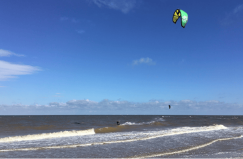
One of the greatest pleasures of exploring Norfolk is discovering its villages. Some overlook tidal creeks where fishing boats still return with the tide. Others sit beside the waterways of the Broads, while many more are tucked among farmland, churches and winding country lanes.
Norfolk’s villages are remarkably varied. Coastal settlements feel shaped by the sea, Broadland villages gather beside rivers and open water, and inland villages reveal medieval streets, Georgian buildings and traditional greens.
Travelling under your own wheels lets you compare these different places at your own pace. You can linger over lunch beside the water, browse independent galleries, walk through saltmarsh or simply wander streets that have changed little for generations.
This guide focuses on villages worth building into a Norfolk road trip, explaining what each does best and how it fits with nearby stops.
How many Norfolk villages should you visit in one day? Three or four nearby villages usually creates a better day than covering the whole coast, especially if you want time for walks, cafés and harbour stops.
Plan a complete Norfolk road trip
Norfolk Broads & Coast Road Trip Guide
Our Norfolk Road Trip Guide follows a flexible 113-mile (181 km) self-drive journey from Norwich through the Norfolk Broads and North Norfolk Coast to Sandringham country and historic King’s Lynn.
The route is organised into three connected sections: Norwich and the Norfolk Broads, the North Norfolk Coast, and North and West Norfolk to King’s Lynn.
It brings together 19 key destinations, planning maps, route guidance, walking and wildlife ideas, coastal highlights and practical support for trips lasting from three days to two weeks or more.
- A carefully planned 113-mile journey
- Three connected route sections
- 19 key destinations
- Hundreds of curated references
- Planning maps and route guidance
- Broads, coast and heritage highlights
- Walking, wildlife and scenic stops
- Flexible 3–14+ day pacing
- Browser-based, mobile-friendly access
- One-off purchase with 12 months’ access
 Complete digital road trip guide
Travel from medieval Norwich through the waterways of the Broads, along the North Norfolk Coast and west towards Sandringham and King’s Lynn.
Buy the guide — £12.99This free article provides additional village inspiration. Not every place mentioned is necessarily included in the paid guide. Please check the product page for the confirmed route structure and contents.
Blakeney
Best for: harbour views, wildlife and coastal walks
Blakeney is one of Norfolk’s best-loved coastal villages, with a historic quayside overlooking tidal creeks and saltmarshes. Sailing boats, galleries, cafés and wildlife trips create a relaxed coastal atmosphere.
It works especially well as part of a day linking Cley, Salthouse and Wells-next-the-Sea.
Highlights
- Historic harbour
- Seal trips
- Coastal Path
- Saltmarsh scenery
Touring notes
- Use public parking
- Arrive early in summer
- Allow two to four hours
- Busy village centre
Cley-next-the-Sea
Best for: birdwatching, coastal scenery and traditional flint buildings
Cley is one of Norfolk’s most recognisable villages, with its windmill, marshes and flint streets. It appeals to walkers, photographers and wildlife enthusiasts while remaining compact enough for a short stop.
Highlights
- Cley Windmill
- Nature reserves
- Coastal walking
- Traditional cottages
Touring notes
- Village parking can be limited
- Allow two to four hours
- Combine with Blakeney
- Approach slowly in larger vehicles
Wells-next-the-Sea
Best for: harbour atmosphere, beach huts and independent shops
Wells is larger than many places in this guide, but it retains strong village character around the quay and older streets. The harbour, pinewoods and beach create one of Norfolk’s most complete coastal stops.
Highlights
- Harbour
- Beach huts
- Pinewoods
- Independent shopping
Touring notes
- Use larger public car parks
- Allow half a day
- Very busy in peak season
- Suitable for larger vehicles if planned
Burnham Overy Staithe
Best for: quiet harbour scenery and coastal walking
Smaller and quieter than Wells, Burnham Overy Staithe feels wonderfully authentic. Its tidal creeks, boats and long walk towards the beach create one of North Norfolk’s strongest village-and-landscape combinations.
Highlights
- Harbour walks
- Saltmarshes
- Wildlife
- Quiet beaches
Touring notes
- Parking is limited
- Best for smaller vehicles
- Allow half a day
- Arrive early
Thornham
Best for: saltmarsh, seafood and refined coastal character
Thornham combines traditional cottages and marshland with an excellent local food scene. Nearby creeks and footpaths add strong wildlife and photography appeal.
Highlights
- Coastal marshes
- Seafood
- Walking routes
- Birdlife
Touring notes
- Allow two to four hours
- Use designated parking
- Busy at meal times
- Combine with Brancaster or Hunstanton
Weybourne
Best for: a quieter coastal village and pebble beach
Weybourne rewards visitors looking for a calmer stop between Sheringham and Holt. Its beach, cliff views and compact village atmosphere contrast with the busier seaside towns.
Highlights
- Quiet beach
- Norfolk Coast Path
- Sea views
- Traditional village
Touring notes
- Allow one to three hours
- Use designated parking
- Easy to combine with Holt
- Approach village roads slowly
Horning
Best for: classic Norfolk Broads scenery
Horning captures the Broads at their most picturesque. The River Bure runs beside cottages, pubs and moorings, making it one of the best places to watch life on the water.
Highlights
- River Bure
- Boat trips
- Riverside pubs
- Waterside walks
Touring notes
- Public parking available
- Busy in summer
- Allow two to three hours
- Narrower village streets
Wroxham & Hoveton
Best for: first-time visitors and easy Broadland access
Wroxham and Hoveton form the busiest gateway to the Broads, with boat hire, cruises, cafés and shops. It is practical rather than secluded, but ideal for understanding how the waterways fit together.
Highlights
- Boat hire
- River cruises
- Shopping
- Riverside cafés
Touring notes
- Several public car parks
- Good for larger vehicles
- Allow two to four hours
- Peak-season congestion
Ludham
Best for: a quieter Broadland village and access to How Hill
Ludham combines traditional village character with easy access to waterways, marshes and the River Ant. Nearby How Hill adds one of the best quieter Broadland experiences.
Highlights
- Traditional village
- How Hill
- River Ant
- Wildlife
Touring notes
- Allow two to four hours
- Some rural roads are narrow
- Best on quieter weekdays
- Combine with Horning or Potter Heigham
Ranworth
Best for: panoramic Broadland views
Ranworth sits beside Malthouse Broad and offers one of the best elevated views in the Broads from St Helen’s Church tower. The village is small, peaceful and strongly connected to the water.
Highlights
- Malthouse Broad
- Church tower views
- Sailing
- Boardwalks
Touring notes
- Limited parking
- Best for smaller vehicles
- Allow two to three hours
- Arrive early in summer
Walsingham
Best for: pilgrimage history and distinctive village character
Little Walsingham has been a major pilgrimage destination for centuries. Its Georgian buildings, religious heritage, cafés and independent shops give it a character unlike any other Norfolk village.
Highlights
- Pilgrimage heritage
- Historic streets
- Independent shops
- Traditional tearooms
Touring notes
- Allow two to four hours
- Use public parking
- Easy inland detour
- Suitable for most touring vehicles
Burnham Market
Best for: independent shopping, cafés and Georgian charm
Burnham Market combines a large green, handsome buildings, boutiques, cafés and restaurants. It is one of Norfolk’s most polished villages and an excellent contrast to the nearby marsh coast.
Highlights
- Georgian architecture
- Village green
- Independent boutiques
- Cafés and galleries
Touring notes
- Busy at weekends
- Allow two to four hours
- Use larger public parking
- Combine with Holkham or Wells
Castle Acre
Best for: medieval history and peaceful inland Norfolk
Castle Acre combines a living village with major Norman ruins. The castle, priory and traditional streets make it one of Norfolk’s strongest historic village stops.
Highlights
- Norman castle
- Priory ruins
- Historic cottages
- Country walks
Touring notes
- Allow half a day
- Use village parking carefully
- Easy west Norfolk detour
- Suitable for most vehicles
Salthouse
Best for: coastal tranquillity and birdwatching
Salthouse sits just inland from saltmarsh and sea, with broad views and immediate access to the Norfolk Coast Path. It remains quieter than many neighbouring villages.
Highlights
- Saltmarsh scenery
- Coastal walking
- Birdlife
- Wide views
Touring notes
- Limited parking
- Best for smaller vehicles
- Allow one to three hours
- Combine with Cley or Weybourne
Happisburgh
Best for: dramatic coastline and a recognisable lighthouse
Happisburgh combines a quiet village with one of Norfolk’s strongest coastal landmarks. Its striped lighthouse and changing cliffs make it a memorable stop between the Broads and Cromer.
Highlights
- Happisburgh Lighthouse
- Quiet beach
- Coastal walks
- Big skies
Touring notes
- Use designated parking
- Allow one to three hours
- Check current coastal access
- Approach slowly in larger vehicles
Choose by interest
Which Norfolk villages suit your trip?
For first-time visitors
Start with Wroxham, Horning, Wells-next-the-Sea and Blakeney.
For coastal scenery
Choose Blakeney, Cley, Burnham Overy Staithe, Salthouse and Happisburgh.
For history
Visit Walsingham, Castle Acre, Ranworth and Happisburgh.
For food and shopping
Burnham Market, Wells, Thornham and Blakeney offer the strongest choice.
For quieter stops
Ludham, Salthouse, Weybourne, Castle Acre and Burnham Overy Staithe.
For village-hopping
Group nearby places rather than crossing Norfolk several times in one day.
Suggested combinations
Village-hopping day ideas
North Norfolk Coast
Weybourne → Salthouse → Cley → Blakeney → Wells.
Norfolk Broads
Wroxham → Horning → Ranworth → Ludham.
West and inland Norfolk
Castle Acre → Burnham Market → Thornham or Sandringham country.
Continue planning Norfolk
Scenic drives, Broads, hidden gems and itineraries
Use the rest of the Norfolk cluster to decide how these villages fit into your wider route.
Frequently asked questions
Visiting Norfolk’s villages
Which is the prettiest village in Norfolk?
Blakeney, Burnham Market, Horning and Cley-next-the-Sea are among the most attractive, but each offers a different coastal, Broadland or inland atmosphere.
Which Norfolk village is best for the Broads?
Horning offers the most classic waterside setting, while Wroxham and Hoveton provide the easiest first-time introduction.
Which villages are best on the North Norfolk Coast?
Blakeney, Cley, Wells, Burnham Overy Staithe, Thornham and Salthouse all provide distinct coastal experiences.
Can you visit several Norfolk villages in one day?
Yes. Three or four nearby villages is realistic, especially if you group places along the coast or within the Broads.
Are Norfolk’s villages suitable for motorhomes and campervans?
Many are, but use larger public car parks and avoid narrow village centres where possible.
Are all these villages included in the paid guide?
Not necessarily. This free page provides broader village inspiration, while the paid guide follows its own confirmed 113-mile route and destination structure.
Plan your complete Norfolk journey
Follow 113 miles from medieval Norwich through the Norfolk Broads and North Norfolk Coast to Sandringham country and historic King’s Lynn, with three connected sections and flexible digital planning support.
Buy the Norfolk Broads & Coast Road Trip Guide — £12.99