
Ireland Road Trip
Wild Atlantic Way Road Trip: Donegal, Connemara, Cliffs & Ireland’s Atlantic Coast
Explore Ireland’s extraordinary 2,500 km Atlantic touring route from the far north of Donegal towards Kinsale in County Cork — connecting wild headlands, surf coast, islands, mountains, sea cliffs and southern peninsulas in one epic road-trip story.
Why road trip the Wild Atlantic Way
A complete Atlantic journey through Ireland’s western edge
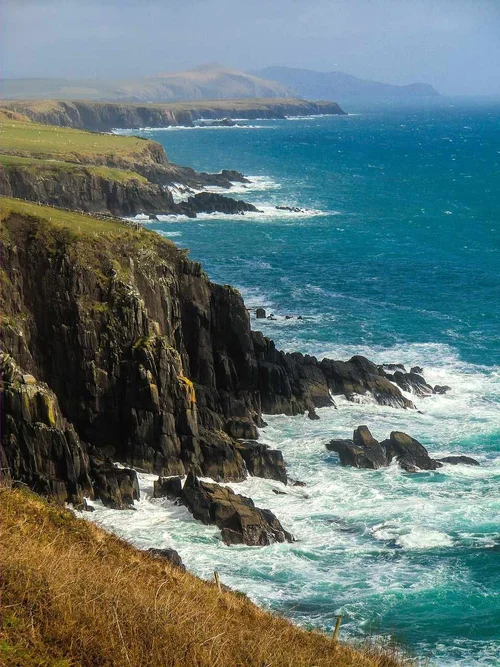
The Wild Atlantic Way is not one scenic road. It is a vast coastal journey whose character changes repeatedly between Donegal, the surf coast, Mayo, Connemara, Clare, Kerry and Cork.
- Follow a defined Atlantic touring route of approximately 2,500 km.
- Travel from Ireland’s far north towards Kinsale on the southern Cork coast.
- Combine famous landmarks with islands, quieter headlands, fishing towns and local detours.
- Explore the full journey or concentrate on one or two regional chapters.
Six broad touring regions
One coast, constantly changing character
Malin Head, remote peninsulas, high cliffs, broad beaches and some of the journey’s wildest Atlantic landscapes.
Wave-facing beaches, distinctive mountains, coastal culture and a strong connection between landscape and the sea.
Remote headlands, island views, huge beaches and a more elemental Atlantic landscape.
Mountains, loughs, stone country, island gateways and one of Ireland’s great cultural cities.
Great sea cliffs, limestone coast and legendary peninsulas extending deep into the Atlantic.
Harbour towns, southern peninsulas, lighthouse country and a gentler final approach towards Kinsale.
How the journey works
Not one road — a chain of Atlantic landscapes
The Wild Atlantic Way is too large and too varied to treat as a single uninterrupted drive.
The northern journey is shaped by Donegal’s exposed headlands and broad sense of space. Further south, Sligo and Mayo bring surf beaches, mountains and long horizons before the landscape shifts again into Connemara’s loughs, bog, stone walls and island-facing coast.
Galway provides an urban and cultural pause. Beyond it, the limestone world of the Burren gives way to Clare’s great cliffs and the deeply indented peninsulas of Kerry.
The final southern chapters move through West Cork’s coves, harbours and peninsulas before the route reaches Kinsale.
Malin Head, Donegal peninsulas and northern Atlantic landscapes
Sligo surf coast, beaches and mountain backdrops
Mayo headlands, remote roads and island-facing coast
Connemara mountains, loughs, Galway and island gateways
Burren limestone, Clare cliffs and great Atlantic viewpoints
Kerry and Cork peninsulas before the final approach to Kinsale
Along the way
What you’ll experience on the Wild Atlantic Way
The journey is defined by constant change — cliffs and surf beaches, limestone and mountains, remote peninsulas and lively towns.
Atlantic headlands — exposed roads, lighthouses and horizon-wide sea views
Sea cliffs — vast coastal viewpoints and walking landscapes shaped by Atlantic weather
Surf beaches — long sands, powerful swell and towns whose identity is tied to the ocean
Island views — ferry ports, offshore communities and coastlines facing the edge of Europe
Mountain coast — western peaks rising close to loughs, bog and sea
Harbour towns — fishing heritage, seafood and colourful waterfront streets
Music and culture — places where landscape, language and local identity remain closely connected
Southern peninsulas — deeply indented coast, small roads and repeated journeys towards the Atlantic edge
Regional chapters
The Wild Atlantic Way changes as you travel south
A useful road-trip plan needs to recognise those differences rather than presenting 2,500 km of coastline as one continuous blur.
Donegal
Remote peninsulas, high cliffs, broad beaches and a powerful opening chapter around Ireland’s far northwest.
Sligo
Atlantic beaches meet distinctive mountain scenery, coastal culture and strong literary associations.
Mayo
Long horizons, exposed headlands and a quieter Atlantic scale that rewards slow exploration.
Connemara
Loughs, mountains, bog, stone walls and island-facing roads create one of the journey’s defining landscapes.
Clare
The Burren’s stone landscape transitions towards towering Atlantic cliffs and open coastal viewpoints.
Kerry
Mountain roads, deeply indented coast and peninsulas extending dramatically towards the Atlantic.
West Cork
Harbour villages, headlands and smaller peninsulas create a slower and more intimate coastal rhythm.
Kinsale
Colourful streets, harbour character and a memorable southern conclusion to the wider Atlantic journey.
How long you need
Choose how much of the coast you genuinely want to experience
The full route is vast. A better plan is to match the distance to your available time rather than racing between famous landmarks.
5–7 days
Choose one strong regional chapter, such as Donegal, Connemara and Galway, or a southern peninsula journey.
10–14 days
Combine several neighbouring regions with selected major detours and a more realistic balance of driving and stopping.
15–21 days
Travel a substantial part of the route with time for towns, walks, beaches and longer scenic loops.
21+ days
Give the full Atlantic journey room to breathe, adding slower regional days, islands, peninsulas and weather flexibility.
The biggest planning mistake
Trying to “complete” the Wild Atlantic Way too quickly
A route of around 2,500 km becomes much longer in experience once you add peninsulas, viewpoints, islands, walks, towns and the places where you simply want to stop.
That is why the developing Uncover Britain guide will focus on structure and choice rather than creating one rigid schedule for every traveller.
Some people will want the full north-to-south journey. Others will have a week and need help choosing between Donegal, Connemara, Clare or the southern peninsulas. Both are valid road trips.
In development
The Uncover Britain Wild Atlantic Way digital guide is coming soon
We are developing a fuller planning guide for travellers who want to understand the route region by region rather than simply follow a long list of pins down Ireland’s west coast.
The aim is to make a huge route easier to shape around your own time, interests and travel style.
Continue exploring
Atlantic and coastal road trip guides available now
While the Wild Atlantic Way guide is in development, these established journeys offer similarly strong coast, headland and scenic-driving experiences.
Plan more of your journey
Coastal inspiration and practical road trip planning
Use these wider resources while the dedicated Wild Atlantic Way guide is being developed.
Scenic inspiration
Britain’s Great Coastal & Atlantic DrivesCompare dramatic shoreline journeys and Atlantic road-trip landscapes. Top 10 Scenic DrivesDiscover more memorable driving regions for a wider touring holiday. Best Scenic ViewpointsFind inspiring places for road trips, short walks and photography.Prepare for the road
How to Plan a Road TripPractical help with route structure, pacing, overnight stops and flexible travel. Hire a Campervan or MotorhomeFind a vehicle before shaping your longer touring journey. What to Pack for a Road TripUse a practical checklist for your vehicle, bags and travel essentials.Wild Atlantic Way FAQs
Planning Ireland’s great Atlantic road trip
How long is the Wild Atlantic Way?
The defined Wild Atlantic Way touring route covers approximately 2,500 km along Ireland’s western seaboard.
Where does the Wild Atlantic Way start and finish?
The route stretches from the far north of County Donegal, around the Inishowen and Malin Head area, towards Kinsale in County Cork.
Is there an Uncover Britain Wild Atlantic Way guide available?
The full Uncover Britain digital guide is currently in development and is not yet available to purchase. This page provides free route inspiration while the guide is being developed.
How many days do you need for the Wild Atlantic Way?
It depends on how much of the route you plan to cover. Five to seven days works better for one focused regional chapter. Ten to fourteen days can combine several neighbouring regions. For a much fuller north-to-south journey, three weeks or longer allows a more realistic pace.
Can you drive the whole Wild Atlantic Way in one week?
It is possible to cover large distances in a week, but trying to experience the full route at that pace would involve a great deal of driving and very limited time for walks, peninsulas, towns and scenic stops. A focused regional journey is usually more rewarding.
Does the Wild Atlantic Way include Donegal?
Yes. Donegal forms the dramatic northern chapter of the route, with remote peninsulas, beaches, headlands and some of the journey’s wildest coastal scenery.
Does the route include Connemara and Galway?
Yes. Connemara is one of the defining western landscapes of the journey, while Galway provides an important cultural and urban chapter along the wider route.
Does the Wild Atlantic Way include the Cliffs of Moher?
The great cliff landscapes of County Clare are among the best-known parts of the wider Atlantic journey, alongside the distinctive limestone scenery of the Burren.
Does the route include Kerry and West Cork?
Yes. The southern journey includes major Atlantic peninsulas and coastal landscapes across Kerry and Cork before reaching the Kinsale area.
Is the Wild Atlantic Way suitable for campervans and motorhomes?
The route is widely used for self-drive touring, but drivers of larger vehicles should always consider vehicle dimensions, narrow roads, parking, local restrictions and current conditions before choosing individual coastal detours.
Is this a fixed Wild Atlantic Way itinerary?
No. The developing Uncover Britain guide is intended to help travellers understand the route region by region and build a journey around their own available time, interests and travel style.
The Wild Atlantic Way is too extraordinary to rush
Explore 2,500 km of Atlantic coast through Donegal, Mayo, Connemara, Clare, Kerry and Cork. The full Uncover Britain digital guide is coming soon, but the journey starts with understanding how this vast coast fits together.
Explore available road trip guidesBe Notified
When Available
Expected spring 2026