Viewing as a member

Cambrian Way: Overview

The Cambrian Way
A Journey from Cardiff to Conwy through the Heart of Wales
The Cambrian Way is a road trip that cuts straight through the geographical and emotional centre of Wales. Following the line of the A470 from south to north, it links the capital city of Cardiff with the great walled town of Conwy, passing through mountains, reservoirs, historic towns, and some of the quietest landscapes in Britain along the way.
At around 225 miles (362 km) with a driving time of just over 5 hours, this is not a route to rush. Instead, it’s best understood as a journey through four distinct Welsh landscapes, each with its own rhythm, history, and sense of place. Taken slowly, it becomes one of the most revealing ways to understand Wales — not just its scenery, but how its towns, roads, and communities connect.
This is a route shaped by movement: of armies and kings, of pilgrims and traders, of miners, engineers, and travellers crossing the country long before modern roads existed. Mountains rise, valleys narrow, reservoirs appear unexpectedly, and towns feel hard-won rather than placed. The further north you travel, the wilder and more elemental the landscape becomes.
How to Experience the Cambrian Way
Rather than being a single linear drive, the Cambrian Way works best when experienced as a sequence of connected landscapes, each flowing naturally into the next.
Part 1: Cardiff & The Valleys – Power, Industry & the Gateway North
Your journey begins in Cardiff, a city shaped by coal, trade, and ambition. From here, the route quickly introduces the industrial valleys and some of Wales’s most impressive fortifications. Caerphilly Castle, vast and water-defended, sets the tone — a reminder that power and control have long been written into this landscape.
As you move north through towns like Merthyr Tydfil, the scenery tightens into steep-sided valleys, shaped by industry and engineering. This opening section provides historical context and contrast — urban to upland, capital to countryside — before the landscape opens out dramatically.
Route flow: Cardiff & Valleys Cardiff > Caerphilly Castle > Merthyr Tydfil
Approx. 27 miles / 43 km
Part 2: The Brecon Beacons – Mountains, Market Towns & Open Skies
Beyond the valleys, the road climbs into the Brecon Beacons National Park, where Wales begins to feel broader, quieter, and more elemental. Here you’ll find long ridges, open moorland, waterfalls, and deep river valleys, alongside welcoming towns such as Brecon and Builth Wells.
This is a landscape that invites pauses — short walks, viewpoints, and time spent off the road. The driving itself becomes more scenic, and distances begin to feel less important than the experience of moving through the land.
Route flow: Brecon Beacons Brecon Beacons National Park > Brecon > Builth Wells
Approx. 36 miles / 58 km
Part 3: The Cambrian Mountains – Reservoirs, Remoteness & Near-Wilderness
North of Builth Wells, the Cambrian Way enters its quietest and least populated stretch. The Cambrian Mountains and Elan Valley reservoirs form a powerful sense of space — huge skies, long views, and roads that feel gently absorbed by the landscape.
This is the emotional heart of the route: a place of stillness and scale, where driving slows naturally and the sense of remoteness becomes part of the experience. Towns like Rhayader and Machynlleth feel purposeful rather than busy — historic meeting points in an otherwise sparsely settled land.
Route flow: Cambrians: Rhayader > Elan Valley > Machynlleth
Approx. 73 miles / 117 km
Part 4: Snowdonia (Eryri) – Slate, Peaks & the Northern Strongholds
From Machynlleth, the landscape tightens again as the route climbs into Eryri (Snowdonia) National Park. Valleys deepen, mountains rise sharply, and the legacy of slate quarrying becomes increasingly visible in towns like Dolgellau, Blaenau Ffestiniog, and Betws-y-Coed.
This final stretch brings some of Wales’s most dramatic scenery, heritage railways, and iconic landmarks — including Yr Wyddfa (Snowdon) itself. The journey ends in Conwy, where medieval walls, castle towers, and the estuary provide a powerful sense of arrival and completion.
Route flow: Snowdonia Dolgellau > Blaenau Ffestiniog > Betws-y-Coed > Llanberis > Snowdon / Yr Wyddfa > Conwy
Approx. 89 miles / 143 km
A Route Defined by Scale, Contrast & Connection
What makes the Cambrian Way special is not just the places it visits, but how they connect: capital city to mountain pass, industrial valleys to near-wilderness, reservoirs to railways, and finally to one of the greatest medieval towns in Britain.
It’s a road trip that rewards curiosity, patience, and detours — and one that reveals Wales from the inside out.
How to Use This Road Trip
Highlights version: 4–6 days
Relaxed pace: 7–10 days
Slow, immersive journey: 10–14 days with walks, railways, and longer stops
This guide is designed to help you shape the route around your interests — whether that’s scenery, history, walking, railways, or simply some of the most memorable driving in Wales.
Cardiff & Valleys: Cardiff > Caerphilly Castle > Merthyr Tydfil
Brecon Beacons: Brecon Beacons National Park > Brecon > Builth Wells
Cambrians: Rhayader > Elan Valley > Machynlleth
Snowdonia: Dolgellau > Blaenau Ffestiniog > Betws-y-Coed > Llanberis > Snowdon / Yr Wyddfa > Conwy
-
![]()
Cardiff & Valleys
27 miles (43 km) with drive time approx. 40 minutes
-
![]()
Brecon Beacons
From Merthyr Tydfil: 36 miles (58 km) with drive time approx. 1 hour 20 minutes
-
![A stylised route map of stops including lan Valley, Rhayader, and Machyvwnlith]()
Cambrians
From Builth Wells: 73 miles (117 km) with drive time approx. 2 hour 40 minutes
-
![A stylised route map of stops including Dolgellau, Blaenau Ffestiniog, Betws-y-Coed, Llanberis, Snowdonia, Wydfa, and Conwy.]()
Snowdonia
From Machynlleth: 89 miles (143 km) with drive time approx. 2 hour 40 minutes




How to Spend Your Time
Whether you're planning a short scenic getaway or an extended road trip, these flexible itineraries help you explore the very best of Wales — from ancient castles and vibrant towns to peaceful reservoirs and wild mountain passes. Each itinerary is built around four unforgettable regions: Cardiff & The Valleys, the dramatic Brecon Beacons, the serene Cambrian Mountains, and the iconic landscapes of Eryri (Snowdonia) to Conwy. With a range of options from 3-day highlights to an immersive 10-day adventure, you can choose the pace and style that suits your trip — including ideas for half-day drives, walking tours, and hidden gems along the way.
-
Option 1: Snapshot Wales (Adventure-Focused)
Day 1: Cardiff & The Valleys
Explore Cardiff Castle, St Fagans, and Caerphilly Castle
Short walk on the Taff Trail
Day 2: Brecon Beacons National Park
Morning: Walk at Carreg Cennen Castle or Beacons Circuit
Afternoon in Brecon town (Cathedral + Canal Basin)
Scenic drive to Builth Wells
Day 3: Eryri Express
Drive north via Elan Valley (photo stop)
Arrive at Llanberis: take the Snowdon Mountain Railway
End at Conwy Castle for sunset
Option 2: Slow & Scenic
Day 1: Cardiff to Brecon
Drive scenic A470 through the Valleys
Afternoon canal walk or explore Brecon town
Overnight near Brecon
Day 2: Brecon to Elan Valley
Morning drive via Builth Wells
Visit Elan Valley dams and visitor centre
Stargazing stop (if staying overnight)
Day 3: Cambrian Mountains to Machynlleth
Morning at Corris Craft Centre
Afternoon at MOMA Machynlleth or Centre for Alternative Technology
Optional drive to coast or inland continuation
-
Landscapes & Culture
Day 1: Cardiff & Caerphilly – Castles, Culture & the Capital
Morning:
Start at Cardiff Castle for a deep dive into over 2,000 years of history
Explore Cardiff Bay: stroll along the waterfront, visit the Wales Millennium Centre, or the Senedd (Welsh Parliament)
Afternoon:
Short drive to Caerphilly Castle, one of the largest medieval castles in Britain with impressive moats and leaning towers
Optional: Stop at the Royal Mint Experience in Llantrisant on the return
Evening:
Dinner in Cardiff city centre or Cardiff Bay
Overnight in Cardiff or nearby rural inn
Day 2: Brecon Beacons – Walks, Waterways & Heritage
Morning:
Scenic drive north via the A470
Stop at Caerphilly Mountain Viewpoint or Storey Arms for panoramic views
Choose a short hike: a section of the Beacons Circuit, or explore Carreg Cennen Castle
Afternoon:
Head into Brecon town
Visit Brecon Cathedral and enjoy a canal towpath walk along the Monmouthshire & Brecon Canal
Optional: Tour the Regimental Museum of the Royal Welsh
Evening:
Dinner in Brecon or country pub
Overnight in Brecon or nearby countryside lodge
Day 3: Rhayader & Elan Valley – Reservoirs, Wildlife & Dark Skies
Morning:
Drive to Rhayader (approx. 45 mins)
Stretch your legs with a short nature walk along the River Wye
Afternoon:
Explore the Elan Valley Visitor Centre and visit a few of the Victorian dams (Caban Coch, Craig Goch, or Claerwen)
Enjoy a peaceful reservoir-side picnic or coffee stop
Evening:
Return to Elan Valley viewpoints for stargazing – it's a Dark Sky Reserve
Overnight near Elan Valley or Rhayader
Day 4: Corris & Machynlleth – Creative Escape in the Cambrians
Morning:
Scenic drive through the Cambrian Mountains to Corris
Visit the Corris Craft Centre – browse local makers, chocolate, and pottery
Afternoon:
Continue to Machynlleth, a town known for its arts and sustainability
Visit MOMA Machynlleth, or the Centre for Alternative Technology
Stroll through the town’s independent shops and cafes
Evening:
Dinner in Machynlleth or countryside stay nearby
Overnight in or around Machynlleth
Day 5: Llanberis, Yr Wyddfa (Snowdon) & Conwy – Peaks to the Coast
Morning:
Drive to Llanberis (1 hr 15 approx.)
Ride the Snowdon Mountain Railway or walk a short section of the Llanberis Path
Visit the National Slate Museum and Llyn Padarn
Afternoon:
Scenic drive through Llanberis Pass and the northern Eryri peaks
Arrive in Conwy and explore Conwy Castle, the town walls, and the harbour
Evening:
Enjoy a coastal dinner with castle views
Optional overnight in Conwy or nearby coastal village
-
Nature & Storybook Wales
A journey through dramatic mountains, lush valleys, peaceful reservoirs, and fairy-tale castles — perfect for travellers seeking a blend of outdoor adventure, history, and local charm.
Day 1: Cardiff – Castles, Bay & Culture
Morning:
Explore the iconic Cardiff Castle, right in the heart of the city
Wander through Bute Park and along the Taff Trail
Afternoon:
Head to St Fagans National Museum of History – one of Europe’s leading open-air museums
Drive out to Cardiff Bay: visit the Wales Millennium Centre, Norwegian Church, and enjoy lunch on the waterfront
Evening:
Optional theatre performance at the Millennium Centre or relaxed dinner in the Bay
Overnight in Cardiff city centre
Day 2: The Valleys to Brecon – Heritage & Hillscapes
Morning:
Short drive to Caerphilly Castle – explore the grand fortress and its leaning tower
Continue north through the South Wales Valleys via scenic A470
Afternoon:
Stop at The Royal Mint Experience (Llantrisant) or a viewpoint in the Brecon Beacons
Visit Brecon Cathedral and walk the Monmouthshire & Brecon Canal towpath
Optional: Visit the Regimental Museum of the Royal Welsh
Evening:
Dinner in Brecon
Overnight in or near Brecon (B&B or country inn)
Day 3: Brecon Beacons – Castles, Trails & Countryside
Morning:
Choose a short walk: part of the Beacons Circuit, a stroll near Llangorse Lake, or the Taff Trail
Visit Carreg Cennen Castle – a dramatic hilltop ruin with panoramic views
Afternoon:
Relax with tea in a village café or pub lunch
Explore Craig-y-Nos Country Park or local gardens
Evening:
Stargazing opportunity if skies are clear
Overnight near Brecon or onward to Builth Wells
Day 4: Rhayader & Elan Valley – Reservoirs & Dark Skies
Morning:
Drive to Rhayader (1 hr)
Visit Gilfach Nature Reserve for red kite spotting and peaceful woodland walks
Afternoon:
Tour the Elan Valley Visitor Centre and visit the Victorian dams: Caban Coch, Pen y Garreg, and Craig Goch
Enjoy a walk along the Elan Valley Trail or picnic by a reservoir
Evening:
If staying nearby, return to a designated Dark Sky site for stargazing
Overnight in Elan Valley lodge, glamping pod, or nearby guesthouse
Day 5: Corris & Machynlleth – Creative Countryside
Morning:
Scenic drive through the Cambrian Mountains to Corris
Visit the Corris Craft Centre – browse artisan shops or take a chocolate-making workshop
Optional underground tour: King Arthur’s Labyrinth or Corris Mine Explorers
Afternoon:
Continue to Machynlleth
Visit MOMA Machynlleth (Welsh modern art gallery) or the Centre for Alternative Technology for sustainability inspiration
Stroll through town and stop at local shops or the old market square
Evening:
Dinner at a cosy Machynlleth restaurant
Overnight in Machynlleth or countryside stay nearby
Day 6: Llanberis & Yr Wyddfa (Snowdon) – Mountain Majesty
Morning:
Early drive to Llanberis (approx. 1.5 hrs)
Ride the Snowdon Mountain Railway to the summit of Yr Wyddfa (book ahead), or walk part of the Llanberis Path
Afternoon:
Visit Llyn Padarn, paddle or picnic by the lake
Tour the National Slate Museum to learn about Wales’ industrial heritage
Optional: ride the Llanberis Lake Railway for a relaxing loop around the water
Evening:
Dinner with mountain views
Overnight in Llanberis or nearby village (e.g. Beddgelert)
Day 7: Conwy – Castles & Coastal Charm
Morning:
Scenic drive through Llanberis Pass to Conwy (via A4086)
Visit Conwy Castle, walk the town walls, and explore Plas Mawr – a beautifully preserved Elizabethan townhouse
Afternoon:
Relax by the harbour, enjoy fish & chips or tea by the quay
Optional: visit Bodnant Garden or walk part of the coastal path
Final stop for souvenirs or Welsh treats
Evening:
Overnight in Conwy or depart for onward travel
-
The Complete Welsh Explorer
A richly layered journey through the best of Wales — combining landscape, heritage, towns, and nature across valleys, peaks, lakes, and coastline.
Day 1: Arrive in Cardiff – Castles & Capital Vibes
Morning:
Arrive in Cardiff
Explore Cardiff Castle and walk the beautiful Bute Park
Afternoon:
Visit St Fagans National Museum of History
Optional detour to Llandaff Cathedral or shop in the Arcades
Evening:
Dinner at Cardiff Bay and a stroll by the Norwegian Church or Wales Millennium Centre
Overnight in Cardiff
Day 2: Caerphilly & The Valleys – Welsh Fortress & Scenic Drive
Morning:
Drive to Caerphilly Castle, explore its moat and medieval defences
Optional visit to The Royal Mint Experience (Llantrisant)
Afternoon:
Scenic drive north through the South Wales Valleys
Stop at a viewpoint along the A470 (e.g. Storey Arms)
Evening:
Arrive in Brecon
Overnight in Brecon or countryside inn nearby
Day 3: Brecon Beacons – Nature Trails & Canal Town Charm
Morning:
Walk the Monmouthshire & Brecon Canal towpath
Visit Brecon Cathedral and enjoy town markets
Afternoon:
Explore Carreg Cennen Castle or hike part of the Beacons Circuit
Optional: Visit Craig-y-Nos Country Park
Evening:
Pub dinner and optional stargazing
Overnight in Brecon
Day 4: Drive to Rhayader – Via Builth Wells & Scenic Stops
Morning:
Scenic drive via Builth Wells (stop at the Heritage Centre or Royal Welsh Showground)
Afternoon:
Arrive in Rhayader and explore Gilfach Nature Reserve
Drive into the Elan Valley, visit the Visitor Centre and walk to Caban Coch Dam
Evening:
Sunset at the reservoirs or stargazing (Dark Sky Reserve)
Overnight in Elan Valley lodge or B&B in Rhayader
Day 5: Elan Valley to Corris – Wild Hills & Crafts
Morning:
Continue exploring Elan Valley: Claerwen Dam or a peaceful forest trail
Depart via the mountain road to Corris – one of Wales’ most scenic drives
Afternoon:
Visit the Corris Craft Centre for artisan goods and chocolate making
Optional: King Arthur’s Labyrinth or underground mine tour
Evening:
Arrive in Machynlleth, explore shops and market square
Overnight in or near Machynlleth
Day 6: Machynlleth & Surrounds – Art, Nature & Sustainability
Morning:
Visit MOMA Machynlleth – a hidden gem gallery of Welsh art
Option: Ride out to Ynys-hir RSPB Nature Reserve for birdwatching
Afternoon:
Head to the Centre for Alternative Technology (CAT) – ride the funicular and explore the eco-centre
Walk the woodland trails and enjoy views over the Dyfi Valley
Evening:
Dinner at a local inn
Overnight in Machynlleth
Day 7: Northward to Llanberis – Snowdonia Beckons
Morning:
Scenic drive north toward Llanberis through the western Cambrian Mountains
Optional stop at Dolgoch Falls or Trawsfynydd Lake
Afternoon:
Arrive in Llanberis, relax by Llyn Padarn
Visit the National Slate Museum or take a short walk
Evening:
Dinner with views of Yr Wyddfa (Snowdon)
Overnight in Llanberis
Day 8: Yr Wyddfa (Snowdon) – Mountain Day
Morning:
Take the Snowdon Mountain Railway (advance booking recommended)
Alternative: Walk the Llanberis Path or just explore the trailhead and enjoy the visitor hub
Afternoon:
Return to Llanberis, ride the Lake Railway or rent a kayak on Llyn Padarn
Browse local shops or art galleries
Evening:
Optional scenic drive through Llanberis Pass
Overnight in Llanberis or continue to Betws-y-Coed
Day 9: Conwy via Betws-y-Coed – Castles & Forests
Morning:
Stop in Betws-y-Coed – visit Pont-y-Pair Bridge, Conwy Falls, or the Railway Museum
Walk forest trails or grab lunch at a riverside café
Afternoon:
Arrive in Conwy
Visit Conwy Castle, walk the town walls, and explore the harbour
Evening:
Enjoy seafood or local Welsh lamb with castle views
Overnight in Conwy
Day 10: Coastal Farewell – Optional Day Trips or Relaxed Departure
Morning:
Take a stroll along the Conwy Estuary or visit Bodnant Garden (National Trust)
Optional drive to Llandudno for a walk along the Great Orme or Victorian Pier
Afternoon:
Final souvenir shopping in Conwy
Depart from Conwy or nearby Bangor/Llandudno Junction rail station
-
From Cardiff: Day trip to Tintern Abbey or Big Pit Museum
From Brecon: Waterfall Country walk or Craig-y-Nos Country Park
From Rhayader: Visit Gilfach Nature Reserve or Red Kite Feeding Centre
From Machynlleth: Ynys-hir RSPB Reserve or Aberdyfi beach
From Conwy: Llandudno, Bodnant Gardens, or Penrhyn Castle
How to Get There
Cardiff is one of the most accessible cities in the UK, whether you’re travelling by road, rail, air, or coach. Thanks to excellent motorway links, frequent train services, and budget-friendly coach routes, arriving in the Welsh capital is straightforward from all major UK hubs.
Once you’re here, getting around is just as easy. The city centre is compact and walkable, with buses, trains, and even a water taxi connecting you to key attractions like Cardiff Bay, St Fagans, and the surrounding valleys.
Whether you're planning to drive, take public transport, or mix both, this information will help you navigate Cardiff with ease.
-
Cardiff is well connected to major UK hubs via the M4 motorway, which runs directly past the city.
From London – approx. 2.5–3 hours (M4 westbound)
From Bristol – approx. 1 hour (M4 westbound over the Prince of Wales Bridge)
From Birmingham – approx. 2 hours via M5 then M4
From Manchester/Liverpool – approx. 3.5–4 hours via M6, M5, and M4
From Swansea (West Wales) – approx. 1 hour eastbound on M4
-
Cardiff has both city centre parking and Park & Ride options:
City Centre Car Parks
NCP Westgate Street – close to Cardiff Castle & Principality Stadium
John Lewis Car Park – great for shopping and walking into the city
Castle Mews – a small, convenient option near Bute Park
Park & Ride Services
Cardiff East Park & Ride
Just off the A48, postcode: CF23 8HH
Buses every 15 mins into the city centre
Great for avoiding traffic and saving on parking costs
Cardiff West and South Park & Ride sites also operate seasonally or during major events
-
Cardiff is well served by long-distance coach services, making it a budget-friendly and eco-conscious choice for travellers arriving from across the UK.
National Express
Regular services to/from:
London Victoria (~3.5–4 hrs)
Bristol (~1.5 hrs)
Birmingham (~3 hrs)
Manchester (~5 hrs)
Heathrow & Gatwick Airports
Coaches arrive at Cardiff Coach Station (Sophia Gardens) — about a 10-minute walk from Cardiff Castle and the city centre.
Megabus
Frequent routes from major cities including London, Bristol, Birmingham, and Leeds
Also arrives at Sophia Gardens Coach Station
Local Connections
TrawsCymru offers scenic and affordable coach services across Wales
Ideal for continuing your road trip without a car — e.g. to Brecon, Aberystwyth, or Llandrindod Wells
-
Cardiff Central Station is a major transport hub with direct services from:
London Paddington – ~1hr 50 mins (Great Western Railway)
Bristol Temple Meads – ~50 mins
Manchester Piccadilly – ~3.5 hrs
Birmingham New Street – ~2 hrs
Swansea – ~1 hr
From the station, it’s a short walk to the city centre, Cardiff Castle, and bus connections.
Trainline makes train and coach travel across the UK easy. Get the app to book tickets and get:
· Live times and disruptions info
· Split tickets price alerts for the cheapest tickets
· You won’t find cheaper same-day tickets than on our app or get the difference refunded.
-
Getting to Cardiff by Air
Cardiff Airport (CWL) – ~30 minutes from the city
Direct flights from Europe and internal UK hubs
Connections via the T9 Airport Express Bus to the city centre
Or use local rail (via Rhoose Cardiff International Airport Station)
Bristol Airport (BRS) – ~1 hr 10 mins by car
More frequent international flights
Car hire, rail connections, and National Express coaches available
Taff Trail

© Crown Copyright
From City to Countryside
The The Taff Trail begins in Cardiff Bay, passing through the heart of the city via Bute Park and alongside Cardiff Castle, before heading north into the Taff Valley. This gradual transition from urban landmarks to green corridors is one of the trail’s defining features.
Rivers, Woodlands & Valleys
Much of the route follows riverside paths, woodland tracks, and quiet lanes, offering frequent views of the River Taff and the surrounding hills. As the trail climbs northwards, the scenery becomes increasingly rural, with wide views across valleys and uplands.
Historic Landmarks
The Taff Trail passes several notable historic sites, including Castell Coch, the striking 19th-century “fairytale” castle hidden in woodland above the valley, and remnants of Wales’s industrial heritage such as the Taff’s Well Ironworks. These sites reflect the long history of settlement, industry, and transport along the Taff corridor.
Walking & Cycling
The trail is well signposted and largely traffic-free, making it suitable for both walkers and cyclists. Some sections are gentle and ideal for families or short outings, while others offer longer, more challenging stretches, particularly for cyclists heading north towards the Brecon Beacons.
Practical Information – Access & Using the Trail
Access points:
The Taff Trail can be joined at many points along its length, including Cardiff Bay, Cardiff city centre, Merthyr Tydfil, and Brecon. This makes it easy to explore short sections rather than the full route.
Route character:
Mostly traffic-free paths and tracks
Suitable for walking and cycling
Surface quality varies, particularly outside urban areas
Using the trail:
The trail works well for day walks, family cycling, or longer multi-day journeys, depending on how much of the route you choose to explore.
Check out the trail around Cardiff Bay, Merthyr Tydfil and Brecon, among many points to pick it up.
Offa’s Dyke – The Ancient Border of Wales
Overview
Offa’s Dyke is one of the most remarkable early medieval monuments in Britain: a vast earthwork built in the 8th century to mark the border between the Welsh kingdoms and the Anglo-Saxon kingdom of Mercia. Stretching for much of the length of the England–Wales frontier, it consists of a deep ditch and high embankment, placed to dominate the landscape.
Although the Cambrian Way does not follow Offa’s Dyke continuously, the route repeatedly passes close to it and crosses its historic frontier zone, especially in mid and north Wales. Understanding Offa’s Dyke adds an important layer of meaning to this journey, because much of what you are driving through was once contested borderland.
How Offa’s Dyke Relates to the Cambrian Way
The Cambrian Way moves through the heart of Wales, but repeatedly brushes the old frontier between Welsh and English power. Several of your key places sit on or near the historic Marches:
Brecon & Builth Wells – close to the southern Marches, in territory long contested between Welsh kingdoms and Norman/English control.
Rhayader & the Elan Valley – deep in the Cambrian Mountains, forming part of the wild interior that the dyke was intended to separate from Mercian influence.
Machynlleth – historically important as a centre of Welsh resistance and identity.
Dolgellau & Snowdonia / Eryri – firmly in the Welsh heartland beyond the dyke’s reach.
Conwy – later fortified by Edward I as part of his conquest of Wales, representing the final outcome of the long border struggle that Offa’s Dyke symbolises.
In other words:
The Cambrian Way crosses from the old borderlands into the true Welsh interior — and Offa’s Dyke is the historic line that explains why that boundary existed at all.
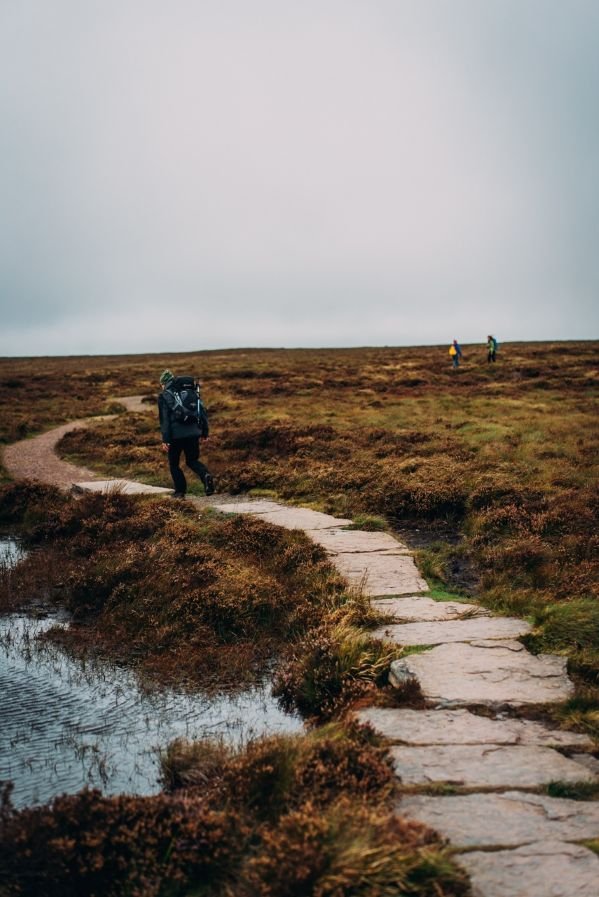
© Crown Copyright
-
While the dyke itself does not run directly through all your stops, excellent and accessible sections can be reached from:
Builth Wells – good access to central sections of Offa’s Dyke Path
Rhayader area – nearby upland sections in spectacular scenery
Machynlleth area – northern approaches to the dyke system and its historic frontier zone
These sections allow you to walk along the actual earthwork and experience how it was positioned to dominate valleys, ridges, and routes of movement.
-
Offa’s Dyke was built in the late 8th century during the reign of Offa, King of Mercia (AD 757–796), one of the most powerful Anglo-Saxon rulers of early medieval England. Its purpose was to mark and defend the western frontier of his kingdom against the Welsh kingdoms.
The dyke was not a single continuous wall, but a series of massive earthworks — ditch and bank — carefully placed to take advantage of natural terrain. In many places it is still several metres high and dominates the landscape.
Although it was never a permanently manned fortification, it was a powerful statement of authority and control, and one of the largest engineering projects in early medieval Britain.
Today, Offa’s Dyke is a Scheduled Monument and forms the backbone of the long-distance Offa’s Dyke Path, one of the great historic walking routes of the UK.
-
Best access points from this route:
Builth Wells area
Rhayader area
Central Wales upland sections
What to expect:
Earthwork sections in open countryside and upland landscapes
Waymarked walking routes (Offa’s Dyke Path)
Mixture of easy and more remote, rugged walking
How to use it on this trip:
Offa’s Dyke works best here as a half-day or day walk add-on from places like Builth Wells or Rhayader, rather than as a continuous through-walk. -
Parts of the Offa’s Dyke path that can be reached from this road trip:
A walk from Knighton along country roads to Norton, returning along a fine stretch of the Offa’s Dyke Path.
Rail2Trail Knighton and Norton Circular (Download PDF)
Distance: 9.3 miles / 15km Start location: Knighton Railway Station Start Grid Ref: SO 29057 72393
Start What3Words: diets.brick.decanterRail2Trail Knighton to Stowe Circular (Download PDF)
A walk along part of Offa’s Dyke Path and Heart of Wales Line Trail above Knighton.
Distance: 6.8 miles / 11km Start location: Knighton Railway Station Start Grid Ref: SO 29057 72393
Start What3Words: diets.brick.decanterRail2Trail Welshpool Circular (Download PDF)
A walk along the Montgomery Canal, followed by a stretch of the Offa’s Dyke Path over Long Mountain.
Distance: 8 miles / 13km Start location: The Old Station, Welshpool Railway Station
Start Grid Ref: SJ 22911 07201 Start What3Words: loads.onto.baguetteRail2Trail Prestatyn Hills Circular (Download PDF)
A walk that takes in the Prestatyn-Dyserth Way and the northern terminus of the Offa’s Dyke Path. An extended walk to Dyserth Waterfall can be made.
Distance: 6 miles / 9.7km (with 2.2 miles / 3.5km extension) Start location: Prestatyn Railway Station
Start Grid Ref: SJ 06417 83079 Start What3Words: treatable.draining.mintIrresistible Offa Walks
A series of short walks exploring archaeology, history and heritage along the trail.
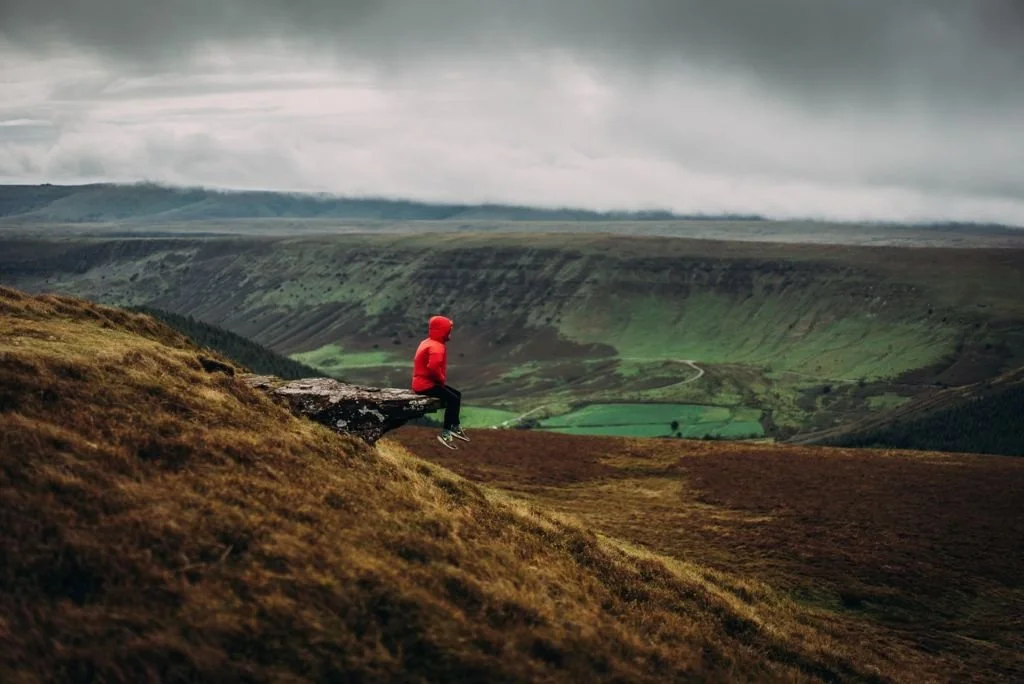
© Crown Copyright
Cambrian Way Last updated: 13 January 2026
Some links may earn Uncover Britain a small commission at no extra cost to you. This helps support the ongoing creation, review and presentation of our road trip guides.
Route information and listings are provided for general guidance only. Always use your preferred navigation system and check official websites to confirm suitability, opening times and the latest details before travelling.
Our guides are reviewed regularly and supported by a mix of editorial research and digital tools to help keep content clear and up to date. If you spot anything that needs updating, we’re always glad to hear from you.