
Wiltshire heritage road trip inspiration
Best Historic Places in Wiltshire: Stonehenge, Avebury & Ancient Sites
Discover the history of Wiltshire on a self-drive road trip, from vast prehistoric monuments and mysterious burial chambers to medieval landmarks, cathedrals and historic villages.
Explore how Stonehenge, Avebury and the wider Ancient Wessex landscape connect through one of England’s most rewarding historic counties.
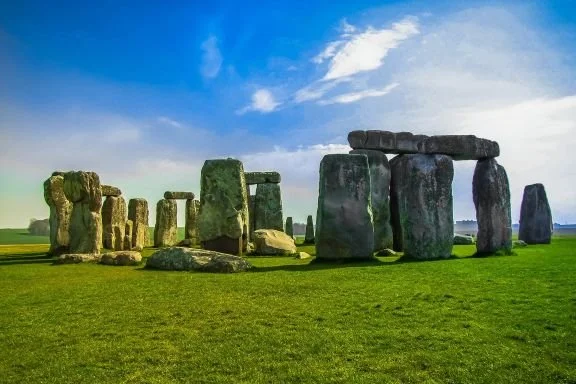
Few counties in England can match Wiltshire when it comes to history. While Stonehenge may be the landmark that first comes to mind, it is only one part of an extraordinary landscape that has been shaped by thousands of years of human activity. From vast prehistoric monuments and mysterious burial chambers to medieval castles, magnificent cathedrals and picture-perfect villages, Wiltshire offers one of Britain's richest journeys through the past.
Exploring Wiltshire by car is the best way to appreciate how these remarkable places connect together. Rather than visiting just one famous attraction, you can follow quiet country roads through rolling chalk downland, stopping at ancient sites that have stood for millennia before continuing on to bustling market towns and peaceful villages.
This guide highlights the very best historic places to visit in Wiltshire while helping you plan a memorable self-drive adventure. Whether you have a single day or a long weekend, you'll soon discover why this county is one of England's greatest destinations for history lovers.
If you're looking for a complete route with mapped driving directions, suggested stopping points, scenic detours and carefully planned itineraries, our Wonders of Wiltshire Road Trip Guide brings everything together into one flexible self-drive experience.
Why Wiltshire is unlike anywhere else in England
Many counties have castles. Others have cathedrals or attractive villages. Wiltshire has all of these, but what truly makes it special is the sheer concentration of prehistoric history spread across the landscape.
Thousands of years before Roman roads crossed southern Britain or medieval towns began to grow, communities were already gathering here to build enormous ceremonial monuments. The chalk hills around Stonehenge and Avebury became the setting for some of Europe's most important prehistoric sites, many of which still survive today.
Unlike many historic attractions, these monuments don't stand in isolation. They are connected by beautiful countryside, quiet lanes and scenic driving routes that make exploring by car both practical and enjoyable. Within a relatively short distance you can experience one UNESCO World Heritage Site after another before finishing the day in a traditional market town or relaxing country pub.
That combination of history, scenery and easy driving is what makes Wiltshire such a rewarding road trip destination.
Plan a complete Wiltshire road trip
Stonehenge, Salisbury & Ancient Wessex Road Trip Guide
Our Wiltshire guide follows a flexible 124-mile (198 km) self-drive journey through historic West Wiltshire, the North Wessex Downs, Avebury, Stonehenge, Old Sarum and Salisbury.
The route is organised into three connected chapters with 18 key destinations, linking historic towns, canal heritage, chalk landscapes and some of England’s most important ancient sites.
It can be adapted for trips lasting from three days to two weeks or more, with mobile-friendly online access for 12 months after purchase.
- 124-mile self-drive route
- Three connected chapters
- 18 key destinations
- Stonehenge and Avebury
- Old Sarum and Salisbury
- Historic towns and villages
- Planning maps and route guidance
- Flexible 3–14+ day pacing
- Browser-based, mobile-friendly access
- One-off purchase with 12 months’ access
 Complete digital road trip guide
Travel from historic West Wiltshire through Avebury and Ancient Wessex to Stonehenge, Old Sarum and Salisbury.
Buy the guide — £9.99This free article provides wider heritage inspiration. Not every place mentioned is necessarily included in the paid guide. Please check the product page for the confirmed route structure and contents.
Stonehenge
No visit to Wiltshire would feel complete without seeing Stonehenge. Standing proudly on Salisbury Plain for around 4,500 years, it remains one of the world's most famous prehistoric monuments and continues to inspire fascination, debate and wonder.
Although millions of people recognise its iconic stone circle, visiting in person is a very different experience. Seeing the scale of the sarsen stones, learning how some were transported from Wales and exploring the surrounding prehistoric landscape helps explain why Stonehenge has become one of Britain's most significant archaeological sites.
The excellent visitor centre tells the story of the monument's construction, the people who built it and the discoveries that continue to reshape our understanding of prehistoric Britain. From there, visitors can either walk or take the shuttle bus to the stone circle itself.
Stonehenge is managed by English Heritage and tickets should be booked in advance during busy periods, particularly throughout the summer and school holidays.
While it is perfectly possible to visit Stonehenge on its own, you'll gain a far richer understanding of the area by combining it with several nearby sites. Within a short drive you'll find ancient burial chambers, enormous prehistoric earthworks and medieval landmarks that help tell the wider story of Wiltshire's remarkable past.
Avebury Stone Circle
Just thirty minutes north of Stonehenge lies a place that many visitors consider even more extraordinary.
Unlike Stonehenge, where visitors admire the monument from a designated pathway, Avebury invites you to walk freely amongst the stones themselves. The prehistoric circle completely surrounds the village, creating an atmosphere unlike anywhere else in Britain.
Avebury is the largest stone circle in the country and forms part of the same UNESCO World Heritage Site as Stonehenge. Some of its enormous standing stones tower above nearby cottages, roads and village greens, reminding visitors how ancient history and everyday life continue to exist side by side.
The National Trust museum, village shops and traditional pubs make Avebury an excellent place to spend several hours. It's easy to slow down, enjoy lunch and explore the surrounding countryside before continuing your journey.
For anyone exploring Wiltshire by car, Avebury is an essential stop and one that perfectly complements a visit to Stonehenge.
Silbury Hill
Just a few minutes from Avebury stands one of Britain's greatest archaeological mysteries.
Silbury Hill rises almost 40 metres above the surrounding landscape, making it the largest prehistoric man-made mound in Europe. Yet despite decades of research, archaeologists still cannot say with certainty why it was built.
Constructed around 2400 BC using millions of tonnes of chalk and earth, the sheer effort involved suggests it must have held enormous significance for the communities who created it. Whether it served a ceremonial purpose, represented power or had another meaning entirely remains unknown.
Although visitors cannot climb the mound itself, nearby viewpoints provide excellent views across the landscape while interpretation panels help explain its importance within the wider prehistoric complex.
Because Silbury Hill lies so close to Avebury, it is an easy and worthwhile addition to any Wiltshire road trip.
West Kennet Long Barrow
Only a short drive from Silbury Hill is another remarkable reminder of Wiltshire's prehistoric past.
West Kennet Long Barrow is one of Britain's oldest surviving burial chambers, dating back more than 5,000 years. A gentle walk across open farmland leads to the impressive stone entrance, where visitors can step inside the chambers used by some of Britain's earliest farming communities.
Standing within the cool stone interior offers a powerful reminder that these monuments were already ancient long before Stonehenge was constructed.
The surrounding countryside is equally impressive, with panoramic views stretching across the chalk downs towards Silbury Hill and Avebury. It is a peaceful place to pause, reflect and appreciate the extraordinary concentration of prehistoric sites found within this part of Wiltshire.
Together, Avebury, Silbury Hill and West Kennet Long Barrow create one of the finest prehistoric landscapes anywhere in Europe and are easily explored in a single day.
Across Ancient Wessex
Landscapes shaped by thousands of years of history
The road trip links prehistoric routes, hilltop settlements and cathedral history across Wiltshire’s changing chalk landscape.
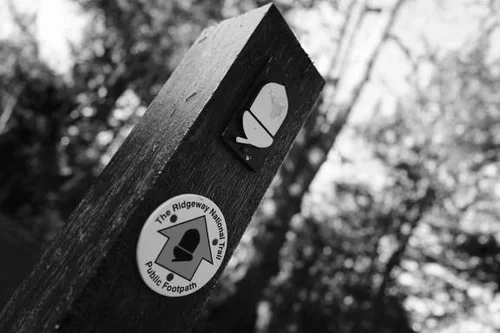
The Ridgeway
One of England’s oldest route landscapes, crossing open chalk country and linking generations of travel.
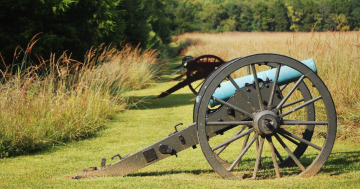
Old Sarum
A hilltop where Iron Age, Roman, Norman and cathedral history remain visible together.
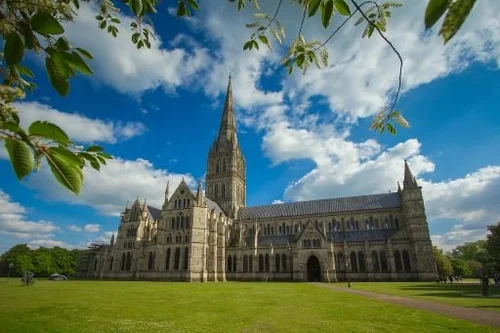
Salisbury
Medieval streets, riverside scenery and one of England’s finest Gothic cathedrals.
Old Sarum
Long before Salisbury became the county town, Old Sarum was the centre of power in Wiltshire.
Perched on a commanding hilltop overlooking the surrounding countryside, this impressive Iron Age hillfort later became a Roman settlement before developing into one of Norman England's most important castles. Today, visitors can walk around the enormous earthworks, explore the remains of the royal castle and cathedral, and enjoy sweeping views across Salisbury Plain.
It's easy to imagine why this site was chosen for defence. The huge circular banks and ditches remain remarkably intact, while the ruined castle walls and foundations tell the story of a settlement that eventually became too crowded and exposed. In the early 13th century, the cathedral community relocated to the valley below, creating what is now the city of Salisbury.
Old Sarum is managed by English Heritage and combines perfectly with a visit to Salisbury Cathedral or Stonehenge, making it one of the most rewarding historic stops on a Wiltshire road trip.
Salisbury Cathedral
Although much younger than Wiltshire's prehistoric monuments, Salisbury Cathedral is no less remarkable.
Completed in just 38 years during the 13th century, it is considered one of the finest examples of Early English Gothic architecture. Its elegant spire, soaring 123 metres into the sky, remains the tallest church spire in the United Kingdom and can be seen for miles across the surrounding countryside.
Inside, the cathedral is equally impressive. Highlights include beautiful medieval architecture, peaceful cloisters and one of the four surviving original copies of Magna Carta, a document that helped shape constitutional law around the world.
The surrounding Cathedral Close is one of England's most attractive historic settings, with elegant buildings, leafy green spaces and riverside walks creating a wonderfully relaxed atmosphere after exploring the county's ancient monuments.
Allow at least two to three hours if you wish to explore both the cathedral and the city centre.
Wiltshire's Famous White Horses
One of Wiltshire's most distinctive sights isn't a building at all.
Scattered across the county's chalk hillsides are several enormous white horses, carved directly into the landscape. These striking figures have become symbols of Wiltshire and provide another fascinating layer to the county's history.
The best-known examples include the Westbury White Horse, Cherhill White Horse, Alton Barnes White Horse and Marlborough White Horse. Some date back several centuries, while others were created more recently, but each occupies a dramatic position overlooking the surrounding countryside.
Many can be reached via short walks from nearby car parks, rewarding visitors with panoramic views across the rolling chalk downs. They also make excellent photo stops when travelling between Wiltshire's larger attractions.
Rather than trying to visit every horse, it's often better to include one or two that naturally fit your driving route. The Westbury White Horse pairs well with southern Wiltshire, while Cherhill and Alton Barnes are ideal additions when exploring the Avebury area.
Lacock Village
If you're looking for one of England's most beautifully preserved villages, Lacock should be high on your list.
Owned almost entirely by the National Trust, the village has changed remarkably little over the centuries. Timber-framed cottages, stone buildings and quiet streets create an atmosphere that feels almost untouched by modern life, making it a favourite filming location for productions including Harry Potter, Pride and Prejudice and Downton Abbey.
Lacock Abbey is equally fascinating. Originally founded as a medieval nunnery before later becoming a country house, it is also closely linked with the history of photography thanks to William Henry Fox Talbot, who produced some of the world's earliest photographic negatives here.
The village is perfect for a slower pace of exploration. Browse independent shops, enjoy lunch in a traditional pub or simply wander the streets soaking up the historic atmosphere before continuing your journey.
Wilton House
Just outside Salisbury lies one of England's finest stately homes.
Wilton House has been home to the Earls of Pembroke for more than 450 years and combines magnificent architecture with beautifully landscaped gardens. The state rooms contain exceptional collections of paintings, sculptures and antique furniture, while the surrounding parkland provides a peaceful contrast to the county's busier attractions.
Film fans may also recognise Wilton House from productions including Bridgerton, The Crown and numerous period dramas.
It makes an excellent stop for anyone interested in aristocratic history and grand English country houses, particularly when combined with Salisbury and Old Sarum.
Planning Your Historic Wiltshire Road Trip
One of the great advantages of exploring Wiltshire by car is that many of its most important attractions lie surprisingly close together.
If you only have one day, concentrate on either the Stonehenge and Salisbury area or the Avebury prehistoric landscape. Trying to visit everything in a single day will leave little time to properly enjoy each location.
With two or three days, you can comfortably combine Stonehenge, Old Sarum, Salisbury Cathedral, Avebury, Silbury Hill, West Kennet Long Barrow and one or two of the county's white horses, while still allowing time to enjoy Wiltshire's villages and countryside.
Roads are generally quiet outside the main towns, although traffic around Stonehenge can become busy during peak holiday periods. Booking popular attractions in advance and starting early will help you make the most of your visit.
Rather than simply driving from landmark to landmark, take time to enjoy the journey itself. Some of Wiltshire's greatest pleasures come from following winding country roads through open chalk landscapes, discovering unexpected viewpoints and stopping in villages that many visitors pass by.
If you'd like everything planned for you, including mapped routes, scenic detours, recommended overnight stops, parking advice and carefully timed itineraries, our Wonders of Wiltshire Road Trip Guide takes the hard work out of planning so you can simply enjoy the journey.
Save Money with English Heritage Membership
Several of Wiltshire's most significant attractions, including Stonehenge and Old Sarum, are cared for by English Heritage.
If you're planning to visit multiple historic sites during your trip, membership can offer excellent value. As well as unlimited entry to hundreds of historic places across England, members often benefit from free parking and additional visitor benefits throughout the year.
If your Wiltshire road trip forms part of a longer holiday exploring England's castles, abbeys and ancient monuments, membership can quickly pay for itself.
Compare heritage membership optionsContinue exploring
Wiltshire, the Cotswolds and wider road trip planning
Use the related Wiltshire page for quieter discoveries, then continue into the nearby Cotswolds or strengthen the practical side of your trip.
Save with a bundle
Extend Wiltshire into a longer England road trip
Choose a heritage-focused pairing with the Cotswolds or a broader three-guide journey through the western shires.

History & Heritage
Pair Stonehenge and Ancient Wessex with the villages and valleys of the Cotswolds.
Get the bundle
Western Shires Explorer
Combine the Cotswolds, Stonehenge and Ancient Wessex with the Malvern Hills and Black & White Villages.
Get the bundleFrequently Asked Questions
Visiting Wiltshire’s historic places
What is the most famous historic place in Wiltshire?
Stonehenge is Wiltshire's most famous landmark and one of the world's best-known prehistoric monuments. However, the county is also home to Avebury, Old Sarum, Salisbury Cathedral, Silbury Hill and many other remarkable historic sites.
Is Avebury better than Stonehenge?
The two sites offer very different experiences. Stonehenge is more iconic and has an excellent visitor centre, while Avebury allows visitors to walk freely amongst the standing stones and explore the surrounding prehistoric landscape at their own pace. Many people choose to visit both during the same trip.
How many days do you need in Wiltshire?
A long weekend is ideal for exploring Wiltshire's main historic attractions without feeling rushed. This allows enough time to visit Stonehenge, Avebury, Salisbury, Old Sarum and several smaller sites while enjoying the county's scenic countryside.
Can you visit Stonehenge and Avebury in one day?
Yes. The two UNESCO World Heritage sites are around 30 minutes apart by car, making them easy to combine. Adding Silbury Hill and West Kennet Long Barrow creates a rewarding full-day itinerary focused on Wiltshire's prehistoric landscape.
Is Wiltshire good for a road trip?
Absolutely. Quiet country roads, compact driving distances and an exceptional concentration of historic attractions make Wiltshire one of England's best counties to explore by car. A self-drive itinerary allows you to combine famous landmarks with smaller villages, viewpoints and lesser-known historic sites at your own pace.
Continue Exploring Wiltshire
This guide highlights many of Wiltshire's most remarkable historic places, but they're only part of the story.
Our Wonders of Wiltshire Road Trip Guide brings everything together into one carefully planned self-drive adventure, combining iconic landmarks with scenic routes, hidden corners, practical driving advice, mapped directions, suggested overnight stops and plenty of opportunities to discover the county beyond the guidebooks.
Whether you're visiting for a day, a weekend or a longer tour of southern England, it's designed to help you experience the very best of Wiltshire without the stress of planning every detail yourself.
Plan your complete Wiltshire journey
Follow 124 miles from historic West Wiltshire through Avebury and the North Wessex Downs to Stonehenge, Old Sarum and Salisbury, with three connected chapters and flexible digital planning support.
Buy the Stonehenge & Ancient Wessex Guide — £9.99Source: https://www.uncoverbritain.com
Copyright Uncover Britain Ltd. You may not reproduce without permission.