
Sussex coast inspiration
Best Places to Visit & Things to Do on the Sussex Coast
Discover the most rewarding places to visit along the Sussex coast, from medieval Rye and 1066 Country to the Seven Sisters, Brighton, Arundel, Chichester Harbour and West Wittering.
This independent guide helps you choose the towns, beaches, viewpoints, historic places and coastal walks that best suit your trip, whether you are planning one day, a weekend or a longer Sussex holiday.
Discover the variety of the Sussex coast
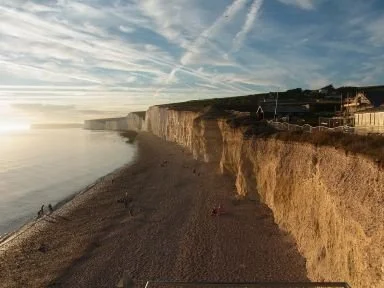
The Sussex coast is one of the most varied stretches of shoreline in southern England. Medieval streets, fishing towns, white chalk cliffs, lively seaside resorts, historic castles and peaceful harbour landscapes can all be found within the same county.
Travelling from East Sussex into West Sussex also reveals how quickly the character of the coastline changes. Around Rye and Hastings, the landscape is shaped by medieval history, fishing heritage and the events of 1066. Further west, the shoreline rises into the chalk cliffs of Beachy Head and the Seven Sisters before reaching the colour and energy of Brighton.
Beyond Brighton, the scenery becomes gentler. The South Downs, the River Arun and the castle town of Arundel lead towards Chichester Harbour and the broad sandy beach at West Wittering.
Whether you are planning a Sussex day trip, a weekend beside the sea or a longer coastal holiday, these are some of the best places to visit and things to do on the Sussex coast.
Plan a complete Sussex coast journey
Sussex Coast Road Trip Guide
The paid guide connects approximately 140 miles (225 km) of coast, countryside and history, from Rye and 1066 Country through Beachy Head, the Seven Sisters, Brighton and the South Downs to Arundel, Chichester Harbour and West Wittering.
It is organised into three connected route regions and can be adapted for a focused three-day break, a week-long journey or a slower two-week holiday.
- Approx. 140-mile route
- Three connected route regions
- East and West Sussex
- Planning maps
- Historic towns and coastal highlights
- Scenic drives and walking opportunities
- Flexible 3–14+ day pacing
- Mobile-friendly digital access
- One-off purchase
- 12 months’ access
 Complete digital road trip guide
Connect Rye, 1066 Country, Seven Sisters, Brighton, Arundel, Chichester Harbour and West Wittering into one flexible self-drive journey.
Buy the guide — £12.99This free article helps you choose individual Sussex places and activities. Not every place listed is necessarily included in the paid guide. Please check the product page for the confirmed route structure and contents.
Explore the medieval streets of Rye
Rye is one of the most atmospheric places to visit near the East Sussex coast.
Although the sea has gradually retreated from the town, Rye still feels closely connected to its maritime past. Its cobbled lanes, crooked buildings and historic inns create a very different experience from the larger seaside resorts further west.
Mermaid Street is the best-known part of Rye, but it is worth taking time to explore the smaller streets around it. Timber-framed buildings, old warehouses and views from the higher parts of the town give Rye a strong sense of history.
The area around St Mary’s Church provides some of the best views across the rooftops and surrounding countryside. Rye Castle Museum and the Ypres Tower also help explain the town’s defensive and trading history.
Rye works particularly well as a slower stop. Rather than rushing through, allow time for a walk, lunch and a look inside the independent shops and galleries.
- Walk along Mermaid Street
- Visit St Mary’s Church
- Explore Rye Castle Museum and the Ypres Tower
- Browse independent shops and galleries
- Enjoy views across the rooftops and Romney Marsh
- Visit nearby Rye Harbour Nature Reserve
Walk around Rye Harbour Nature Reserve
Rye Harbour Nature Reserve offers a complete contrast to the enclosed streets of Rye.
The reserve protects a varied landscape of saltmarsh, wetlands, shingle habitats and lagoons. Walking routes pass birdwatching hides, coastal defences and open views towards the sea.
It is an excellent place for birdwatching, photography or a quieter coastal walk.
The reserve can be exposed, so suitable clothing is useful even when the weather appears settled in Rye.
Spend time on Camber Sands
A short distance from Rye, Camber Sands is known for its long sandy beach and extensive dune system.
It is unusual along this section of the Sussex coastline because much of the surrounding coast consists of shingle, cliffs or developed seafronts. Camber’s open sand and dunes give it a much more spacious feel.
The beach is especially popular during warm summer weather, but it can also be enjoyable outside the main season when the landscape is quieter.
Walking conditions, tides and local safety information should always be checked before visiting. The beach is exposed, and conditions can change quickly.
Camber Sands can be combined easily with Rye, although the two places offer very different experiences: one historic and enclosed, the other open and coastal.
Discover Hastings Old Town
Hastings combines a traditional seaside setting with fishing heritage, historic streets and strong connections to the Norman Conquest.
The Old Town is the most characterful area to explore. Its narrow streets are lined with independent shops, cafés, pubs and historic buildings.
Along the seafront, the tall black net huts are among the town’s most recognisable sights. These structures were traditionally used by local fishing families to store nets and equipment.
Hastings Castle occupies a dramatic position above the town, while the East Hill and West Hill provide elevated views of the coast and surrounding countryside.
The town also has several museums and galleries, making it a useful destination when the weather is less suitable for walking.
Hastings has a livelier and more unconventional atmosphere than many Sussex coastal towns. Fishing traditions, seaside entertainment and creative culture all sit close together.
- Explore Hastings Old Town
- See the historic net huts
- Walk through the fishing quarter
- Visit Hastings Castle
- Take in the views from East Hill or West Hill
- Explore the seafront museums and galleries
- Walk along the beach and promenade
Visit Battle Abbey and the 1066 battlefield
Battle lies inland from Hastings but is one of the most important historic places to visit in Sussex.
The town developed around the site of the Battle of Hastings, fought in 1066. Battle Abbey was later founded on the battlefield, and the abbey grounds remain the main reason to visit.
Walking around the site makes it much easier to understand the landscape in which the battle took place. The visitor experience also explains the events leading up to the Norman Conquest and its long-term effect on England.
The town itself has an attractive historic centre, with cafés, shops and traditional buildings clustered close to the abbey entrance.
Battle is best combined with Hastings, Rye or the surrounding countryside rather than treated as a coastal destination in isolation.
Explore Pevensey Castle
Pevensey is another important historic stop between Hastings and Eastbourne.
Pevensey Castle stands within the remains of a Roman fort and later became a Norman stronghold. Its layers of Roman, Norman and medieval history make it one of the most interesting defensive sites on the Sussex coast.
The castle stands slightly inland today, although it was once much closer to the sea.
Pevensey Bay is quieter and more residential than the major resorts nearby. It can be a useful stop for visitors who prefer a more understated section of coastline.
The area is particularly rewarding for anyone interested in the long history of invasion, defence and settlement along the English Channel.
Enjoy the traditional seafront in Eastbourne
Eastbourne is a traditional seaside resort with a broad promenade, Victorian architecture and easy access to some of the most dramatic coastal scenery in southern England.
The seafront includes the pier, gardens, beaches and long stretches of promenade suitable for an easy walk.
Eastbourne is also one of the most practical bases for exploring Beachy Head and the Seven Sisters. It offers a wide range of accommodation and places to eat while remaining close to the open landscapes of the South Downs.
The town has a calmer feel than Brighton and may suit visitors looking for a more traditional seaside stay.
Eastbourne’s galleries and cultural attractions also make it a useful all-weather destination.
- Walk along the seafront promenade
- Visit Eastbourne Pier
- Relax in the seafront gardens
- Explore local galleries and museums
- Use the town as a base for Beachy Head
- Walk towards Holywell and the western seafront
See the views from Beachy Head
Beachy Head is one of the most dramatic viewpoints on the Sussex coast.
The white chalk headland rises above the English Channel and marks the beginning of a remarkable stretch of cliff scenery towards Birling Gap and the Seven Sisters.
The views are extensive, but the cliff edge is dangerous and can be unstable. Visitors should remain well back from the edge and follow all local safety information.
The landscape around Beachy Head is best appreciated on foot, even if only for a short walk from one of the designated parking areas.
Clear weather provides the widest views, but the exposed headland can be windy and conditions may change quickly.
Beachy Head is not simply a viewpoint to photograph and leave. The surrounding downland, paths and coastal landscape deserve time.
Walk down to Birling Gap
Birling Gap provides access to the beach beneath the chalk cliffs and is one of the best places to appreciate the scale of the Sussex coastline.
Steps lead down towards the shore, although access may change because of erosion or weather conditions.
From the beach, the chalk cliffs appear very different from the familiar views seen from above. The exposed layers, fallen chalk and changing coastline show how actively the sea continues to shape this part of Sussex.
Birling Gap can become extremely busy, particularly during weekends and school holidays. Visiting earlier in the day or outside the main summer season can create a more enjoyable experience.
The cliffs are subject to erosion, so visitors should follow signs, keep away from unstable areas and check current access arrangements.
Experience the Seven Sisters
The Seven Sisters are among the most recognisable landscapes in southern England.
This series of white chalk cliffs stretches between the Cuckmere Valley and Birling Gap. Unlike some other famous sections of chalk coastline, the cliffs remain largely undeveloped.
There are several ways to experience the Seven Sisters.
The classic distant view is from the Cuckmere Haven area, where the river meanders towards the sea with the cliffs rising beyond it.
Longer walks follow the coast across the cliff tops, but these can be physically demanding and exposed. Shorter routes around Cuckmere Haven and the surrounding downland provide alternatives for visitors who do not want to complete a long walk.
The Seven Sisters are best treated as a landscape rather than a single attraction. Weather, light, tides and walking ability will all influence how you experience the area.
- See the classic view from Seaford Head
- Walk beside the River Cuckmere
- Visit Birling Gap
- Follow a section of the South Downs Way
- Photograph the cliffs from Cuckmere Haven
- Enjoy shorter walks across the surrounding downland
- Wear suitable footwear
- Carry water and weatherproof clothing
- Remain well back from cliff edges
- Check the weather before longer walks
- Allow extra time during busy periods
- Do not rely on mobile reception in every area
Walk through Cuckmere Haven
Cuckmere Haven is one of the most photographed places on the Sussex coast.
The River Cuckmere winds across the valley before reaching the sea beneath the Seven Sisters. This combination of river, downland and chalk cliffs creates one of Sussex’s defining views.
The valley is suitable for a range of walks, from relatively gentle riverside routes to longer climbs onto the surrounding hills.
It is also a good place for wildlife watching and landscape photography.
The area can feel peaceful even though it attracts many visitors. Moving away from the principal viewpoints often reveals quieter paths and a wider sense of the valley.
Cuckmere Haven is especially attractive in softer morning or evening light.
Visit the village of Alfriston
Alfriston is not directly on the coast, but it is one of the most appealing villages to combine with the Seven Sisters and Cuckmere Valley.
The village sits beside the River Cuckmere within the South Downs National Park. Historic buildings, traditional inns, independent shops and a compact centre make it a pleasant place to pause between coastal walks.
The Clergy House is one of Alfriston’s best-known historic buildings, while the church and surrounding green create an attractive village setting.
Alfriston offers a quieter contrast to Eastbourne and Brighton. It can also provide a useful inland base for exploring the chalk coast.
- Walk around the historic village centre
- Visit the Clergy House
- See St Andrew’s Church
- Browse local shops and galleries
- Stop for lunch or afternoon tea
- Walk beside the River Cuckmere
See the Seven Sisters from Seaford Head
Seaford is a quieter coastal town between Eastbourne and Brighton.
Its long shingle beach and promenade offer open views without the entertainment and development associated with larger resorts.
The town is particularly useful for access to the western side of the Seven Sisters landscape. Walks towards Seaford Head provide some of the most familiar views across Cuckmere Haven towards the chalk cliffs.
Seaford is often overlooked by visitors travelling directly between Eastbourne and Brighton, but it can be a rewarding stop for walking, photography and a quieter seaside atmosphere.
Explore historic Lewes
Lewes lies inland from the coast but is one of the most historically interesting towns in East Sussex.
The town is known for Lewes Castle, historic streets, independent shops and its position within the South Downs.
Walking through Lewes reveals a mix of medieval, Georgian and Victorian architecture. The town’s hills also create changing views across rooftops and surrounding countryside.
Lewes makes a good alternative base for exploring Brighton, the South Downs and the eastern Sussex coast. It has plenty of character without feeling like a major resort.
Visitors interested in history may also want to explore Anne of Cleves House and the town’s museums.
- Visit Lewes Castle
- Walk through the historic centre
- Explore Anne of Cleves House
- Browse independent shops
- Walk beside the River Ouse
- Use the town as a base for the South Downs
Explore Brighton’s seafront and historic streets
Brighton is the largest and liveliest destination on the Sussex coast.
Its seafront, pier and beach are only one part of the city’s appeal. The narrow streets of the Lanes, the independent shops of North Laine, Regency architecture and the Royal Pavilion make Brighton one of the most varied urban stops in southern England.
The city works well for visitors who want culture, food, shopping and nightlife alongside the sea.
Brighton Palace Pier remains a classic attraction, while the remains of the West Pier provide one of the city’s most familiar coastal views.
The Royal Pavilion offers a complete contrast to the seafront, with its distinctive architecture and elaborate interiors.
Brighton can become crowded, especially during summer weekends and major events. Public transport may be easier than driving into the centre, particularly for a day visit.
- Walk along the seafront
- Visit Brighton Palace Pier
- Explore the Lanes
- Browse the shops in North Laine
- Visit the Royal Pavilion
- See the remains of the West Pier
- Explore Brighton’s galleries and museums
- Enjoy the city’s restaurants and nightlife
Walk from Brighton to Hove
Hove merges almost seamlessly with Brighton but has a calmer and more residential character.
Its seafront lawns, colourful beach huts and broad promenade provide space away from the busiest areas around Brighton Pier.
Hove is worth including for a slower walk along the seafront, especially if Brighton feels too crowded.
The area also has independent cafés, restaurants and attractive residential streets.
Visitors staying in Brighton may find Hove a more peaceful place to end the day.
Explore Shoreham-by-Sea
Shoreham sits between the South Downs and the coast, close to the mouth of the River Adur.
The town has a working harbour, riverside walks and a growing collection of independent businesses.
Shoreham Beach has a quieter feel than Brighton, while the surrounding landscape provides access to both the coast and the Downs.
The town is unlikely to be the principal destination on a first Sussex visit, but it can make an interesting stop for travellers looking beyond the most famous resorts.
- Walk beside the River Adur
- Explore Shoreham Beach
- See the working harbour
- Browse the town’s independent cafés and shops
- Continue inland towards the South Downs
Walk along Worthing Pier
Worthing is a traditional seaside town with a long promenade, pier and views towards the South Downs.
It is generally quieter than Brighton and can be easier to explore at a relaxed pace.
The restored pier is one of the town’s principal landmarks. The seafront also includes gardens, cafés and open spaces suitable for walking or cycling.
Worthing works well for families and visitors who prefer a less intense seaside experience.
The town is also close to inland attractions and downland viewpoints, making it a useful base for exploring West Sussex.
Visit Arundel Castle
Arundel is one of the most striking historic towns in Sussex.
Arundel Castle dominates the skyline above the River Arun and can be seen from several approaches to the town.
The castle, cathedral and historic centre make Arundel feel very different from the coastal resorts nearby. It is an important place to include for visitors interested in architecture, gardens and heritage.
The town’s compact centre contains independent shops, antique dealers, cafés and traditional pubs.
Riverside walks provide a calmer way to experience Arundel, while the surrounding wetlands and countryside offer opportunities for wildlife watching.
Arundel is inland from the immediate shoreline but forms a natural link between the central Sussex coast and the harbour landscapes further west.
- Visit Arundel Castle and its gardens
- See Arundel Cathedral
- Walk through the historic town centre
- Browse antique shops
- Walk beside the River Arun
- Visit nearby wetland and wildlife areas
Enjoy the beach at Littlehampton
Littlehampton sits at the mouth of the River Arun and combines a traditional seaside beach with harbour and riverside scenery.
The town is family-friendly, with open beaches, a promenade and attractions aimed at younger visitors.
Walking beside the river reveals a working coastal environment of boats, harbour structures and tidal water.
Littlehampton can be combined easily with Arundel because the two places provide contrasting experiences within a relatively small area.
- Relax on the beach
- Walk along the promenade
- Explore the harbour
- Walk beside the River Arun
- Combine the town with a visit to Arundel
Visit the seafront at Bognor Regis
Bognor Regis is one of the classic seaside resorts of West Sussex.
Its long seafront, beaches and promenade remain the main attractions. The town is less energetic than Brighton but can suit families and visitors looking for a straightforward seaside break.
Bognor can also work as a practical base for exploring Chichester, the South Downs and the western Sussex coast.
Visitors should not expect the dramatic landscapes of the Seven Sisters. The appeal here is a more traditional and accessible seaside setting.
Explore Chichester Cathedral and city centre
Chichester is a compact cathedral city with Roman origins and an attractive historic centre.
The cathedral is the city’s dominant landmark, but the surrounding streets, city walls and independent shops also deserve time.
Chichester provides a useful cultural stop before travelling towards the harbour and the Witterings.
The city is close to several major attractions, including historic houses, gardens, galleries and the landscapes of the South Downs.
Its location makes it one of the best bases for exploring western Sussex, particularly for visitors who want a combination of history, countryside and coast.
- Visit Chichester Cathedral
- Walk around the historic city walls
- Explore the pedestrianised centre
- Browse independent shops
- Visit local galleries and museums
- Use the city as a base for Chichester Harbour
Explore the villages of Chichester Harbour
Chichester Harbour is very different from the exposed cliffs and busy resorts of eastern Sussex.
The landscape is shaped by tidal creeks, saltmarsh, mudflats, sailing villages and low-lying countryside.
Bosham is one of the best-known harbour villages, with historic buildings and views across the water. Visitors need to pay close attention to parking and tidal conditions because some areas can flood.
Other villages and waterside locations around the harbour provide quieter walking routes and opportunities for birdwatching.
The harbour is best explored slowly. Rather than looking for one major attraction, allow time for waterside walks, changing views and smaller settlements.
- Bosham
- Itchenor
- Emsworth
- Dell Quay
- Chidham
- West Wittering
- East Head
- Follow waterside walking routes
- Explore sailing villages
- Watch birds across the mudflats and saltmarsh
- Visit Bosham’s historic waterfront
- Take in the changing tidal scenery
- Stop at smaller harbours and creeks
Spend a day at West Wittering
West Wittering is known for its broad sandy beach and views towards Chichester Harbour and the Isle of Wight.
The beach is one of the most popular on the Sussex coast, particularly during warm weather.
Its open sand and dunes provide a very different experience from the cliffs, shingle beaches and urban seafronts found further east.
Parking arrangements should be checked before travelling, particularly during busy periods when advance booking may apply.
Outside the peak summer season, West Wittering can also be an enjoyable place for walking and experiencing the open coastal landscape.
East Head, at the entrance to Chichester Harbour, is particularly attractive, although visitors should follow local guidance to protect the sensitive dune environment.
- Spend time on the sandy beach
- Walk towards East Head
- Enjoy views across Chichester Harbour
- Explore the dunes responsibly
- Visit outside summer for a quieter coastal walk
Three very different Sussex landscapes
Historic towns, chalk cliffs and harbour country
The Sussex coast changes dramatically as it travels from the medieval east to the lively central coast and the gentler harbour landscapes of the west.
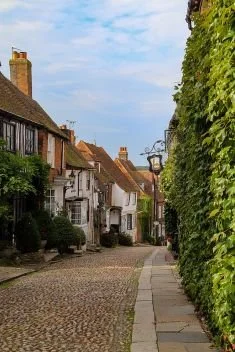
Rye & 1066 Country
Medieval streets, fishing heritage and the landscapes that shaped the Norman Conquest.

Brighton & the central coast
Regency architecture, creative culture, seafront energy and easy access to the South Downs.
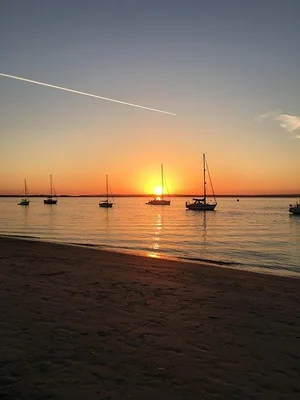
Chichester Harbour
Tidal creeks, saltmarsh, sailing villages and a quieter western finale around West Wittering.
Choose the right area
Which part of the Sussex coast should you visit?
The best part of the Sussex coast will depend on whether you are looking for dramatic scenery, historic towns, sandy beaches, seaside culture or quieter places to walk.
Beachy Head & the Seven Sisters
Choose Beachy Head, Birling Gap, Cuckmere Haven and the Seven Sisters for towering chalk cliffs, open downland and some of southern England’s strongest coastal views.
Rye, Battle, Lewes, Arundel & Chichester
These towns combine medieval streets, castles, cathedral heritage, independent shops and centuries of Sussex history.
Eastbourne, Worthing, Bognor Regis & Littlehampton
Visit these coastal towns for promenades, piers, beaches, gardens and a more traditional English seaside experience.
Brighton & Hove
Brighton offers the widest choice of restaurants, shopping, entertainment and cultural attractions, while neighbouring Hove has a calmer seafront atmosphere.
Seaford, Shoreham & Chichester Harbour
Explore quieter beaches, riverside walks, tidal creeks, sailing villages and less-developed sections of the Sussex coastline.
Camber Sands & West Wittering
These are two of the strongest choices for broad sandy beaches, dunes, coastal walks and open shoreline views.
Battle, Pevensey, Lewes & Arundel
Combine Battle Abbey, Pevensey Castle, Lewes Castle and Arundel Castle for Roman, Norman, medieval and later Sussex history.
Cuckmere Haven, Seaford Head & the South Downs
The Seven Sisters, Beachy Head, Cuckmere Haven, Seaford Head and Chichester Harbour offer some of the best walking opportunities on the Sussex coast.
How many days do you need to explore the Sussex coast?
A single day is enough to experience one small area, but not the entire coastline.
One day
Choose one focused combination, such as Rye and Camber Sands; Hastings and Battle; Eastbourne and Beachy Head; Seven Sisters and Cuckmere Haven; Brighton and Hove; Arundel and Littlehampton; Chichester and Bosham; or West Wittering and Chichester Harbour.
Two or three days
A long weekend allows you to explore either East Sussex or West Sussex without trying to cover everything. You could combine Rye, Hastings and the Seven Sisters in the east, or Brighton, Arundel, Chichester and West Wittering further west.
Four to seven days
A week gives enough time to include the best-known coastal places alongside historic towns and sections of the South Downs. It also allows time for walks and slower stops rather than moving every few hours.
More than one week
A longer holiday makes it possible to use two or three bases and experience the contrast between eastern and western Sussex properly. You can also add longer walks, castle interiors, quieter villages and full beach days.
Planning a trip along the Sussex coast
Although many Sussex destinations work as separate day trips, travelling between them reveals how varied the county really is.
The eastern coast offers medieval towns, 1066 history and dramatic chalk scenery. Brighton provides an energetic midpoint before the landscape becomes quieter around Arundel, Chichester Harbour and West Wittering.
Distances may appear short on a map, but travel can take longer than expected because of traffic, town-centre congestion, rural roads and time spent finding parking.
Avoid trying to visit too many places in one day. Two principal stops, plus one shorter viewpoint or walk, will usually create a more enjoyable experience.
Continue exploring
Sussex, Kent and wider coastal road trip inspiration
Save with a coastal bundle
Combine Sussex with the Kent coast

South East Heritage Coast
Combine the Sussex Coast Road Trip with the Kent Coast Road Trip for a longer journey through Seven Sisters, Brighton, Canterbury, Thanet, the White Cliffs and the Cinque Ports.
Get the bundleFrequently Asked Questions
Planning a visit to the Sussex coast
What are the best places to visit on the Sussex coast?
Some of the best places include Rye, Hastings, Beachy Head, Birling Gap, Seven Sisters, Cuckmere Haven, Brighton, Arundel, Chichester Harbour and West Wittering. Each offers a different combination of history, scenery, seaside culture and walking.
What are the best things to do on the Sussex coast?
Popular things to do include walking around the Seven Sisters, exploring Rye and Hastings Old Town, visiting Brighton’s seafront and Royal Pavilion, seeing Arundel Castle, walking around Chichester Harbour and spending time on the beaches at Camber Sands or West Wittering.
What is the most scenic part of the Sussex coast?
The chalk coastline around Beachy Head, Birling Gap, Seven Sisters and Cuckmere Haven is generally considered the most dramatic. Chichester Harbour offers a gentler but equally distinctive landscape of tidal creeks, villages and saltmarsh.
Which Sussex coastal towns are best for a weekend?
Brighton is best for culture, restaurants and nightlife. Eastbourne suits a more traditional seaside break with access to the cliffs. Rye and Hastings work well for history and character, while Chichester is a good base for combining heritage with the harbour and West Wittering.
Where can you see the Seven Sisters?
Popular viewpoints include Seaford Head and Cuckmere Haven. Birling Gap also provides access to the coastline and views from closer to the cliffs. Visitors should remain well back from cliff edges and follow current safety guidance.
Are there sandy beaches in Sussex?
Yes. Camber Sands in East Sussex and West Wittering in West Sussex are two of the best-known sandy beaches. Much of the remaining Sussex coast consists of shingle beaches, chalk cliffs or harbour landscapes.
Is Brighton the best place to stay on the Sussex coast?
Brighton is convenient for restaurants, nightlife, public transport and cultural attractions. However, Eastbourne may be better for the Seven Sisters, Rye for eastern Sussex, and Chichester for the western harbour and West Wittering.
Can you explore the Sussex coast without a car?
Several major towns, including Brighton, Eastbourne, Hastings, Worthing and Chichester, have railway connections. Buses also serve some coastal areas. However, a car provides greater flexibility for reaching villages, viewpoints and more rural parts of the South Downs and Chichester Harbour.
How long is the Sussex Coast road trip?
The connected Uncover Britain Sussex Coast Road Trip covers approximately 140 miles or 225 kilometres between 1066 Country and West Wittering, with inland detours to historic towns, castles and the South Downs.
Is the Sussex coast suitable for campervans and motorhomes?
Sussex can be explored by campervan or motorhome, but larger vehicles require careful planning. Narrow village roads, town-centre access, height restrictions, busy car parks and overnight parking rules should all be checked before travelling.
When is the best time to visit the Sussex coast?
Late spring and early autumn often provide a good balance of daylight, milder weather and fewer crowds. Summer is best for beach visits but can be extremely busy. Winter can offer quieter towns and dramatic coastal views, although daylight is limited and exposed walking routes may be unsuitable in poor weather.
Plan your complete Sussex coast journey
Follow approximately 140 miles from Rye and 1066 Country through the Seven Sisters, Brighton and the South Downs to Arundel, Chichester Harbour and West Wittering, with flexible digital planning support.
Buy the Sussex Coast Road Trip Guide — £12.99
Source: https://www.uncoverbritain.com
Copyright Uncover Britain Ltd. You may not reproduce without permission.