


Customisable and Live Navigation via Google Maps –
click here:
Or use the links to jump to the destinations in the guide below
Loch Lomond →
Balloch →
Inveraray →
Oban
Approx distance: 80 miles (130 km), approx. drive time: 2 hours 30 mins
The Road into the Highlands
Every journey into the west of Scotland has a moment where the landscape quietly changes character.
This chapter is that transition.
You begin on the edge of the Lowlands, where roads are still busy and distances still feel familiar. But as you move north and west, the land starts to open out. Water replaces fields. Hills become mountains. The road begins to follow lochs rather than cut across land.
From the shores of Loch Lomond, the route climbs into Glen Croe, crosses the famous Rest and Be Thankful pass, and drops into Argyll, where long sea lochs reach deep into the landscape and castles sit above the water. From here, you follow Loch Fyne to Inveraray, then continue north through the dramatic corridor of Loch Awe, passing ruined castles, hidden churches and mountain engineering projects, before finally reaching the harbour town of Oban — the gateway to the islands.
This is not a chapter of big-ticket spectacle. It is a chapter of arrival.
It’s about watching Scotland slowly become more spacious, more mountainous, more maritime and more elemental. It sets the pace for everything that follows, and it teaches you how to travel this coast properly: unhurried, observant, and led by the landscape rather than the clock.
Loch Lomond - The Great Highland Threshold
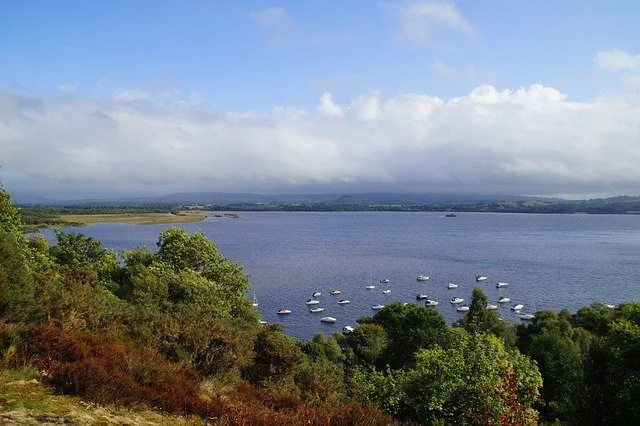
Loch Lomond is where the journey into Scotland’s west truly begins.
Stretching north into the Highlands and framed by rising hills and wooded islands, it marks the moment where the landscape starts to open out and slow down. Fields give way to water, distances begin to feel bigger, and the road starts to follow the shape of the land rather than cutting across it.
This is one of Scotland’s most famous and beautiful lochs, but it is also something more important in the context of this road trip: it is the threshold between Lowland Scotland and the Highlands. It’s the place where you stop rushing, start looking, and begin to travel differently.
One of Scotland’s most iconic and beautiful lochs
The natural starting point for a journey into the Highlands
Superb short walks, viewpoints and boat trips
A powerful sense of space, water and changing landscape
Easy access to Highland scenery without immediate remoteness
A chance to reset your pace before heading west
What to See & Do
Boat Trips on Loch Lomond - seeing the loch from the water is one of the best ways to understand its scale, islands and changing light. Several operators run scenic cruises from different points around the shore.
Conic Hill - One of the best short walks in the southern Highlands and part of the West Highland Way. The view over the islands and the southern end of the loch is outstanding and gives a true sense of Highland scale.
The West Highland Way (southern section) - Scotland’s most famous long-distance footpath begins here. Even a short section gives a real feel for the landscape and the journey north.
Eastern & Western Shores - Both sides of the loch offer quiet roads, small beaches, woodland walks and viewpoints. The drive itself is part of the experience.
The Trossachs (nearby) - Forests, lochs and scenic passes nearby make this an excellent area for short detours and extra walks before committing to the westward journey
-
Loch Lomond has long formed a natural boundary between the Lowlands and the Highlands. Its shores and islands have been settled for thousands of years and later lay on the shifting frontier between Highland clans and central authority. In the 18th and 19th centuries, the loch became one of Scotland’s first major tourist landscapes, celebrated in poetry, painting and literature, and helped define the romantic image of the Highlands.
-
Loch Lomond sits at the heart of Loch Lomond & The Trossachs National Park, one of Scotland’s most varied and accessible protected landscapes. The park combines lochs, forests, mountains and glens, and is often described as the natural bridge between the Lowlands and the Highlands.
From the southern end of Loch Lomond, you can explore wooded hills, quiet loch shores and classic Highland viewpoints without committing to long or difficult journeys. Scenic drives such as the Duke’s Pass offer some of the most beautiful road views in central Scotland, while well-marked walking routes range from gentle woodland strolls to short summit climbs like Conic Hill and Ben A’an.
The park is also rich in history and legend, closely associated with Rob Roy, early Highland culture and the birth of Scottish tourism in the 18th and 19th centuries. Whether you spend a few hours or a full day here, the Trossachs provide a perfect introduction to the landscapes, pace and atmosphere of western Scotland.
Lace up your hiking boots and hit the park's network of trails, ranging from easy strolls to challenging hikes. Popular routes include the West Highland Way, Ben A'an, and Conic Hill, each offering stunning vistas and opportunities to spot wildlife. Popular routes include the West Highland Way, Ben A'an, and Conic Hill, each offering stunning vistas and opportunities to spot wildlife.
Discover the park's rich history by visiting historic sites such as Doune Castle, Rob Roy's Grave, and the village of Aberfoyle. Learn about the area's legends and folklore at the Scottish Wool Centre.
-
Access:
The southern end of the loch is easily reached from Glasgow. Roads run along both eastern and western shores.Time Needed:
Allow half a day for a short visit, or a full day if walking or taking a boat trip.Facilities:
Facilities are concentrated around Balloch and several villages along the shore.
At the southern end of the loch, the journey naturally begins in Balloch — the main gateway village and the most practical place to start the road trip.
Balloch - Gateway Village to the Highlands
Balloch sits at the southern tip of Loch Lomond and acts as the main gateway into the Highlands and the Trossachs.
While Loch Lomond is about landscape and scale, Balloch is about access and beginnings. It’s where many journeys start: a place to park, pick up supplies, join a boat trip, or take your first steps along the shore before heading north and west.
It’s a busy, practical place rather than a wild one — but that’s exactly what makes it such a good starting point. From here, the road trip properly begins.
The main gateway town for Loch Lomond & the Trossachs
Excellent parking, facilities and visitor services
Starting point for boat trips on Loch Lomond
Access to Balloch Castle Country Park and shoreline walks
Easy to reach by road and train
A convenient place to start or end your first day
What to See & Do
Loch Lomond Shores - The main visitor hub with parking, cafés, shops, toilets and easy access to the shoreline. Also offers boat trips, short walks and visitor facilities. Visit one of the visitor centres, such as the David Marshall Lodge or the Loch Lomond Shores Visitor Centre, to learn more about the park's ecology, geology, and cultural heritage.
Balloch Castle and Country Park - A large wooded park above the village with woodland trails, open lawns and excellent viewpoints over the loch. Ideal for a gentle walk or picnic.
Shoreline Walks - Easy, flat walking along the southern end of the loch — a good place to stretch your legs after travelling.
Boat Trips - Several operators run cruises from Balloch, ranging from short scenic loops to longer trips up the loch.
The Road into Argyll
Leaving Loch Lomond, the road climbs into Arrochar and Glen Croe, and the landscape quickly begins to narrow and rise. The crossing of the Rest and Be Thankful pass marks the real threshold into the Highlands — a historic mountain gateway and the first moment where the journey feels properly westward and wild.
-
The Rest and Be Thankful is one of Scotland’s most famous mountain passes and marks a true gateway into the Highlands. It sits on the old military road through Glen Croe, on the route between Loch Lomond and Inveraray, and has been used by travellers for centuries.
The name comes from an inscription placed here in the 18th century, encouraging weary travellers to “rest and be thankful” after the long climb out of the glen. From the viewpoint at the top, you can look back down Glen Croe and see exactly why this spot became such a symbolic stopping place.
More than just a scenic viewpoint, the pass represents a real geographical and emotional threshold: this is where Lowland Scotland is left behind and the Highlands properly begin. For many travellers, it is the first moment when the journey starts to feel truly wild, spacious and westward.
Cairndow & Loch Fyne Oyster Bar
Shortly after descending from the Rest and Be Thankful pass, the road meets Loch Fyne for the first time at Cairndow. This is where the journey shifts from mountain landscape to maritime west. The Loch Fyne Oyster Bar, sitting right on the shoreline, makes a perfect first stop by the water — whether for coffee, lunch, or simply to stretch your legs and take in the long, quiet views down the loch. It’s a simple but memorable moment: your first real encounter with Scotland’s great sea lochs.
The View Above Inveraray (Approach from the South)
As you drive north along Loch Fyne towards Inveraray, the road climbs slightly above the shoreline and gives you a wide, elevated view back down the loch, with Inveraray and the castle area coming into view ahead.
There isn’t one single grand “named” tourist viewpoint, but there are several safe lay-bys and pull-ins on the A83 just before Inveraray where:
You get a classic long view down Loch Fyne
The loch, hills and changing light really open up
It feels like a natural pause before entering the town
Inveraray - A Planned Highland Town on Loch Fyne
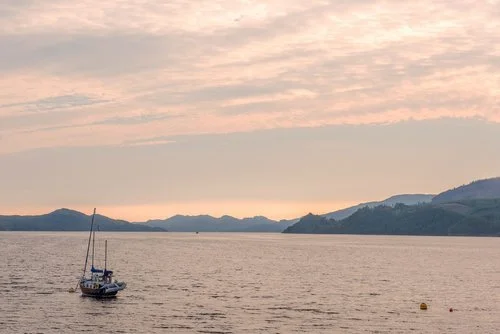
Inveraray sits on the western shore of Loch Fyne, Scotland’s longest sea loch, and feels like the first proper Highland town of the journey.
Arriving here is part of the experience. After the long drive along the loch, the road drops down from the hillside with wide views across the water before bringing you into a town that feels unusually elegant and deliberate for this part of the Highlands. That’s because Inveraray was planned in the 18th century by the Dukes of Argyll, rather than growing slowly and organically like many Highland settlements.
With its castle, harbour, historic jail and neatly laid-out streets, Inveraray combines Highland scenery with real architectural presence. It’s an excellent place to slow the pace, explore on foot, and make your first deeper connection with the history, clans and landscapes of western Scotland.
One of the most attractive and distinctive small towns in the Highlands
Home to Inveraray Castle, one of Scotland’s great stately homes
A strong historical anchor for Argyll and clan Campbell history
Beautiful setting on Loch Fyne with harbour and shoreline walks
A good overnight stop or longer pause in the journey
Excellent base for exploring Loch Awe, Ben Cruachan and the surrounding area
What to See & Do
Inveraray Castle – The ancestral seat of the Duke of Argyll and one of the most impressive stately homes in Scotland. The interiors are richly furnished, and the surrounding gardens and parkland make it a major highlight of the west coast journey.
Inveraray Jail – A former 19th-century jail and courthouse, now a living museum that brings to life the harsh realities of historic prison and court life, including the stories of child prisoners and public punishment.
Inveraray Bell Tower – A landmark on the waterfront that you can climb for excellent views over the town, Loch Fyne and the surrounding hills.
Inveraray Cross – A late medieval cross standing on the harbour front, often overlooked but a reminder of the town’s much older roots before its 18th-century rebuilding.
Loch Fyne Whiskies – One of the best specialist whisky shops in Scotland, with a huge selection of single malts, blends and rare bottles, plus expert advice and tastings.
Dun na Cuaiche Watchtower Walk – A rewarding hill walk above the town leading to a small watchtower with superb views over Inveraray and Loch Fyne.
Aray Bridge – An elegant 18th-century stone bridge designed by Robert Mylne, forming part of the planned landscape around the town.
Loch Fyne Oyster Bar (nearby) – Located a short drive south at Cairndow, this famous seafood restaurant and deli is a classic stop for lunch or for picking up local produce.
-
Inveraray is a former royal burgh and was largely rebuilt in the mid-18th century by the 3rd Duke of Argyll as a planned town to replace the older settlement nearby. It became the ceremonial and administrative centre of the Campbell clan, one of the most powerful families in Highland history. The castle, harbour and grid-pattern streets reflect Enlightenment-era ideas about order, improvement and display, making Inveraray unusually elegant and coherent compared to many Highland towns.
-
Parking:
Public car parks near the waterfront and town centre, plus parking at Inveraray Castle and the jail.Time Needed:
Allow half a day for the main sights, or a full day if visiting the castle, jail and taking a walk.Facilities:
Cafés, shops, restaurants, toilets, accommodation and visitor services all in the town.Seasonality:
Inveraray Castle and some attractions are seasonal (generally open spring to autumn).
Inveraray Castle - The Heart of Argyll and the Seat of the Dukes of Argyll
Standing just outside the town on the shores of Loch Fyne, Inveraray Castle is one of the great stately homes of Scotland and the ancestral seat of the Duke of Argyll, chief of Clan Campbell.
Unlike many castles that grew in stages over centuries, Inveraray Castle is a grand, unified 18th-century vision, designed to project power, order and prestige at the heart of the Highlands. With its distinctive turrets, pale stone walls and dramatic setting between loch and hills, it dominates both the landscape and the story of Inveraray itself.
Inside, the castle is as impressive as its exterior, combining lavish state rooms, historic collections and clan history into a visit that easily stands on its own as a half-day highlight of the journey.
-
Inveraray Castle is usually open seasonally, typically from spring to autumn, with opening days and hours varying through the year. It’s best to check opening times in advance, especially outside peak summer months.
There is a large visitor car park near the castle entrance, along with a ticket office, café and shop. Visits are self-guided through the main rooms, with clear interpretation throughout. The surrounding gardens and parkland are included in the visit and are well worth allowing time to explore.
Allow 2–3 hours for a full visit to the house and grounds. The castle is an easy walk or short drive from the centre of Inveraray.
-
The castle’s state rooms are the main focus of the visit, featuring grand halls, ornate ceilings, period furniture and historic portraits connected to the Campbell family and Scottish history.
The Armoury Hall is one of the most dramatic spaces, filled with weapons and ceremonial arms arranged in striking displays.
Outside, the castle gardens and parkland offer riverside walks, woodland paths and open lawns with views back to the building and across the surrounding landscape.
There is also a café and shop on site, making this a good place to pause for refreshments as part of your time in Inveraray.
-
One of the highlights is the Armoury Hall, with its spectacular arrangement of historic weapons and arms displayed in decorative patterns across the walls — one of the finest rooms of its kind in Scotland.
Look out for the fine ceilings and plasterwork in the state rooms, as well as the collection of portraits and furnishings that reflect the power and influence of the Campbell family over several centuries.
The castle also holds a range of ceremonial objects, historic artefacts and clan-related items, which together help tell the story of Argyll, the Campbells, and their central role in Highland and Scottish history.
Beyond Inveraray, the route continues north along Loch Awe, passing Kilchurn Castle, which stands at the head of Loch Awe, this atmospheric ruined castle sits right on the water’s edge and is one of the most photographed and striking landmarks on the entire drive, often reflected perfectly in the loch on calm days. St Conan’s Kirk is one of the most unusual and unexpectedly impressive churches in Scotland, this eccentric building on the shore of Loch Awe combines multiple architectural styles and feels more like a small cathedral than a rural parish church.
You’ll pass the slopes of Ben Cruachan, where the mountain itself hides the vast underground Cruachan Power Station (see accordion), before reaching the coast again at Oban. A detour through Kilmartin Glen (see accordion) adds one of Scotland’s richest prehistoric landscapes for those with time.
-
Hidden deep inside Ben Cruachan, Cruachan Power Station is one of the most remarkable pieces of engineering in the Scottish Highlands. Often called “The Hollow Mountain”, it is a vast underground hydroelectric power station carved directly into the rock.
Visitors can take guided tours that descend into the mountain to see the enormous turbine hall and learn how the station works as a pumped-storage system, using surplus electricity to pump water uphill and releasing it again to generate power when demand is high.
The visit offers a fascinating contrast to the surrounding wild landscape, revealing a hidden, industrial world beneath one of Argyll’s most impressive mountains. It’s an unexpectedly memorable stop that combines engineering, landscape and scale in a uniquely dramatic way.
-
Rising to 1,126 metres, Ben Cruachan is one of the finest and most distinctive Munros in the southern Highlands and a landmark throughout this part of Argyll. Its pointed summit towers above a ring of rocky satellite peaks and offers wide, dramatic views over Loch Awe, the surrounding glens and, on clear days, far into the western Highlands.
For experienced walkers, one of the most rewarding routes is the ridge circuit via Stob Diamh, which creates a spectacular high-level loop of around 8.5 miles around the Cruachan reservoir. This is a serious mountain walk rather than a casual stroll, but it delivers one of the best combinations of scenery, scale and drama in this part of Scotland. Even if you’re not climbing it, Ben Cruachan dominates the landscape and adds to the sense of mountain grandeur along this section of the route.
-
This area offers an array of walking and hiking opportunities for outdoor enthusiasts. Explore the scenic surroundings of Inveraray on foot, with numerous walking and hiking trails available in the area. Enjoy leisurely strolls along Loch Fyne or more challenging hikes in the nearby hills and woodlands.
Explore the scenic trails around Inveraray Castle, the iconic ancestral home of the Duke of Argyll, and take in the breathtaking views of Loch Fyne. Wander along the shores of the loch, where tranquil paths meander through lush woodlands and offer glimpses of local wildlife.
For more adventurous hikers, the nearby hills and mountains provide ample opportunities to conquer challenging peaks and enjoy panoramic vistas of the surrounding countryside. Climb to the summit of Dun na Cuaiche for sweeping views of Inveraray and its surroundings, or tackle the rugged terrain of the Arrochar Alps for a more demanding trek.
Additionally, the nearby Argyll Forest Park boasts a network of hiking trails catering to all skill levels, with routes ranging from gentle woodland walks to strenuous mountain ascents. Immerse yourself in the natural beauty of the Scottish Highlands as you explore this enchanting wilderness.
-
Just west of the main route, Kilmartin Glen is one of the most important prehistoric landscapes in Britain and well worth a detour if you have the time. Within a relatively small area, you’ll find an extraordinary concentration of standing stones, burial cairns, stone circles, rock art and ancient fort sites, many dating back over 5,000 years.
This is not a single attraction but an entire ritual and ceremonial landscape, where the traces of Neolithic and Bronze Age life are still clearly visible in fields and hillsides. A visit here adds a completely different time-depth to the journey, connecting the dramatic Highland scenery to thousands of years of human history and belief.
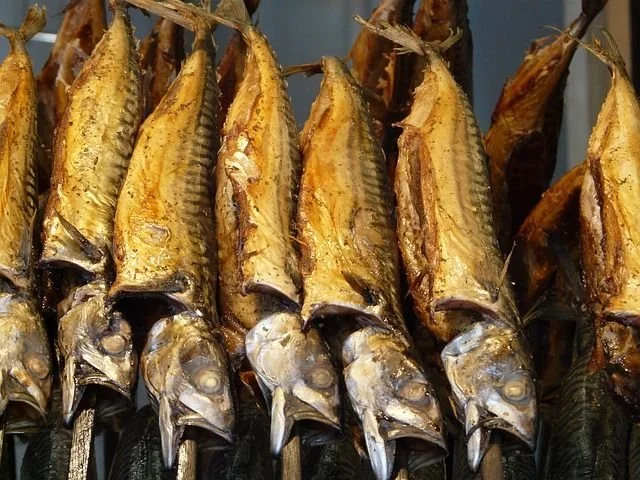
Inverawe Smokehouses
Inverawe Smokehouses is one of the most renowned smokehouses in Scotland and holders of the Royal Warrant and produces award-winning Scottish smoked salmon. Smokehouse products are known for their gorgeous smoky, full-bodied flavour. Smoking is one of the oldest ways of preserving foods and at Inverawe Smokehouses this ancient art continues in the traditional smokehouse design. This a great opportunity to shop for souvenirs as well as pick up food for your road trip!
Bonaware Iron Furnace
Established in 1753, the Bonawe Iron Furnace ceased operations in 1870 but still stands today, offering a glimpse into the process of making pig iron and the production of cannonballs used in the Napoleonic Wars. Situated at the head of Loch Etive amidst the Argyll woodland, it remains Britain's most intact charcoal-fueled ironworks.
Visitors can explore each phase of iron production at the furnace, including the impressive charcoal sheds resembling cathedrals. Additionally, a visit to the nearby Glen Nant National Nature Reserve provides an opportunity to stroll through the oak woods that once supplied fuel to Bonawe, offering a serene natural setting to complement the historical experience.
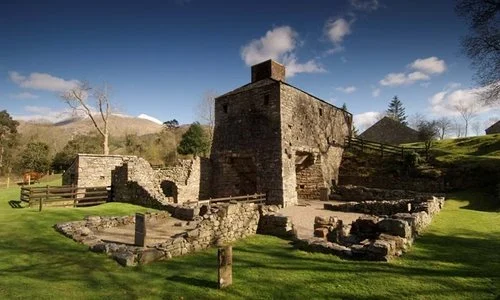
Image copyright: Bonware Iron Furnance
Oban - Gateway to the Isles
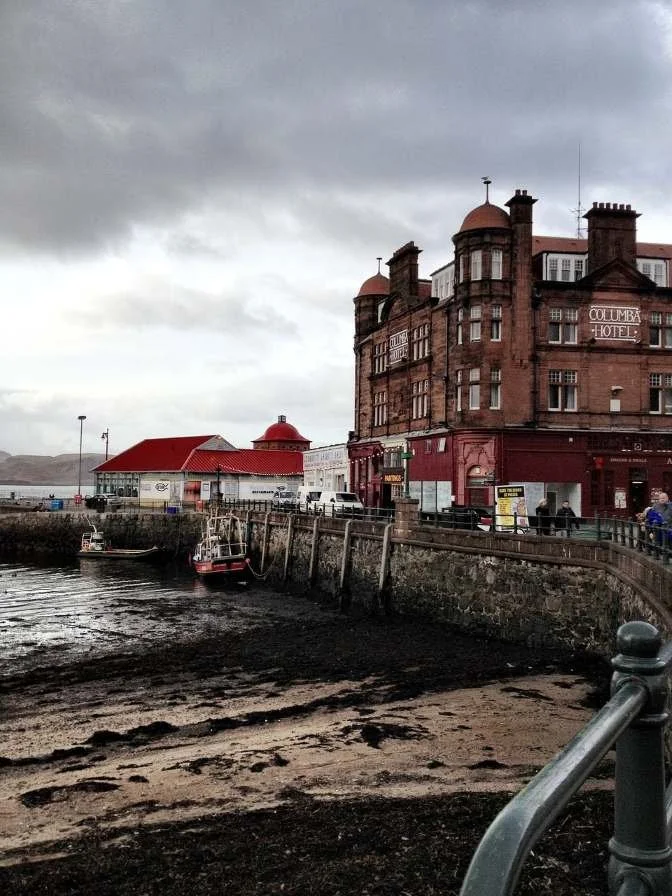
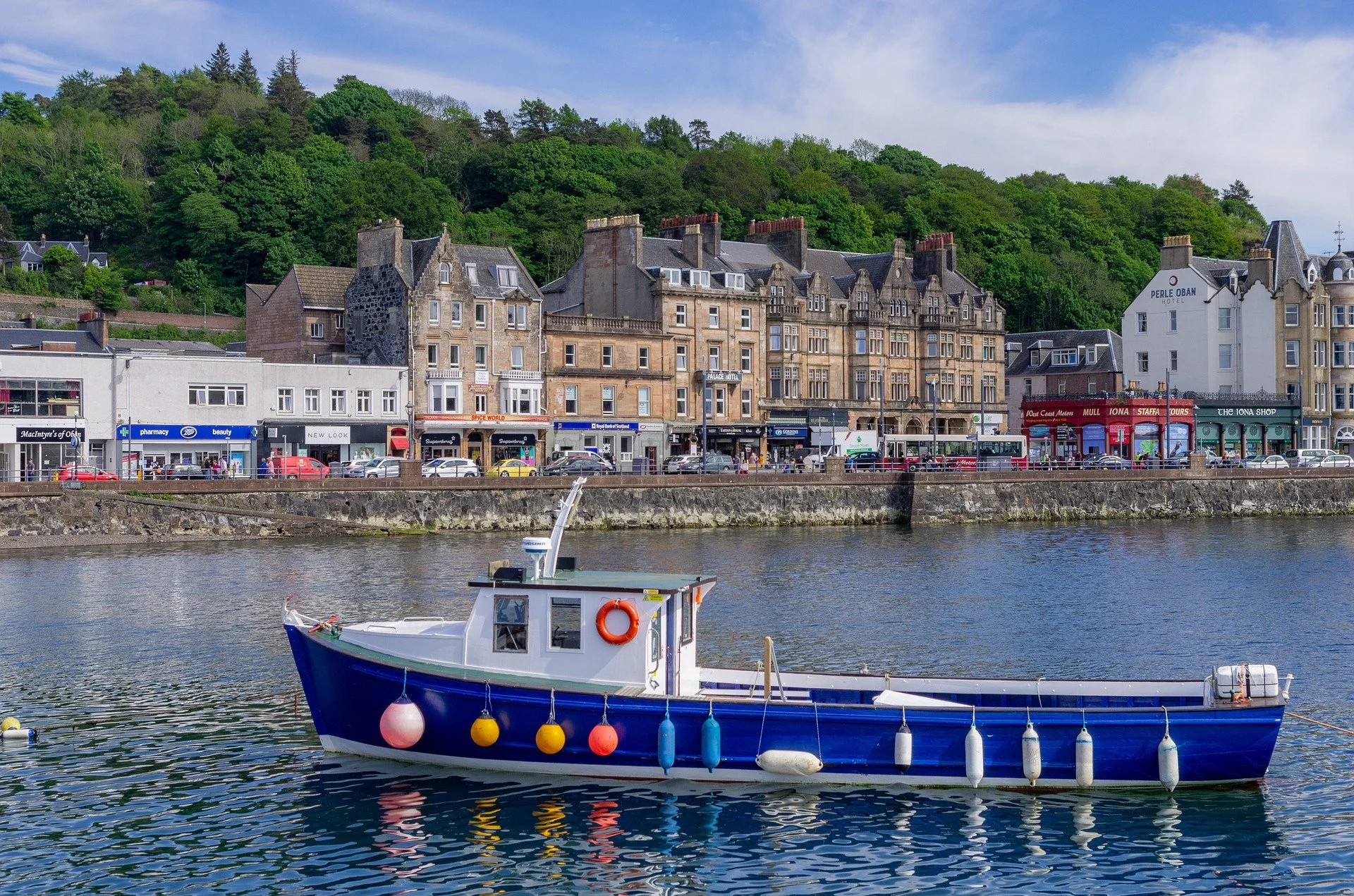
Oban sits on a wide, sheltered bay on Scotland’s west coast and marks a major turning point in the journey. After the lochs, glens and inland landscapes of Argyll, this is where the road finally meets the open sea — and where the islands begin to feel close.
With its busy harbour, ferries, waterfront views and hills rising behind the town, Oban feels both lively and dramatic. It is not just a place to pass through, but a proper coastal hub with history, viewpoints, castles, beaches and one of Scotland’s most famous distilleries.
For many travellers, Oban is where the journey changes from a Highland road trip into a maritime adventure.
The main gateway to the Hebridean islands, including Mull and beyond
A lively harbour town with strong coastal character
Excellent viewpoints, short walks and waterfront scenery
Home to Oban Distillery, one of Scotland’s classic single malts
Surrounded by historic castles and coastal landscapes
A perfect place to pause, resupply, and prepare for the island stages of the journey
What to See & Do
McCaig's Tower – The great circular monument on Battery Hill overlooking the town, offering superb panoramic views across Oban Bay, the harbour and the surrounding islands. One of the best viewpoints on the west coast.
Oban Distillery – Founded in 1794, one of Scotland’s oldest distilleries, located right in the centre of town. Guided tours explain the whisky-making process and usually include a tasting of Oban’s distinctive single malt.
Dunollie Castle – A ruined castle just north of the town, with roots going back to the early medieval period. It sits in a beautiful position above the bay and is closely linked to the history of Clan MacDougall.
Dunstaffnage Castle – A major stone fortress a short drive north of Oban, dramatically placed on a rocky promontory overlooking the Firth of Lorn. One of the oldest stone castles in Scotland and long associated with Highland power struggles and rebellion. See accordion below.
Oban War and Peace Museum – A small but excellent museum near the harbour, telling the story of the town’s maritime, military and social history.
Ganavan Sands – A beautiful sandy beach just outside Oban, ideal for a coastal walk, a quiet break from the town, and views across the bay and islands.
Oban Chocolate Company – A small, popular chocolate workshop and shop where you can watch chocolates being made and sample locally produced treats.
Boat Trips & Wildlife Tours – Oban is one of the best bases on the west coast for wildlife-watching boat trips, with regular chances to see seals, dolphins, seabirds and sometimes whales. See accordion below.
-
Oban grew from a small fishing and trading settlement into a major harbour during the 18th and 19th centuries, helped by the rise of steamship travel and tourism to the Highlands and islands. Its sheltered bay made it a natural port, and today it remains one of the most important ferry hubs on Scotland’s west coast. The town’s name comes from the Gaelic for “little bay”, and its history is closely tied to fishing, maritime trade, tourism and the opening up of the western Highlands.
-
The west coast of Scotland played a crucial role in the Jacobite risings, especially during the final and most famous rebellion of 1745, when Bonnie Prince Charlie attempted to reclaim the British throne.
After his defeat at Culloden, the prince became a fugitive, moving through the Highlands and islands with help from local supporters. One of the most famous episodes is his escape with the help of Flora MacDonald, who helped him flee to Skye disguised as her maid.
Dunstaffnage Castle is traditionally linked to this story, and the wider area around Oban, Mull and Skye was deeply involved in these events. Visiting these places adds a powerful historical layer to the journey, connecting today’s peaceful landscapes with a time of rebellion, pursuit and political upheaval that reshaped the Highlands forever.
-
Oban is an excellent town to explore on foot, with most of its main sights clustered around the harbour and rising hills behind the waterfront. A simple walking route can link the harbour front, Oban Distillery, McCaig’s Tower and Dunollie Castle, combining town streets, coastal paths and hillside viewpoints into one rewarding half-day circuit.
Starting by the harbour, you can walk up to McCaig’s Tower for panoramic views across the bay and islands, then descend towards the northern edge of town and continue out to Dunollie Castle. From here, coastal paths lead back towards the centre. It’s a varied walk that mixes history, scenery and atmosphere, and offers some of the best perspectives on Oban and its setting.
-
Parking:
There are several well-located public car parks in and around the town centre. The most convenient for exploring on foot are North Pier Car Park (right by the harbour and ferry terminal), Corran Halls Car Park (good for McCaig’s Tower and the town centre), and Longsdale Road Car Park (useful for the northern end of town and Dunollie Castle walks). In busy summer months, arriving earlier in the day makes parking much easier.Time Needed:
Allow half a day to see the main sights in town. A full day is more realistic if you plan to visit Oban Distillery, walk up to McCaig’s Tower, explore a castle, or take a boat trip or wildlife tour.Facilities:
Oban has one of the best ranges of facilities on the west coast, with plenty of cafés, seafood restaurants, bakeries, shops, supermarkets, outdoor stores, accommodation and visitor services clustered around the harbour and town centre.Ferries:
Oban is one of Scotland’s most important ferry ports, especially for sailings to Mull (Craignure) and other islands. Vehicle spaces and popular crossings sell out quickly in peak season, so booking ahead is strongly recommended if you are travelling with a car. -
Oban is one of the best places on Scotland’s west coast for boat trips and wildlife watching, thanks to the rich waters of the Firth of Lorn and the surrounding islands. A wide range of trips operate from the harbour, from short scenic cruises to longer wildlife and island-hopping excursions.
Depending on the season and conditions, you may see seals, dolphins, porpoises, seabirds and, occasionally, minke whales. Many trips also pass close to dramatic coastlines, sea stacks and castles, adding scenery to the experience as well as wildlife.
Trips vary from 1–3 hours or longer, and it’s best to book ahead in busy months. Even outside peak season, a boat trip from Oban is one of the most memorable ways to experience the west coast from the water rather than the road.
Where the Journey Goes Next
From Oban, the road trip reaches its first real fork in the story.
For those with time, this is where the journey turns outward and more exploratory, crossing by ferry to the Isle of Mull and then continuing into the wild, remote landscapes of the Ardnamurchan Peninsula — a world of white beaches, sea eagles, quiet roads and true edge-of-the-map scenery. Click here for Mull & Ardnamurchan Peninsula.
But if time is tight, you can continue straight on into the West Highlands, staying on the mainland and driving north towards Glencoe and Fort William, where the landscape rises sharply into some of the most dramatic mountain scenery in Britain. Click here for Skye & West Highlands.
Both routes lead eventually into the same great Highland heartland — but one takes the long, island-strewn way around, and the other moves directly into the mountains.
Uncover More Map
The Uncover More map highlights key points of interest, scenic viewpoints, hidden gems, and much more along the recommended route. To make the most of it, use the map in conjunction with the destination information, and explore additional options in the area you’re visiting to discover even more experiences.
If your iPhone doesn’t load via the Google Map App via the button, check out the Help page for how to update your phone or copy and paste the link into your browser: https://bit.ly/WCScotland-uncover
West Coast of Scotland Last updated: 26 January 2026
Some links may earn Uncover Britain a small commission at no extra cost to you. This helps support the ongoing creation, review and presentation of our road trip guides.
Route information and listings are provided for general guidance only. Always use your preferred navigation system and check official websites to confirm suitability, opening times and the latest details before travelling.
Our guides are reviewed regularly and supported by a mix of editorial research and digital tools to help keep content clear and up to date. If you spot anything that needs updating, we’re always glad to hear from you.