West Coast of Scotland Road Trip: Argyll, Mull, Skye & the Atlantic Highlands

A complete West Coast of Scotland road trip, covering approximately 480 miles (770 km) through sea lochs, islands, Atlantic peninsulas and Highland mountain landscapes.
Structured into four coherent regions — Argyll & the Sea Lochs, the Inner Hebrides, the West Highlands, and the Isle of Skye — allowing you to travel it in sections or as one longer journey.
Designed for real-world planning, with 12 core destinations, ferry crossings, scenic drives, and hundreds of references, balancing iconic highlights with quieter coastal and inland routes.

✓ Digital travel guide ✓ 12 months' access ✓ No app download required ✓ Instant access after purchase
✓ Ideal for cars, motorhomes & campervans ✓ Covers road trips from 3–14+ days

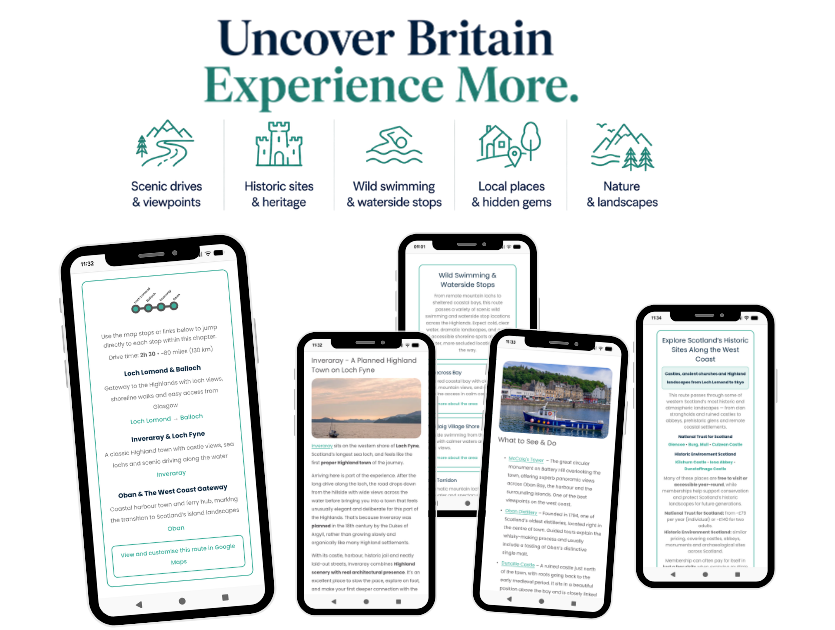
✓ Suggested flexible routes & highlights in a guidebook ✓ Supports inspiration, not fixed itineraries
✓ Helpful links & tips ✓ Flexible self-guided travel companion – no rigid route planning  

Experience the West Coast of Scotland

A Journey Through Sea Lochs, Islands & Mountain Landscapes
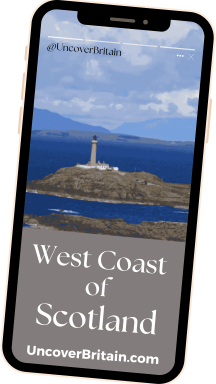
West Coast of Scotland flexible itinerary covering Argyll, Mull, Skye and the West Highlands

The West Coast of Scotland is one of the most varied and complex landscapes in Britain. Unlike a simple coastal drive, this is a region made up of long sea lochs, deeply indented coastlines, islands, peninsulas and mountain barriers, where travel naturally falls into distinct stages and where distances often take longer than they look on a map.

This road trip has been designed as a coherent, end-to-end journey that connects the most important parts of Scotland’s western seaboard into a single, logical route. It begins around Loch Lomond and Argyll, follows the coast north and west to Oban, branches out to the Isle of Mull and the Ardnamurchan peninsula, then returns to the mainland to continue through Glencoe and Fort William before crossing to the Isle of Skye and finishing in Plockton.

Rather than treating these as separate trips, the guide brings them together into one continuous story of the west coast.

Argyll & the Sea Lochs — The Road into the Highlands

A gentle journey into the west, following sea lochs and forested shores through castles, quiet towns and growing Highland scale, from Loch Lomond to Oban.

Mull & Ardnamurchan — Islands, Peninsulas & the Broken Coast

A more exploratory world of ferries, big skies, white beaches and remote roads, where the coast breaks into islands and long, wild peninsulas.

Skye & the West Highlands — Mountains, Cliffs & the Big Landscapes

The dramatic finale: Glencoe, Ben Nevis and the Isle of Skye, with towering mountains, vast spaces and some of Britain’s most powerful scenery.

What You’ll Experience Along the Way

Loch Lomond & Argyll

Sea lochs, castles, forests and the gradual opening into Highland scale.

Inveraray & Oban

Historic towns, harbours and gateways to the west.

The Isle of Mull

Big skies, wildlife-rich waters, Tobermory’s harbour and wide open landscapes.

Ardnamurchan

One of mainland Britain’s most remote and unspoilt peninsulas.

Glencoe

Towering mountain walls, deep passes and some of Scotland’s most dramatic scenery.

Fort William & Ben Nevis

The heart of the West Highlands and Britain’s highest mountain.

The Isle of Skye

The Cuillin, the Trotternish peninsula, cliffs, waterfalls and vast empty spaces.

Plockton

A calm, beautiful west coast village and a perfect place to end the journey.
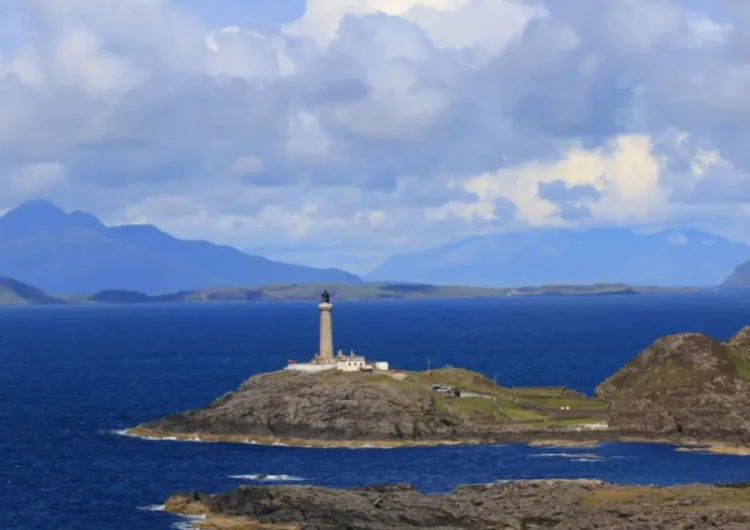
Remote Peninsulas and End-of-the-Road Places on Scotland’s west coast

Remote Peninsulas & End-of-the-Road Places
Some of the most memorable parts of this journey are the places where the road simply ends. Nowhere captures this better than Ardnamurchan, one of the most remote parts of mainland Britain, reached by long, narrow roads and rewarded with huge skies, empty bays and the lonely Ardnamurchan Lighthouse. These are landscapes of commitment rather than convenience, where travelling somewhere means choosing to go there — and where the sense of space, silence and distance from modern life becomes part of the experience.

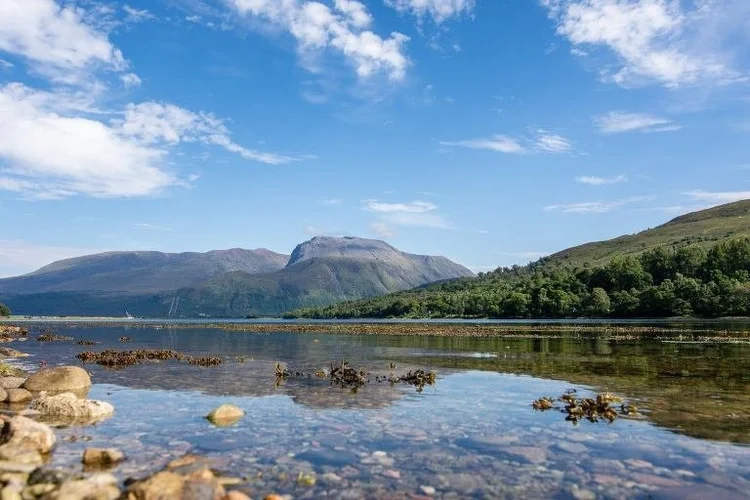
Glencoe, Ben Nevis and the great mountain passes of the West Highlands

Glencoe, Ben Nevis & the Great Mountain Passes
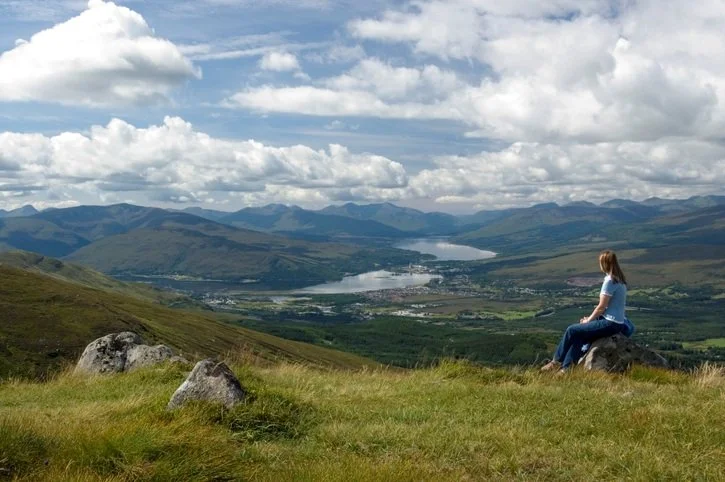
Few places in Britain feel as powerful as Glencoe, where towering mountain walls rise straight from the valley floor and the road passes through a vast natural amphitheatre of rock and light. Nearby Fort William sits in the shadow of Ben Nevis, Britain’s highest mountain, while surrounding passes and glens offer some of the most dramatic driving and walking scenery in the country. This is the heart of big mountain Scotland — a landscape shaped by ice, geology and weather, and one of the visual highlights of the entire journey.

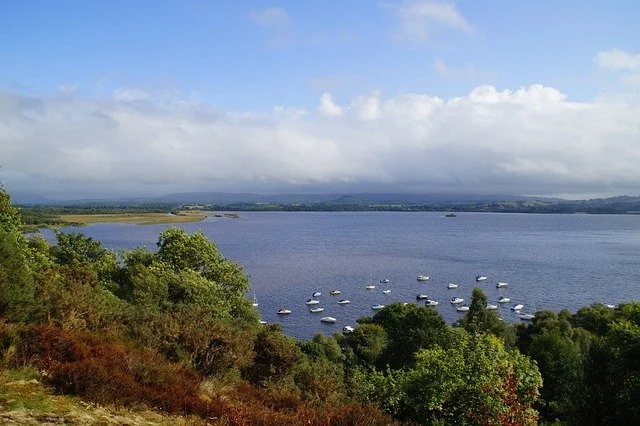
Sea lochs and coastal roads of the West Highlands

Sea Lochs & Coastal Roads of the West Highlands

From the shores of Loch Lomond and Loch Fyne to the long sea lochs of Argyll, Scotland’s west coast is defined by roads that follow water rather than cut across land. The drive past Inveraray Castle, along Loch Awe, and north towards Oban is one of the great scenic introductions to the Highlands. Further north, roads around Glencoe and Fort William cling to mountains and loch edges, delivering a journey of constant reflection, sudden viewpoints and classic Highland scenery that rewards slow, unhurried travel.

Big skies, changing weather and dramatic light on Scotland’s west coast

Big Skies, Weather & Changing Light

From the sea lochs of Argyll to the mountains of Glencoe and the ridges of Skye, the west coast is a place where light and weather constantly transform the landscape. The same view can look calm, dramatic or otherworldly within minutes. Mist around Ben Nevis, sunlight breaking over the Cuillin, or storms rolling in from the Atlantic near Mull all create a sense that the landscape is alive and shifting. For photographers and lovers of atmosphere, this is one of the most visually dynamic regions in Britain. Don’t forget to look up – it’s the ultimate dark sky region for perfect star gazing.

Walking and hiking in the landscapes of the West Highlands and Skye

Walking & Hiking in Iconic Landscapes
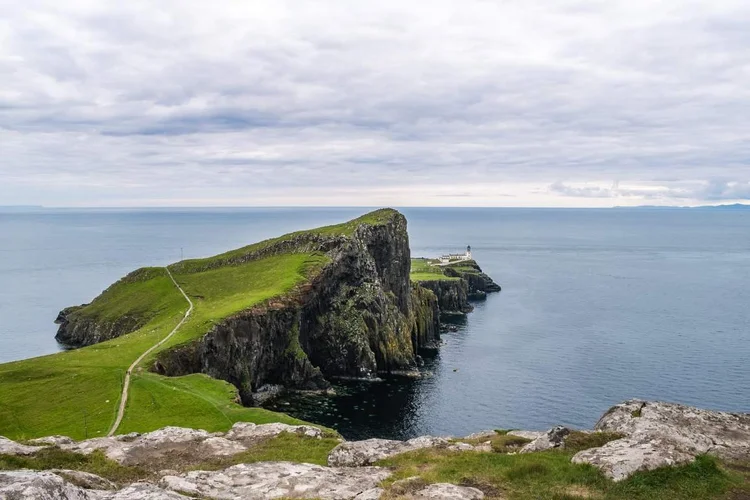
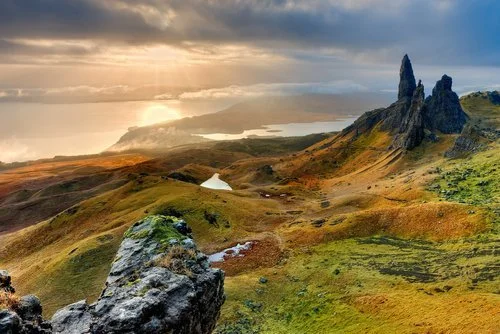
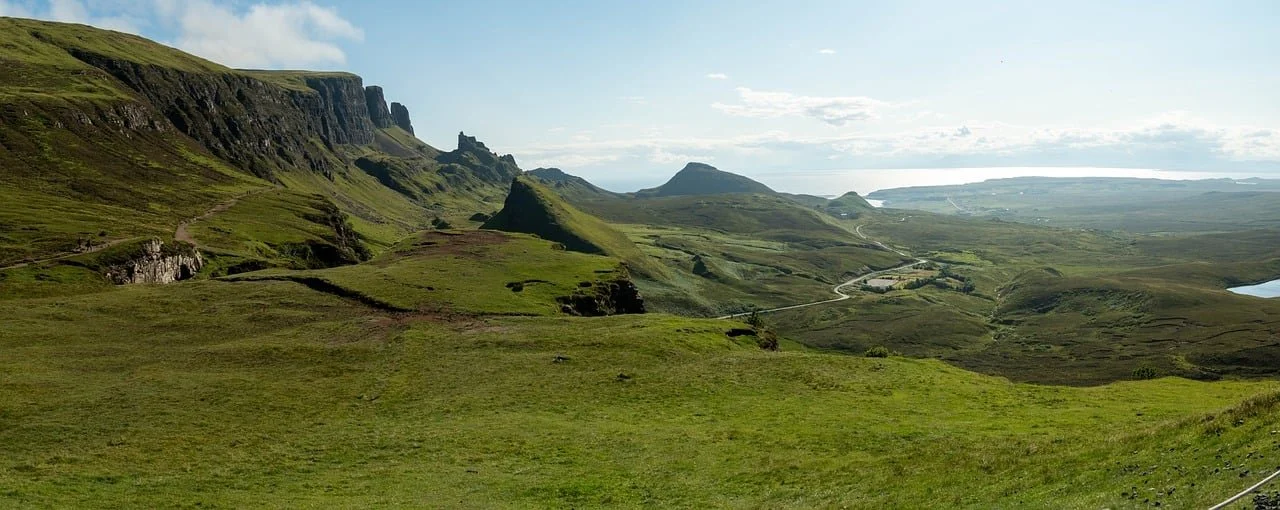
Walking is one of the best ways to experience the west coast’s scale and variety. From short walks around Glencoe and the foothills of Ben Nevis, to coastal paths on Mull and dramatic ridge walks on Skye near the Old Man of Storr or the Quiraing, the range of options is enormous. You don’t need to be a mountaineer to enjoy it — even gentle walks here often deliver extraordinary scenery, huge views and a powerful sense of space and remoteness.

Wildlife watching on Scotland’s west coast including eagles, seals and otters

Wildlife Watching: Eagles, Otters, Seabirds & Seals

The west coast of Scotland is one of the best regions in Britain for wildlife watching, both on land and at sea. Mull is famous for white-tailed eagles, while seals and otters are often seen around sea lochs and quiet bays. On Skye, places like Neist Point are renowned for seabirds and dramatic coastal wildlife, as well as for watching dolphins and whales offshore in the right conditions. This is not a staged experience, but a genuine sense of sharing space with wild animals in their natural environment.

Castles on cliffs and loch shores across Scotland’s west coast

Castles on Cliffs and Loch Shores

The west coast is one of the best places in Britain to see castles set dramatically into the landscape. Inveraray Castle stands above Loch Fyne, Duart Castle guards the Sound of Mull, Eilean Donan Castle sits at the meeting of three sea lochs, and Dunvegan Castle anchors the history of Skye’s clan chiefs. These are not just historic buildings, but visual landmarks that tie the journey together, telling the story of sea routes, clan power and Scotland’s turbulent Highland past.

Photography and cinematic scenery on Scotland’s west coast

Photography & Cinematic Scenery

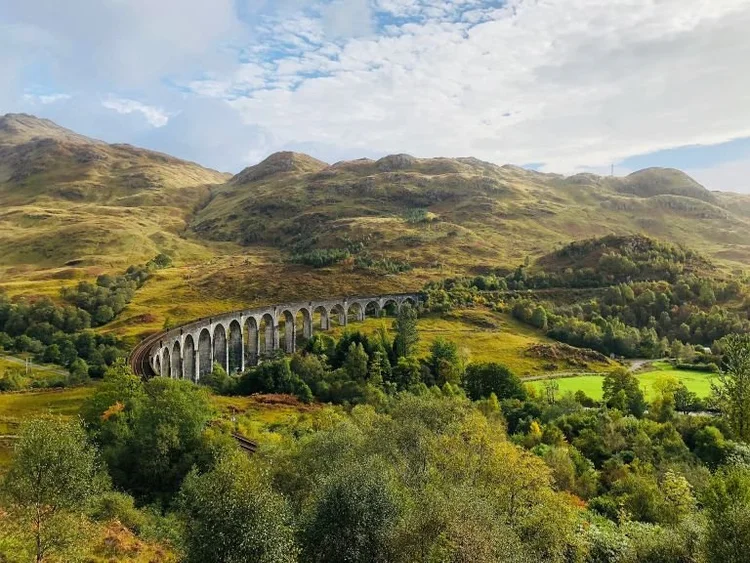
This is one of the most photographed landscapes in Europe, and for good reason. The Glenfinnan Viaduct, the mountains of Glencoe, the Cuillin on Skye, Eilean Donan Castle, and the harbours of Tobermory and Plockton all appear in films, television and photography across the world. The combination of scale, weather, water and light means that every day brings different moods and compositions, making this road trip a dream for photographers and anyone drawn to cinematic landscapes.

Quiet places and remote landscapes on Scotland’s west coast

Quiet Places & Escape from Crowds

Despite the fame of places like Glencoe and Skye, much of the west coast remains wonderfully quiet, especially once you move away from the busiest viewpoints. Long stretches of Argyll, the roads of Ardnamurchan, and many parts of Mull see very little traffic at all. Empty beaches, silent glens and peaceful harbours are still easy to find. This is a journey that offers real space, stillness and the rare modern luxury of feeling genuinely far away from everything.

Wild beaches and Atlantic-facing coastlines on Scotland’s west coast

Wild Beaches & Atlantic-Facing Coastlines
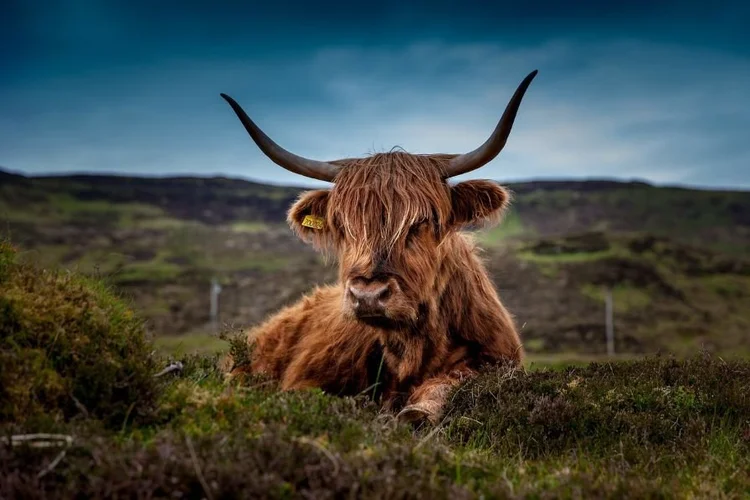
The west coast is famous for beaches that feel both wild and unexpectedly beautiful. On Mull and Ardnamurchan, and around parts of Skye, you’ll find pale sands and turquoise waters backed by mountains and open moorland. Places like Calgary Bay on Mull or the remote bays near Ardnamurchan Lighthouse show a side of Scotland that feels closer to the Arctic or the far north Atlantic than the UK. These are not resort beaches, but places for walking, photography and experiencing the raw edge of the landscape.

Scenic driving routes and slow travel roads across Scotland’s west coast

Scenic Drives & Slow Travel Routes

This road trip is built around some of Scotland’s most rewarding driving routes, from the shores of Loch Lomond and Loch Fyne to the great passes of Glencoe and the long approaches to Skye. Roads here are rarely straight and never rushed, winding through glens, around lochs and across open moorland. Routes like the drive past Castle Stalker, the approach to Glenfinnan, or the final miles into Plockton are as memorable as the destinations themselves.

The Trotternish Loop scenic drive on the Isle of Skye

Trotternish — Skye’s Most Iconic Scenic Drive

The Trotternish Loop is the Isle of Skye’s most iconic driving route and one of the most spectacular scenic journeys in Scotland. Circling the Trotternish Peninsula, the route passes through a landscape shaped by ancient landslips, towering cliffs and dramatic coastal scenery. Along the way you’ll encounter some of Skye’s most famous sights, including the Old Man of Storr, the Quiraing, Kilt Rock and Lealt Falls, alongside quieter stretches of coastline, remote crofting communities and constantly changing sea views. More than just a sightseeing route, it forms the dramatic backbone of a Skye road trip and showcases the island at its most recognisable and unforgettable.

West Coast of Scotland - £12.99

West Coast of Scotland

Highlands & Islands - £19.99

North Coast of Scotland + West Coast of Scotland + Isle of Skye
West Coast Horizons - £19.99

Cumbria Coastal Route + West Coast of Scotland + Isle of Skye

Capital to Coast: Borders, Fife & West - £19.99

Edinburgh & Borders + Kingdom of Fife + West Coast of Scotland

Scotland Explorer - £25.99

North Coast of Scotland + West Coast of Scotland + Isle of Skye + Edinburgh & Borders + Kingdom of Fife
West Coast of Scotland flexible itinerary covering Argyll, Mull, Skye and the Atlantic Highlands

A Complete Journey Along Scotland’s Western Edge

The west coast of Scotland is a landscape shaped by water, weather and distance. Here, mountains rise straight from the sea, roads follow the curves of lochs rather than cutting across land, and the coastline breaks apart into islands, peninsulas and long, tapering headlands that seem to reach out into the Atlantic.

This carefully curated road trip is designed as a complete journey through one of Europe’s most dramatic regions: from the sheltered waters and wooded shores of Argyll, out into a fractured world of ferries and remote coastlines, and finally into the great mountain landscapes of Glencoe, the West Highlands and the Isle of Skye.

It is not a route about rushing between famous sights. It is about changing pace, changing scale, and changing atmosphere — from calm reflective lochs to wild Atlantic headlands, from castle-lined shores to empty glens and high mountain passes.

Here, progress is measured less in miles and more in how the landscape changes around you.

Some days feel intimate and gentle. Others feel vast, exposed and elemental. Weather and light are not background details, but part of the experience itself.

This is a road trip for people who love big scenery, quiet places, walking, wildlife, photography and slow travel. It can be enjoyed as a powerful highlights journey in under a week, or unfolded slowly over ten days to two weeks or more for a deeper, more immersive experience.

A Coast That Refuses to Be Simple

Unlike many coastlines, Scotland’s west does not form a neat edge.

Instead, it is a maze of sea lochs, islands and peninsulas, where land and water are constantly interwoven. Roads do not run in straight lines. Ferries are not shortcuts — they are essential parts of the geography. Many journeys lead not through, but to places at the very end of the map.

This fragmented shape is what gives the west coast its extraordinary character. It is also what makes this road trip so satisfying: every section feels different, every transition feels meaningful, and the journey never becomes repetitive.

Sea lochs, islands and Atlantic peninsulas
Ferry crossings as part of the geography
Changing landscapes and shifting scale
Quiet roads, remote coastlines and mountain barriers
A journey shaped by weather, light and distance
One of Britain’s most immersive road trip regions

Why This Route Works So Well

What makes this journey special is not just the quality of individual places, but how they contrast and build on each other.

You start in a relatively accessible, settled landscape of lochs, forests and historic towns. You then move into a more fragmented, maritime world of ferries, islands and remote peninsulas. Finally, you reach the high mountain core of the West Highlands and Skye, where the scenery becomes bigger, steeper and more dramatic.

Each stage feels different. Each one prepares you for the next.

This gives the trip a natural rhythm that most ad-hoc Scotland itineraries lack.

The Journey in Three Distinct Parts

Part 1: Argyll & the Sea Lochs — A Civilised Beginning

The gradual transition into the Highlands.
The opening section, from Loch Lomond to Oban, is about easing into the Highlands rather than jumping straight into the wildest scenery. You travel through Argyll, past places like Inveraray, Loch Fyne and Loch Awe, in a landscape of long sheltered waters, wooded hills, castles and small towns. The roads are scenic but manageable, the distances comfortable, and the sense of space gradually increases.

Part 2: Mull & Ardnamurchan — The Maritime West

Ferries, islands, remote roads and Atlantic geography.
From Oban, the journey changes character. Here you leave the simple idea of a continuous coastline behind and enter a maritime landscape shaped by ferries, islands and long, tapering peninsulas. The route branches out to the Isle of Mull, with its mix of colourful harbour towns like Tobermory, wide open landscapes, wildlife-rich waters and historic sites such as Duart Castle.

Part 3: Glencoe, Fort William, Skye & the West Highlands

The dramatic mountain finale.
After returning to the mainland, the route moves into the core mountain landscapes of the West Highlands. You pass through Glencoe, one of the most famous and dramatic glens in Scotland, and reach Fort William, beneath Ben Nevis. From here, the journey continues towards the Isle of Skye, crossing into a landscape of ridges, cliffs, vast moorlands and deeply indented coastlines.

How Long You Need — And Why It’s Flexible

In 4–5 days, it can be experienced as a highlights journey focused on the mainland and Skye
In 7–10 days, it becomes a properly balanced trip including Mull or deeper time on Skye
In 10–14 days, it turns into a slow, immersive journey with space for walking, wildlife, weather and detours

The guide is designed to let you scale the experience without breaking the logic of the route.

Whether you want a shorter highlights road trip or a slower, more exploratory journey, the structure still works naturally and coherently.

What This Guide Actually Gives You

The West Coast of Scotland Road Trip guide is not a list of places.

It is a structured, end-to-end travel system that:

Connects multiple famous regions into one logical journey
Shows you how the pieces fit together
Helps you pace the trip properly
Ensures you don’t miss the kinds of places that make this coast special: the quiet roads, the smaller harbours, the empty beaches, the viewpoints and the walks that most people never find

Who This Is Really For

This route is for travellers who want:

A serious, well-designed journey, not a collection of day trips
To understand the geography and structure of the west coast
To experience Scotland properly, not just photograph it

If you like journeys that feel complete, varied and meaningful — this is one of the best road trips in Britain.

More About Scotland Road Trips

If this journey has given you a taste for exploring Scotland’s west coast by road, it also sits within a wider collection of carefully curated Scottish road trips and travel guides. You might like to add island landscapes with the Isle of Skye Road Trip, or continue north into bigger, wilder scenery with The Ultimate Scottish Highlands & North Coast Road Trip.

For a very different contrast, Road Trips from Edinburgh: Scenic Drives, Abbeys & the Scottish Borders shows how much variety lies within easy reach of the capital.

Fife: Coast & Hidden Heartlands – A Flexible Road Trip & Day Trip Guide explores one of Scotland’s most overlooked regions of fishing villages, beaches, historic towns and royal connections.

Every great road trip begins with an idea — a place that pulls you in, a landscape you want to linger in, or simply the urge to get out on the open road. Here you’ll find inspiration, experiences, vehicle ideas and practical planning advice to help turn that idea into a journey.

Home > Road Trip Guides > West Coast of Scotland Road Trip