

Themed Trails — Ways to Explore Beyond the Route
These themed trails add depth to your journey through the Malvern Hills, Vale and Black & White Trail. Whether you're following history, seasonal landscapes or local flavours, each offers a different way to experience the region beyond a simple point-to-point drive.
Civil War History through Worcestershire & Herefordshire

Civil War History through Worcestershire & Herefordshire
From garrison towns and battlefield sites to quiet villages caught in the crossfire, this section explores the real places across Worcestershire and Herefordshire that played a role—large or small—in the English Civil War.
Discover skirmish locations, historic buildings that survived the turmoil, and the local legends tied to one of Britain’s most defining conflicts. Whether you're following in the footsteps of Charles II or unearthing forgotten stories in timber-framed streets, this trail brings the 17th century vividly to life.
From garrison towns and battlefield sites to quiet villages caught in the crossfire, this section explores the real places across Worcestershire and Herefordshire that played a role—large or small—in the English Civil War. Discover skirmish locations, historic buildings that survived the turmoil, and the local legends tied to one of Britain’s most defining conflicts. Whether you're following in the footsteps of Charles II or unearthing forgotten stories in timber-framed streets, this trail brings the 17th century vividly to life.
The Vale of Evesham Blossom Trail
Each spring, the Vale of Evesham transforms into one of the most beautiful landscapes in England. The Blossom Trail, launched in the 1980s, celebrates the explosion of soft pink and white blossom across the region’s plum, apple, pear, and cherry orchards — making it a must-see seasonal drive or cycle.

Vale of Evesham Blossom Trail — Seasonal Landscapes in Bloom
Each spring, the Vale of Evesham transforms into one of the most beautiful landscapes in England. The Blossom Trail celebrates the explosion of soft pink and white blossom across plum, apple, pear, and cherry orchards — creating a seasonal spectacle that draws visitors from across the country.
First launched in the 1980s, the trail now offers a carefully mapped route through some of Worcestershire and Gloucestershire’s most fertile countryside, blending scenic driving with village stops, orchard landscapes, and slow travel experiences.
Evesham • Fladbury • The Lenches • Pershore • Harvington • Elmley Castle • Bretforton
Driving the Blossom Trail
The official route runs for around 50 miles (80 km), forming a broad loop through the Vale with Evesham as its natural starting point. From here, head north toward Fladbury, where quiet riverside lanes begin to introduce the landscape.
The route then climbs gently into The Lenches — a collection of hilltop villages where blossom hedgerows meet wide views across the Vale. From here, continue west toward Pershore, before looping south through Harvington and Church Lench, where orchards stretch across farmland and small lanes feel largely unchanged.
As the route curves beneath Bredon Hill, Little Comberton and Elmley Castle offer some of the most scenic stretches, particularly during peak bloom. The final section heads east toward Bretforton before returning to Evesham via Wickhamford, where blossom-lined roads often form natural floral tunnels.
This is a route designed to be flexible — ideal for a half-day scenic drive or a full day with stops for walks, cafés, and farm shops along the way.
Evesham — Trail Hub & Riverside Base
The heart of the Vale and the best place to begin. Pick up a Blossom Trail map, explore Abbey Park, visit the Almonry Museum, or take a gentle riverside walk before heading out into the orchards.
Fladbury — Riverside Blossom Lanes
A tranquil Avon-side village known for its blossom-lined roads and peaceful setting. This is one of the first places where the landscape begins to open out into orchards and farmland.
The Lenches — Hilltop Views & Hedgerow Blossom
A cluster of five villages on higher ground, offering some of the best panoramic views across the Vale. Blossom here often lines hedgerows and narrow lanes, creating particularly scenic stretches for both drivers and walkers.
Pershore — Orchard Heritage & Market Town
Known for its damsons and vibrant spring trees, Pershore combines orchard landscapes with a historic town centre. A visit to Pershore Abbey pairs naturally with a drive through the surrounding blossom routes.
Elmley Castle & Bredon Hill — Classic Vale Scenery
Nestled beneath Bredon Hill, these villages offer some of the most picturesque views on the trail. Blossom orchards sit against open countryside and hill backdrops, making this a highlight for photography and picnics.
Bretforton — Traditional Village & Seasonal Events
A National Trust village where blossom season often coincides with spring events. Expect historic buildings, local activity, and a strong sense of rural tradition.
Best Time to Visit
Mid-March to early May, depending on weather conditions. The display unfolds in stages — plums and cherries appear first, followed by apples and pears — creating a layered and evolving landscape across several weeks.
Scenic Highlights
The River Avon winding through blossom-framed meadows, traditional orchards in full bloom, half-timbered barns surrounded by flowering trees, and quiet lanes forming natural blossom tunnels — especially around The Lenches and Wickhamford.
Walking Routes
Evesham Blossom Loop (c. 5 miles) – A gentle circular route along the Avon with orchard views and village paths.
The Lenches Circular Walks – Waymarked routes between villages such as Church Lench and Rous Lench, combining blossom views with open countryside.
Bredon Hill Loop – A longer walk combining blossom landscapes with elevated countryside views.
Cycling the Trail
Quiet back roads connect Pershore, Fladbury, Evesham, and The Lenches, making this one of the most enjoyable spring cycling routes in the region. Expect low traffic, wide views, and continuous blossom throughout the ride.
Local Produce & Events
The Vale’s orchard heritage is central to the experience. Farm shops, orchard cafés, and roadside stalls offer seasonal produce, while blossom events often include guided walks, picnic days, and small local festivals.
Later in the year, Pershore’s Plum Festival celebrates the same orchards that make the blossom trail so special — connecting spring bloom with harvest season and the region’s long-standing agricultural traditions.
Cider & Orchard Trail: Herefordshire & Worcestershire
For a taste of tradition and a sip of heritage, a Cider & Orchard Trail offers a delicious way to explore rural Herefordshire and parts of Worcestershire. From ancient apple varieties to award-winning craft cider, this trail combines countryside scenery with authentic local flavour.
The Cider Circuits are a series of themed circular walking and cycling routes through Herefordshire’s picturesque cider-producing countryside. Designed to help visitors experience the region’s traditional orchards, makers, and rural beauty, each trail links independent cider producers, charming villages, and local food spots.
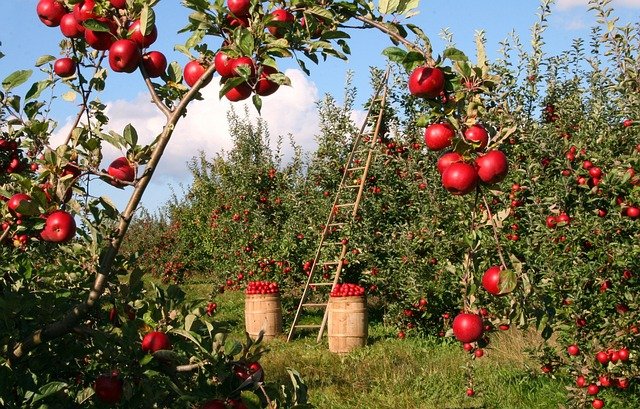
Cider & Orchard Trail — Heritage, Craft & Countryside
For a taste of tradition and a sip of heritage, a Cider & Orchard Trail offers a delicious way to explore rural Herefordshire and parts of Worcestershire. From ancient apple varieties to award-winning craft cider, this trail combines countryside scenery with authentic local flavour.
The Cider Circuits are a series of themed circular walking and cycling routes through Herefordshire’s picturesque cider-producing countryside. Each trail links independent cider producers, charming villages, and local food stops.
Expect quiet lanes, scenic views, blossom in spring, and fruit-laden trees in autumn. Many producers welcome visitors for tastings and tours, especially during the cider season.
The North Circuit — The Newton Wonder (49 miles)
North of Hereford lies a patchwork of gently rolling farmland, ancient orchards, and wooded hills—an area defined by its picturesque Black-and-White Villages. This circular route offers an immersive journey through one of England’s most evocative rural regions.
Along the way, visit Newton Court Cider, Butford Organics, and Dunkertons Cider, with Monkland Cheese Dairy offering a perfect food stop.
Highlights include the descent into Weobley and a rare dovecote in Pembridge, with plenty of opportunities to pause in cafés and pubs.
The South Circuit — The Redstreak (58.7 miles)
Journey into southern Herefordshire’s orchard heartland, where cider culture runs deep. The route passes Little Dewchurch, Hoarwithy, and crosses the Wye before climbing through some of the region’s richest cider country.
Stops include Ross-on-Wye Cider, Little Pomona, Gregg’s Pit, and Oliver’s Cider — each offering a different take on traditional and modern cider-making.
The route continues through Ledbury and Bromyard, blending heritage towns with food and drink experiences.
The West Circuit — Porter’s Perfection (48.4 miles)
A more rugged and varied route through the Golden Valley, combining orchards, hills, and historic landmarks.
Stops include Fair Oak Cider, Orgasmic Cider Company, Artistraw, and Ty Gwyn Cider, alongside highlights such as Arthur’s Stone and Rowlestone Farmhouse Ice Cream.
The route finishes in Dorstone at The Pandy Inn — one of the oldest pubs in the county.
Key Cider Stops
Westons Cider Mill – Tours, shop, and The Scrumpy House.
Newton Court Cider – Organic cider and events.
Little Pomona – Modern craft cider.
Ross-on-Wye – Traditional cider-making.
Explore on Foot or by Bike
Many cider orchards offer waymarked walks, especially around Much Marcle and Ledbury, where blossom and fruit coincide with gentle countryside routes.
Marcle Ridge Walk – Includes views over the Wye Valley and passes historic orchards.
Cider Circuits Trails – Published walking and cycling routes connecting producers, villages, and food stops.
Spring offers blossom-filled routes, while autumn brings harvest atmosphere and fruit-laden trees — making this a year-round experience with changing seasonal character.
Cotswold Lavender & Broadway Walking Trails
During midsummer, the rolling hills and historic villages of the northern Cotswolds come alive with vibrant colour and fragrant air, thanks to the blooming Cotswold Lavender fields near Snowshill. This makes a wonderful pairing with scenic walks around Broadway, offering both floral spectacle and heritage charm.
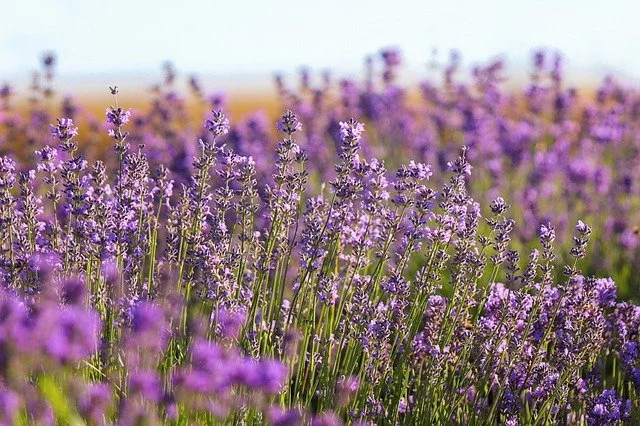
Cotswold Lavender & Broadway Trails — Colour, Views & Village Charm
During midsummer, the northern Cotswolds transform into one of the most visually striking landscapes in England. Rolling hills, honey-stone villages, and fragrant lavender fields combine to create a uniquely atmospheric experience centred around Snowshill and Broadway.
The Cotswold Lavender fields are the seasonal highlight — a sea of purple set against classic Cotswold countryside. Paired with walking routes around Broadway and the escarpment, this trail blends natural beauty, heritage, and gentle outdoor exploration.
Cotswold Lavender Farm — Seasonal Highlight
Located at Hill Barn Farm near Snowshill, this working lavender farm is open from late June to early August and grows over 40 varieties of lavender.
Visitors can wander through vibrant rows of purple blooms, enjoy wide open views across the Vale of Evesham, and capture some of the most iconic summer photography spots in the Cotswolds.
The on-site shop offers a wide range of lavender products, while the café serves seasonal treats — often with a lavender twist — making it an easy and enjoyable stop.
Broadway to Snowshill Circular Walk (6–7 miles)
This is one of the most rewarding walks in the northern Cotswolds, linking two of its most characterful villages through open countryside and elevated viewpoints.
Starting in Broadway, the route climbs steadily up the escarpment, offering expansive views before looping through farmland, woodland, and — in season — the lavender fields themselves.
It’s a moderately challenging walk, but the mix of scenery, heritage, and seasonal colour makes it a standout experience.
Broadway Tower Walk (Short Option ~2 miles)
For a shorter and more accessible walk, the route to Broadway Tower offers a gentle introduction to the landscape without committing to a full circular.
The climb is steady but manageable, and the reward is panoramic views stretching across Worcestershire, Gloucestershire, and into Wales on clear days.
At the top, you can visit the historic tower and explore the nearby nuclear bunker museum for an unexpected layer of history.
Broadway & Snowshill Villages
Broadway is often described as the “Jewel of the Cotswolds”, with its wide high street lined by honey-coloured stone cottages, galleries, antique shops, and traditional inns. It’s the perfect base to begin or end your walk.
Snowshill offers a quieter, more tucked-away atmosphere. The village itself is beautifully preserved, while nearby Snowshill Manor (National Trust) adds an extra layer of interest with its eclectic collections and Arts & Crafts gardens.
When to Visit & Practical Tips
The lavender season typically runs from late June through to early August, with peak bloom usually falling in early to mid-July. Timing can vary slightly depending on weather conditions.
Early morning and late afternoon are the best times to visit — offering softer light for photography and fewer crowds, especially during peak summer weekends.
Combining a lavender visit with a walk — either a short climb to Broadway Tower or the full Snowshill loop — creates a more balanced experience and helps you move beyond the busiest areas.
Malvern Hills and Black & White Trail Last updated: 27 April 2026
Some links may earn Uncover Britain a small commission at no extra cost to you. This helps support the ongoing creation, review and presentation of our road trip guides.
Route information and listings are provided for general guidance only. Always use your preferred navigation system and check official websites to confirm suitability, opening times and the latest details before travelling.
Our guides are reviewed regularly and supported by a mix of editorial research and digital tools to help keep content clear and up to date. If you spot anything that needs updating, we’re always glad to hear from you.