

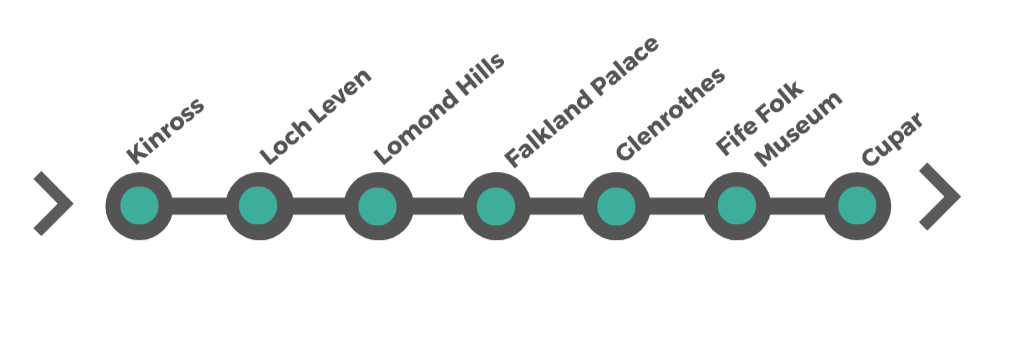
 Kinross
Loch Leven
Lomond Hills
Falkland Palace
Glenrothes
Fife Folk Museum
Cupar
Kinross
Loch Leven
Lomond Hills
Falkland Palace
Glenrothes
Fife Folk Museum
Cupar
Customisable and Live Navigation via Google Maps –
click here:
Or use the link to jump to the destinations in the guide below
Kinross →
Loch Leven →
Lomond Hills →
Falkland Palace →
Glenrothes →
Fife Folk Museum →
Cupar
40 miles (64 km) with drive time approx. 1 hour 45 minutes
From Dunfermline, from South & West section, 53 miles (85 km) with drive time approx. 1 hour 55 minutes
The Heart of Fife: Hills, Palaces & the Inland Kingdom
This section explores the quieter, inland heart of Fife — a landscape shaped less by the sea and more by land, power and everyday working life. Away from harbours and crossings, the scenery opens out into rolling farmland, low hills and historic towns that once formed the practical centre of the Kingdom of Fife.
Beginning around Kinross and Loch Leven, the route moves through lochs, ridges and managed landscapes that were long associated with royal hunting, agriculture and estate life. The Lomond Hills rise gently from the surrounding farmland, offering space, elevation and a strong sense of contrast to the coastal sections of the journey.
Falkland Palace provides a natural focal point, anchoring the route in royal history while connecting directly to the surrounding countryside that supported it. Beyond Falkland, places like Glenrothes, the Fife Folk Museum and Cupar reveal a more domestic side of Fife’s story — towns and institutions shaped by industry, craft and community rather than spectacle.
This is a slower, more reflective chapter of the journey. Distances are manageable, roads are quieter, and the emphasis shifts from movement to connection — between landscape, settlement and history. It offers balance to the wider Fife route and shows how the kingdom functioned away from its coastlines and great crossings, grounded in land, labour and local life.
How to Spend Your Time in Central Fife
Central Fife is a tapestry of serene lochs, rolling hills, and rich historical legacies. Whether you’re drawn to the tranquil waters of Loch Leven, the stately allure of Falkland Palace, or the local flavor of market towns like Cupar, this region offers something for everyone. Our suggested itineraries—ranging from a single day to a leisurely week—will guide you through Kinross, the Lomond Hills, Glenrothes, and more, helping you discover the heart of Fife’s natural beauty and heritage at your own pace.
-
Morning: Kinross & Loch Leven
Kinross: Start early in this historic market town. Stroll through the town center, grab a coffee, and learn about the area’s link to Loch Leven.
Loch Leven Boat Trip (seasonal): Take a short ferry ride to Loch Leven Castle, where Mary, Queen of Scots, was once imprisoned. Spend time exploring the island’s tranquil scenery.
Afternoon: Falkland Palace
Falkland Palace (approx. 20-minute drive from Kinross): Marvel at this stunning Renaissance palace, once a favorite retreat of the Stuart monarchs. Tour the interiors and wander the beautiful gardens.
Optional Short Walk: If time allows, take a brief walk in Falkland Estate, enjoying woodland paths and glimpses of the Lomond Hills.
Evening: Glenrothes
Drive to Glenrothes (around 15 minutes from Falkland): Stop by Riverside Park for a leisurely stroll or explore the town’s public art sculptures.
Dinner: Choose one of the local restaurants or cafés before concluding your day in Central Fife.
-
Day 1: Kinross & Loch Leven
Morning: Explore Kinross town center. If possible, visit the local farmers’ market (check dates) for fresh produce.
Afternoon: Enjoy a boat trip to Loch Leven Castle. Soak up the history and the natural surroundings. Picnic by the loch if the weather’s good.
Evening: Relax in Kinross, sampling local cuisine at a pub or restaurant.
Day 2: Lomond Hills & Falkland Palace
Morning: Head to the Lomond Hills Regional Park. Choose a moderate trail (e.g., East Lomond) for panoramic views over Central Fife.
Afternoon: Drive to Falkland Palace. Tour the palace rooms and gardens, then stroll around the pretty village of Falkland.
Evening: Stay in or near Falkland, or move on to Glenrothes for a wider choice of accommodation.
Day 3: Glenrothes & Fife Folk Museum (Cupar Area)
Morning: Explore Glenrothes. Visit Riverside Park to see the sculptures, or stop by a local café for breakfast.
Afternoon: Drive about 20–25 minutes to the Fife Folk Museum (near Cupar). Learn about rural life, heritage crafts, and the region’s agricultural past.
Evening: Wrap up your trip with dinner in Cupar, a small market town with eateries and shops. Depart or stay overnight.
-
Day 1: Kinross & Loch Leven
Morning: Wander Kinross center. Catch any local exhibitions or shops.
Afternoon: Take the Loch Leven ferry to see the historic Loch Leven Castle. Enjoy a relaxed walk along the Loch Leven Heritage Trail upon return.
Evening: Enjoy a local pub meal in Kinross and settle in for the night.
Day 2: Lomond Hills
Morning: Drive to the Lomond Hills Regional Park. Attempt a longer hike (e.g., West Lomond) if you’re feeling energetic.
Afternoon: Relax at a scenic spot for lunch (pack a picnic) or visit a nearby café after your hike.
Evening: Stay overnight in or around Falkland village for quick access to the palace next day.
Day 3: Falkland Palace & Estate
Morning: Dive into the history of Falkland Palace, exploring its Renaissance architecture. Check out the royal tennis court—one of the oldest in the world.
Afternoon: Stroll the Falkland Estate trails. Admire viewpoints over fields and woodlands; consider a short hike to East Lomond summit for more panoramic vistas.
Evening: Relax in Falkland or head to Cupar for a different dining scene.
Day 4: Cupar & Fife Folk Museum
Morning: Drive or take a bus to Cupar, a charming market town. Explore the local shops, cafés, and the central square.
Afternoon: Head to nearby Fife Folk Museum in the village of Ceres to discover traditional rural life and local history.
Evening: Return to Cupar or proceed to Glenrothes. Enjoy dinner and perhaps a local pint or whisky.
Day 5: Glenrothes
Morning: Tour Glenrothes with a visit to Riverside Park. Spot the famous town art sculptures and enjoy green spaces.
Afternoon: If time allows, pick up souvenirs in the Kingdom Centre or the town’s smaller independent shops.
Evening: Complete your 5-day adventure with a final meal in Glenrothes, reminiscing about the sights and stories of Central Fife.
-
Day 1: Kinross & Settling In
Morning: Arrive in Kinross and get oriented. Check into your accommodation.
Afternoon: Light exploration of the town center. If available, visit a local event or simply unwind after travel.
Evening: Relaxed dinner in Kinross.
Day 2: Loch Leven & Heritage Trail
Morning: Take the Loch Leven ferry to Loch Leven Castle. Explore the island’s tranquil atmosphere.
Afternoon: Walk a stretch of the Loch Leven Heritage Trail, soaking up loch views and potential wildlife sightings (like swans and ducks).
Evening: Overnight in Kinross.
Day 3: Lomond Hills (West Lomond)
Morning: Drive to the Lomond Hills. Climb West Lomond for impressive vistas over Fife.
Afternoon: Picnic on the hillside or return to a café near Falkland.
Evening: Move on to Falkland village, ready for the palace visit next day.
Day 4: Falkland Palace & Estate
Morning: Explore the Renaissance palace—its ornate rooms and well-kept gardens. Check out the royal tennis court.
Afternoon: Extend your time on the Falkland Estate trails. Visit hidden spots like the Tyndall-Bruce Monument or Maspie Den.
Evening: Stay overnight in Falkland or head toward Cupar.
Day 5: Cupar & Fife Folk Museum
Morning: Stroll the quaint streets of Cupar. Enjoy a local farmers’ market if the timing works.
Afternoon: Short drive to Ceres for the Fife Folk Museum. Delve into exhibits on rural life, traditional crafts, and local heritage.
Evening: Return to Cupar for dinner in a cosy restaurant.
Day 6: Glenrothes & Riverside Park
Morning: Head to Glenrothes, known for its urban planning and public art sculptures.
Afternoon: Explore Riverside Park, featuring green spaces and a duck pond. Enjoy a leisurely walk or cycle if you have bikes.
Evening: Overnight in Glenrothes or back to Cupar, depending on preference.
Day 7: Free Day & Farewell
Morning: Revisit any favorite spot or discover another corner of Central Fife—perhaps a gentle climb in the Lomond Hills you didn’t attempt or more time in Cupar’s shops.
Afternoon: Pick up souvenirs and local produce to take home.
Evening: Depart the region with memories of castles, countryside, and loch views.
Leaving Dunfermline — Turning Inland
As you leave Dunfermline behind, the character of the journey changes almost immediately. The skyline of abbeys, palaces and bridge towers gives way to open farmland, wider skies and quieter roads. The Forth slips out of sight, and with it the sense of crossings and industry that shaped the previous chapter.
This is where Fife begins to feel different.
The road now moves through gently rolling countryside towards Kinross, and the pace of the day naturally slows. Instead of harbours, royal burghs and shoreline paths, you’re heading towards lochs, hills and landscapes shaped by land rather than sea.
Kinross sits at the edge of one of the most important natural and historic landscapes in central Scotland — Loch Leven.
Kinross — Gateway to Loch Leven
Kinross is not a place you visit for its own sake on this route. It acts as the practical and scenic gateway to Loch Leven and provides the easiest access to parking, cafés and facilities before you step into one of the most rewarding parts of inland Fife. Although here you can discover the historic Kinross House, a magnificent mansion built in the 17th century. Explore its beautiful gardens and grounds, which are open to the public at certain times of the year.
From here, the landscape opens out towards water and distant hills. Kinross House sits grandly on the edge of the loch, hinting at the long relationship between power, land and this stretch of countryside. But the real reason to stop is what lies just beyond the town.
Loch Leven is where this chapter truly begins.
Loch Leven & the Heritage Trail — Water, Wildlife and Island History
Loch Leven is the largest lowland loch in Scotland, and it brings a sense of calm and space that feels very different from the coastal sections of the Fife route. Wide water, open skies and distant hills create an atmosphere that encourages you to slow down, stretch your legs and spend time outside the car.
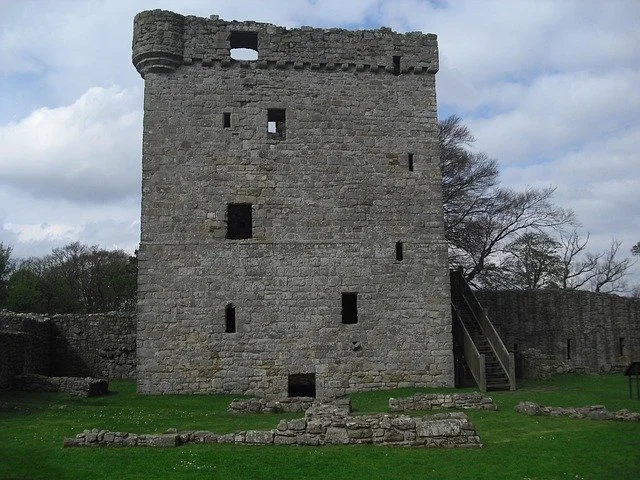
At the centre of the loch sits Loch Leven Castle, where Mary, Queen of Scots was imprisoned in 1567 before making her dramatic escape across the water. Seeing the castle from the shoreline adds a powerful human story to what is otherwise a peaceful, reflective landscape.
This is also one of Scotland’s most important nature reserves. Managed in part by the Royal Society for the Protection of Birds at Vane Farm, the loch is a haven for birdlife, with hides, trails and quiet viewpoints that make wildlife watching easy even on a short visit.
-
In June 1567, following her forced abdication after the Battle of Carberry Hill, Mary, Queen of Scots was taken to Loch Leven Castle and held prisoner on the small island in the centre of the loch.
She was only 24 years old.
For almost a year, Mary was confined within the castle walls under the watch of Sir William Douglas and his family. It was here, in July 1567, that she was compelled to sign papers abdicating the Scottish throne in favour of her infant son, the future James VI.
Despite the isolation of the island and the heavy guard, Mary made several attempts to escape. Her first two efforts failed.
Her third did not.
On the night of 2 May 1568, with the help of a young member of the Douglas family, Willie Douglas, Mary slipped out of the castle disguised as a servant. A small boat was waiting at the water’s edge. They crossed the dark waters of Loch Leven and landed on the far shore near Kinross.
From there, Mary rode hard through the night to rally her supporters.
Within days, she had gathered an army. Within weeks, she was defeated at the Battle of Langside. Shortly afterwards, she fled to England — beginning the final chapter of her life that would end in execution almost 20 years later.
Standing on the shores of Loch Leven today, looking out across the calm water to the castle ruins, it’s hard to imagine the tension, fear and determination that played out here. But this quiet landscape was the setting for one of the most dramatic escapes in Scottish history — and the moment that changed the course of Mary’s life forever.
The Loch Leven Heritage Trail
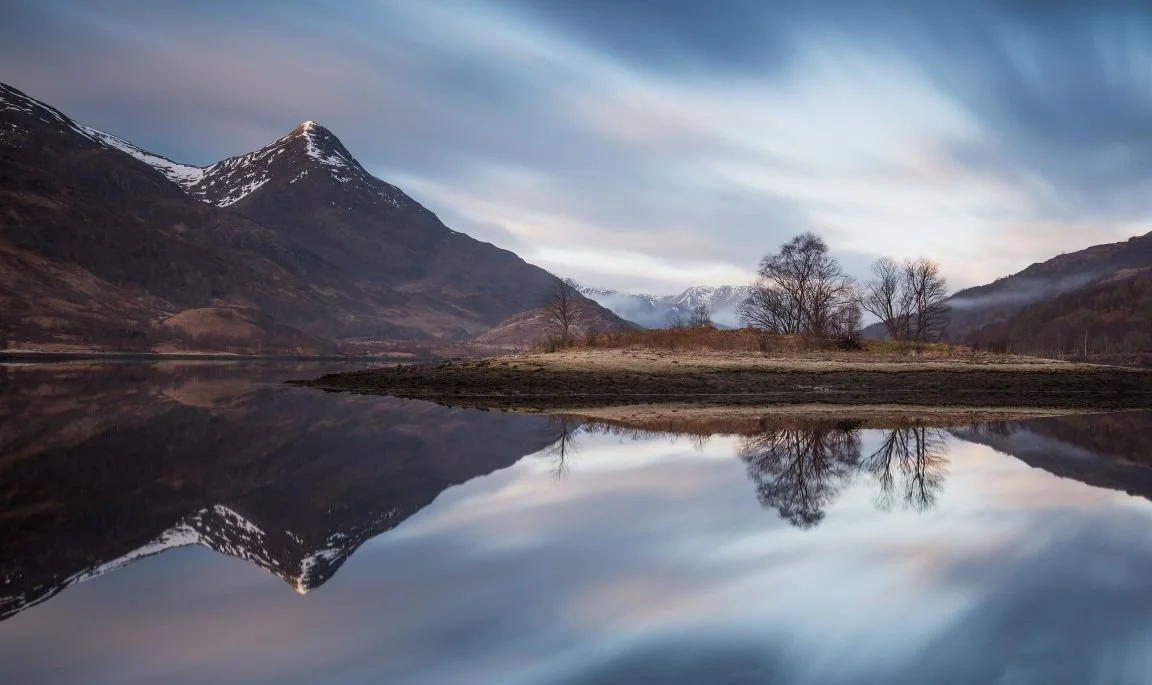
One of the best ways to experience the area is by dipping into sections of the The Loch Leven Heritage Trail - a mostly flat, well-maintained 13-mile (21 km) circular path that loops around the shoreline.
You do not need to walk the full route. Instead, this guide encourages you to use short sections to add air, views and atmosphere to the day.
Good places to start:
Vane Farm (RSPB Loch Leven) — parking, café, bird hides and shoreline paths
Kinross Pier — views across the water to the castle island
Burleigh Sands — a peaceful stretch of shoreline ideal for a short wander
These gentle walks give you time to take in the scale of the loch, watch the light changing on the water, and understand why this landscape mattered historically as well as environmentally.
Loch Leven is where inland Fife first reveals its character — spacious, quiet, and deeply connected to Scotland’s story through land, water and history.
Transition — From Loch Leven to the Lomond Hills
Leaving the calm shoreline of Loch Leven, the landscape begins to change almost immediately. The wide water, birdlife and flat horizons give way to rising ground ahead. You trade shoreline paths for upland roads, and the route starts to climb gently into open farmland backed by low, rounded hills.
This is where the inland character of Fife becomes most apparent. The journey is no longer about lochs and castles, but about elevation, views and space. Within a short drive, the Lomond Hills come into full view — a pair of distinctive summits that dominate this part of the county and offer one of the best scenic interludes on the entire route.
Lomond Hills Regional Park — Fife’s Scenic Upland Heart

The hills of Lomond Hills Regional Park are the visual high point of inland Fife and provide a striking contrast to the coast and the Forth corridor you’ve travelled through earlier in the journey.
These are not remote Highland mountains, but accessible, welcoming hills that rise cleanly from farmland and woodland, offering quiet roads, big views and some of the best short summit walks in central Scotland.
A clear shift from water to elevation in the landscape
East Lomond and West Lomond form unmistakable landmarks visible across Fife
Short, achievable summit walks with panoramic rewards
Wildlife, open moorland and peaceful surroundings
Quiet scenic roads that feel far removed from towns and coast
This is the moment in the route where you gain height and perspective — literally seeing the Kingdom of Fife laid out below you.
What to see and do
East Lomond (Falkland Hill) — the more popular summit with a well-defined path and outstanding views over Falkland, the Howe of Fife and across to the Firth of Forth
West Lomond — slightly higher and quieter, with expansive views north towards Perthshire and south across Fife
Short summit walks — both hills can be climbed in around 45–90 minutes depending on pace
Wildlife spotting — buzzards, kestrels, deer and moorland birds are common here
Scenic upland driving — minor roads around the base of the hills provide peaceful, beautiful driving between stops
On a clear day, you can see across much of Fife, back towards the Lomond shoreline, across farmland to the Forth, and north towards the Highlands.
This is the inland counterpoint to everything you’ve seen so far — open, elevated, quiet and unexpectedly expansive.
From the Lomond Hills to Falkland
As you descend from the open slopes of the Lomond Hills, the road drops back into sheltered farmland and tree-lined lanes. The wide views and exposed moorland give way to a more intimate landscape of woodland, estate walls and carefully managed countryside.
Very quickly, the village of Falkland comes into view, sitting quietly at the foot of East Lomond. After the elevation and space of the hills, this feels enclosed, historic and deliberate — a place shaped not by geography alone, but by centuries of royal attention.
You are no longer in upland Fife. You have entered a royal landscape.
Falkland Palace & Maspie Den — The Royal Heart of Inland Fife
Falkland is where the inland section of the journey comes together. The hills you have just climbed were once part of a vast royal hunting estate, and Falkland Palace was the residence built to serve it.
This is not simply a palace visit. It is the historical and emotional centre of inland Fife.
A magnificent Renaissance palace set within a traditional village
One of Britain’s oldest surviving real tennis courts
Direct connection to Scotland’s royal hunting landscape
Maspie Den woodland walk — a complete change of atmosphere
A village setting that feels preserved and authentic rather than staged
What to see and do
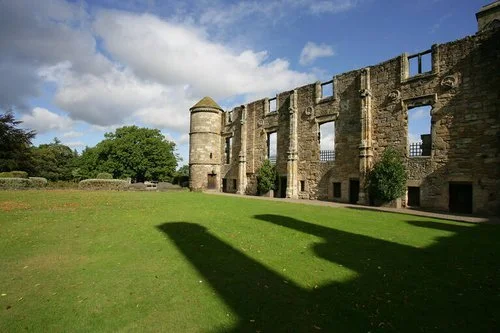
Falkland Palace — explore the Renaissance architecture, royal apartments, painted ceilings and the extraordinary real tennis court still in use today
Royal context — understand how the surrounding hills and woods formed a working royal estate used by James IV, James V and Mary, Queen of Scots
Maspie Den — an essential woodland walk behind the village with waterfalls, bridges, mossy paths and shaded trails that feel hidden and timeless
Falkland village — stone houses, quiet streets and a strong sense of historic character at the foot of the Lomonds
Maspie Den, in particular, is what completes this stop. After hills and views, this is about enclosure, trees, water and atmosphere — a place to slow down before continuing the route.
Together, the palace, the woodland and the village create the clearest sense of how landscape, royalty and everyday life were once closely connected in the Kingdom of Fife.
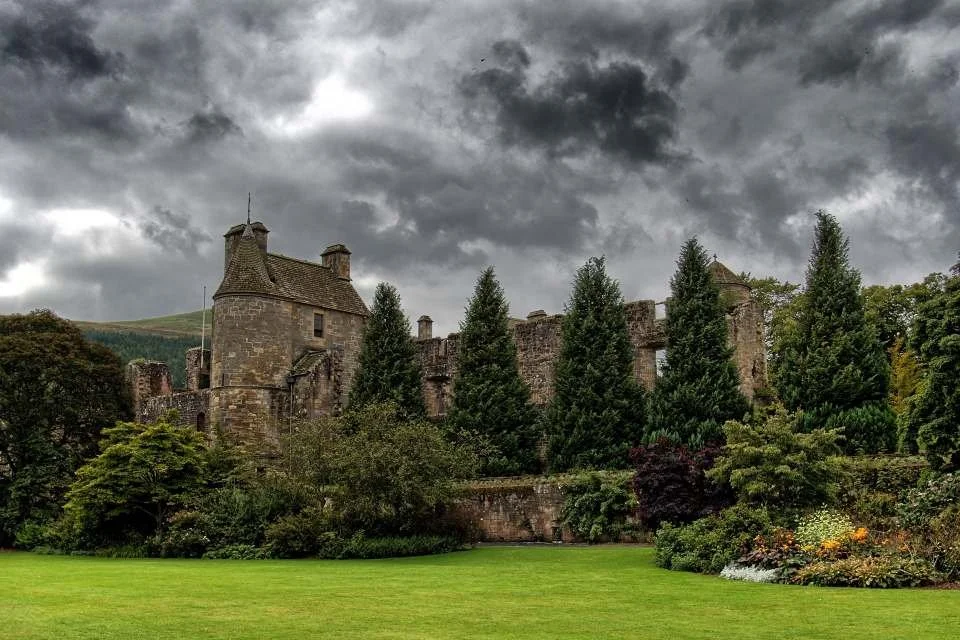
-
Origins as a medieval stronghold
Falkland began life in the 12th century as a hunting lodge owned by the MacDuff Earls of Fife. Its location at the foot of the Lomond Hills made it ideal for royal sport, surrounded by dense forest that once covered much of this part of Fife.Transformation into a Renaissance palace
In the early 1500s, Kings James IV and James V transformed the old fortress into one of Scotland’s finest Renaissance residences. Inspired by French architecture, they created an elegant palace with ornate stonework, a grand gatehouse and richly decorated royal apartments.A favourite retreat of Mary, Queen of Scots
Falkland became a beloved residence of Mary, Queen of Scots, who used it as an escape from court politics. She rode, hunted and walked in the surrounding estate, and it is said she watched tennis being played in the courtyard below her chambers.The royal tennis court
The real tennis court, built in 1539, is the oldest surviving court of its kind in Britain. It remains playable today and is one of Falkland’s most unusual and remarkable survivals from the 16th century.Decline and preservation
After the Union of the Crowns in 1603, the palace fell gradually out of regular royal use. Over time, parts of the structure decayed until it came into the care of the National Trust for Scotland in the 20th century, which restored and preserved it.What you see today
Visitors now explore a rare example of French-influenced Renaissance architecture in Scotland, complete with painted ceilings, royal chambers, formal gardens and direct views to the Lomond Hills that explain exactly why this place mattered so much to Scotland’s kings and queens. -
Explore the village square
Falkland’s wide cobbled square is one of the most attractive in Scotland. Framed by traditional houses, cafés and small shops, it’s a place to slow down before or after visiting the palace.Walk to Maspie Den
Just behind the village, Maspie Den is a beautiful woodland walk of bridges, waterfalls, mossy paths and old estate features. This is the wooded landscape that once formed part of the royal hunting grounds.Visit Falkland Estate trails
Waymarked paths lead through mixed woodland and open countryside, offering gentle walks with views back to the Lomond Hills and across central Fife.Look up to East Lomond
From the village you can clearly see East Lomond rising above Falkland. This connection between settlement and landscape is part of what made the location so important to Scottish royalty.Browse independent shops and cafés
Falkland has a small but characterful selection of tearooms, bakeries and craft shops that make it an ideal lingering stop rather than a quick visit.Discover filming locations
The village doubled as 1940s Inverness in the TV series Outlander, and fans will recognise several corners of the square and surrounding streets.Enjoy the quiet atmosphere
Unlike busier tourist centres, Falkland retains a calm, lived-in feel. It’s easy to wander without an agenda and simply enjoy the setting.
Leaving Falkland and the wooded estate roads behind, the route drops gently back into the wider farmland of central Fife. The scenery becomes more open again and the driving easy as you head towards Glenrothes.
You don’t come to Glenrothes as a destination in its own right. You pass through it.
This is a practical pause point if you need fuel, food, supermarkets or cafés before continuing on to one of the most characterful villages of the journey.
If you do stop briefly, two places stand out:
Riverside Park — a pleasant green space along the River Leven with easy paths and a chance to stretch your legs
The Glenrothes public art trail — scattered sculptures and installations around the town, an unexpected legacy of its New Town planning
If you have more time, Glenrothes & Area Heritage Centre tells the story of the town's history. Visitors can explore topics such as industry and manufacturing, community life, notable residents, and the town's unique architectural design.
Otherwise, this is simply a useful, convenient waypoint before the road leads you on towards Ceres and the Fife Folk Museum.
Nearby from Glenrothes (short detours)
If you enjoy prehistoric sites or quiet historic villages, a few little-known places sit just outside Glenrothes and are easy to reach by car.
Markinch Parish Church & Markinch Heritage Trail — a small historic village with medieval roots and links to the Balbirnie estate
Balfarg Henge — a Neolithic ceremonial site hidden in a modern housing area, over 6,000 years old
Balbirnie Stone Circle — an atmospheric stone circle set within parkland, dating back around 4,500 years
These are optional stops for those with a particular interest in ancient landscapes, rather than essential parts of the road trip route.
Glenrothes to Ceres
Leaving Glenrothes, the road quickly loses its modern feel. Housing estates give way to open farmland, hedgerows and quieter country lanes as you head north-east towards one of Fife’s most characterful villages. This short drive is a reminder that inland Fife is deeply agricultural, shaped by estates, small settlements and working land rather than coastline or industry.
A few minutes later, you arrive somewhere that feels older, smaller and far more personal.
Fife Folk Museum — Everyday Life in the Kingdom
Tucked into the historic village of Ceres, the Fife Folk Museum is one of the most important stops in this inland section of the journey.
This is where you understand how people in Fife actually lived.
Not kings, not engineers, not merchants — but farmers, fishermen, miners, craftsmen and families whose daily work shaped the county for centuries.
Get inside a collection of historic buildings including a 17th-century tolbooth complete with jougs (iron punishment collar)
A clear, engaging picture of everyday life in rural and coastal Fife
Exhibits covering farming, fishing, mining, domestic life and craft
Located within one of the prettiest small villages in the Kingdom of Fife
Free entry, making it an easy, rewarding stop
What you see and learn
Inside, rooms are filled with tools, clothing, household objects, photographs and stories that bring ordinary life to the foreground. You see how homes were heated, how food was prepared, how fields were worked, how boats were mended and how communities functioned long before modern convenience.
It quietly ties together everything you have seen so far — coast, caves, castles, bridges, palaces — and explains the people who lived between them.
This is the “everyday Fife” moment of the journey.
Cupar — A Market Town to End the Journey
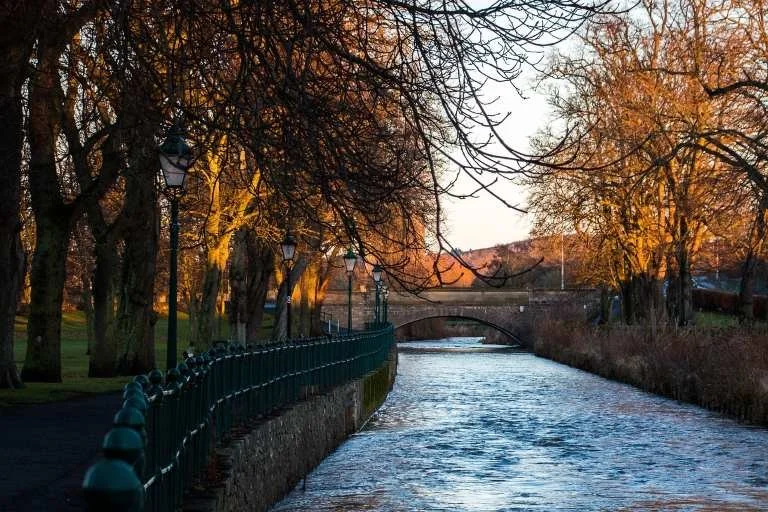
Cupar feels like a natural full stop to the inland section of this road trip. It’s not dramatic, not showy, and that’s exactly why it works. This is a proper Fife market town — streets that still follow medieval lines, buildings that have watched centuries of trade and daily life, and a steady rhythm shaped by farming, markets and community rather than visitors.
After hills, palaces and rural roads, Cupar brings you back into everyday Fife. It’s the place where the landscape and the people meet.
A genuine historic county town with a strong sense of place
Compact streets ideal for a gentle wander without a plan
Easy access to one of Fife’s most impressive historic houses at Hill of Tarvit Mansion
Parks, river walks and quiet corners to pause before the journey ends
What to see and do
Follow Cupar’s Cupar’s Heritage Trail past the Mercat Cross, old parish church and medieval street pattern
Wander Bonnygate and Castlehill, where the town’s age is most visible in the buildings and street layout
Visit Hill of Tarvit Mansion and Gardens an Edwardian house with gardens and a rare hickory golf course overlooking the countryside
Relax in Bowhill Park, Cupar’s green space for an easy stroll
Play a round at Cupar Golf Club, one of Scotland’s oldest nine-hole courses
Optional: Scottish Deer Centre for families or wildlife enthusiasts
Cupar doesn’t demand your attention — it earns it quietly. And after everything you’ve seen across Fife, that understated finish feels exactly right..
End of the Road Trip — What Fife Leaves You With
By the time you reach Cupar, you’ve seen Fife from almost every angle.
You’ve followed harbours along the East Neuk, walked clifftops on the Coastal Path, stepped inside Cold War secrets, traced royal stories through abbeys and palaces, crossed under one of the world’s greatest engineering landmarks, and finished among farmland, hills and market towns that feel grounded and lived-in.
What makes this journey work so well is the contrast. Coast to countryside. Fishing villages to royal residences. Industrial shores to quiet inland roads. Each section explains a different part of how this small kingdom functioned — as a place of movement, power, work and daily life.
Fife doesn’t overwhelm you with single headline sights. It reveals itself gradually, through connected places, short walks, views, stories and atmospheres that build into something much bigger than the map suggests.
And that is exactly why it stays with you.
Continuing Your Journey Around Scotland
After exploring Fife’s coastline, crossings and inland heartlands, you’re perfectly placed to continue your journey in almost any direction.
Head south over the bridges into Edinburgh & the Borders Road Trip for castles, abbeys and layered history. Turn west and the landscape quickly opens into lochs and mountains on the West Coast of Scotland Road Trip, with the option to continue on to the Isle of Skye Road Trip. Follow the Highland line north from Inverness and you naturally reach the North Coast of Scotland.
Together, these routes let you explore Scotland not as a checklist, but as a series of journeys — each with its own character, rhythm and sense of place.
On Your Way To or From Scotland
If you’re building a longer journey from England, several routes connect beautifully into this Scottish adventure:
Northumberland Castles & Coast Road Trip — castles, wide beaches and big skies along a dramatic frontier coastline
North Yorkshire Moors & Coast Road Trip — moorland landscapes, steam railways and classic seaside towns
Yorkshire Dales & West Yorkshire Road Trip — limestone valleys, Pennine hills and literary towns
Peak District Road Trip — dales, ridges, caves and historic villages
Cumbria Coast Road Trip — a quieter, wilder edge of England with sea views and heritage
Lake District Road Trip — Britain’s most famous mountain landscape of lakes, passes and valleys
Together, these routes let you explore Britain not as a checklist, but as a series of connected journeys — each with its own character, rhythm and sense of place.
Uncover More Map
The Uncover More map highlights key points of interest, scenic viewpoints, hidden gems, and much more along the recommended route. To make the most of it, use the map in conjunction with the destination information, and explore additional options in the area you’re visiting to discover even more experiences.
If your iPhone doesn’t load via the Google Map App via the button, check out the Help page for how to update your phone or copy and paste the link into your browser: bit.ly/Fife-Uncover
Kingdom of Fife Last updated: 25 March 2026
Some links may earn Uncover Britain a small commission at no extra cost to you. This helps support the ongoing creation, review and presentation of our road trip guides.
Route information and listings are provided for general guidance only. Always use your preferred navigation system and check official websites to confirm suitability, opening times and the latest details before travelling.
Our guides are reviewed regularly and supported by a mix of editorial research and digital tools to help keep content clear and up to date. If you spot anything that needs updating, we’re always glad to hear from you.