
How Many Days Do You Need?
The Isle of Man is compact enough to explore in a short trip, but varied enough that extra days make a real difference.
In 3 days, you can cover the main island highlights across the east, north and south-west. With 5 days, you can travel at a more relaxed pace and add heritage railways, quieter coastal villages and extra southern scenery.
A 7-day trip allows time for folklore, wildlife, TT route highlights and traditional Manx culture, while 10 days gives you the freedom to slow down further, revisit favourite areas and include more remote corners of the island.
Island Highlights
See the main east, north and south-west highlights in a compact but rewarding island circuit.
Douglas & East → North Coast → Peel, Port Erin, The Sound & Castletown
Best for: First-time visits • Main highlights • Short breaks
Classic Isle of Man
Add more time for southern villages, heritage travel and a slower pace between the main sections.
East Coast → North Coast → South Coast → Port St Mary, Glen Maye & Niarbyl → Steam Railway & Douglas heritage
Best for: Balanced trip • Heritage transport • Scenic variety
Full Island Experience
Take in the full route with added time for TT highlights, folklore, wildlife and traditional Manx history.
Full coastal journey + southern and eastern glens + Calf of Man + Cregneash + Castletown history
Best for: Complete trip • TT interest • Culture • Wildlife
Slow Travel & Deeper Discovery
Slow the pace right down and add more time for remote coastlines, museums, mountain views and lesser-known corners of the island.
Full route with extra nights around Douglas, Peel or Port Erin, plus Snaefell, Calf of Man, Glen Maye, Niarbyl and off-route heritage stops
Best for: Slow travel • Photography • Walking • Hidden gems
When to Travel & How Long to Take
The Isle of Man can be visited year-round, but weather, events and daylight hours all shape the experience. Choosing the right season — and allowing enough time — will make a noticeable difference to how you explore the island.
Late Spring to Early Summer (May–June)
Best for: Long days, quieter roads, fresh landscapes
One of the best times to visit. The island is green, conditions are generally settled, and it’s easier to explore without peak-season crowds. Ideal for walking, coastal drives and heritage railways.
Summer (July–August)
Best for: Warmest weather, full access, beach time
The busiest time of year, with the best chance of warm, settled weather. Beaches, towns and attractions are fully open, but accommodation and ferries should be booked in advance.
TT Period & Event Season
Best for: Motorsport atmosphere, unique experience
Late May to early June brings the world-famous TT races. The island becomes busier and more energetic, with road closures and a completely different atmosphere. Ideal if you want to experience the TT, less suited to a quiet road trip.
Autumn & Winter (Sept–April)
Best for: Quiet travel, dramatic coastlines, dark skies
A quieter, more atmospheric time to visit. Expect shorter days and more changeable weather, but also fewer crowds and excellent conditions for stargazing and coastal walks.
How Long Do You Need?
The Isle of Man is compact, but the variety of landscapes, heritage sites and coastal routes means it’s best explored at a relaxed pace rather than rushed.
Absolute minimum: 2–3 days (main highlights only)
Recommended: 4–5 days
Comfortable pace: 5–7 days
Slow travel: 7–10 days
A typical day might include 2–3 hours of driving, with time for villages, viewpoints, short walks and unplanned stops along the way.
A Note on Pace
Distances are short, but the experience is not about covering ground quickly. Coastal roads, glens, heritage sites and viewpoints naturally encourage you to stop often.
If you move too quickly, you’ll pass through the island. If you slow down, it becomes a much richer journey — shaped by changing coastlines, quiet villages and moments you hadn’t planned for.
Dark Skies & Stargazing on the Isle of Man
The Isle of Man offers some of the best stargazing in the British Isles, with large parts of the island designated as a Dark Sky Park and Reserve. With minimal light pollution and open coastal and upland landscapes, it’s an ideal place to experience the night sky in remarkable clarity.
In 2016, the island was officially recognised as a Dark Sky Reserve by the International Dark-Sky Association, reflecting its commitment to protecting natural night environments and creating exceptional conditions for astronomy.
Whether you’re walking along the coast, staying in the countryside or simply stepping outside after dark, you’ll often find clear views of the Milky Way, constellations and seasonal celestial events.
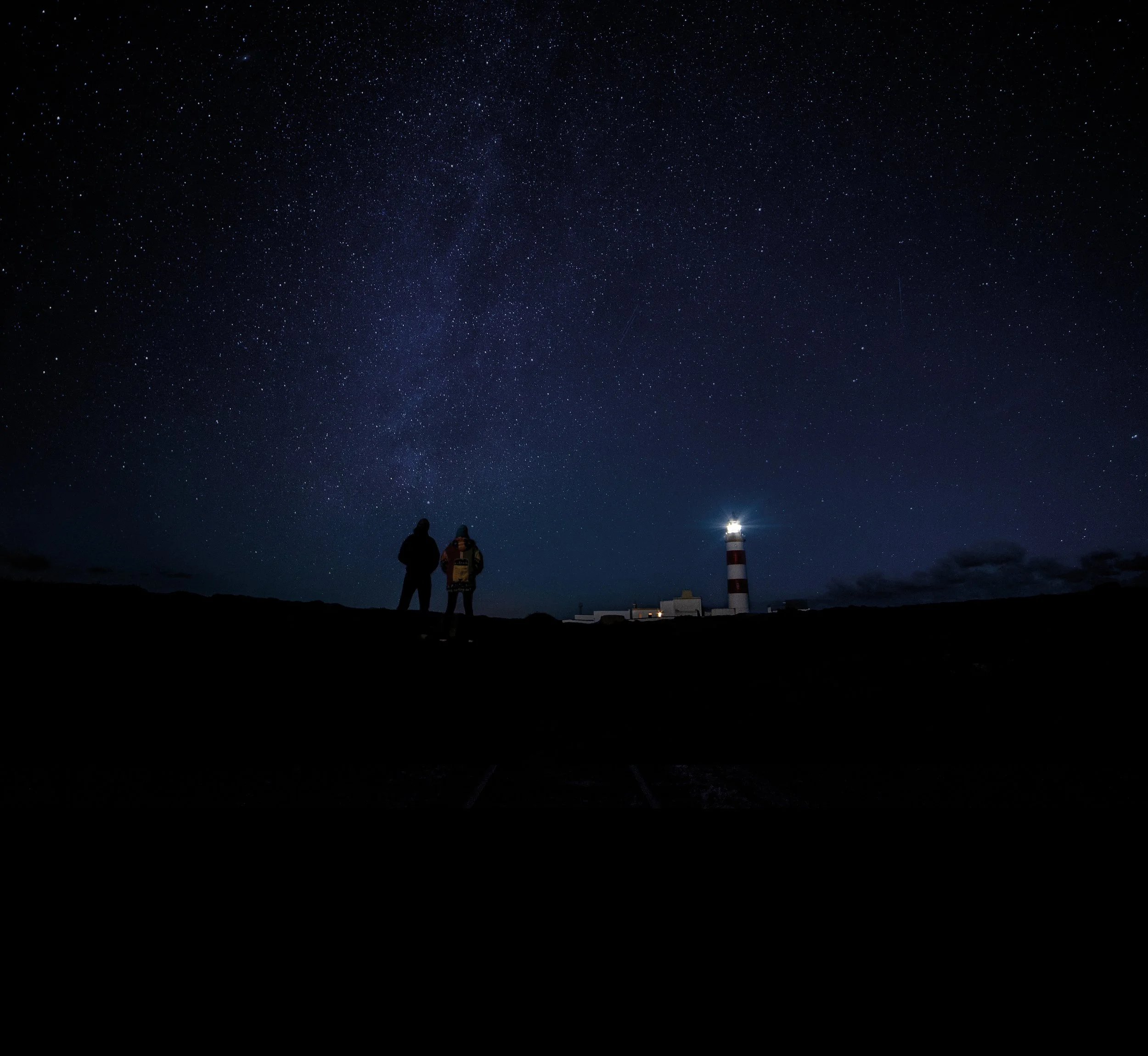
Where to Experience It
The island has 26 designated Dark Sky Discovery Sites, each chosen for low light pollution and accessibility.
Smeale Coast – Wide northern skies with uninterrupted views
Niarbyl Bay – Ideal for Milky Way views over the western horizon
Ballaglass Glen – Quiet woodland setting away from light
Cronk ny Merriu – Elevated coastal viewpoint near Castletown
Scarlett Point – Open southern coastline with expansive skies
Plan Your Isle of Man Discovery Road Trip
Use the shortlist planner below to create your plan. Either save to PDF or Print with the button below. Use the overview and highlights section below to remind you and navigate between the guide chapters.

Your Road Trip Plan
Generated on
Isles & Islands > Last updated: 30 March 2026
Some links may earn Uncover Britain a small commission at no extra cost to you. This helps support the ongoing creation, review and presentation of our road trip guides.
Route information and listings are provided for general guidance only. Always use your preferred navigation system and check official websites to confirm suitability, opening times and the latest details before travelling.
Our guides are reviewed regularly and supported by a mix of editorial research and digital tools to help keep content clear and up to date. If you spot anything that needs updating, we’re always glad to hear from you.