You are viewing a single page for an sample of a road trip - therefore the links to other parts of the road trip wont work

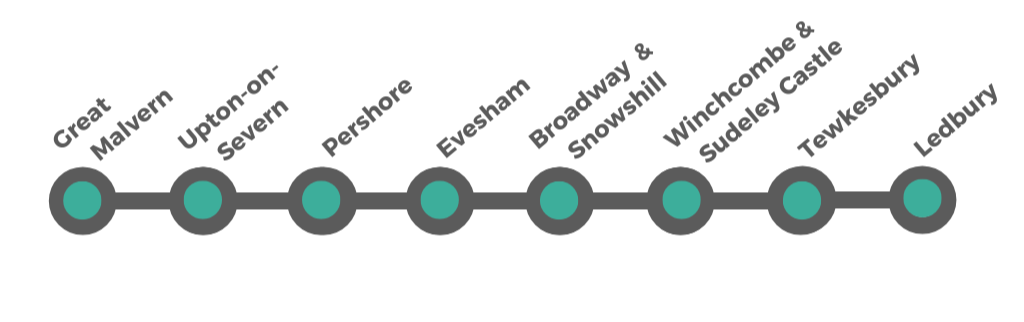 Great Malvern
Upton-on-Severn
Pershore
Evesham
Broadway
Snowshill
Winchcombe
Tewkesbury
Ledbury
Great Malvern
Upton-on-Severn
Pershore
Evesham
Broadway
Snowshill
Winchcombe
Tewkesbury
Ledbury


Chapter 1 — Malvern Hills & The Vale
This first chapter sets the tone for the entire journey — a gentle but richly varied introduction that moves from high ridgelines and expansive views into softer countryside shaped by rivers, orchards, and historic market towns.
Beginning in Great Malvern, the landscape rises immediately, offering some of the finest panoramic walking in southern England. From here, the route gradually descends into the Vale of Evesham, where the pace slows and the scenery shifts to fertile farmland, quiet lanes, and riverside towns with deep agricultural and cultural roots.
As you travel north and east, the character evolves again — from the orchard-dotted Vale to the honey-coloured villages of the Cotswold edge, before reaching the historic towns of Winchcombe and Tewkesbury. Along the way, this section blends natural beauty, heritage, and easy driving, with distances kept deliberately short to allow time for walks, viewpoints, and unplanned stops.
Throughout this chapter, there are opportunities to layer in seasonal and themed experiences — from blossom trails in spring to lavender fields in summer — all of which can be explored further in Chapter 3.
How to Spend Your Time — Malvern Hills & The Vale
From dramatic ridge walks and literary spa towns to Cotswold villages and riverside heritage, this is one of England’s most rewarding road trip regions. Choose from quick countryside escapes or immersive multi-day journeys, all designed with flexible pacing and carefully curated stops.
1 Day
Quick Highlights & Themes
- Malvern Hills walk + Great Malvern or Broadway Tower
- Winchcombe + Sudeley Castle + Tewkesbury
- Broadway + Snowshill Manor + lavender (seasonal)
- Tewkesbury Abbey → Ledbury
3 Days
Malvern → Vale → Cotswolds
- Day 1: Great Malvern + hills + Elgar Route
- Day 2: Evesham, Blossom Trail, Pershore
- Day 3: Broadway + Snowshill Manor
- Optional: The Fleece Inn
5 Days
Full Regional Highlights
- Day 1: Great Malvern + Elgar Country
- Day 2: Upton → Pershore → Evesham
- Day 3: Broadway + Snowshill
- Day 4: Winchcombe + Sudeley Castle
- Day 5: Tewkesbury → Ledbury
7 Days
Slow Travel & Full Exploration
- Malvern Hills + Elgar Route + Upton
- Pershore + Evesham + Blossom Trail
- Broadway + Snowshill
- Winchcombe + Sudeley Castle
- Tewkesbury + riverside walks
- Ledbury + Eastnor + cider tasting
Days Out
Experiences & Activities
- Malvern Hills walks (British Camp, North Hill)
- Steam railway (GWSR)
- Severn Valley Railway
- Westons Cider tastings
- Farm shops, tearooms & lavender fields
Scenic Drive
2–3 Hour Route
A beautifully balanced road trip — combining ridge walks, orchard landscapes, historic towns and classic Cotswold villages, all within easy driving distance.
Great Malvern — Hillside Views, Heritage & Character

Set at the foot of the Malvern Hills, Great Malvern combines elevated landscapes with a strong sense of history and culture. It’s a place where panoramic walks sit alongside Victorian architecture, and where the pace naturally slows as you move between viewpoints, town centre streets, and quiet green spaces.
This is an ideal starting point for the wider route — easy to navigate, rich in character, and perfectly positioned between high ridgelines and the softer countryside beyond. Whether you arrive for the views, the heritage, or simply to ease into the journey, Great Malvern offers a well-balanced introduction.
Panoramic walking straight from the town into the Malvern Hills
A strong mix of heritage, culture, and local character
Easy to explore on foot with everything close together
What to See and Do
Malvern Town Walk – A gentle self-guided route that introduces the town’s history, architecture, and hidden corners, passing Victorian buildings, blue plaques, and scenic viewpoints across the Severn plain.
Great Malvern Priory – Founded in 1085, this historic church features exceptional medieval stained glass, carved misericords, and a mix of Norman and Gothic architecture in a peaceful setting.
The Malvern Theatre – Located within the Winter Gardens, this well-regarded venue hosts a varied programme including theatre, music, comedy, and film throughout the year.
Morgan Motor Company – Visit the Morgan Experience Centre to tour the working factory, explore the brand’s unique heritage, or hire one of their iconic hand-built cars for a memorable drive.
The Malvern Spa – A modern wellness retreat offering thermal pools, hydrotherapy, and treatments, continuing the town’s long-standing connection with restorative waters.
-
Set against the backdrop of the Malvern Hills, Great Malvern is a town rich in history, culture, and Victorian character. While it flourished in the 19th century as a fashionable spa destination, its roots go back much further.
The Great Malvern Priory, founded by Benedictine monks in 1085, remains the spiritual and historical heart of the town. Its 900-year-old structure houses one of the finest collections of medieval stained glass in England, alongside beautifully preserved Norman and Gothic architecture. The Priory stands as a powerful reminder of Malvern’s deep ecclesiastical heritage.
In the Victorian era, Malvern rose to prominence with the advent of the Water Cure — a health craze developed by Doctors James Gully and Wilson. The town’s fresh air and natural hillside springs attracted notable figures such as Charles Darwin, Florence Nightingale, and Charles Dickens, all seeking the rejuvenating powers of the “Malvern Cure.”
Today, Malvern retains this air of elegant wellness, blending Victorian spa-town charm with timeless scenery and cultural depth.
-
Standing at the heart of the town for nearly a thousand years, Great Malvern Priory is one of the finest examples of medieval church architecture in the West Midlands. Whether you’re interested in history, architecture, or simply seeking a peaceful moment in your visit, the Priory is an unmissable stop.
A Brief History
The story of Great Malvern Priory begins in 1085, when a group of Benedictine monks established a monastery here, drawn by the seclusion and natural beauty of the Malvern Hills. The monks built a priory church on the site of an earlier hermitage, and over time it grew into a thriving monastic community supported by Westminster Abbey.
Much of the current structure dates from the 15th century, when the church was rebuilt and richly adorned. Though the Priory was dissolved during Henry VIII’s Reformation in the 1540s, the local townspeople saved the church from destruction by purchasing it for parish use — a move that preserved its architectural legacy for generations.
Today, the building remains a place of worship and community, but it also serves as a living museum of medieval art and religious life.
What to Expect When You Visit
Stepping inside Great Malvern Priory is like entering a treasure trove of medieval craftsmanship. The highlights include:
Stained Glass – The Priory holds one of the largest and finest collections of medieval stained glass in Britain, with windows dating from the 14th to 16th centuries. Look for figures of saints, kings, and angels depicted in exquisite colour and detail.
Norman Architecture – The lower parts of the nave and some of the round arches date back to the original 12th-century Norman structure, offering a glimpse into its earliest form.
Misericords – Beneath the wooden choir stalls you’ll find a rare set of 15th-century misericords — small carved ledges used by monks to rest during long services. Their carvings depict both religious and everyday scenes, some humorous, some fantastical.
Tombs and Memorials – The Priory is dotted with memorials to local figures, monks, and benefactors, adding layers of local and national history.
A Peaceful Atmosphere – Whether you visit for prayer, reflection, or curiosity, the Priory’s peaceful interior is a welcome contrast to the busyness of modern life outside its doors.
How to Visit
Location: Church Street, Great Malvern, WR14 2AY
Opening Hours: The Priory is usually open daily from morning until late afternoon. Times may vary for services or events.
Entry: Free entry (donations appreciated to support conservation).
Accessibility: The church is accessible to wheelchair users, and volunteers are often on hand to assist or offer insights.For more information, visit the Great Malvern Priory website or check locally for guided tour times and special events
-
Both C.S. Lewis and J.R.R. Tolkien are said to have gained creative inspiration from Worcestershire. The Shire, the fictional area of Middle Earth in The Hobbit and Lord of the Rings are believed to be inspired here. C.S. Lewis is said to have been inspired by the Malvern gas lamps for his opening description of Narnia in The Lion, the Witch, and the Wardrobe. A map of the lamps is available from the Tourist Information Centre.
-
The Malvern Town Walk Trail is a self-guided walking route that offers an engaging introduction to the town’s history, culture, and iconic landmarks. Starting from Great Malvern Station and finishing at Great Malvern Priory, the trail weaves through the town centre, taking in key sites along the way.
Highlights include:
Victorian and Edwardian architecture, reflecting Malvern’s spa-town boom
The Malvhina drinking fountain, commemorating the town’s pure spring waters
St Ann’s Well Road and hillside views
Blue plaques marking historic visitors and residents
The Winter Gardens and Malvern Theatres
Priory Park and its scenic pond and bridges
The route is roughly 1.5 miles (2.5 km) and takes about 1.5 hours at a relaxed pace, with plenty of opportunities to stop for photos, shops, cafés, and green spaces.
Leaflets are available from the Tourist Information Centre or downloadable from the Visit the Malverns website.
-
Parking in Great Malvern is straightforward, with a range of short- and long-stay car parks close to the town centre, shops, theatres, and walking trails.
Town Centre Parking
If you’re exploring the shops, Priory, or Malvern Theatres, the following car parks are most convenient:
Priory Road Car Park (WR14 3DR) – Central location, ideal for the Priory, theatre, and main shopping streets. Long stay, pay-and-display, and card/RingGo payments accepted.
Grange Road Car Park (WR14 3HA) – Perfect for theatre visits and town access. Offers short-stay options with beautiful views from the upper levels.
Victoria Road Car Park (WR14 2TD) – A good balance of central access and longer stay options.
Link Top Car Park (WR14 1QS) – Located near Malvern Link, slightly further north but handy for that part of town.
Parking for the Malvern Hills
If you're heading out for a walk:
Gardiner’s Quarry Car Park (WR13 6DN) – Great access to southern hill walks and the British Camp.
North Quarry Car Park (WR14 4LX) – Best for North Hill and St Ann’s Well access.
Black Hill Car Park (WR13 6DW) – A more remote and peaceful option for walkers.
Note: Some hillside car parks are managed by the Malvern Hills Trust, and others by the local council. Charges and rules may differ, so check signs on arrival.
Useful Info
Most car parks accept cash, card, and RingGo app payments
Charges typically range from £1–£2.50 per hour
Free parking is often available after 6pm (check signs)
Visiting the Malvern Hills – Walks, Parking & Where to Stop

The Malvern Hills are one of England’s most iconic upland landscapes — a narrow ridge of dramatic peaks offering sweeping views across Herefordshire, Worcestershire, and into the Cotswolds and Welsh borders. Whether you're here for a short stroll or a full day’s hike, the hills are easily accessible and brimming with beauty. There are several suggested walks available via Visit the Malverns website.
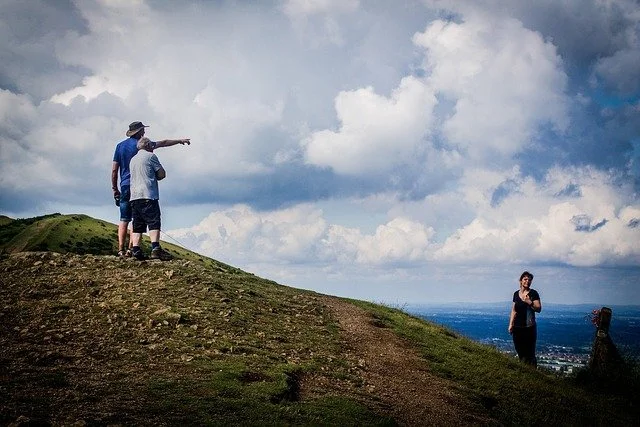
Whether you’re after a gentle ramble or a challenging hike, the Malvern Hills have a trail for you:
Short & Scenic
St Ann’s Well Walk – A 45-minute to 1-hour walk from Great Malvern up to St Ann’s Well, with views over the Severn plain and a lovely café at the top.
North Hill Loop – A popular circuit with dramatic views and some steep sections. Allow 1.5–2 hours.
Longer Routes
End-to-End Ridge Walk – The classic walk along the full length of the hills, from North Hill to British Camp or on to Chase End Hill. Roughly 9 miles (14 km), with options to shorten or break into sections.
British Camp to Herefordshire Beacon – One of the most photographed spots on the hills, steeped in Iron Age history and excellent for sunrise or sunset.
You’ll find clearly marked paths throughout the range, and OS Maps or walking apps like AllTrails or Komoot are useful companions.
-
Where to Park for the Malvern Hills
Parking is available at several dedicated hillside car parks, most of which are run by the Malvern Hills Trust. Charges apply and help support the conservation of the area. Machines accept cash, card, or phone payments (some also accept the RingGo app).
Main Car Parks:
Gardiner’s Quarry (WR13 6DN) – Best for southern hill walks and access to British Camp (Herefordshire Beacon). This is one of the most popular starting points.
North Quarry (WR14 4LX) – Ideal for climbing North Hill and for access to St Ann’s Well. Close to Great Malvern town.
Beacon Road Car Park (WR14 4EH) – Small, but well-situated for central ridge walks and St Ann’s Well.
Black Hill (WR13 6DW) – Quieter and good for more peaceful walks in the southern hills.
Wyche Cutting (WR14 4EG) – Narrow and steep access but great views and routes in both directions.
Top tip: These car parks fill up fast on weekends and sunny days. Arrive early if possible, especially at Gardiner’s Quarry or North Quarry.
-
After a good walk, there’s nothing better than a pint, a proper pub lunch, or a slice of cake. Here are some great local favourites:
St Ann’s Well Café – At the top of the well trail; known for cakes and rustic charm. Only accessible on foot!
The Wyche Inn (WR14 4EQ) – A classic hilltop pub with terrace views across Herefordshire. A great post-walk pint.
The Malvern Hills Hotel (WR13 6DW) – Opposite British Camp, this spot serves hearty meals and is ideal for walkers.
The Nags Head (WR14 4RG) – One of Great Malvern’s best-loved pubs, serving excellent local ale and food.
The Chase Inn (Upper Colwall, WR13 6DJ) – A country pub with garden views and good walking access from the hills.
-
Dogs are welcome but should be kept under control around livestock.
The hills are open year-round, but paths can be muddy in wet weather — wear sturdy footwear.
Public toilets are available at British Camp, St Ann’s Well, and in Great Malvern.
The Elgar Route – Discover the Landscape that Inspired a Musical Genius

The Elgar Route is a scenic driving and exploration trail through the Worcestershire countryside, celebrating the life and legacy of Sir Edward Elgar (1857–1934) — one of Britain’s most celebrated composers. Elgar was born in the area and spent much of his life surrounded by the rural beauty that deeply inspired his music, including works like the Enigma Variations and Pomp and Circumstance.
This gentle, circular route connects many of the key locations linked to Elgar’s life and allows visitors to step into the very landscapes that shaped his creative world. Visit the Elgar Route website for details and view the map.
-
The Elgar Route is approximately 35 miles (56 km) long when completed as a circular drive, depending slightly on where you start and which stops you include. It’s a leisurely, scenic route designed for cultural exploration rather than speed.
How Long Does It Take to Drive the Elgar Route?
Driving time (non-stop): Around 1.5 to 2 hours
Recommended visit time (with stops):Half a day to a full day
This allows time to:
Tour Elgar’s Birthplace (The Firs) in Lower Broadheath
Explore Great Malvern and see the Elgar statue and Priory
Take in the views from British Camp
Visit St Wulstan’s Church, where Elgar is buried
Stop for lunch or afternoon tea in Malvern or a countryside pub
Where the Elgar Route Goes
The route loops through parts of Worcester, Malvern, and the surrounding countryside, with key stops and detours to explore on foot or by car.
Starting points vary, but most begin in either:
Worcester – Elgar’s birthplace
Great Malvern – Where he lived and composed for many years
-
1. Elgar’s Birthplace – The Firs (Lower Broadheath, WR2 6RH)
Managed by the National Trust, this is the cottage where Elgar was born in 1857. The museum includes exhibits on his life, a visitor centre, garden walks, and a peaceful setting to reflect on his early inspirations.
2. Great Malvern
Elgar lived here for many years, and the surrounding Malvern Hills inspired several of his works. You’ll find:
Elgar statue on Belle Vue Terrace
Blue plaques marking homes he lived in
Easy access to Elgar-inspired walking routes in the hills
3. Malvern Priory
While not directly linked to his compositions, the historic atmosphere and spiritual feel of the Priory undoubtedly played a role in his connection to the town.
4. Madresfield Court (View from gate unless by appointment)
Linked to Elgar’s social circle and thought to have inspired elements of The Dream of Gerontius. It also influenced Evelyn Waugh’s Brideshead Revisited.
5. British Camp (Herefordshire Beacon)
One of the highest and most dramatic viewpoints in the Malvern Hills — a place Elgar often walked. The ridge views here offer a powerful connection to the landscapes that stirred his creativity.
6. Little Malvern & Elgar’s Grave (St Wulstan’s Church, WR14 4JN)
Elgar is buried beside his wife Alice in the tranquil churchyard of St Wulstan’s. A serene, moving place to pay respects.
-
You can follow the route by car using Google Maps, or pick up printed trail leaflets from:
The Firs – Elgar’s Birthplace
Malvern Tourist Information Centre
Worcester Tourist Information
The National Trust and Visit the Malverns websites offer maps, suggested stops, and deeper background on each location.
🔗 Visit:
Upton-upon-Severn — Riverside Charm & Civil War History

Set along a gentle bend of the River Severn, Upton-upon-Severn is a compact riverside town with a relaxed atmosphere and a long history shaped by trade, crossing points, and river life. Its Georgian streets, waterside pubs, and marina create an easy-going setting that invites you to slow down and explore.
Once an important inland port and one of the few crossing points on the Severn, Upton was a busy hub for goods moving between the Midlands and Bristol. Today, that heritage lives on through its architecture, riverside setting, and strong sense of place — with just enough history, culture, and activity to make it a rewarding stop along the route.
Attractive riverside setting with marina, pubs, and views along the Severn
Rich history linked to trade, river crossings, and the Civil War
A lively cultural scene with well-known annual music festivals
What to See and Do
The Pepperpot Heritage Centre – A distinctive 18th-century tower with a copper cupola, all that remains of a much earlier church. Inside, you can explore Upton’s role in the Civil War and the impact of the Great Plague.
Upton Bridge & River Crossing – Still one of the few crossings along this stretch of the Severn. The site is closely linked to Civil War skirmishes, including a crossing by Cromwell’s troops before the Battle of Worcester.
Tudor House Museum – A 16th-century building spread over three floors, offering a glimpse into local life, with a courtyard garden featuring a Tudor knot design and herb planting.
Riverside Walks & Marina – Wander along the riverbanks, take in views across the Severn, and enjoy the concentration of pubs and cafés that line the waterfront.
Upton Festivals – The town hosts a popular programme of music events, including the Jazz Festival, usually held in June; a Blues Festival in July; and a Folk Festival in May, bringing a lively atmosphere to its small streets.
Severn Leisure Cruises – Scenic boat trips aboard the MV Conway Castle, including the Upton Waterbus route to Tewkesbury, offering a slower, more relaxed way to experience the river.
Severn Expeditions Boat Hire – Day boat hire and guided fishing trips provide a more hands-on way to explore the River Severn. Severn Leisure Cruises offer two picturesque boat trips on the MV Conway Castle and private hire. The Upton Waterbus trip offers a relaxing 1¼ hour cruise each way between here and Tewkesbury.
-
There's a 90-minute Town Trail, Pirton Pool and the ruins of Pirton Castle are worth a visit, around 5 miles away. The Ramblers provide this route around Pirton. Visit the Malverns offers this guide on walks around Upton-upon-Severn.
-
The Map Shop is a fabulous specialist shop with a big range of maps, travel books, waterways and geological maps, wall maps, and postcode mapping for the UK and worldwide.
Why it’s a gem: Just a short stroll from the town centre, this floodplain meadow is a haven for wildflowers, birds, and butterflies.
What to do: Follow the peaceful riverside path, ideal for a quiet walk with views over the Severn. Best in late spring/summer for wild orchids.
Clive’s Fruit Farm Shop & Nature Walks (Just outside town)
Why it’s a gem: A family-run farm shop with cider, pick-your-own fruit, a rustic café, and quiet nature trails through orchards and meadows.
Where: Just 1 mile outside Upton on the B4211 toward Malvern. A lovely spot for a local lunch or fresh produce.
-
Upton-upon-Severn grew as a medieval river port and market town on the banks of the River Severn. Its strategic position made it a key crossing point between Worcester and the Malvern Hills, especially before bridges were common. The town flourished through trade in goods like wool, timber, cider, and salt, and was an important ferry point from at least the 14th century. Upton's prosperity increased in the Georgian period, reflected in some elegant architecture still visible today. The town has also long battled the natural rhythms of the river, with frequent floods shaping its layout and resilience.
-
During the English Civil War, Upton held strategic importance due to its Severn crossing. In 1651, just before the Battle of Worcester, Oliver Cromwell’s Parliamentarian forces used Upton as a key entry point to advance on Royalist positions. The only crossing at the time was a narrow bridge, and it was partially demolished by Royalists to slow the attack.
However, Parliamentarian Colonel John Lambert managed a daring assault by sending troops across the damaged bridge under fire, securing the town and establishing a bridgehead. This allowed Cromwell’s army to cross the Severn and advance on Worcester from the south — a decisive manoeuvre leading to Royalist defeat in the final major battle of the Civil War.
The original church was damaged during this conflict and later replaced. Only the tower, known as The Pepperpot, survives today as a memorial to the town’s turbulent past.
-
1.Hanley Road Car Park (Main Long Stay) Location: Hanley Road (WR8 0HX)
Spaces: ~150 including motorhome and coach spaces
Notes: Ideal for events and riverside walks; toilets nearby
2. New Street Car Park - Location: New Street (WR8 0HP). Type: Short Stay
Spaces: Small number (~30)
3.Backfields Lane Car Park (Overflow/Even. Location: Behind the rugby club (off Old Street)
Type: Often used during festivals and busy weekends
Free Parking Tips
Some on-street parking available near High Street and Old Street – check signs for time limits
Evenings and Sundays: Often free in pay-and-display car parks, but check local signage
Pershore — Abbey Town & Georgian Market Charm

Pershore is one of Worcestershire’s most charming market towns, where elegant Georgian streets lead down towards the River Avon and the striking silhouette of Pershore Abbey. Unspoiled and quietly atmospheric, it retains a strong sense of place, with independent shops, a traditional market and a pace that feels distinctly unhurried.
Surrounded by orchards, riverside walks and gently rolling countryside, Pershore is as much about its setting as the town itself. Its history stretches back to Saxon times, with layers of monastic, Civil War and market town heritage still visible today. Whether you’re exploring its historic streets, relaxing in Abbey Park or venturing out into the surrounding villages, Pershore offers a balanced mix of culture, scenery and everyday local life.
Many of the buildings along Bridge Street and Broad Street are listed - details can be found here. Poets such as John Betjeman have been inspired by Pershore's beauty and its old-world charm.
Elegant Georgian architecture and a beautifully preserved historic centre
Pershore Abbey and riverside setting creating one of the area’s most scenic townscapes
Independent shops, markets and a relaxed, authentic market town atmosphere
What to See & Do
Pershore Abbey – The town’s defining landmark, this impressive former monastery dates back to Saxon times and stands at the heart of Pershore’s history.
Abbey Park – A spacious green area surrounding the Abbey, ideal for a walk or a break, with open lawns, sculptures and family-friendly features.
Bridge Street & Broad Street – Lined with listed buildings, these streets showcase Pershore’s Georgian character and independent shops.
Pershore Bridge – A historic monastic bridge over the River Avon, and the site of Civil War skirmishes between the Roundheads and the Royalists.
Pershore Heritage Centre (Town Hall) – A small but insightful museum offering local history, located within the town’s elegant Town Hall building.
Number 8 Community Arts Centre – A vibrant local venue hosting theatre, cinema and events throughout the year.
Pershore Markets – Traditional markets (Wednesday to Saturday) with a mix of local produce, crafts and everyday goods.
Riverside Walks & Cycling Routes – Easy access to scenic routes along the Avon and into the surrounding countryside.
Sports & Leisure Centre – A modern facility with swimming pool, fitness suite and sports amenities.
Croome Court (nearby) – A National Trust estate featuring Capability Brown parkland, lakes, follies and a restored house set within expansive grounds.
-
Avon Meadows Riverside is a Local Nature Reserve just a 5-minute walk from the town centre. This 24-hectare wetland lies beside the River Avon and is a haven for water birds, dragonflies, and other wildlife. Boardwalk paths and viewing platforms make it ideal for peaceful strolls, birdwatching, or a family-friendly nature outing.
Beyond the meadows, Pershore offers several scenic walks through the surrounding Vale of Evesham countryside. You can follow riverside trails along the Avon, enjoy circular routes through nearby villages like Wick and Pensham, or join part of the Blossom Trail in spring, when local orchards burst into bloom. The town also links with longer-distance footpaths such as the Wychavon Way, which passes just south of Pershore and offers beautiful rural views across fields and hills.
-
Here are some hidden gems in Pershore — charming spots and lesser-known experiences that go beyond the usual town highlights:
Avon Meadows Nature Reserve
While it’s listed on maps, many visitors overlook this tranquil wetland just a few minutes from the town centre.
Enjoy wooden boardwalks, peaceful river views, bird hides, and wildflowers — ideal for a quiet escape into nature.
St. Andrew’s Centre (Pershore Abbey’s Cloister Remains)
Hidden behind the more prominent Pershore Abbey is the lesser-visited St Andrew’s Centre, which incorporates medieval monastic buildings and cloisters.
Look for the archways and stonework that hint at Pershore’s Benedictine past.
Abbey Park’s Sensory Garden and River Walk
Most visitors stick to the central green, but if you explore further, you’ll find a peaceful sensory garden tucked behind the main lawns, along with quiet riverside paths that lead away from the busier areas.
Number 8 Arts Centre Gallery
Known for film screenings and events, but its free art exhibitions by local and regional artists are often missed.
Stop in for contemporary painting, craft, and textile work on display in the community-run gallery space.
Pershore’s Independent Courtyards
Look out for hidden courtyards and alleyways off the High Street — including spaces with artisan shops, antiques, tearooms, and occasional pop-up markets.
Broad Street Courtyard and The Gallery Courtyard are two worth exploring.
Seasonal Plum Festival Trails
Pershore is famous for its plums, but beyond the big festival, you can follow seasonal self-guided trails to local orchards and historic plum-growing landmarks.
Look out for information boards and plum-themed surprises around town in summer.
Revills Farm Shop and café are set in beautiful countryside. The café is a real hidden gem, serving quite traditional, yet sometimes experimental, food on quaint China crockery.
-
Croome Court – Background & History
Croome Court is a magnificent 18th-century mansion and parkland estate, once the seat of the Earls of Coventry. Designed in the mid-1700s, the house showcases early neo-Palladian architecture by Capability Brown, who also created the surrounding landscape — his first major commission. The estate is a landmark of design, combining sweeping views, ornamental lakes, and elegant bridges with classical interiors and changing fortunes.
During WWII, Croome took on a new life as RAF Defford, a top-secret radar base. The house and park later fell into disrepair before being saved and restored by the National Trust and local partners.
Why Visit Croome
Stunning Landscape Gardens: Stroll through Capability Brown’s visionary design — open skies, lakeside walks, and surprise views.
Fascinating House: Explore stories of aristocrats, wartime engineers, and creative minds. Exhibitions often change, adding a modern twist to the heritage.
RAF Defford Museum: Located in a restored building on site, it reveals Croome’s pivotal wartime role in radar research.
Family-Friendly Trails: Perfect for picnics, nature play areas, sculpture spotting, and seasonal events.
Hidden Corners: Temples, grottoes, and river paths await those who like to wander beyond the main routes.
How to Visit
Location: Near High Green, Worcester WR8 9DW (15–20 minutes from Upton-upon-Severn or Worcester)
By Car: Follow brown National Trust signs from the B4084; free parking available on-site.
By Public Transport:
Nearest station: Worcester Shrub Hill, then taxi (~20 min).
No direct bus, but taxis from Pershore or Worcester are an option.
Opening Times: Generally open daily; house and café hours may differ — check National Trust Croome for current details.
Admission: Free for National Trust members; charges apply for non-members.
Explore with a downloadable walks map available here
-
How to find Pershore – Located in Worcestershire, around 10 miles south-east of Worcester and 6 miles west of Evesham. Easily reached via the A44, with scenic approaches through Vale of Evesham countryside.
Parking (no height restrictions) –
Civic Centre (WR10 1PT) – 126 spaces, Pay & Display
Abbey Park (WR10 1JP) – 100 spaces, Pay & Display
High Street (WR10 1EU) – 222 spaces, Pay & Display
Getting around – The town centre is compact and walkable, with most key sights (Abbey, park, shops and river) within a few minutes’ walk of each other.
Markets & visiting times – Regular markets run Wednesday to Saturday, with a livelier atmosphere on market days.
Rail access – Pershore Station sits just outside the town, with connections to Worcester, Oxford and London via Honeybourne.
Best orientation tip – Start at Pershore Abbey and Abbey Park, then walk up towards Bridge Street and Broad Street to explore shops, cafés and historic buildings before looping back via the river.
Nearby stops – Easy to combine with Evesham, Upton-upon-Severn or Croome Court as part of a wider Vale of Evesham or Malvern Hills route.
Evesham — Riverside Market Town & Orchard Heartland

Set within the fertile Vale of Evesham, this historic market town sits at the centre of one of England’s most productive agricultural landscapes. Surrounded by gently rolling countryside, orchards, and market gardens, Evesham combines riverside calm with a deep-rooted connection to the land.
The River Avon winds quietly through the town, creating a relaxed setting that contrasts with its rich and often dramatic history. From mediaeval abbeys and royal upheaval to seasonal food traditions that continue today, Evesham offers a layered and rewarding stop along the route.
Located in the Vale of Evesham, known as England’s fruit and vegetable heartland
Riverside setting with easy walks and open green spaces
Strong seasonal appeal, including the British Asparagus Festival
What to See and Do
Abbey Park – A peaceful riverside park with a Victorian bandstand, hosting live music on Sunday afternoons during the summer months.
Evesham Bell Tower – The striking standalone remnant of the once-great Evesham Abbey, offering a glimpse into the scale and importance of the original monastic complex.
The Almonry Heritage Centre – A 14th-century building that now houses exhibits on the town’s history, including the Abbey and the Battle of Evesham in 1265.
River Avon Walks – Gentle riverside paths provide an easy way to explore the town and surrounding countryside at a slower pace.
British Asparagus Festival – Held from April to June, celebrating one of the Vale’s most famous seasonal crops with events, markets, and local produce.
-
Evesham Ramblers Club's Round Evesham Walk is a core circular walk of about 5 miles starting at The Almonry and is waymarked with the distinctive ‘Round Evesham Walk’ discs.
To make the most of your time in Evesham, book a guided walking tour from Hampton Ferry.
-
Discover the quieter corners and lesser-known stories of Evesham — a market town rich in history, rural charm, and local flavour.
Historic Bridge & Civil War Story
To the north of Evesham, the town’s bridge holds a dramatic tale: King Charles I ordered it destroyed during the English Civil War. Staying at Langston Mansion on Bridge Street, he aimed to slow Parliamentary troops. But when the townspeople rebuilt the bridge, they were punished — forced to make boots for the King’s army. A powerful local story with lasting echoes. Read more on the Civil War in Worcestershire.The Fleece Inn, Bretforton
Just outside Evesham in the village of Bretforton, you’ll find the atmospheric Fleece Inn — a 15th-century pub owned by the National Trust. With flagstone floors, open fires, and a passion for English tradition, it’s steeped in stories and still a lively hub for folk nights, cider festivals, and hearty meals.Wayside Farm Shop and Tearoom
A short drive from the town, the Wayside Farm Shop is a delight for food lovers. Stock up on seasonal fruit and veg, local honey, dairy, and delicious home-baked treats, or sit down for a relaxed lunch or cream tea in the tearoom. A perfect countryside stop-off.Abbey Park’s Bell Tower & Secret Gardens
While many visit the central park, few explore the beautiful 16th-century Bell Tower, the sole survivor of Evesham Abbey. Venture behind it to find quiet garden nooks, sculptures, and the tranquil Riverside Walk.Almonry Museum & Heritage Centre
Tucked inside a former 14th-century abbey building, this small but rich museum tells the story of Evesham’s monastic past, local folklore, and dramatic battles — from Saxon kings to Civil War sieges.
-
Dazzling displays of spring blossom from the many acres of plum and apple trees give great swathes of colour. Within the beautiful Vale of Evesham, the Blossom Trail covers 40 miles of some of the prettiest countryside in Worcestershire. See more information on the trail. Weather dependent, the blossoms can be appreciated from March until the middle of May. It begins with plums and damsons, followed a couple of weeks later by pears and then apples.
-
Merstow Green Car Park (WR11 4BD)
Closest to town centre and Abbey Park. Long and short stay available.Oat Street Car Park (WR11 4PJ)
Near local shops and Evesham Arts Centre.Riverside Shopping Centre Car Park (WR11 4BG)
Good for town shopping and riverside access.Crown Meadow Car Park (WR11 4SS)
Spacious car park near the river and great for event days.Charges: Typically around £1–2 for 2 hours, £4–5 for all-day parking.
Free after 6pm and on some Sundays — check signage locally.There are no height restrictions at Merstow Green (WR11 4BD), 90 spaces, Evesham Leisure Centre (WR11 4BN), 227 spaces, and Bewdley Street (WR11 4AD), 86 spaces are Pay & Display.
Broadway — The Gateway to the Cotswolds

Often described as the gateway to the Cotswolds, Broadway is one of the region’s most recognisable villages, known for its wide high street, honey-coloured stone buildings, and elegant, unhurried atmosphere. It’s a place that feels designed for wandering — where shops, galleries, and historic buildings sit comfortably alongside cafés and quiet corners.
Despite its popularity, Broadway retains a strong sense of character. Whether you’re browsing independent shops, exploring its cultural highlights, or simply enjoying the setting, it works equally well as a relaxed half-day stop or a longer, more leisurely visit. Visit the Broadway Tourist Information Centre for area information.
Classic Cotswold setting with one of the most attractive high streets in the region
Strong mix of shopping, culture, and history in a compact, walkable village
Easy access to surrounding viewpoints, gardens, and countryside
What to See and Do
Broadway High Street – A wide, elegant street lined with independent boutiques, galleries, and cafés, making it one of the best places in the Cotswolds for relaxed shopping and browsing.
Gordon Russell Museum – Showcasing the work of a leading Arts & Crafts furniture designer, offering insight into British design and craftsmanship.
Broadway Museum and Art Gallery – Set within a Tudor building, displaying local artefacts and artworks in partnership with the Ashmolean Museum. Also check out the Ashmolean Broadway Shop near the Broadway Museum.
The Lygon Arms Hotel – A historic coaching inn with strong Civil War connections, where both Oliver Cromwell and King Charles I are said to have stayed.
Haynes Fine Art Gallery – One of the UK’s largest privately owned galleries, specialising in 19th- and 20th-century British and European paintings.
Gloucestershire Warwickshire Railway – A heritage steam railway offering scenic journeys between Broadway Station and Cheltenham Racecourse.
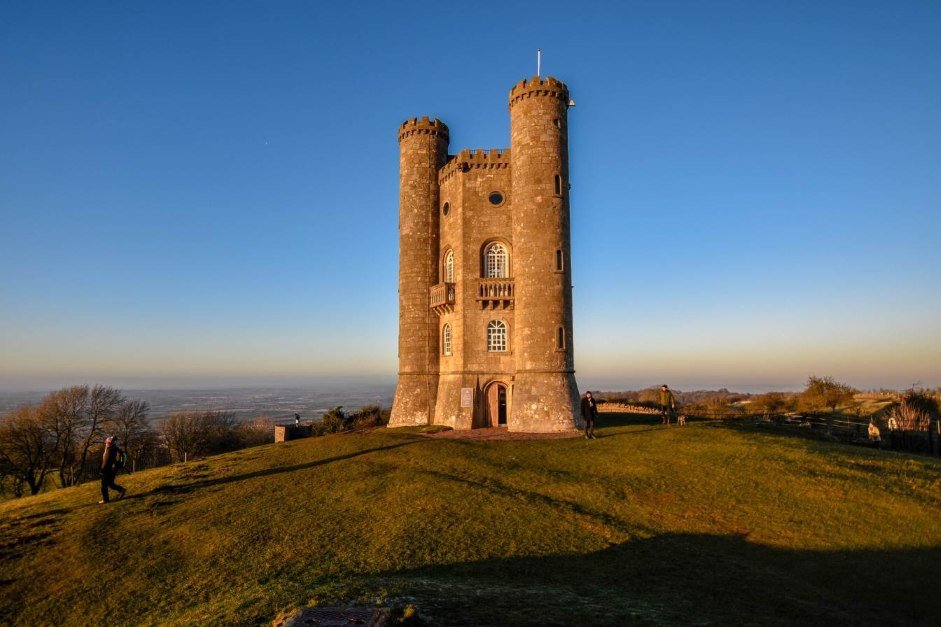
Broadway Tower – An iconic hilltop folly set within open parkland, with panoramic views across the Cotswolds and towards the Severn Vale.
Snowshill Manor and Garden (see below) – A nearby National Trust property filled with an eclectic collection of objects and beautifully designed gardens.
Seasonal Markets & Events – Occasional markets and pop-ups along the High Street showcasing local crafts, food, and produce.
A Perfect Half Day in Broadway
Stroll Broadway’s wide high street, browse independent boutiques, and stop for coffee. Hamilton’s Chocolates and The Little Soap Company are great for local treats and gifts.
Visit the Gordon Russell Museum and Broadway Museum & Art Gallery, then step into The Lygon Arms for a glimpse of its Civil War past.
Choose from traditional pubs and cafés along the high street or near the village green for an easy, unhurried lunch.
Head to Broadway Tower for panoramic views, or take a heritage steam train from Broadway Station towards Cheltenham for a classic Cotswolds experience.
-
The Cotswold Way Circular Walk Broadway and the Tower leads you from the high street, along historic towpaths and up to the Broadway Tower with its scenic views across the Severn Vale.
-
The following have no height restrictions: High Street (WR12 7AH), 156 spaces and Milestone Ground (WR12 7HA), 108 spaces. Shear House (WR12 7ET) has 73 spaces and a height restriction of 2.44m
-
Broadway Christmas Market: The village comes alive during the festive season with charming market stalls, twinkling lights, and a magical atmosphere.
Open Garden Events: Check local schedules, as many private gardens around Broadway open to the public for charity during certain times of the year.
Visit Cotswold Lavender – Just Minutes from Broadway
Just a 10-minute drive from the heart of Broadway, the rolling purple fields of Cotswold Lavender offer a spectacular sensory experience during the summer bloom. Set high on the Cotswold hills near Snowshill, this family-run farm bursts into colour from late June through early August, when over 40 varieties of lavender bloom across the landscape.
Visitors can stroll through the vibrant fields, take in sweeping views across the Vale of Evesham, and learn about how lavender is harvested and distilled for essential oils. The on-site shop sells beautifully packaged products made from the farm’s own crop — from oils and soaps to lavender-infused treats — and there’s a charming tearoom with homemade cakes and light refreshments.
Cotswold Lavender is typically open daily from late June to early August, but dates vary slightly each year depending on the bloom, so be sure to check before visiting.
Snowshill Manor & Garden – A Collector’s Wonderland in the Cotswolds
Step into a world of eccentric charm at Snowshill Manor , a National Trust gem tucked away in the Cotswold hills. This atmospheric manor house was the lifelong passion project of Charles Wade, an artist and architect who filled its rooms with an extraordinary collection of treasures — from Samurai armour and musical instruments to model ships, toys, tools, and textiles. Each object was chosen not for value, but for craftsmanship and character, turning the manor into a cabinet of curiosities brought to life.
Outside, wander through the beautifully structured Arts and Crafts-style gardens, designed as a series of intimate outdoor rooms, with fragrant planting, reflective pools, and stunning views across the countryside.

Image copyright: James Dobson / National Trust
-
Explore over 20 character-filled rooms of quirky and historic collections
Stroll the terraced gardens, especially lovely in spring and summer
Enjoy a quiet moment in the Priest’s House, Wade’s tiny retreat beside the main manor
Visit the tearoom and browse the gift shop for artisan and heritage-themed goods
-
Located near Broadway in Gloucestershire
Free entry for National Trust members; timed tickets may be required during busy periods
Open seasonally (typically spring to autumn) — check National Trust website for up-to-date hours and booking details
On-site parking is available; the manor is reached via a short walk from the visitor centre
Winchcombe — Steam Heritage, Royal Stories & Cotswold Landscapes
Set within the northern Cotswolds, Winchcombe is a historic town with strong royal connections and easy access to some of the region’s most varied landscapes. Surrounded by open countryside, ancient sites, and grand estates, it works as both a characterful stop and a base for exploring the wider area.
The town blends heritage with experience — from steam railway journeys and medieval churches to nearby castles and hilltop viewpoints. Whether you’re drawn by history, scenery, or something a little different, Winchcombe offers a well-balanced and rewarding visit.
- Strong mix of heritage, countryside, and unique experiences
- Gateway to steam railway journeys and nearby historic estates
- Easy access to some of the highest viewpoints in the Cotswolds
What to See and Do
Gloucestershire Warwickshire Steam Railway (GWSR) – Travel from Winchcombe (Greet) or nearby Toddington on a heritage steam railway to Cheltenham Racecourse or Broadway, with tearooms and locally brewed “Rail Ale”.
Winchcombe Museum – A small but engaging museum telling the story of the town’s historical development and local heritage.
St Peter’s Church – Dating from the 15th century, with royal connections including stone coffins linked to King Kenulf and an altar incorporating historic vestments.
Sudeley Castle – A major nearby highlight where Catherine Parr, Henry VIII’s sixth wife, spent her final months, with royal artefacts and historic interiors.
Hailes Abbey – Atmospheric English Heritage ruins set in a peaceful valley, offering insight into monastic life before the Dissolution.
Stanway House & Fountain – A Jacobean manor with gardens and one of the tallest gravity-fed fountains in the UK.
Cleeve Hill – The highest point in the Cotswolds, offering expansive views and access to walking routes across open landscapes.
Belas Knap Long Barrow – A Neolithic burial site on Cleeve Hill with distinctive chambers and a false entrance.
-
inchcombe is “the walking capital of the Cotswolds” and was the first town in the Cotswolds to gain Walkers are Welcome status. The group ensures that footpaths and facilities for walkers are well maintained. Winchcombe Welcomes Walkers offer self-guided walks with many under 5 miles and a range of 5-10 miles, including Stanway Viaduct to Winchcombe, Sudeley Valley Walk, Winchcombe to Sudeley Castle, Gotherington Halt to Winchcombe Station and Cleeve Hill to Winchcombe.
-
Go gargoyle spotting at St. Peter's Church where there are around 40 carvings, depicting demonic creatures, believed to be the caricatures of important locals.
-
Back Lane Car and Coach Park (GL54 5PZ) with 104 spaces and Bull Lane Car Park (GL54 5HX) with 41 spaces are pay and display with no height restrictions.
Sudeley Castle — Royal History in a Cotswold Valley
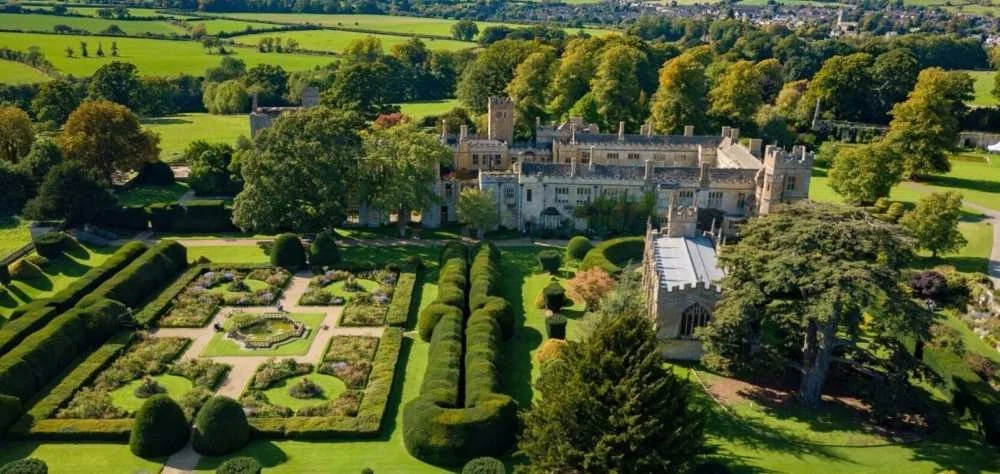
Sudeley Castle is a historic castle located in the Cotswolds near the town of Winchcombe. It is renowned for its rich history, stunning gardens, and royal connections.
Sudeley Castle has a history dating back over 1,000 years. It was originally built in the 10th century as a medieval castle and was later rebuilt and expanded during the Tudor period. The castle has been the residence of numerous royal figures throughout its history, including Queen Catherine Parr, the sixth wife of King Henry VIII.
The Castle is perhaps best known for its association with Queen Catherine Parr, who lived at the castle following her marriage to Sir Thomas Seymour in 1547. Catherine Parr was the only one of Henry VIII's wives to survive him and was buried at Sudeley Castle after her death in 1548. Her tomb can still be seen in the castle's chapel.
Sudeley Castle is surrounded by beautiful gardens and grounds, which have been carefully landscaped over the centuries. The gardens feature a variety of flowers, plants, and trees, as well as ornamental ponds, statues, and fountains. Highlights include the Queen's Garden, Knot Garden, and Secret Garden.
Visitors to Sudeley Castle can explore the castle's historic rooms, including the medieval Great Hall, Tudor Staterooms, and Victorian Library. The castle's interior is filled with period furnishings, artwork, and artefacts, offering a glimpse into its illustrious past.
Image copyright: Sudeley Castle
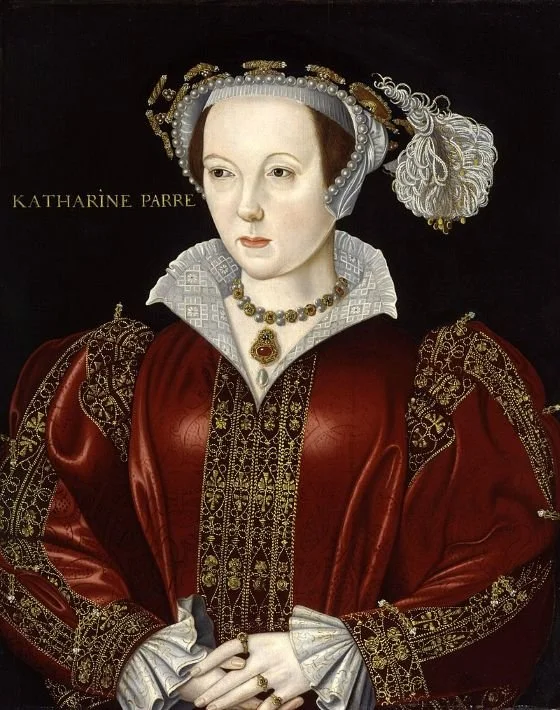
Image copyright: National Portrait Gallery
Tewkesbury — Medieval Streets, Abbey & Riverside Heritage
Tewkesbury Heritage and Visitor Centre – Located on Church Street in a 17th-century building, offering an introduction to the town’s long and varied history.
Riverside Walks & Mill Avon – Follow the watercourse diverted by Benedictine monks in the 12th century, now a peaceful stretch for walking close to the town centre.
Tewkesbury Marina – Set just outside the town, with extensive moorings and a scenic setting along the river.
John Moore Museum – Focused on the natural world of Gloucestershire, with exhibits on wildlife and the surrounding landscape.
Tewkesbury Town Museum – Housed in a historic 17th-century building, telling the story of the town and its people.
Old Baptist Chapel & Court – A rare and historic site with over 500 years of history, thought to be the oldest surviving Baptist chapel.
Tewkesbury Festivals & Markets – Seasonal highlights include the Tewkesbury Mediaeval Festival and Tewkesbury Classic Vehicle Festival, alongside regular farmers’ and craft markets (typically held on the second Saturday of the month).
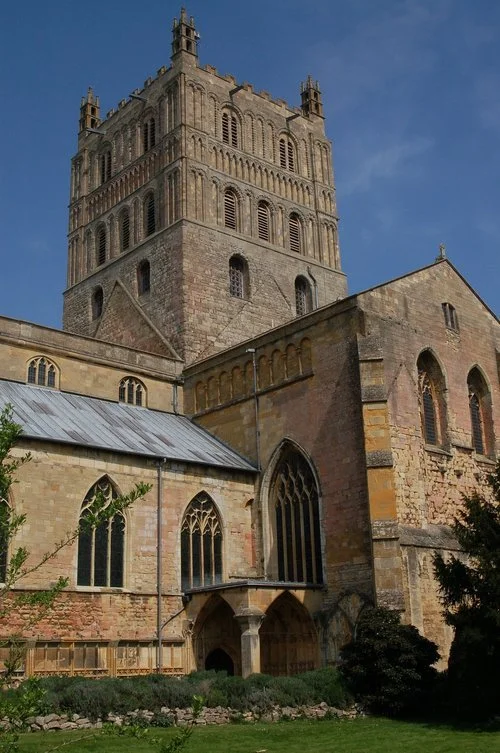
Set at the meeting point of the River Severn and River Avon, Tewkesbury is one of the best-preserved mediaeval towns in England. Its narrow streets, timber-framed buildings, and historic atmosphere make it an ideal place to slow down and explore on foot.
At the heart of the town stands the impressive Tewkesbury Abbey, a reminder of its Norman origins and long religious history. Beyond the main sights, riverside walks, heritage centres, and small museums add depth to the visit, making it easy to spend a full day uncovering its past and character.
One of England’s finest medieval towns with a strong sense of history
Riverside setting at the junction of the Severn and Avon
Easy to explore on foot with heritage trails, museums, and events
What to See and Do
Tewkesbury Abbey – A striking Norman abbey and one of the town’s defining landmarks, rich in history and architectural detail.
-
Trails around the town include the Heritage & Alleyways Trail and The Battle Trail. The battle trail traces the steps of 15th-century soldiers and discovers more about the Battle of Tewkesbury, a waymarked 45-minute walk.
-
For browsing and gifts, visit Toff Milway at Conderton Pottery with a gallery and shop in a lovely setting at The Old Forge. Elegant, hand-crafted salt-glazed ceramics for lovers of food and gardening.
-
Gloucester Road Car and Coach Park (GL20 5SW), 43 spaces, and Spring Gardens (GL20 5LR) with 270 spaces are Pay & Display, with no height restrictions.
Ledbury — Timber-Framed Streets & Market Town Character

Nestled at the foot of the Malvern Hills, Ledbury is one of Herefordshire’s most picturesque market towns — where black-and-white timbered buildings line the high street and cobbled lanes lead to mediaeval churches and historic corners.
It’s a place designed for slow exploration, with independent shops, cafés, and cultural highlights all within easy walking distance. From its well-preserved architecture to its creative and literary scene, Ledbury blends heritage with a lively, modern-day atmosphere.
One of the best-preserved timber-framed towns in England
Compact and walkable, ideal for browsing, food, and culture
Strong mix of heritage, architecture, and local events
What to See and Do
Ledbury High Street – A lively stretch filled with independent shops, cafés, traditional pubs, and artisan boutiques, perfect for relaxed browsing and lunch stops.
Image copyright: Visit Herefordshire
Church Lane & Ledbury Heritage Centre – One of England’s most photogenic streets, leading to a 16th-century former grammar school that now tells the story of the town.
St. Michael and All Angels – A historic church where Civil War musket damage can still be seen on the north porch doors.
Butchers Row House Museum – A timber-framed building offering insight into Victorian life in Ledbury.
St Katherine’s Hall – Once part of a mediaeval hospital complex, now used for exhibitions and community events.
Old Master's House – A striking Jacobean building housing the library and council offices, showcasing classic timber-framed architecture.
Painted Room – A rare surviving interior with 16th-century wall paintings, offering a glimpse into the town’s early history (check ahead for access).
Ledbury Poetry Festival – Held each July, attracting writers and visitors for a week of readings, performances, and workshops.
-
There are several public car parks just a short walk from the High Street, including Bye Street, St Katherine’s, and Market Street car parks. Pay-and-display is in operation, and spaces can fill up quickly during busy periods and market days, so early arrival is recommended.
-
Approx. 1.2 miles / 2 km
Start at the Market House — the town’s iconic black-and-white timber-framed building.
Head to the Butchers Row House Museum to begin your historical journey.
Walk a few steps to The Painted Room (pre-book for a tour), then continue past the Old Master’s House.
Turn into Church Lane — pause for photos and pop into the Ledbury Heritage Centre.
Continue to St. Michael and All Angels Church and explore the graveyard and musket-damaged porch.
Follow the path around the church and through the peaceful churchyard garden.
Walk past St Katherine’s Hall and library, then loop back to the High Street.
End at the Malthouse Café or The Feathers for refreshments — or continue shopping along the High Street.
Optional extension: Add a short drive or walk out to Eastnor Castle or a cider tasting at Westons Cider Mill if you have more time
Explore Nearby: Castle, Cider, Pottery & More
Just a short drive from Ledbury, you’ll find a wealth of countryside experiences waiting to round out your visit.
Eastnor Castle – A fairy-tale Georgian fortress set within a deer park, arboretum, and lake. A great day out with gardens, tearoom, seasonal events, and family-friendly activities.
Land Rover Experience Eastnor – Test your driving skills on 66 miles of off-road trails through woodland, hills, and muddy terrain in an Area of Outstanding Natural Beauty.
Eastnor Pottery – Hands-on pottery experiences and classes suitable for beginners through to enthusiasts, set on the Eastnor Castle estate.
Hellens Manor – A Tudor and Jacobean home in Much Marcle with preserved interiors, formal gardens, guided tours, and seasonal cultural events.
Westons Cider Visitor Centre – No trip to Herefordshire is complete without experiencing the region’s cider heritage. Located at a 17th-century farmhouse in Much Marcle, this working cider mill offers guided tours, tastings, a shop filled with local bottles, and the relaxed Scrumpy House Restaurant, with an outdoor play area for children.
Hidden Gem
The Nest at Little Verzons Farm – A farm shop, café, and lifestyle destination set within 14 acres of rewilded countryside. Known for local produce including Scotch eggs, pies, cheeses, and Herefordshire ciders, alongside artisan goods and a peaceful setting with orchards, woodland, and a hidden lake.
Coddington Vineyard — Herefordshire Wines & Countryside Views
Coddington Vineyard is a charming, family-run estate nestled in the picturesque countryside of Herefordshire, near the Malvern Hills and the market town of Ledbury. Set on a gentle south-facing slope, the vineyard spans approximately two acres and is part of a five-acre property that includes beautifully maintained gardens and a Grade II-listed farmhouse.
Coddington Vineyard cultivates three grape varieties: Bacchus, Kerner, and Pinot Gris, producing small-batch, award-winning white wines. The estate emphasises quality and sustainability in its winemaking practices.

Image copyright: Visit Herefordshire
Historic Highlights Along the Vale & Cotswold Edge
This section of the route combines countryside, riverside towns and the Cotswold edge — with several standout historic sites sitting naturally along the way.
From the dramatic ruins of Witley Court to the peaceful setting of Hailes Abbey and the ancient landscape of Belas Knap, these stops add depth without requiring major detours.
Annual membership starts from £53 — with 15% off using code AFFEH1526.
Membership often pays for itself in just 2–3 visits when including multiple sites along your route.
Get 15% Off MembershipEnd of Chapter 1 — Malvern Hills & The Vale
This opening chapter works by contrast — beginning high on the Malvern Hills with wide, open views, before easing into the softer landscapes of the Vale of Evesham and the northern Cotswold edge.
Along the way, the journey moves between elevated ridgelines, riverside towns, orchard landscapes, and some of England’s most characterful villages. Distances remain short, allowing time to explore on foot, pause for local food and drink, and follow unexpected detours — from lavender fields and vineyards to heritage sites and hidden corners.
It’s a gentle but varied introduction, setting the pace for the rest of the route.
- Elevated landscapes and panoramic walking in the Malvern Hills
- Market towns, riverside settings, and orchard countryside
- A blend of heritage, food, seasonal experiences, and easy driving
As you leave Ledbury and the surrounding countryside behind, the route begins to shift in character. The next chapter moves deeper into Herefordshire, where black-and-white villages, quieter roads, and a stronger sense of rural isolation begin to define the journey.
Continue the Journey — 50% Off This Road Trip
You’ve just explored the opening chapter of the Malvern Hills & Black & White Trail Road Trip. Unlock the full route to continue through Herefordshire’s black-and-white villages, hidden countryside, and lesser-known highlights.
Use code:
Full access includes complete route planning, additional chapters, mapped stops, and flexible itineraries to shape the rest of your trip.
Buy the Full Road Trip